


Biographies

TVB viewers knew Yu Miu-Lin as Yu Mou. On Hong Kong television she spent decades playing neighbours, maids and cleaners, while in films she was eagerly cast in comic roles. In Tricky Brains (1991), for instance, her character's husband comes to hire a prank master played by Stephen Chow Sing-Chi and learns too late that his wife has beaten him to it. After leaving her staff job at the television station, Yu liked to spend her days off at the Hong Kong Film Archive watching her own films. When a list was drawn up for her of the films she had appeared in that could be viewed there, it ran ...
TVB viewers knew Yu Miu-Lin as Yu Mou. On Hong Kong television she spent decades playing neighbours, maids and cleaners, while in films she was eagerly cast in comic roles. In Tricky Brains (1991), for instance, her character's husband comes to hire a prank master played by Stephen Chow Sing-Chi and learns too late that his wife has beaten him to it. After leaving her staff job at the television station, Yu liked to spend her days off at the Hong Kong Film Archive watching her own films. When a list was drawn up for her of the films she had appeared in that could be viewed there, it ran ...
TVB viewers knew Yu Miu-Lin as Yu Mou. On Hong Kong television she spent decades playing neighbours, maids and cleaners, while in films she was eagerly cast in comic roles. In Tricky Brains (1991), for instance, her character's husband comes to hire a prank master played by Stephen Chow Sing-Chi and learns too late that his wife has beaten him to it. After leaving her staff job at the television station, Yu liked to spend her days off at the Hong Kong Film Archive watching her own films. When a list was drawn up for her of the films she had appeared in that could be viewed there, it ran ...

At TVB, Marianne Chan started out as a presenter and soon became one of the channel's busiest actresses. In Journey to the West she played a demoness who turns the Monkey King's head, and two years later, in A Tough Side of a Lady, she landed the role of Hua Mulan, who goes to war in her father's place. In her final series, Love is Beautiful, Chan and Anne Heung played two friends who swap faces, and viewers had to keep track of both to work out who was who. The series was a hit, but by then Chan had already decided to go into business for herself.
At TVB, Marianne Chan started out as a presenter and soon became one of the channel's busiest actresses. In Journey to the West she played a demoness who turns the Monkey King's head, and two years later, in A Tough Side of a Lady, she landed the role of Hua Mulan, who goes to war in her father's place. In her final series, Love is Beautiful, Chan and Anne Heung played two friends who swap faces, and viewers had to keep track of both to work out who was who. The series was a hit, but by then Chan had already decided to go into business for herself.
At TVB, Marianne Chan started out as a presenter and soon became one of the channel's busiest actresses. In Journey to the West she played a demoness who turns the Monkey King's head, and two years later, in A Tough Side of a Lady, she landed the role of Hua Mulan, who goes to war in her father's place. In her final series, Love is Beautiful, Chan and Anne Heung played two friends who swap faces, and viewers had to keep track of both to work out who was who. The series was a hit, but by then Chan had already decided to go into business for herself.

Taiwanese audiences first saw Lu Hsiao-Fen in thrillers about women who took matters into their own hands and dealt with their abusers. Just two years after her debut film was released, she won a Golden Horse for A Flower in the Raining Night. Adapted from a Taiwanese novella, the film was released in Mandarin and also exists in a Taiwanese-dubbed version. Lu was especially good at playing women who hold a family together. Returning to the screen after a twenty-year hiatus, she starred in Day Off as the owner of a men's barbershop who, over decades of work, has grown used to looking after ...
Taiwanese audiences first saw Lu Hsiao-Fen in thrillers about women who took matters into their own hands and dealt with their abusers. Just two years after her debut film was released, she won a Golden Horse for A Flower in the Raining Night. Adapted from a Taiwanese novella, the film was released in Mandarin and also exists in a Taiwanese-dubbed version. Lu was especially good at playing women who hold a family together. Returning to the screen after a twenty-year hiatus, she starred in Day Off as the owner of a men's barbershop who, over decades of work, has grown used to looking after ...
Taiwanese audiences first saw Lu Hsiao-Fen in thrillers about women who took matters into their own hands and dealt with their abusers. Just two years after her debut film was released, she won a Golden Horse for A Flower in the Raining Night. Adapted from a Taiwanese novella, the film was released in Mandarin and also exists in a Taiwanese-dubbed version. Lu was especially good at playing women who hold a family together. Returning to the screen after a twenty-year hiatus, she starred in Day Off as the owner of a men's barbershop who, over decades of work, has grown used to looking after ...

Wang Jing-Chun has played police officers so many times that in China he has long been regarded as a specialist in that department. In the series Ordinary Greatness, he played a station chief whose days are consumed by settling neighbors' quarrels and training rookies. But his best-known role came as a factory worker in Wang Xiao-Shuai's family drama So Long, My Son. After his son's death, his character moves with his wife to a fishing village and makes a living as a welder. Wang had learned the trade before he ever enrolled in a theater academy.
Wang Jing-Chun has played police officers so many times that in China he has long been regarded as a specialist in that department. In the series Ordinary Greatness, he played a station chief whose days are consumed by settling neighbors' quarrels and training rookies. But his best-known role came as a factory worker in Wang Xiao-Shuai's family drama So Long, My Son. After his son's death, his character moves with his wife to a fishing village and makes a living as a welder. Wang had learned the trade before he ever enrolled in a theater academy.
Wang Jing-Chun has played police officers so many times that in China he has long been regarded as a specialist in that department. In the series Ordinary Greatness, he played a station chief whose days are consumed by settling neighbors' quarrels and training rookies. But his best-known role came as a factory worker in Wang Xiao-Shuai's family drama So Long, My Son. After his son's death, his character moves with his wife to a fishing village and makes a living as a welder. Wang had learned the trade before he ever enrolled in a theater academy.

Before Berlin, Chinese audiences knew Liao Fan from TV series and roles like Third Brother, one of the bandits in Let the Bullets Fly. At forty he became the first Chinese actor to win the Silver Bear for Best Actor. In Black Coal, Thin Ice he played a former policeman who takes on an old case when his own life has already gone off the rails. Just a year later Liao was wielding paired knives in The Master, and then in Ash is Purest White he played a provincial gang boss for whom it grows harder every year to act as if there is still anyone left to boss around.
Before Berlin, Chinese audiences knew Liao Fan from TV series and roles like Third Brother, one of the bandits in Let the Bullets Fly. At forty he became the first Chinese actor to win the Silver Bear for Best Actor. In Black Coal, Thin Ice he played a former policeman who takes on an old case when his own life has already gone off the rails. Just a year later Liao was wielding paired knives in The Master, and then in Ash is Purest White he played a provincial gang boss for whom it grows harder every year to act as if there is still anyone left to boss around.
Before Berlin, Chinese audiences knew Liao Fan from TV series and roles like Third Brother, one of the bandits in Let the Bullets Fly. At forty he became the first Chinese actor to win the Silver Bear for Best Actor. In Black Coal, Thin Ice he played a former policeman who takes on an old case when his own life has already gone off the rails. Just a year later Liao was wielding paired knives in The Master, and then in Ash is Purest White he played a provincial gang boss for whom it grows harder every year to act as if there is still anyone left to boss around.

Jia Zhang-Ke often films Zhao Tao among people going about their business, and she has a way of carrying herself as if she had wandered into the frame by chance. Over a quarter-century of working with him, she has played many women from her native Shanxi. One of them, Shen Tao in Mountains May Depart, is seen by the audience at three different periods of her life. And for Caught by the Tides, Jia assembled footage shot over more than two decades, and the heroine changes before our eyes along with the actress herself. One of her major awards, Italy's David di Donatello for Best Actress, ...
Jia Zhang-Ke often films Zhao Tao among people going about their business, and she has a way of carrying herself as if she had wandered into the frame by chance. Over a quarter-century of working with him, she has played many women from her native Shanxi. One of them, Shen Tao in Mountains May Depart, is seen by the audience at three different periods of her life. And for Caught by the Tides, Jia assembled footage shot over more than two decades, and the heroine changes before our eyes along with the actress herself. One of her major awards, Italy's David di Donatello for Best Actress, ...
Jia Zhang-Ke often films Zhao Tao among people going about their business, and she has a way of carrying herself as if she had wandered into the frame by chance. Over a quarter-century of working with him, she has played many women from her native Shanxi. One of them, Shen Tao in Mountains May Depart, is seen by the audience at three different periods of her life. And for Caught by the Tides, Jia assembled footage shot over more than two decades, and the heroine changes before our eyes along with the actress herself. One of her major awards, Italy's David di Donatello for Best Actress, ...

When Da Peng set out to make a film about a young dancer, he began asking dancers whom they pictured in the role. Most often they named Wang Yi-Bo. By that time, the member of the Chinese-Korean group UNIQ was widely known for The Untamed, in which he played the taciturn swordsman Lan Wangji. In those years he was also assembling teams for televised dance battles. In 2023, One and Only was released, and the role of a young man who spends every spare minute in the dance studio earned Wang Yi-Bo nominations for the Golden Rooster and the Huabiao Awards.
When Da Peng set out to make a film about a young dancer, he began asking dancers whom they pictured in the role. Most often they named Wang Yi-Bo. By that time, the member of the Chinese-Korean group UNIQ was widely known for The Untamed, in which he played the taciturn swordsman Lan Wangji. In those years he was also assembling teams for televised dance battles. In 2023, One and Only was released, and the role of a young man who spends every spare minute in the dance studio earned Wang Yi-Bo nominations for the Golden Rooster and the Huabiao Awards.
When Da Peng set out to make a film about a young dancer, he began asking dancers whom they pictured in the role. Most often they named Wang Yi-Bo. By that time, the member of the Chinese-Korean group UNIQ was widely known for The Untamed, in which he played the taciturn swordsman Lan Wangji. In those years he was also assembling teams for televised dance battles. In 2023, One and Only was released, and the role of a young man who spends every spare minute in the dance studio earned Wang Yi-Bo nominations for the Golden Rooster and the Huabiao Awards.

Tan Zhuo rose to widespread fame in the summer of 2018. Some viewers remember her from the drama Dying to Survive, in which she played a nightclub dancer earning money for her daughter's treatment, while others know her from Story of Yanxi Palace, where she was cast as a hot-tempered imperial concubine in love with Kunqu opera. By that time Tan had already taken her films to the Cannes and Venice festivals, spent several seasons performing in an eight-hour play, and tried her hand at producing, helping to secure funding for an independent film.
Tan Zhuo rose to widespread fame in the summer of 2018. Some viewers remember her from the drama Dying to Survive, in which she played a nightclub dancer earning money for her daughter's treatment, while others know her from Story of Yanxi Palace, where she was cast as a hot-tempered imperial concubine in love with Kunqu opera. By that time Tan had already taken her films to the Cannes and Venice festivals, spent several seasons performing in an eight-hour play, and tried her hand at producing, helping to secure funding for an independent film.
Tan Zhuo rose to widespread fame in the summer of 2018. Some viewers remember her from the drama Dying to Survive, in which she played a nightclub dancer earning money for her daughter's treatment, while others know her from Story of Yanxi Palace, where she was cast as a hot-tempered imperial concubine in love with Kunqu opera. By that time Tan had already taken her films to the Cannes and Venice festivals, spent several seasons performing in an eight-hour play, and tried her hand at producing, helping to secure funding for an independent film.

In In the Mood for Love, Rebecca Pan plays Mrs. Suen, who rents a room to the heroine and, like a neighbour, scolds her for coming home late. The same film features "Bengawan Solo", an Indonesian song that Pan had recorded in English long before she ever met Wong Kar-Wai. By the time the director began putting her in his films, she had already performed in Europe and America, recorded in London and staged a White Snake musical in Hong Kong. And the Shanghai inflections that Wong sought for his heroines, Pan had kept since childhood.
In In the Mood for Love, Rebecca Pan plays Mrs. Suen, who rents a room to the heroine and, like a neighbour, scolds her for coming home late. The same film features "Bengawan Solo", an Indonesian song that Pan had recorded in English long before she ever met Wong Kar-Wai. By the time the director began putting her in his films, she had already performed in Europe and America, recorded in London and staged a White Snake musical in Hong Kong. And the Shanghai inflections that Wong sought for his heroines, Pan had kept since childhood.
In In the Mood for Love, Rebecca Pan plays Mrs. Suen, who rents a room to the heroine and, like a neighbour, scolds her for coming home late. The same film features "Bengawan Solo", an Indonesian song that Pan had recorded in English long before she ever met Wong Kar-Wai. By the time the director began putting her in his films, she had already performed in Europe and America, recorded in London and staged a White Snake musical in Hong Kong. And the Shanghai inflections that Wong sought for his heroines, Pan had kept since childhood.

Hong Kong audiences first met Gigi Wong when TVB was still learning how to make long-running series. In the 1970s she appeared in family melodramas and the channel's earliest adaptations of Jin Yong novels, and many years later, in Divas in Distress, she played a former TV star with a score to settle against an old rival. By then Wong was already hosting her own cooking shows. It all began when, as a little girl, she would go to the market with a neighbour and then watch her cook lunch.
Hong Kong audiences first met Gigi Wong when TVB was still learning how to make long-running series. In the 1970s she appeared in family melodramas and the channel's earliest adaptations of Jin Yong novels, and many years later, in Divas in Distress, she played a former TV star with a score to settle against an old rival. By then Wong was already hosting her own cooking shows. It all began when, as a little girl, she would go to the market with a neighbour and then watch her cook lunch.
Hong Kong audiences first met Gigi Wong when TVB was still learning how to make long-running series. In the 1970s she appeared in family melodramas and the channel's earliest adaptations of Jin Yong novels, and many years later, in Divas in Distress, she played a former TV star with a score to settle against an old rival. By then Wong was already hosting her own cooking shows. It all began when, as a little girl, she would go to the market with a neighbour and then watch her cook lunch.

Kam Kwok-Leung joined TVB to study acting, and a few years later he was already directing his own series. He liked writing for specific actors, tailoring lines to their way of speaking. That is how one of the heroines of Wonder Women, Kam's directorial debut in film, came about. He had spent years watching beauty pageants on television and made a comedy about two girls whose lives the contest promised to change beyond all recognition. Two of Kam's most memorable roles are separated by a quarter of a century. First he played a bullied delivery boy in The Killer Snakes, and later a ...
Kam Kwok-Leung joined TVB to study acting, and a few years later he was already directing his own series. He liked writing for specific actors, tailoring lines to their way of speaking. That is how one of the heroines of Wonder Women, Kam's directorial debut in film, came about. He had spent years watching beauty pageants on television and made a comedy about two girls whose lives the contest promised to change beyond all recognition. Two of Kam's most memorable roles are separated by a quarter of a century. First he played a bullied delivery boy in The Killer Snakes, and later a ...
Kam Kwok-Leung joined TVB to study acting, and a few years later he was already directing his own series. He liked writing for specific actors, tailoring lines to their way of speaking. That is how one of the heroines of Wonder Women, Kam's directorial debut in film, came about. He had spent years watching beauty pageants on television and made a comedy about two girls whose lives the contest promised to change beyond all recognition. Two of Kam's most memorable roles are separated by a quarter of a century. First he played a bullied delivery boy in The Killer Snakes, and later a ...

In March 2015, Wang De-Shun opened the Beijing Fashion Week show with his old mime act, and at the end walked the runway in quilted trousers and bare-chested. Footage of that appearance spread across the internet, and the grey-haired actor, familiar to audiences from The Forbidden Kingdom and Miss Granny, came to be called "China's most handsome grandpa." By then Wang had spent years training for a performance he had dreamed up together with his wife. On stage he performed alongside replicas of Rodin's works, striving to make the audience mistake him, if only for a second, for a bronze ...
In March 2015, Wang De-Shun opened the Beijing Fashion Week show with his old mime act, and at the end walked the runway in quilted trousers and bare-chested. Footage of that appearance spread across the internet, and the grey-haired actor, familiar to audiences from The Forbidden Kingdom and Miss Granny, came to be called "China's most handsome grandpa." By then Wang had spent years training for a performance he had dreamed up together with his wife. On stage he performed alongside replicas of Rodin's works, striving to make the audience mistake him, if only for a second, for a bronze ...
In March 2015, Wang De-Shun opened the Beijing Fashion Week show with his old mime act, and at the end walked the runway in quilted trousers and bare-chested. Footage of that appearance spread across the internet, and the grey-haired actor, familiar to audiences from The Forbidden Kingdom and Miss Granny, came to be called "China's most handsome grandpa." By then Wang had spent years training for a performance he had dreamed up together with his wife. On stage he performed alongside replicas of Rodin's works, striving to make the audience mistake him, if only for a second, for a bronze ...

For years, Xu Hao-Feng recorded the stories of people who still remembered the Chinese martial arts schools from the Republican era. These conversations became the basis for his books, proved useful in his work on The Grandmaster, and gave him material for his own films. In The Master, an outsider fighter wants to open a wing chun school in Tianjin and learns that he will have to defeat his rivals through the hands of his student. It is precisely rules like these that fascinate Xu. He choreographs the fights himself, and at the same time shows who in this city can challenge a man to a ...
For years, Xu Hao-Feng recorded the stories of people who still remembered the Chinese martial arts schools from the Republican era. These conversations became the basis for his books, proved useful in his work on The Grandmaster, and gave him material for his own films. In The Master, an outsider fighter wants to open a wing chun school in Tianjin and learns that he will have to defeat his rivals through the hands of his student. It is precisely rules like these that fascinate Xu. He choreographs the fights himself, and at the same time shows who in this city can challenge a man to a ...
For years, Xu Hao-Feng recorded the stories of people who still remembered the Chinese martial arts schools from the Republican era. These conversations became the basis for his books, proved useful in his work on The Grandmaster, and gave him material for his own films. In The Master, an outsider fighter wants to open a wing chun school in Tianjin and learns that he will have to defeat his rivals through the hands of his student. It is precisely rules like these that fascinate Xu. He choreographs the fights himself, and at the same time shows who in this city can challenge a man to a ...

Lee Lik-Chi and Stephen Chow Sing-Chi first worked together on television, where Chow was then still known as a children's show host. A few years later, their Flirting Scholar (1993) became the highest-grossing Hong Kong film of the year. Lee was one of the leading directors of the Hong Kong mo lei tau comedy, a genre in which a former secret agent could sell pork and a chef could set off to study at Shaolin. From Beijing with Love (1994) and The God of Cookery (1996) grew out of years of working with the same actors. Later, Lee opened courses in Zhuhai, where he taught newcomers to make ...
Lee Lik-Chi and Stephen Chow Sing-Chi first worked together on television, where Chow was then still known as a children's show host. A few years later, their Flirting Scholar (1993) became the highest-grossing Hong Kong film of the year. Lee was one of the leading directors of the Hong Kong mo lei tau comedy, a genre in which a former secret agent could sell pork and a chef could set off to study at Shaolin. From Beijing with Love (1994) and The God of Cookery (1996) grew out of years of working with the same actors. Later, Lee opened courses in Zhuhai, where he taught newcomers to make ...
Lee Lik-Chi and Stephen Chow Sing-Chi first worked together on television, where Chow was then still known as a children's show host. A few years later, their Flirting Scholar (1993) became the highest-grossing Hong Kong film of the year. Lee was one of the leading directors of the Hong Kong mo lei tau comedy, a genre in which a former secret agent could sell pork and a chef could set off to study at Shaolin. From Beijing with Love (1994) and The God of Cookery (1996) grew out of years of working with the same actors. Later, Lee opened courses in Zhuhai, where he taught newcomers to make ...

Tong Kai began in a Cantonese opera troupe, but made his name in film as a fight choreographer. Together with Lau Kar-Leung he staged the fights for One-Armed Swordsman, and when adaptations of Gu Long's novels became all the rage at Shaw Brothers, he devised weapons for them the like of which no kung fu school has ever seen. He was especially good at battles in which a whole squad of men throws itself at a single man. In Shaolin Intruders, one of the three films he directed himself, the monks go into battle with wooden benches.
Tong Kai began in a Cantonese opera troupe, but made his name in film as a fight choreographer. Together with Lau Kar-Leung he staged the fights for One-Armed Swordsman, and when adaptations of Gu Long's novels became all the rage at Shaw Brothers, he devised weapons for them the like of which no kung fu school has ever seen. He was especially good at battles in which a whole squad of men throws itself at a single man. In Shaolin Intruders, one of the three films he directed himself, the monks go into battle with wooden benches.
Tong Kai began in a Cantonese opera troupe, but made his name in film as a fight choreographer. Together with Lau Kar-Leung he staged the fights for One-Armed Swordsman, and when adaptations of Gu Long's novels became all the rage at Shaw Brothers, he devised weapons for them the like of which no kung fu school has ever seen. He was especially good at battles in which a whole squad of men throws itself at a single man. In Shaolin Intruders, one of the three films he directed himself, the monks go into battle with wooden benches.

Chen Xiao rose to fame on Chinese television, where he was initially cast eagerly as princes and wuxia heroes. In Romance of the Condor Heroes he played Yang Guo, while in the series Nothing Gold Can Stay he was given the role of a merchant's spoiled son who had to grow up before the audience's eyes. Chen appeared on film less often. For his role as a young soldier in The Taking of Tiger Mountain by Tsui Hark, he was nominated for the Hundred Flowers Award. And in the summer of 2022, audiences saw him in two very different roles at once. In A Dream of Splendor he was a formidable official ...
Chen Xiao rose to fame on Chinese television, where he was initially cast eagerly as princes and wuxia heroes. In Romance of the Condor Heroes he played Yang Guo, while in the series Nothing Gold Can Stay he was given the role of a merchant's spoiled son who had to grow up before the audience's eyes. Chen appeared on film less often. For his role as a young soldier in The Taking of Tiger Mountain by Tsui Hark, he was nominated for the Hundred Flowers Award. And in the summer of 2022, audiences saw him in two very different roles at once. In A Dream of Splendor he was a formidable official ...
Chen Xiao rose to fame on Chinese television, where he was initially cast eagerly as princes and wuxia heroes. In Romance of the Condor Heroes he played Yang Guo, while in the series Nothing Gold Can Stay he was given the role of a merchant's spoiled son who had to grow up before the audience's eyes. Chen appeared on film less often. For his role as a young soldier in The Taking of Tiger Mountain by Tsui Hark, he was nominated for the Hundred Flowers Award. And in the summer of 2022, audiences saw him in two very different roles at once. In A Dream of Splendor he was a formidable official ...

For years after The Legend of the Condor Heroes, people on the street still called Felix Wong "Guo Jing." His portrayal of Jin Yong's simple-hearted hero was the last to realize he was being deceived and the first to rush to the rescue. Fourteen years later, Wong played Qiao Feng in The Demi-Gods and Semi-Devils, endowing the man destined to lead an entire alliance of beggars with the same stubbornness. Wong himself rewatched his early series without much indulgence. He said he laughs at himself when he sees how he acted early in his career.
For years after The Legend of the Condor Heroes, people on the street still called Felix Wong "Guo Jing." His portrayal of Jin Yong's simple-hearted hero was the last to realize he was being deceived and the first to rush to the rescue. Fourteen years later, Wong played Qiao Feng in The Demi-Gods and Semi-Devils, endowing the man destined to lead an entire alliance of beggars with the same stubbornness. Wong himself rewatched his early series without much indulgence. He said he laughs at himself when he sees how he acted early in his career.
For years after The Legend of the Condor Heroes, people on the street still called Felix Wong "Guo Jing." His portrayal of Jin Yong's simple-hearted hero was the last to realize he was being deceived and the first to rush to the rescue. Fourteen years later, Wong played Qiao Feng in The Demi-Gods and Semi-Devils, endowing the man destined to lead an entire alliance of beggars with the same stubbornness. Wong himself rewatched his early series without much indulgence. He said he laughs at himself when he sees how he acted early in his career.

In postwar Shanghai, Ouyang Sha-Fei was known for playing women who could put on airs and wrap anyone around their little finger. In Hong Kong she began playing mothers and grandmothers before she had even turned forty. In The Love Eterne, Sha-Fei mourns her son, while in Too Late for Love she drives her daughter-in-law out of the house. For the latter role she won a Golden Horse. At Shaw Brothers she appeared in both costume melodramas and action films, and audiences of the next generation grew used to seeing her in Hong Kong TV series.
In postwar Shanghai, Ouyang Sha-Fei was known for playing women who could put on airs and wrap anyone around their little finger. In Hong Kong she began playing mothers and grandmothers before she had even turned forty. In The Love Eterne, Sha-Fei mourns her son, while in Too Late for Love she drives her daughter-in-law out of the house. For the latter role she won a Golden Horse. At Shaw Brothers she appeared in both costume melodramas and action films, and audiences of the next generation grew used to seeing her in Hong Kong TV series.
In postwar Shanghai, Ouyang Sha-Fei was known for playing women who could put on airs and wrap anyone around their little finger. In Hong Kong she began playing mothers and grandmothers before she had even turned forty. In The Love Eterne, Sha-Fei mourns her son, while in Too Late for Love she drives her daughter-in-law out of the house. For the latter role she won a Golden Horse. At Shaw Brothers she appeared in both costume melodramas and action films, and audiences of the next generation grew used to seeing her in Hong Kong TV series.

Ronny Yu saw The Bride with White Hair first and foremost as a love story. In Hollywood, that film earned him an offer to continue the Chucky doll series. For Yu, who had already made both police thrillers and ghost comedies in Hong Kong, this was a perfectly natural turn. Later he returned to Chinese cinema with Fearless, in which Jet Li played the kung fu master Huo Yuan-Jia. Yu himself said that when choosing a script, the first thing he asked himself was whether he would buy a ticket to such a film.
Ronny Yu saw The Bride with White Hair first and foremost as a love story. In Hollywood, that film earned him an offer to continue the Chucky doll series. For Yu, who had already made both police thrillers and ghost comedies in Hong Kong, this was a perfectly natural turn. Later he returned to Chinese cinema with Fearless, in which Jet Li played the kung fu master Huo Yuan-Jia. Yu himself said that when choosing a script, the first thing he asked himself was whether he would buy a ticket to such a film.
Ronny Yu saw The Bride with White Hair first and foremost as a love story. In Hollywood, that film earned him an offer to continue the Chucky doll series. For Yu, who had already made both police thrillers and ghost comedies in Hong Kong, this was a perfectly natural turn. Later he returned to Chinese cinema with Fearless, in which Jet Li played the kung fu master Huo Yuan-Jia. Yu himself said that when choosing a script, the first thing he asked himself was whether he would buy a ticket to such a film.

Joseph Kuo started out painting posters for movie theaters in Kaohsiung, and his first big success came with a musical picture in Taiwanese. Beyond the island, he became known for very different films. In The 18 Bronzemen he turned the Shaolin novices' graduation test into the film's main spectacle, while in The Mystery of Chess Boxing he had an impatient student master kung fu over a chessboard. Kuo wrote his own scripts, directed the films and handled the distribution deals. He shot mostly in Taiwan, ran his business from Hong Kong, and sold his films far beyond Asia.
Joseph Kuo started out painting posters for movie theaters in Kaohsiung, and his first big success came with a musical picture in Taiwanese. Beyond the island, he became known for very different films. In The 18 Bronzemen he turned the Shaolin novices' graduation test into the film's main spectacle, while in The Mystery of Chess Boxing he had an impatient student master kung fu over a chessboard. Kuo wrote his own scripts, directed the films and handled the distribution deals. He shot mostly in Taiwan, ran his business from Hong Kong, and sold his films far beyond Asia.
Joseph Kuo started out painting posters for movie theaters in Kaohsiung, and his first big success came with a musical picture in Taiwanese. Beyond the island, he became known for very different films. In The 18 Bronzemen he turned the Shaolin novices' graduation test into the film's main spectacle, while in The Mystery of Chess Boxing he had an impatient student master kung fu over a chessboard. Kuo wrote his own scripts, directed the films and handled the distribution deals. He shot mostly in Taiwan, ran his business from Hong Kong, and sold his films far beyond Asia.
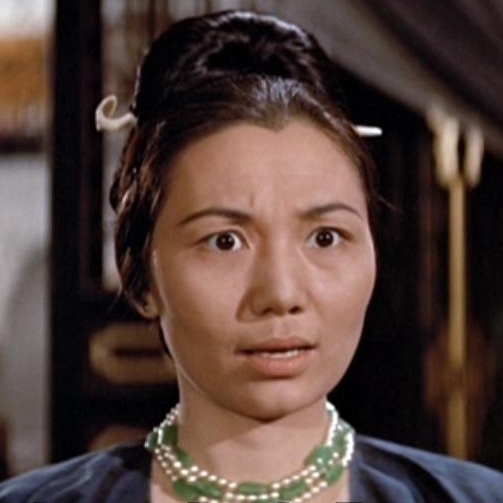
At a gathering of filmmakers in Taipei in January 1978, Kao Pao-Shu joked that she always celebrates her twentieth birthday, but when the talk turned to seniority, she insisted on being counted among the fifth generation of film actors. By then she had appeared in nearly eighty Shaw Brothers films, headed the studio's dubbing department, and founded her own production company. Kao was known for her roles as mothers and aunts, and now her name was appearing in the credits of action films she directed in Taiwan and Thailand. In the 1970s she was one of the few women regularly making Hong ...
At a gathering of filmmakers in Taipei in January 1978, Kao Pao-Shu joked that she always celebrates her twentieth birthday, but when the talk turned to seniority, she insisted on being counted among the fifth generation of film actors. By then she had appeared in nearly eighty Shaw Brothers films, headed the studio's dubbing department, and founded her own production company. Kao was known for her roles as mothers and aunts, and now her name was appearing in the credits of action films she directed in Taiwan and Thailand. In the 1970s she was one of the few women regularly making Hong ...
At a gathering of filmmakers in Taipei in January 1978, Kao Pao-Shu joked that she always celebrates her twentieth birthday, but when the talk turned to seniority, she insisted on being counted among the fifth generation of film actors. By then she had appeared in nearly eighty Shaw Brothers films, headed the studio's dubbing department, and founded her own production company. Kao was known for her roles as mothers and aunts, and now her name was appearing in the credits of action films she directed in Taiwan and Thailand. In the 1970s she was one of the few women regularly making Hong ...

Benny Chan came to TVB from a soy milk commercial and became popular after his very first series role, playing Duan Yu in The Demi-Gods and Semi-Devils. He went on to play Sun Wu-Kong and Nezha, and after moving to mainland television, the monk Ji Gong became another of his signature characters. In 2024, Chan returned to TVB in Justice Sung Begins as a master of courtroom litigation — a three-minute verbal duel in court featuring him was shot in a single take.
Benny Chan came to TVB from a soy milk commercial and became popular after his very first series role, playing Duan Yu in The Demi-Gods and Semi-Devils. He went on to play Sun Wu-Kong and Nezha, and after moving to mainland television, the monk Ji Gong became another of his signature characters. In 2024, Chan returned to TVB in Justice Sung Begins as a master of courtroom litigation — a three-minute verbal duel in court featuring him was shot in a single take.
Benny Chan came to TVB from a soy milk commercial and became popular after his very first series role, playing Duan Yu in The Demi-Gods and Semi-Devils. He went on to play Sun Wu-Kong and Nezha, and after moving to mainland television, the monk Ji Gong became another of his signature characters. In 2024, Chan returned to TVB in Justice Sung Begins as a master of courtroom litigation — a three-minute verbal duel in court featuring him was shot in a single take.

In A Smile is Beautiful, Yang Yang played Xiao Nai, a student who excels at everything from academics to online gaming. The role made him one of the most popular actors on Chinese television. That same year he could be seen in thick-rimmed glasses and with tousled hair. In the melodrama I Belonged to You, he played an inventor far more at ease with gadgets than with people. And on the set of the action film Vanguard, his dance training came in handy — Yang performed the complex stunts himself.
In A Smile is Beautiful, Yang Yang played Xiao Nai, a student who excels at everything from academics to online gaming. The role made him one of the most popular actors on Chinese television. That same year he could be seen in thick-rimmed glasses and with tousled hair. In the melodrama I Belonged to You, he played an inventor far more at ease with gadgets than with people. And on the set of the action film Vanguard, his dance training came in handy — Yang performed the complex stunts himself.
In A Smile is Beautiful, Yang Yang played Xiao Nai, a student who excels at everything from academics to online gaming. The role made him one of the most popular actors on Chinese television. That same year he could be seen in thick-rimmed glasses and with tousled hair. In the melodrama I Belonged to You, he played an inventor far more at ease with gadgets than with people. And on the set of the action film Vanguard, his dance training came in handy — Yang performed the complex stunts himself.

Aliza Mo was working as a model for online shops when she landed the role of the protagonist's classmate in the Hong Kong film Due West: Our Sex Journey. The very next year she appeared in Teddy Robin's Black Umbrella. Shots from the rainy additional filming in Mong Kok were used for the posters of Tales from the Dark 2.
Aliza Mo was working as a model for online shops when she landed the role of the protagonist's classmate in the Hong Kong film Due West: Our Sex Journey. The very next year she appeared in Teddy Robin's Black Umbrella. Shots from the rainy additional filming in Mong Kok were used for the posters of Tales from the Dark 2.
Aliza Mo was working as a model for online shops when she landed the role of the protagonist's classmate in the Hong Kong film Due West: Our Sex Journey. The very next year she appeared in Teddy Robin's Black Umbrella. Shots from the rainy additional filming in Mong Kok were used for the posters of Tales from the Dark 2.

Linda Lin Dai, known in Hong Kong as Lin Dai, was one of the top stars of Mandarin-language cinema in the years when MP&GI and Shaw Brothers vied for audiences. She worked for both. In Diau Charn she played a beauty forced to play nice with the man on whom her life depended. In Les Belles she danced the mambo and the cancan as effortlessly as her character quarreled with the troupe's manager. For both roles Lin Dai won Asian Film Festival awards. In all she took the festival's Best Actress prize four times, and her screen career lasted barely more than a decade.
Linda Lin Dai, known in Hong Kong as Lin Dai, was one of the top stars of Mandarin-language cinema in the years when MP&GI and Shaw Brothers vied for audiences. She worked for both. In Diau Charn she played a beauty forced to play nice with the man on whom her life depended. In Les Belles she danced the mambo and the cancan as effortlessly as her character quarreled with the troupe's manager. For both roles Lin Dai won Asian Film Festival awards. In all she took the festival's Best Actress prize four times, and her screen career lasted barely more than a decade.
Linda Lin Dai, known in Hong Kong as Lin Dai, was one of the top stars of Mandarin-language cinema in the years when MP&GI and Shaw Brothers vied for audiences. She worked for both. In Diau Charn she played a beauty forced to play nice with the man on whom her life depended. In Les Belles she danced the mambo and the cancan as effortlessly as her character quarreled with the troupe's manager. For both roles Lin Dai won Asian Film Festival awards. In all she took the festival's Best Actress prize four times, and her screen career lasted barely more than a decade.
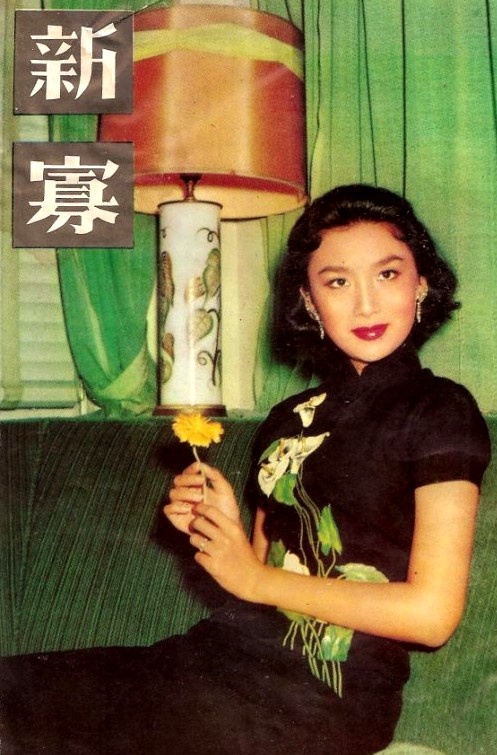
Hsia Meng rose to fame with her very first role and spent seventeen years acting at the Hong Kong studio Great Wall and its partner companies. Audiences grew used to seeing her as young wives and noble beauties, while in the opera comedy Bride Hunter she played a dandy who dresses up as a girl on a bet. After leaving the screen, Hsia Meng went into the garment business. She returned to cinema as a producer, taking on a drama about Vietnamese refugees that Ann Hui On-Wah wanted to direct. Of all the pictures Hsia Meng worked on, the one she valued most was Boat People.
Hsia Meng rose to fame with her very first role and spent seventeen years acting at the Hong Kong studio Great Wall and its partner companies. Audiences grew used to seeing her as young wives and noble beauties, while in the opera comedy Bride Hunter she played a dandy who dresses up as a girl on a bet. After leaving the screen, Hsia Meng went into the garment business. She returned to cinema as a producer, taking on a drama about Vietnamese refugees that Ann Hui On-Wah wanted to direct. Of all the pictures Hsia Meng worked on, the one she valued most was Boat People.
Hsia Meng rose to fame with her very first role and spent seventeen years acting at the Hong Kong studio Great Wall and its partner companies. Audiences grew used to seeing her as young wives and noble beauties, while in the opera comedy Bride Hunter she played a dandy who dresses up as a girl on a bet. After leaving the screen, Hsia Meng went into the garment business. She returned to cinema as a producer, taking on a drama about Vietnamese refugees that Ann Hui On-Wah wanted to direct. Of all the pictures Hsia Meng worked on, the one she valued most was Boat People.

In Ang Lee's Crouching Tiger, Hidden Dragon, swordsmen effortlessly soar to the treetops, yet two of them spend years unable to speak of what they feel for each other. Lee had already been making films about such people in his first Taiwanese comedies, where even at a family dinner it was sometimes hard to say a single word about yourself. Those comedies brought him fame, and after The Wedding Banquet he was invited to direct an adaptation of a Jane Austen novel. Later he would win the Best Director Oscar twice, and when asked why he so often switches genres, he would explain that he ...
In Ang Lee's Crouching Tiger, Hidden Dragon, swordsmen effortlessly soar to the treetops, yet two of them spend years unable to speak of what they feel for each other. Lee had already been making films about such people in his first Taiwanese comedies, where even at a family dinner it was sometimes hard to say a single word about yourself. Those comedies brought him fame, and after The Wedding Banquet he was invited to direct an adaptation of a Jane Austen novel. Later he would win the Best Director Oscar twice, and when asked why he so often switches genres, he would explain that he ...
In Ang Lee's Crouching Tiger, Hidden Dragon, swordsmen effortlessly soar to the treetops, yet two of them spend years unable to speak of what they feel for each other. Lee had already been making films about such people in his first Taiwanese comedies, where even at a family dinner it was sometimes hard to say a single word about yourself. Those comedies brought him fame, and after The Wedding Banquet he was invited to direct an adaptation of a Jane Austen novel. Later he would win the Best Director Oscar twice, and when asked why he so often switches genres, he would explain that he ...

By the age of eighteen, Traey Guan had already played the on-screen daughter of so many famous actors that in China she was nicknamed "the nation's daughter." She was often cast as girls who made life hard for the grown-ups around them. In the series To Be a Better Man, her Peng Jiahe answers every attempt to look after her with a barb, and it takes time to see how lonely she really is. For that role, Guan won a White Magnolia Award while still in her first year at film academy. Since then she has played no shortage of princesses, and on television she is especially good at playing young ...
By the age of eighteen, Traey Guan had already played the on-screen daughter of so many famous actors that in China she was nicknamed "the nation's daughter." She was often cast as girls who made life hard for the grown-ups around them. In the series To Be a Better Man, her Peng Jiahe answers every attempt to look after her with a barb, and it takes time to see how lonely she really is. For that role, Guan won a White Magnolia Award while still in her first year at film academy. Since then she has played no shortage of princesses, and on television she is especially good at playing young ...
By the age of eighteen, Traey Guan had already played the on-screen daughter of so many famous actors that in China she was nicknamed "the nation's daughter." She was often cast as girls who made life hard for the grown-ups around them. In the series To Be a Better Man, her Peng Jiahe answers every attempt to look after her with a barb, and it takes time to see how lonely she really is. For that role, Guan won a White Magnolia Award while still in her first year at film academy. Since then she has played no shortage of princesses, and on television she is especially good at playing young ...

In Ning Hao's films, a single object can easily set several stories in motion at once. In Crazy Stone, a piece of jade brings together a security guard, local crooks and a professional thief, each with a plan of their own and few of them grasping what the others are up to. The comedy was shot on a modest budget but took in enough to let Ning move on to far more expensive films. He has tried his hand at both the western and science fiction, and once he became a producer, he began giving young directors the same chance to make their first big film that he himself once had.
In Ning Hao's films, a single object can easily set several stories in motion at once. In Crazy Stone, a piece of jade brings together a security guard, local crooks and a professional thief, each with a plan of their own and few of them grasping what the others are up to. The comedy was shot on a modest budget but took in enough to let Ning move on to far more expensive films. He has tried his hand at both the western and science fiction, and once he became a producer, he began giving young directors the same chance to make their first big film that he himself once had.
In Ning Hao's films, a single object can easily set several stories in motion at once. In Crazy Stone, a piece of jade brings together a security guard, local crooks and a professional thief, each with a plan of their own and few of them grasping what the others are up to. The comedy was shot on a modest budget but took in enough to let Ning move on to far more expensive films. He has tried his hand at both the western and science fiction, and once he became a producer, he began giving young directors the same chance to make their first big film that he himself once had.

Wang Xue-Bing first came to prominence as Le Yan in the youth series Cherish Our Love Forever, and after the domestic-violence drama Don't Respond to Strangers - Domestic Violence he spent several years in a row playing police officers. On the big screen he was given very different roles. On the set of Black Coal, Thin Ice he put to use the skating skills he had learned as a schoolboy in Urumqi, and in the directorial debut of his old friend Chen Jian-Bin he played a man whose arrival disrupts the peace of an entire village.
Wang Xue-Bing first came to prominence as Le Yan in the youth series Cherish Our Love Forever, and after the domestic-violence drama Don't Respond to Strangers - Domestic Violence he spent several years in a row playing police officers. On the big screen he was given very different roles. On the set of Black Coal, Thin Ice he put to use the skating skills he had learned as a schoolboy in Urumqi, and in the directorial debut of his old friend Chen Jian-Bin he played a man whose arrival disrupts the peace of an entire village.
Wang Xue-Bing first came to prominence as Le Yan in the youth series Cherish Our Love Forever, and after the domestic-violence drama Don't Respond to Strangers - Domestic Violence he spent several years in a row playing police officers. On the big screen he was given very different roles. On the set of Black Coal, Thin Ice he put to use the skating skills he had learned as a schoolboy in Urumqi, and in the directorial debut of his old friend Chen Jian-Bin he played a man whose arrival disrupts the peace of an entire village.

In Hong Kong thrillers, Eddie Cheung often needs only a few scenes for the audience to understand exactly what kind of man they are dealing with. In Throw Down he plays a loan shark ready to take on anyone at anything, while in Election he is a stuttering triad lawyer who gets called in when matters are too complicated for a street brawl. TVB viewers knew Cheung long before these films. In 2020 he once again took the lead role in one of the channel's series, Of Greed And Ants. His Wing Mo-Tun arrives from Thailand, claws his way into Hong Kong's upper circles and over time grows used to ...
In Hong Kong thrillers, Eddie Cheung often needs only a few scenes for the audience to understand exactly what kind of man they are dealing with. In Throw Down he plays a loan shark ready to take on anyone at anything, while in Election he is a stuttering triad lawyer who gets called in when matters are too complicated for a street brawl. TVB viewers knew Cheung long before these films. In 2020 he once again took the lead role in one of the channel's series, Of Greed And Ants. His Wing Mo-Tun arrives from Thailand, claws his way into Hong Kong's upper circles and over time grows used to ...
In Hong Kong thrillers, Eddie Cheung often needs only a few scenes for the audience to understand exactly what kind of man they are dealing with. In Throw Down he plays a loan shark ready to take on anyone at anything, while in Election he is a stuttering triad lawyer who gets called in when matters are too complicated for a street brawl. TVB viewers knew Cheung long before these films. In 2020 he once again took the lead role in one of the channel's series, Of Greed And Ants. His Wing Mo-Tun arrives from Thailand, claws his way into Hong Kong's upper circles and over time grows used to ...

Lam Chung was prolific during the years when Hong Kong cinema was turning out triad action films one after another. In A Better Tomorrow II he was an accomplice of the counterfeiter, and in the two-part Rich and Famous and Tragic Hero he played a gangster nicknamed Big Eyes. With the same stern scowl he also played police officers, including in comedies. And when he began to be seen less often in Hong Kong, Lam was already teaching acting on the mainland. There he also took up screenwriting and directing himself.
Lam Chung was prolific during the years when Hong Kong cinema was turning out triad action films one after another. In A Better Tomorrow II he was an accomplice of the counterfeiter, and in the two-part Rich and Famous and Tragic Hero he played a gangster nicknamed Big Eyes. With the same stern scowl he also played police officers, including in comedies. And when he began to be seen less often in Hong Kong, Lam was already teaching acting on the mainland. There he also took up screenwriting and directing himself.
Lam Chung was prolific during the years when Hong Kong cinema was turning out triad action films one after another. In A Better Tomorrow II he was an accomplice of the counterfeiter, and in the two-part Rich and Famous and Tragic Hero he played a gangster nicknamed Big Eyes. With the same stern scowl he also played police officers, including in comedies. And when he began to be seen less often in Hong Kong, Lam was already teaching acting on the mainland. There he also took up screenwriting and directing himself.

In The Valiant Ones by King Hu, Ng Ming-Choi's character is easy to recognize even by sound. He signals to his comrades on a flute. Ng entered a Hong Kong opera school as a child and performed under the name Yuen Ting in the Seven Little Fortunes troupe. He appeared in the same films as many of his schoolmates, and in time moved into fight choreography and producing. Ng worked with King Hu right up to the director's final film, Painted Skin, in which he invested his own money.
In The Valiant Ones by King Hu, Ng Ming-Choi's character is easy to recognize even by sound. He signals to his comrades on a flute. Ng entered a Hong Kong opera school as a child and performed under the name Yuen Ting in the Seven Little Fortunes troupe. He appeared in the same films as many of his schoolmates, and in time moved into fight choreography and producing. Ng worked with King Hu right up to the director's final film, Painted Skin, in which he invested his own money.
In The Valiant Ones by King Hu, Ng Ming-Choi's character is easy to recognize even by sound. He signals to his comrades on a flute. Ng entered a Hong Kong opera school as a child and performed under the name Yuen Ting in the Seven Little Fortunes troupe. He appeared in the same films as many of his schoolmates, and in time moved into fight choreography and producing. Ng worked with King Hu right up to the director's final film, Painted Skin, in which he invested his own money.

Before she became Natalie Meng, she appeared on mainland television under the name Meng Yao, and in Silver Ornaments she played a woman unhappy in marriage. The name Natalie for the English credits was invented by Wong Jing, who gave her one of the lead roles in Beauty and the 7 Beasts and then cast her in the comedy My Wife Is a Gambling Maestro. In Hong Kong she was long remembered above all for that role. Already living in Los Angeles, Meng continued to take part in poker tournaments and in June 2026 finished sixteenth in the World Series of Poker women's championship.
Before she became Natalie Meng, she appeared on mainland television under the name Meng Yao, and in Silver Ornaments she played a woman unhappy in marriage. The name Natalie for the English credits was invented by Wong Jing, who gave her one of the lead roles in Beauty and the 7 Beasts and then cast her in the comedy My Wife Is a Gambling Maestro. In Hong Kong she was long remembered above all for that role. Already living in Los Angeles, Meng continued to take part in poker tournaments and in June 2026 finished sixteenth in the World Series of Poker women's championship.
Before she became Natalie Meng, she appeared on mainland television under the name Meng Yao, and in Silver Ornaments she played a woman unhappy in marriage. The name Natalie for the English credits was invented by Wong Jing, who gave her one of the lead roles in Beauty and the 7 Beasts and then cast her in the comedy My Wife Is a Gambling Maestro. In Hong Kong she was long remembered above all for that role. Already living in Los Angeles, Meng continued to take part in poker tournaments and in June 2026 finished sixteenth in the World Series of Poker women's championship.

In the 1980s cantopop, Prudence Liew had her own gallery of heroines. They met in nightclubs, took lovers and spoke openly about what they wanted from men. Some of Liew's songs were refused airplay by radio stations, while her debut album sold by the hundreds of thousands. In cinema Liew appeared far less often, and she played her most famous role only after a long hiatus. In Herman Yau's drama True Women for Sale she played a street prostitute dreaming of saving up for new teeth. For this role Liew won a Golden Horse.
In the 1980s cantopop, Prudence Liew had her own gallery of heroines. They met in nightclubs, took lovers and spoke openly about what they wanted from men. Some of Liew's songs were refused airplay by radio stations, while her debut album sold by the hundreds of thousands. In cinema Liew appeared far less often, and she played her most famous role only after a long hiatus. In Herman Yau's drama True Women for Sale she played a street prostitute dreaming of saving up for new teeth. For this role Liew won a Golden Horse.
In the 1980s cantopop, Prudence Liew had her own gallery of heroines. They met in nightclubs, took lovers and spoke openly about what they wanted from men. Some of Liew's songs were refused airplay by radio stations, while her debut album sold by the hundreds of thousands. In cinema Liew appeared far less often, and she played her most famous role only after a long hiatus. In Herman Yau's drama True Women for Sale she played a street prostitute dreaming of saving up for new teeth. For this role Liew won a Golden Horse.

Patrick Tam began his career in the music industry under the wing of Anita Mui, and made his name in cinema as a young gangster eyeing his boss's position in Beast Cops. Later, Tam often played men accustomed to deciding other people's lives — from emperors to prison kingpins. Over the years, Tam found it increasingly interesting to play those who have to start over. In Finch & Midland, he played a Hong Kong singer who moved to Canada and took a job at a restaurant. For the film, Tam suggested a song he had recorded back in the 1990s.
Patrick Tam began his career in the music industry under the wing of Anita Mui, and made his name in cinema as a young gangster eyeing his boss's position in Beast Cops. Later, Tam often played men accustomed to deciding other people's lives — from emperors to prison kingpins. Over the years, Tam found it increasingly interesting to play those who have to start over. In Finch & Midland, he played a Hong Kong singer who moved to Canada and took a job at a restaurant. For the film, Tam suggested a song he had recorded back in the 1990s.
Patrick Tam began his career in the music industry under the wing of Anita Mui, and made his name in cinema as a young gangster eyeing his boss's position in Beast Cops. Later, Tam often played men accustomed to deciding other people's lives — from emperors to prison kingpins. Over the years, Tam found it increasingly interesting to play those who have to start over. In Finch & Midland, he played a Hong Kong singer who moved to Canada and took a job at a restaurant. For the film, Tam suggested a song he had recorded back in the 1990s.

Lisa Lu played the Empress Dowager Cixi on screen three times. In The Empress Dowager and The Last Tempest by Li Han-Hsiang she rules the court, while in The Last Emperor by Bernardo Bertolucci she appears at the very beginning to pass the throne to the young Puyi. By then Lu already had American Westerns, work with James Stewart and three Taiwanese Golden Horse awards behind her. She kept acting past ninety, and at ninety-eight received a star on the Hollywood Walk of Fame. It was placed next to Stewart's.
Lisa Lu played the Empress Dowager Cixi on screen three times. In The Empress Dowager and The Last Tempest by Li Han-Hsiang she rules the court, while in The Last Emperor by Bernardo Bertolucci she appears at the very beginning to pass the throne to the young Puyi. By then Lu already had American Westerns, work with James Stewart and three Taiwanese Golden Horse awards behind her. She kept acting past ninety, and at ninety-eight received a star on the Hollywood Walk of Fame. It was placed next to Stewart's.
Lisa Lu played the Empress Dowager Cixi on screen three times. In The Empress Dowager and The Last Tempest by Li Han-Hsiang she rules the court, while in The Last Emperor by Bernardo Bertolucci she appears at the very beginning to pass the throne to the young Puyi. By then Lu already had American Westerns, work with James Stewart and three Taiwanese Golden Horse awards behind her. She kept acting past ninety, and at ninety-eight received a star on the Hollywood Walk of Fame. It was placed next to Stewart's.

Before her first roles in Hong Kong cinema, Jolie Fan worked as a model and reported for Tencent from the FIFA World Cup in Brazil. Wong Jing cast her as a croupier in the comedy From Vegas to Macau 2 and invited her to join The Gigolo, where she played the protagonist's first love. In the same years, Fan recorded a theme song for a mobile game and appeared in the mainland film Network Anchor. This picture, about a girl trying to build a career through internet live streams, brought in several hosts already familiar to viewers from their broadcasts.
Before her first roles in Hong Kong cinema, Jolie Fan worked as a model and reported for Tencent from the FIFA World Cup in Brazil. Wong Jing cast her as a croupier in the comedy From Vegas to Macau 2 and invited her to join The Gigolo, where she played the protagonist's first love. In the same years, Fan recorded a theme song for a mobile game and appeared in the mainland film Network Anchor. This picture, about a girl trying to build a career through internet live streams, brought in several hosts already familiar to viewers from their broadcasts.
Before her first roles in Hong Kong cinema, Jolie Fan worked as a model and reported for Tencent from the FIFA World Cup in Brazil. Wong Jing cast her as a croupier in the comedy From Vegas to Macau 2 and invited her to join The Gigolo, where she played the protagonist's first love. In the same years, Fan recorded a theme song for a mobile game and appeared in the mainland film Network Anchor. This picture, about a girl trying to build a career through internet live streams, brought in several hosts already familiar to viewers from their broadcasts.

Kay Tse's best-known song, "Wedding Invitation Street," arrived in the wake of the public debate over the fate of the Royal Pier. Its title refers to Li Tung Street in Wan Chai, known for the workshops where wedding invitations were printed. The song became one of the biggest Cantopop hits of the late 2000s. Her first film roles came at the same time as her first solo concerts at the Hong Kong Coliseum. In Lover's Discourse she played a shy laundrette worker in love with a customer. And she earned her first Hong Kong Film Award nomination for Best Actress for Band Four, in which her ...
Kay Tse's best-known song, "Wedding Invitation Street," arrived in the wake of the public debate over the fate of the Royal Pier. Its title refers to Li Tung Street in Wan Chai, known for the workshops where wedding invitations were printed. The song became one of the biggest Cantopop hits of the late 2000s. Her first film roles came at the same time as her first solo concerts at the Hong Kong Coliseum. In Lover's Discourse she played a shy laundrette worker in love with a customer. And she earned her first Hong Kong Film Award nomination for Best Actress for Band Four, in which her ...
Kay Tse's best-known song, "Wedding Invitation Street," arrived in the wake of the public debate over the fate of the Royal Pier. Its title refers to Li Tung Street in Wan Chai, known for the workshops where wedding invitations were printed. The song became one of the biggest Cantopop hits of the late 2000s. Her first film roles came at the same time as her first solo concerts at the Hong Kong Coliseum. In Lover's Discourse she played a shy laundrette worker in love with a customer. And she earned her first Hong Kong Film Award nomination for Best Actress for Band Four, in which her ...

Jackson Lau is well known to fans of 1990s Hong Kong action films. In Fist of Legend he plays the Japanese master Akutagawa, whom Jet Li's character seeks out to learn how his teacher died, while in First Strike he is pursued across several countries by Jackie Chan's character. By that time Lau had already worked as a model in Europe and Asia and appeared in a Taiwanese TV series. After a long hiatus he returned to acting, met Chan again in Vanguard and once more played a man named Akutagawa.
Jackson Lau is well known to fans of 1990s Hong Kong action films. In Fist of Legend he plays the Japanese master Akutagawa, whom Jet Li's character seeks out to learn how his teacher died, while in First Strike he is pursued across several countries by Jackie Chan's character. By that time Lau had already worked as a model in Europe and Asia and appeared in a Taiwanese TV series. After a long hiatus he returned to acting, met Chan again in Vanguard and once more played a man named Akutagawa.
Jackson Lau is well known to fans of 1990s Hong Kong action films. In Fist of Legend he plays the Japanese master Akutagawa, whom Jet Li's character seeks out to learn how his teacher died, while in First Strike he is pursued across several countries by Jackie Chan's character. By that time Lau had already worked as a model in Europe and Asia and appeared in a Taiwanese TV series. After a long hiatus he returned to acting, met Chan again in Vanguard and once more played a man named Akutagawa.

Grace Chang appeared in just over thirty films and left cinema in 1964, while the studio was still giving her leading roles. In Mambo Girl (1957) she so effortlessly led an entire hall of dancers that the film's title became her nickname. Three years later, in The Wild, Wild Rose (1960), she stepped onto a nightclub stage as a Hong Kong Carmen. She trained in Western classical singing and Chinese opera, yet her best-known recordings were made for Mandarin-language musical comedies and melodramas. Those songs took on a life of their own. They were heard in new films decades after Chang ...
Grace Chang appeared in just over thirty films and left cinema in 1964, while the studio was still giving her leading roles. In Mambo Girl (1957) she so effortlessly led an entire hall of dancers that the film's title became her nickname. Three years later, in The Wild, Wild Rose (1960), she stepped onto a nightclub stage as a Hong Kong Carmen. She trained in Western classical singing and Chinese opera, yet her best-known recordings were made for Mandarin-language musical comedies and melodramas. Those songs took on a life of their own. They were heard in new films decades after Chang ...
Grace Chang appeared in just over thirty films and left cinema in 1964, while the studio was still giving her leading roles. In Mambo Girl (1957) she so effortlessly led an entire hall of dancers that the film's title became her nickname. Three years later, in The Wild, Wild Rose (1960), she stepped onto a nightclub stage as a Hong Kong Carmen. She trained in Western classical singing and Chinese opera, yet her best-known recordings were made for Mandarin-language musical comedies and melodramas. Those songs took on a life of their own. They were heard in new films decades after Chang ...

Chang Kuo-Chu was teaching physical education and already raising two sons when he landed his first notable film role. In Taiwan he became known for the melodrama Your Smiling Face, while in Hong Kong he almost immediately fell in with New Wave directors and played one of his most unsettling roles in Love Massacre. As he grew older, Chang increasingly played fathers. His role as a modest Taipei civil servant in A Brighter Summer Day earned him a Golden Horse nomination. In the same category and for the same film, his son Chang Chen was also nominated.
Chang Kuo-Chu was teaching physical education and already raising two sons when he landed his first notable film role. In Taiwan he became known for the melodrama Your Smiling Face, while in Hong Kong he almost immediately fell in with New Wave directors and played one of his most unsettling roles in Love Massacre. As he grew older, Chang increasingly played fathers. His role as a modest Taipei civil servant in A Brighter Summer Day earned him a Golden Horse nomination. In the same category and for the same film, his son Chang Chen was also nominated.
Chang Kuo-Chu was teaching physical education and already raising two sons when he landed his first notable film role. In Taiwan he became known for the melodrama Your Smiling Face, while in Hong Kong he almost immediately fell in with New Wave directors and played one of his most unsettling roles in Love Massacre. As he grew older, Chang increasingly played fathers. His role as a modest Taipei civil servant in A Brighter Summer Day earned him a Golden Horse nomination. In the same category and for the same film, his son Chang Chen was also nominated.

In Mr. Vampire, Ricky Lau's Taoist priest battles the undead with sticky rice and paper talismans, while his disciples manage to botch things even when all they have to do is stand still and hold their breath. After this film, hopping corpse movies became all the rage in Hong Kong and Taiwan for several years, and Lam Ching-Ying became the most recognizable ghost hunter in Hong Kong cinema. By that time, Lau had spent many years as a cinematographer for Sammo Hung and knew the mechanics of kung fu comedy inside out. He returned to tales of the supernatural thirty years later, by then ...
In Mr. Vampire, Ricky Lau's Taoist priest battles the undead with sticky rice and paper talismans, while his disciples manage to botch things even when all they have to do is stand still and hold their breath. After this film, hopping corpse movies became all the rage in Hong Kong and Taiwan for several years, and Lam Ching-Ying became the most recognizable ghost hunter in Hong Kong cinema. By that time, Lau had spent many years as a cinematographer for Sammo Hung and knew the mechanics of kung fu comedy inside out. He returned to tales of the supernatural thirty years later, by then ...
In Mr. Vampire, Ricky Lau's Taoist priest battles the undead with sticky rice and paper talismans, while his disciples manage to botch things even when all they have to do is stand still and hold their breath. After this film, hopping corpse movies became all the rage in Hong Kong and Taiwan for several years, and Lam Ching-Ying became the most recognizable ghost hunter in Hong Kong cinema. By that time, Lau had spent many years as a cinematographer for Sammo Hung and knew the mechanics of kung fu comedy inside out. He returned to tales of the supernatural thirty years later, by then ...

Denise Ho became one of the biggest cantopop stars of the 2000s. She started out as a backing vocalist for Anita Mui Yim-Fong, and in her own concerts she sang about things rarely spoken aloud in Hong Kong pop songs. On screen she was especially memorable as Teresa in Johnnie To Kei-Fung's Life Without Principle. Ho plays a bank employee who has to hit her sales targets, and she does it so matter-of-factly that you can easily picture her at the next window over. After taking part in the Hong Kong protests, Ho lost the ability to perform on the mainland. At home she kept singing, and once ...
Denise Ho became one of the biggest cantopop stars of the 2000s. She started out as a backing vocalist for Anita Mui Yim-Fong, and in her own concerts she sang about things rarely spoken aloud in Hong Kong pop songs. On screen she was especially memorable as Teresa in Johnnie To Kei-Fung's Life Without Principle. Ho plays a bank employee who has to hit her sales targets, and she does it so matter-of-factly that you can easily picture her at the next window over. After taking part in the Hong Kong protests, Ho lost the ability to perform on the mainland. At home she kept singing, and once ...
Denise Ho became one of the biggest cantopop stars of the 2000s. She started out as a backing vocalist for Anita Mui Yim-Fong, and in her own concerts she sang about things rarely spoken aloud in Hong Kong pop songs. On screen she was especially memorable as Teresa in Johnnie To Kei-Fung's Life Without Principle. Ho plays a bank employee who has to hit her sales targets, and she does it so matter-of-factly that you can easily picture her at the next window over. After taking part in the Hong Kong protests, Ho lost the ability to perform on the mainland. At home she kept singing, and once ...
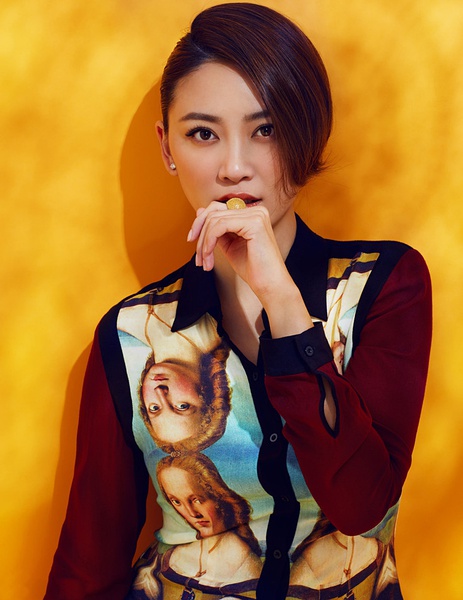
Cherrie Ying was in her element in Hong Kong comedies, where a pretty girl was also expected to be able to play the fool. In Why Me, Sweetie?! she keeps meeting the same guy all over again, while in Nothing Is Impossible she takes up drinking games with such dedication that her whole life seems to hang on them. In Johnnie To's Throw Down she plays an aspiring singer who attaches herself to two judo fighters. Later, on mainland television, she played a brother and sister in the Shanghai-set The Detectives and won a Huading Award for this dual role.
Cherrie Ying was in her element in Hong Kong comedies, where a pretty girl was also expected to be able to play the fool. In Why Me, Sweetie?! she keeps meeting the same guy all over again, while in Nothing Is Impossible she takes up drinking games with such dedication that her whole life seems to hang on them. In Johnnie To's Throw Down she plays an aspiring singer who attaches herself to two judo fighters. Later, on mainland television, she played a brother and sister in the Shanghai-set The Detectives and won a Huading Award for this dual role.
Cherrie Ying was in her element in Hong Kong comedies, where a pretty girl was also expected to be able to play the fool. In Why Me, Sweetie?! she keeps meeting the same guy all over again, while in Nothing Is Impossible she takes up drinking games with such dedication that her whole life seems to hang on them. In Johnnie To's Throw Down she plays an aspiring singer who attaches herself to two judo fighters. Later, on mainland television, she played a brother and sister in the Shanghai-set The Detectives and won a Huading Award for this dual role.

Audiences still call John Ching "Da Juen," after the one-eyed gambler he played in God of Gamblers II. In comedies opposite Stephen Chow, he would deadpan his way through card games and the most absurd prank contraptions alike. In gangster films, Ching was most often cast as bosses and their henchmen, but in Dragon in Jail he played a man you can't help rooting for. When it became hard to make a living on acting fees in Hong Kong, Ching moved to Guangdong and eventually began directing films himself, gathering his old colleagues on set.
Audiences still call John Ching "Da Juen," after the one-eyed gambler he played in God of Gamblers II. In comedies opposite Stephen Chow, he would deadpan his way through card games and the most absurd prank contraptions alike. In gangster films, Ching was most often cast as bosses and their henchmen, but in Dragon in Jail he played a man you can't help rooting for. When it became hard to make a living on acting fees in Hong Kong, Ching moved to Guangdong and eventually began directing films himself, gathering his old colleagues on set.
Audiences still call John Ching "Da Juen," after the one-eyed gambler he played in God of Gamblers II. In comedies opposite Stephen Chow, he would deadpan his way through card games and the most absurd prank contraptions alike. In gangster films, Ching was most often cast as bosses and their henchmen, but in Dragon in Jail he played a man you can't help rooting for. When it became hard to make a living on acting fees in Hong Kong, Ching moved to Guangdong and eventually began directing films himself, gathering his old colleagues on set.

By the time TVB viewers came to know Elanne Kong as the feisty bootleg DVD seller in E.U., she had already released her debut album and picked up the same channel's gold award for young female singers. In film she often appeared in youth comedies and melodramas, and it was Herman Yau's Love Lifting, in which she played a weightlifter, that earned her a Hong Kong Film Awards nomination. A year after the nomination, Kong left the studio that had managed her career since she was sixteen and began working mainly in mainland China.
By the time TVB viewers came to know Elanne Kong as the feisty bootleg DVD seller in E.U., she had already released her debut album and picked up the same channel's gold award for young female singers. In film she often appeared in youth comedies and melodramas, and it was Herman Yau's Love Lifting, in which she played a weightlifter, that earned her a Hong Kong Film Awards nomination. A year after the nomination, Kong left the studio that had managed her career since she was sixteen and began working mainly in mainland China.
By the time TVB viewers came to know Elanne Kong as the feisty bootleg DVD seller in E.U., she had already released her debut album and picked up the same channel's gold award for young female singers. In film she often appeared in youth comedies and melodramas, and it was Herman Yau's Love Lifting, in which she played a weightlifter, that earned her a Hong Kong Film Awards nomination. A year after the nomination, Kong left the studio that had managed her career since she was sixteen and began working mainly in mainland China.

William Chan came to television from dance, starting out in a children's show. His first notable film roles were of a very different kind. In Triad he played a young Hong Kong gangster, in As the Light Goes Out a rookie firefighter. Then Swords of Legends and The Mystic Nine made him a star of mainland series. Years later, Chan returned to Hong Kong police stories. In the series See Her Again, he was especially drawn to the chance to play a father and at the same time to see the city as he remembered it from childhood.
William Chan came to television from dance, starting out in a children's show. His first notable film roles were of a very different kind. In Triad he played a young Hong Kong gangster, in As the Light Goes Out a rookie firefighter. Then Swords of Legends and The Mystic Nine made him a star of mainland series. Years later, Chan returned to Hong Kong police stories. In the series See Her Again, he was especially drawn to the chance to play a father and at the same time to see the city as he remembered it from childhood.
William Chan came to television from dance, starting out in a children's show. His first notable film roles were of a very different kind. In Triad he played a young Hong Kong gangster, in As the Light Goes Out a rookie firefighter. Then Swords of Legends and The Mystic Nine made him a star of mainland series. Years later, Chan returned to Hong Kong police stories. In the series See Her Again, he was especially drawn to the chance to play a father and at the same time to see the city as he remembered it from childhood.

Cutie Mui could make audiences laugh with her booming live on-air laugh and with a spot-on impersonation of someone the whole public knows by sight. In Show Time Blues she copied Sammi Cheng's mannerisms so diligently that the singer eventually coached her on how to nail the resemblance. In the family sitcom Virtues of Harmony, viewers fell for her character Shek Mei, one of the protagonist's two wives. After leaving TVB, Mui moved into advertising, and years later she put together her own team to make entertainment shows for the same audience she had once performed for every evening.
Cutie Mui could make audiences laugh with her booming live on-air laugh and with a spot-on impersonation of someone the whole public knows by sight. In Show Time Blues she copied Sammi Cheng's mannerisms so diligently that the singer eventually coached her on how to nail the resemblance. In the family sitcom Virtues of Harmony, viewers fell for her character Shek Mei, one of the protagonist's two wives. After leaving TVB, Mui moved into advertising, and years later she put together her own team to make entertainment shows for the same audience she had once performed for every evening.
Cutie Mui could make audiences laugh with her booming live on-air laugh and with a spot-on impersonation of someone the whole public knows by sight. In Show Time Blues she copied Sammi Cheng's mannerisms so diligently that the singer eventually coached her on how to nail the resemblance. In the family sitcom Virtues of Harmony, viewers fell for her character Shek Mei, one of the protagonist's two wives. After leaving TVB, Mui moved into advertising, and years later she put together her own team to make entertainment shows for the same audience she had once performed for every evening.

Taiwanese audiences first met Kenny Ho as the general Yue Fei in Ba Qian Li Lu Yun He Yue, but what they remember best is him standing sword in hand at the judge's bench. In Justice Pao he played Zhan Zhao, the officer who stepped in where knowledge of the law alone was no longer enough. The series ran for nearly a year, and when the tales of Bao returned to the screen many years later, the role of Zhan Zhao went to Ho once again. Fans of Hong Kong action knew him from other work. With Jackie Chan and Sammo Hung he was given small parts, while Yuen Wo-Ping entrusted him with the lead in ...
Taiwanese audiences first met Kenny Ho as the general Yue Fei in Ba Qian Li Lu Yun He Yue, but what they remember best is him standing sword in hand at the judge's bench. In Justice Pao he played Zhan Zhao, the officer who stepped in where knowledge of the law alone was no longer enough. The series ran for nearly a year, and when the tales of Bao returned to the screen many years later, the role of Zhan Zhao went to Ho once again. Fans of Hong Kong action knew him from other work. With Jackie Chan and Sammo Hung he was given small parts, while Yuen Wo-Ping entrusted him with the lead in ...
Taiwanese audiences first met Kenny Ho as the general Yue Fei in Ba Qian Li Lu Yun He Yue, but what they remember best is him standing sword in hand at the judge's bench. In Justice Pao he played Zhan Zhao, the officer who stepped in where knowledge of the law alone was no longer enough. The series ran for nearly a year, and when the tales of Bao returned to the screen many years later, the role of Zhan Zhao went to Ho once again. Fans of Hong Kong action knew him from other work. With Jackie Chan and Sammo Hung he was given small parts, while Yuen Wo-Ping entrusted him with the lead in ...


