


Biographies

Anglie Leung joined TVB after winning the Miss Hong Kong pageant. Audiences remembered her from an evening show where she played the naive Milkmaid, though Leung herself wanted to try her hand at very different roles. She made it to the final auditions for the role of Huang Rong and went on to appear in Hong Kong comedies, action films and melodramas.
Anglie Leung joined TVB after winning the Miss Hong Kong pageant. Audiences remembered her from an evening show where she played the naive Milkmaid, though Leung herself wanted to try her hand at very different roles. She made it to the final auditions for the role of Huang Rong and went on to appear in Hong Kong comedies, action films and melodramas.
Anglie Leung joined TVB after winning the Miss Hong Kong pageant. Audiences remembered her from an evening show where she played the naive Milkmaid, though Leung herself wanted to try her hand at very different roles. She made it to the final auditions for the role of Huang Rong and went on to appear in Hong Kong comedies, action films and melodramas.

Shih Chun translated books from Japanese, and later found himself working as an interpreter on film sets. After his role in A-Lan, he became one of the best-known actors in Taiwanese-language cinema. When Mandarin-language films began to displace Taiwanese-language ones, Shih Chun tried his hand at directing and moved into television.
Shih Chun translated books from Japanese, and later found himself working as an interpreter on film sets. After his role in A-Lan, he became one of the best-known actors in Taiwanese-language cinema. When Mandarin-language films began to displace Taiwanese-language ones, Shih Chun tried his hand at directing and moved into television.
Shih Chun translated books from Japanese, and later found himself working as an interpreter on film sets. After his role in A-Lan, he became one of the best-known actors in Taiwanese-language cinema. When Mandarin-language films began to displace Taiwanese-language ones, Shih Chun tried his hand at directing and moved into television.

Chen Chi-Hwa worked with Jackie Chan back when both were with Lo Wei, at a time when the future star was still mostly playing serious fighters. Chan appeared in Chen's Shaolin Wooden Men (1976) and the early kung fu comedy Half a Loaf of Kung Fu (1978). They met again on the set of Police Story (1985), only by then Chan was the director and Chen was working in his crew.
Chen Chi-Hwa worked with Jackie Chan back when both were with Lo Wei, at a time when the future star was still mostly playing serious fighters. Chan appeared in Chen's Shaolin Wooden Men (1976) and the early kung fu comedy Half a Loaf of Kung Fu (1978). They met again on the set of Police Story (1985), only by then Chan was the director and Chen was working in his crew.
Chen Chi-Hwa worked with Jackie Chan back when both were with Lo Wei, at a time when the future star was still mostly playing serious fighters. Chan appeared in Chen's Shaolin Wooden Men (1976) and the early kung fu comedy Half a Loaf of Kung Fu (1978). They met again on the set of Police Story (1985), only by then Chan was the director and Chen was working in his crew.

After several years in a dance troupe, Zhang Xin-Yi went to train as a stage actress. Audiences came to know her for her role as Lin Xia in Beijing Love Story, and Zhang returned to the stage after many years of work in film and television. In the play I Am Not Pan Jinlian, she had to play the same woman in her youth and twenty years later, when her hair had already turned grey.
After several years in a dance troupe, Zhang Xin-Yi went to train as a stage actress. Audiences came to know her for her role as Lin Xia in Beijing Love Story, and Zhang returned to the stage after many years of work in film and television. In the play I Am Not Pan Jinlian, she had to play the same woman in her youth and twenty years later, when her hair had already turned grey.
After several years in a dance troupe, Zhang Xin-Yi went to train as a stage actress. Audiences came to know her for her role as Lin Xia in Beijing Love Story, and Zhang returned to the stage after many years of work in film and television. In the play I Am Not Pan Jinlian, she had to play the same woman in her youth and twenty years later, when her hair had already turned grey.

Huo Siyan began acting while still in school, though after graduating she had planned to study finance. Television audiences knew her from costume dramas, and for her role as an aspiring actress in the Hong Kong film My Name Is Fame, Huo was nominated for a film award. When Joan Chen suggested years later that she play a mother, Siyan had to schedule the shoot around her son's first weeks in kindergarten.
Huo Siyan began acting while still in school, though after graduating she had planned to study finance. Television audiences knew her from costume dramas, and for her role as an aspiring actress in the Hong Kong film My Name Is Fame, Huo was nominated for a film award. When Joan Chen suggested years later that she play a mother, Siyan had to schedule the shoot around her son's first weeks in kindergarten.
Huo Siyan began acting while still in school, though after graduating she had planned to study finance. Television audiences knew her from costume dramas, and for her role as an aspiring actress in the Hong Kong film My Name Is Fame, Huo was nominated for a film award. When Joan Chen suggested years later that she play a mother, Siyan had to schedule the shoot around her son's first weeks in kindergarten.

Teresa Carpio was still a girl when she toured with her father, and in Hong Kong she became known both as an English-language singer and as a Cantopop vocalist. On screen she played a nun in The Happy Ghost. When Carpio temporarily lost her voice, a chance meeting with a vocal coach in New York helped her return to singing, and she later began teaching herself.
Teresa Carpio was still a girl when she toured with her father, and in Hong Kong she became known both as an English-language singer and as a Cantopop vocalist. On screen she played a nun in The Happy Ghost. When Carpio temporarily lost her voice, a chance meeting with a vocal coach in New York helped her return to singing, and she later began teaching herself.
Teresa Carpio was still a girl when she toured with her father, and in Hong Kong she became known both as an English-language singer and as a Cantopop vocalist. On screen she played a nun in The Happy Ghost. When Carpio temporarily lost her voice, a chance meeting with a vocal coach in New York helped her return to singing, and she later began teaching herself.

Peter Chen Ho came into Hong Kong cinema from the trading business. At the MP&GI studio he became known for Mambo Girl with Grace Chang, and at Shaw Brothers he became one of the regular leads in urban musicals. His co-stars were Linda Lin Dai and Betty Loh Tih, whom he married in 1962. Chen's film career lasted about a decade and a half and was cut short when he fell gravely ill.
Peter Chen Ho came into Hong Kong cinema from the trading business. At the MP&GI studio he became known for Mambo Girl with Grace Chang, and at Shaw Brothers he became one of the regular leads in urban musicals. His co-stars were Linda Lin Dai and Betty Loh Tih, whom he married in 1962. Chen's film career lasted about a decade and a half and was cut short when he fell gravely ill.
Peter Chen Ho came into Hong Kong cinema from the trading business. At the MP&GI studio he became known for Mambo Girl with Grace Chang, and at Shaw Brothers he became one of the regular leads in urban musicals. His co-stars were Linda Lin Dai and Betty Loh Tih, whom he married in 1962. Chen's film career lasted about a decade and a half and was cut short when he fell gravely ill.

Nick Wang was working in a book warehouse when, during a commercial shoot, the director suggested he apply to a drama academy. For a long time in film, Wang was held captive by the success of Ugly Wu Di. Roles in Nirvana in Fire and The Disguiser brought him fame in a different register, and in the series Like a Flowing River he was to play an eighteen-year-old hero at the age of thirty-six.
Nick Wang was working in a book warehouse when, during a commercial shoot, the director suggested he apply to a drama academy. For a long time in film, Wang was held captive by the success of Ugly Wu Di. Roles in Nirvana in Fire and The Disguiser brought him fame in a different register, and in the series Like a Flowing River he was to play an eighteen-year-old hero at the age of thirty-six.
Nick Wang was working in a book warehouse when, during a commercial shoot, the director suggested he apply to a drama academy. For a long time in film, Wang was held captive by the success of Ugly Wu Di. Roles in Nirvana in Fire and The Disguiser brought him fame in a different register, and in the series Like a Flowing River he was to play an eighteen-year-old hero at the age of thirty-six.

Maggie Li came up as an actress at Cathay, and in the 1970s she worked extensively in television. After moving to Canada, she left acting behind and devoted herself to family. Returning years later, Li appeared in the drama All Shall Be Well, which won the Berlinale Teddy Award. Director Ray Yeung noticed her while rewatching a series made almost half a century before they met.
Maggie Li came up as an actress at Cathay, and in the 1970s she worked extensively in television. After moving to Canada, she left acting behind and devoted herself to family. Returning years later, Li appeared in the drama All Shall Be Well, which won the Berlinale Teddy Award. Director Ray Yeung noticed her while rewatching a series made almost half a century before they met.
Maggie Li came up as an actress at Cathay, and in the 1970s she worked extensively in television. After moving to Canada, she left acting behind and devoted herself to family. Returning years later, Li appeared in the drama All Shall Be Well, which won the Berlinale Teddy Award. Director Ray Yeung noticed her while rewatching a series made almost half a century before they met.

Lee Tso-Nam learned to make movies under Ting Shan-Hsi, back when a single star in Taiwan could be expected on several sets at once. Later he shot action films in Taipei and Hong Kong and planned every dangerous shot in advance. His Shaolin Vs. Lama was still screening in London years afterward, and Lee himself treasured most his film about the Buddhist patriarch Huineng.
Lee Tso-Nam learned to make movies under Ting Shan-Hsi, back when a single star in Taiwan could be expected on several sets at once. Later he shot action films in Taipei and Hong Kong and planned every dangerous shot in advance. His Shaolin Vs. Lama was still screening in London years afterward, and Lee himself treasured most his film about the Buddhist patriarch Huineng.
Lee Tso-Nam learned to make movies under Ting Shan-Hsi, back when a single star in Taiwan could be expected on several sets at once. Later he shot action films in Taipei and Hong Kong and planned every dangerous shot in advance. His Shaolin Vs. Lama was still screening in London years afterward, and Lee himself treasured most his film about the Buddhist patriarch Huineng.

Clifton Ko directed The Happy Ghost, Chicken and Duck Talk and the Lunar New Year comedy All's Well End's Well, which broke the Hong Kong box-office record. In the 1990s he founded the theatre company Spring-Time. On stage he drew on his experience as a film director, and one of the films that grew out of his work with plays earned him a Golden Horse for editing.
Clifton Ko directed The Happy Ghost, Chicken and Duck Talk and the Lunar New Year comedy All's Well End's Well, which broke the Hong Kong box-office record. In the 1990s he founded the theatre company Spring-Time. On stage he drew on his experience as a film director, and one of the films that grew out of his work with plays earned him a Golden Horse for editing.
Clifton Ko directed The Happy Ghost, Chicken and Duck Talk and the Lunar New Year comedy All's Well End's Well, which broke the Hong Kong box-office record. In the 1990s he founded the theatre company Spring-Time. On stage he drew on his experience as a film director, and one of the films that grew out of his work with plays earned him a Golden Horse for editing.

Janel Tsai could walk a runway even in shoes that were hard to walk in, yet on her first shoots she spent a long time afraid of letting her colleagues down. She won her first Golden Bell on her fourth attempt, and the second for playing a rural surgeon in a series she herself helped get off the ground. By then, Tsai already knew what it was like to develop a project for years and wait for the money to come through.
Janel Tsai could walk a runway even in shoes that were hard to walk in, yet on her first shoots she spent a long time afraid of letting her colleagues down. She won her first Golden Bell on her fourth attempt, and the second for playing a rural surgeon in a series she herself helped get off the ground. By then, Tsai already knew what it was like to develop a project for years and wait for the money to come through.
Janel Tsai could walk a runway even in shoes that were hard to walk in, yet on her first shoots she spent a long time afraid of letting her colleagues down. She won her first Golden Bell on her fourth attempt, and the second for playing a rural surgeon in a series she herself helped get off the ground. By then, Tsai already knew what it was like to develop a project for years and wait for the money to come through.

Yuen Bun started out in Peking opera and came into film as a stuntman, like many graduates of Yu Jim-Yuen's school. In the 1990s he choreographed fights for Tsui Hark and directed Once Upon a Time in China IV. Later, two Hong Kong Film Awards came to him for very different work — the wire-flying in Flying Swords of Dragon Gate and the clashes in a modern city in Kung Fu Jungle.
Yuen Bun started out in Peking opera and came into film as a stuntman, like many graduates of Yu Jim-Yuen's school. In the 1990s he choreographed fights for Tsui Hark and directed Once Upon a Time in China IV. Later, two Hong Kong Film Awards came to him for very different work — the wire-flying in Flying Swords of Dragon Gate and the clashes in a modern city in Kung Fu Jungle.
Yuen Bun started out in Peking opera and came into film as a stuntman, like many graduates of Yu Jim-Yuen's school. In the 1990s he choreographed fights for Tsui Hark and directed Once Upon a Time in China IV. Later, two Hong Kong Film Awards came to him for very different work — the wire-flying in Flying Swords of Dragon Gate and the clashes in a modern city in Kung Fu Jungle.

Emily Kwan started out at TVB as a secretary for whom the scriptwriter hadn't even written any lines at first. She found her own way to catch the camera's attention and soon was playing prominent roles in period dramas. After many years of work in film and television, Kwan won a theatre award, and in the musical Our Youth Diary she took to the stage more than a hundred times.
Emily Kwan started out at TVB as a secretary for whom the scriptwriter hadn't even written any lines at first. She found her own way to catch the camera's attention and soon was playing prominent roles in period dramas. After many years of work in film and television, Kwan won a theatre award, and in the musical Our Youth Diary she took to the stage more than a hundred times.
Emily Kwan started out at TVB as a secretary for whom the scriptwriter hadn't even written any lines at first. She found her own way to catch the camera's attention and soon was playing prominent roles in period dramas. After many years of work in film and television, Kwan won a theatre award, and in the musical Our Youth Diary she took to the stage more than a hundred times.

Chin Ping trained as an actress at Toho's school, sent there by Shaw Brothers. After returning from Japan, she began appearing in Hong Kong films just as the studio's opera pictures were rubbing shoulders with a new wave of swordsman movies. She can be seen both in The Crimson Palm and in The Twelve Gold Medallions, one of the box-office hits of 1970.
Chin Ping trained as an actress at Toho's school, sent there by Shaw Brothers. After returning from Japan, she began appearing in Hong Kong films just as the studio's opera pictures were rubbing shoulders with a new wave of swordsman movies. She can be seen both in The Crimson Palm and in The Twelve Gold Medallions, one of the box-office hits of 1970.
Chin Ping trained as an actress at Toho's school, sent there by Shaw Brothers. After returning from Japan, she began appearing in Hong Kong films just as the studio's opera pictures were rubbing shoulders with a new wave of swordsman movies. She can be seen both in The Crimson Palm and in The Twelve Gold Medallions, one of the box-office hits of 1970.

In the 1990s, Theresa Lee played Kwok Seung in Return of the Condor Heroes and earned five Hong Kong Film Awards nominations. After returning to Canada, she started a family and took a job in a psychiatric ward. Years later, Lee began acting again, this time in Canadian cinema, and in the drama Finch & Midland she played a woman who, like herself, moved from Hong Kong to Canada.
In the 1990s, Theresa Lee played Kwok Seung in Return of the Condor Heroes and earned five Hong Kong Film Awards nominations. After returning to Canada, she started a family and took a job in a psychiatric ward. Years later, Lee began acting again, this time in Canadian cinema, and in the drama Finch & Midland she played a woman who, like herself, moved from Hong Kong to Canada.
In the 1990s, Theresa Lee played Kwok Seung in Return of the Condor Heroes and earned five Hong Kong Film Awards nominations. After returning to Canada, she started a family and took a job in a psychiatric ward. Years later, Lee began acting again, this time in Canadian cinema, and in the drama Finch & Midland she played a woman who, like herself, moved from Hong Kong to Canada.

Years before she became the darling of Hong Kong's young audiences, Connie Chan mostly played male roles. She learned to portray warriors and scholars from the opera star Yam Kim-Fai. In the 1960s her films played simultaneously across several cinema chains, and in 1972 she left the movies. Connie agreed to return to the stage many years later, when she was offered the chance to play Yam herself.
Years before she became the darling of Hong Kong's young audiences, Connie Chan mostly played male roles. She learned to portray warriors and scholars from the opera star Yam Kim-Fai. In the 1960s her films played simultaneously across several cinema chains, and in 1972 she left the movies. Connie agreed to return to the stage many years later, when she was offered the chance to play Yam herself.
Years before she became the darling of Hong Kong's young audiences, Connie Chan mostly played male roles. She learned to portray warriors and scholars from the opera star Yam Kim-Fai. In the 1960s her films played simultaneously across several cinema chains, and in 1972 she left the movies. Connie agreed to return to the stage many years later, when she was offered the chance to play Yam herself.

The Hong Kong comedy Due West: Our Sex Journey made Daniella Wang famous at a time when she still regarded film as a temporary pursuit and planned to return to medicine. The profession turned out to be far more varied than her first high-profile role might have suggested. A few years later, Wang was appearing in mainland horror films, trying her hand at stage acting, and working on a series about the people who shape public opinion.
The Hong Kong comedy Due West: Our Sex Journey made Daniella Wang famous at a time when she still regarded film as a temporary pursuit and planned to return to medicine. The profession turned out to be far more varied than her first high-profile role might have suggested. A few years later, Wang was appearing in mainland horror films, trying her hand at stage acting, and working on a series about the people who shape public opinion.
The Hong Kong comedy Due West: Our Sex Journey made Daniella Wang famous at a time when she still regarded film as a temporary pursuit and planned to return to medicine. The profession turned out to be far more varied than her first high-profile role might have suggested. A few years later, Wang was appearing in mainland horror films, trying her hand at stage acting, and working on a series about the people who shape public opinion.

Wellson Chin is a director whom Hong Kong audiences know by title rather than by name. His comedy The Inspector Wears Skirts, about an all-female police squad, became a hit in the late 1980s and spawned a whole series, while in the 1990s he made a cycle of inexpensive but inventive horror films named after dates in the Chinese calendar, from Thou Shalt Not Swear to July 13th. He came up through Sammo Hung's stunt team, and in the 2000s he became Stephen Chow's right-hand man on Kung Fu Hustle.
Wellson Chin is a director whom Hong Kong audiences know by title rather than by name. His comedy The Inspector Wears Skirts, about an all-female police squad, became a hit in the late 1980s and spawned a whole series, while in the 1990s he made a cycle of inexpensive but inventive horror films named after dates in the Chinese calendar, from Thou Shalt Not Swear to July 13th. He came up through Sammo Hung's stunt team, and in the 2000s he became Stephen Chow's right-hand man on Kung Fu Hustle.
Wellson Chin is a director whom Hong Kong audiences know by title rather than by name. His comedy The Inspector Wears Skirts, about an all-female police squad, became a hit in the late 1980s and spawned a whole series, while in the 1990s he made a cycle of inexpensive but inventive horror films named after dates in the Chinese calendar, from Thou Shalt Not Swear to July 13th. He came up through Sammo Hung's stunt team, and in the 2000s he became Stephen Chow's right-hand man on Kung Fu Hustle.

Raquel Xu never hid why she had come to the movies. "I'm not that kind," she would reply to those who expected an actress to talk about high art. "I just want to make more money." A girl from a poor Harbin family, she spent years as an extra, carrying tea on set and hauling props, until she was made the face of a coconut milk ad and nicknamed "China's first breast." Real fame came with a role in the online series Yu Zui, and after that Raquel Xu became one of the biggest stars of Chinese internet cinema, playing gangland queens, special agents and fairy-tale seductresses.
Raquel Xu never hid why she had come to the movies. "I'm not that kind," she would reply to those who expected an actress to talk about high art. "I just want to make more money." A girl from a poor Harbin family, she spent years as an extra, carrying tea on set and hauling props, until she was made the face of a coconut milk ad and nicknamed "China's first breast." Real fame came with a role in the online series Yu Zui, and after that Raquel Xu became one of the biggest stars of Chinese internet cinema, playing gangland queens, special agents and fairy-tale seductresses.
Raquel Xu never hid why she had come to the movies. "I'm not that kind," she would reply to those who expected an actress to talk about high art. "I just want to make more money." A girl from a poor Harbin family, she spent years as an extra, carrying tea on set and hauling props, until she was made the face of a coconut milk ad and nicknamed "China's first breast." Real fame came with a role in the online series Yu Zui, and after that Raquel Xu became one of the biggest stars of Chinese internet cinema, playing gangland queens, special agents and fairy-tale seductresses.

Miya Mu-Qi came to cinema not from a drama school but from a yoga studio. In China she was known as the "yoga goddess" and "Asia's most beautiful yoga instructor" long before her first role, and she broke into film thanks to her ability to perform the most difficult yoga poses on camera. Jackie Chan cast her in two of his films, and today she is one of the standout heroines of Chinese online action movies.
Miya Mu-Qi came to cinema not from a drama school but from a yoga studio. In China she was known as the "yoga goddess" and "Asia's most beautiful yoga instructor" long before her first role, and she broke into film thanks to her ability to perform the most difficult yoga poses on camera. Jackie Chan cast her in two of his films, and today she is one of the standout heroines of Chinese online action movies.
Miya Mu-Qi came to cinema not from a drama school but from a yoga studio. In China she was known as the "yoga goddess" and "Asia's most beautiful yoga instructor" long before her first role, and she broke into film thanks to her ability to perform the most difficult yoga poses on camera. Jackie Chan cast her in two of his films, and today she is one of the standout heroines of Chinese online action movies.

Andy Hui is a voice familiar to anyone who listened to Cantopop in the 1990s and 2000s: a performer of lyrical ballads, three times named best male singer of the year by Commercial Radio, and a man whose long romance with Sammi Cheng was the longest-running "series" in Hong Kong tabloid history. On film and television he played dozens of roles — mostly supporting, but sometimes leading — yet to the wider public he remained a singer forever. And in 2019, a single dashcam recording wiped out three decades of impeccable reputation, and he had to prove all over again that he deserved a second ...
Andy Hui is a voice familiar to anyone who listened to Cantopop in the 1990s and 2000s: a performer of lyrical ballads, three times named best male singer of the year by Commercial Radio, and a man whose long romance with Sammi Cheng was the longest-running "series" in Hong Kong tabloid history. On film and television he played dozens of roles — mostly supporting, but sometimes leading — yet to the wider public he remained a singer forever. And in 2019, a single dashcam recording wiped out three decades of impeccable reputation, and he had to prove all over again that he deserved a second ...
Andy Hui is a voice familiar to anyone who listened to Cantopop in the 1990s and 2000s: a performer of lyrical ballads, three times named best male singer of the year by Commercial Radio, and a man whose long romance with Sammi Cheng was the longest-running "series" in Hong Kong tabloid history. On film and television he played dozens of roles — mostly supporting, but sometimes leading — yet to the wider public he remained a singer forever. And in 2019, a single dashcam recording wiped out three decades of impeccable reputation, and he had to prove all over again that he deserved a second ...

Jane Wu's story is that of a Chinese action actress who set out to make it in Hollywood and even changed her name to do so. A tall, athletic girl from Liaoning, she started out in low-budget mainland action films, then moved to Los Angeles, appeared in bit parts in big American movies, and produced a short film about Jewish refugees in Shanghai that collected around twenty festival awards. Today she is back home on screen again — in online action films, where she lands roles as fighters, snipers and agents.
Jane Wu's story is that of a Chinese action actress who set out to make it in Hollywood and even changed her name to do so. A tall, athletic girl from Liaoning, she started out in low-budget mainland action films, then moved to Los Angeles, appeared in bit parts in big American movies, and produced a short film about Jewish refugees in Shanghai that collected around twenty festival awards. Today she is back home on screen again — in online action films, where she lands roles as fighters, snipers and agents.
Jane Wu's story is that of a Chinese action actress who set out to make it in Hollywood and even changed her name to do so. A tall, athletic girl from Liaoning, she started out in low-budget mainland action films, then moved to Los Angeles, appeared in bit parts in big American movies, and produced a short film about Jewish refugees in Shanghai that collected around twenty festival awards. Today she is back home on screen again — in online action films, where she lands roles as fighters, snipers and agents.

Fiona Sit burst onto the Hong Kong music scene in 2004 with a song about a girl who writes letters to Keanu Reeves, and immediately became the city's most striking new singer. Her naive, "doll-like" charm long defined her image in cinema too – in campus comedies and romantic stories. But behind it hid a stubborn, fiercely independent artist who battled severe depression, produces her own albums, and in film has grown to earn Hong Kong Film Awards nominations for Best Actress.
Fiona Sit burst onto the Hong Kong music scene in 2004 with a song about a girl who writes letters to Keanu Reeves, and immediately became the city's most striking new singer. Her naive, "doll-like" charm long defined her image in cinema too – in campus comedies and romantic stories. But behind it hid a stubborn, fiercely independent artist who battled severe depression, produces her own albums, and in film has grown to earn Hong Kong Film Awards nominations for Best Actress.
Fiona Sit burst onto the Hong Kong music scene in 2004 with a song about a girl who writes letters to Keanu Reeves, and immediately became the city's most striking new singer. Her naive, "doll-like" charm long defined her image in cinema too – in campus comedies and romantic stories. But behind it hid a stubborn, fiercely independent artist who battled severe depression, produces her own albums, and in film has grown to earn Hong Kong Film Awards nominations for Best Actress.

Swordsmen soaring through the air, duels atop bamboo stalks, a ghostly beauty in billowing silks—much of what audiences around the world think of as "the Chinese wuxia film" was invented by Tony Ching. The director of A Chinese Ghost Story and the action choreographer of Hero and House of Flying Daggers, he turned wirework acrobatics from a stunt into poetry. In the industry he was nicknamed "the universal choreographer" and "the best firefighter": whenever the action on a big film's set went wrong, he was the one they called.
Swordsmen soaring through the air, duels atop bamboo stalks, a ghostly beauty in billowing silks—much of what audiences around the world think of as "the Chinese wuxia film" was invented by Tony Ching. The director of A Chinese Ghost Story and the action choreographer of Hero and House of Flying Daggers, he turned wirework acrobatics from a stunt into poetry. In the industry he was nicknamed "the universal choreographer" and "the best firefighter": whenever the action on a big film's set went wrong, he was the one they called.
Swordsmen soaring through the air, duels atop bamboo stalks, a ghostly beauty in billowing silks—much of what audiences around the world think of as "the Chinese wuxia film" was invented by Tony Ching. The director of A Chinese Ghost Story and the action choreographer of Hero and House of Flying Daggers, he turned wirework acrobatics from a stunt into poetry. In the industry he was nicknamed "the universal choreographer" and "the best firefighter": whenever the action on a big film's set went wrong, he was the one they called.

For several generations of Chinese viewers, Kathy Chow is first and foremost Zhou Zhiruo, the gentle yet imperious disciple of Abbess Miejue from the Taiwanese The Heaven Sword and Dragon Saber. That role outgrew the actress herself: on her gravestone in Beijing, it is this image that is carved in place of a photograph. Yet she began as one of TVB's biggest stars of the late 1980s, the face of the series Looking Back in Anger, known to every Hong Kong television viewer. Kathy Chow's life was a long career on screen — without a husband, without children, with an illness she chose to keep ...
For several generations of Chinese viewers, Kathy Chow is first and foremost Zhou Zhiruo, the gentle yet imperious disciple of Abbess Miejue from the Taiwanese The Heaven Sword and Dragon Saber. That role outgrew the actress herself: on her gravestone in Beijing, it is this image that is carved in place of a photograph. Yet she began as one of TVB's biggest stars of the late 1980s, the face of the series Looking Back in Anger, known to every Hong Kong television viewer. Kathy Chow's life was a long career on screen — without a husband, without children, with an illness she chose to keep ...
For several generations of Chinese viewers, Kathy Chow is first and foremost Zhou Zhiruo, the gentle yet imperious disciple of Abbess Miejue from the Taiwanese The Heaven Sword and Dragon Saber. That role outgrew the actress herself: on her gravestone in Beijing, it is this image that is carved in place of a photograph. Yet she began as one of TVB's biggest stars of the late 1980s, the face of the series Looking Back in Anger, known to every Hong Kong television viewer. Kathy Chow's life was a long career on screen — without a husband, without children, with an illness she chose to keep ...

The first woman to win a Golden Horse for a role in an action film was Polly Shang-Kuan Ling-Feng – a Taiwanese schoolgirl whom King Hu, with no martial arts training whatsoever, placed on a par with the masters in Dragon Gate Inn. Over fifteen years she played more than seventy warriors, avengers, and heroines disguised as young men, and then she left cinema as decisively as she had entered it and began a new life in California.
The first woman to win a Golden Horse for a role in an action film was Polly Shang-Kuan Ling-Feng – a Taiwanese schoolgirl whom King Hu, with no martial arts training whatsoever, placed on a par with the masters in Dragon Gate Inn. Over fifteen years she played more than seventy warriors, avengers, and heroines disguised as young men, and then she left cinema as decisively as she had entered it and began a new life in California.
The first woman to win a Golden Horse for a role in an action film was Polly Shang-Kuan Ling-Feng – a Taiwanese schoolgirl whom King Hu, with no martial arts training whatsoever, placed on a par with the masters in Dragon Gate Inn. Over fifteen years she played more than seventy warriors, avengers, and heroines disguised as young men, and then she left cinema as decisively as she had entered it and began a new life in California.

Benny Chan never pretended to make films for festivals. "I want the audience to watch my movie as if they're riding a roller coaster," he said. "Taking them through danger and excitement — that's my duty as an action director." For thirty years he turned out big police films in which Jackie Chan, Andy Lau, Donnie Yen and Nicholas Tse Ting-Fung chased, fought and blew up half the city, and five times he left the Hong Kong Film Awards ceremony without the directing statuette. The sixth nomination, for Raging Fire, brought him a win — but he was no longer able to accept it: the film was ...
Benny Chan never pretended to make films for festivals. "I want the audience to watch my movie as if they're riding a roller coaster," he said. "Taking them through danger and excitement — that's my duty as an action director." For thirty years he turned out big police films in which Jackie Chan, Andy Lau, Donnie Yen and Nicholas Tse Ting-Fung chased, fought and blew up half the city, and five times he left the Hong Kong Film Awards ceremony without the directing statuette. The sixth nomination, for Raging Fire, brought him a win — but he was no longer able to accept it: the film was ...
Benny Chan never pretended to make films for festivals. "I want the audience to watch my movie as if they're riding a roller coaster," he said. "Taking them through danger and excitement — that's my duty as an action director." For thirty years he turned out big police films in which Jackie Chan, Andy Lau, Donnie Yen and Nicholas Tse Ting-Fung chased, fought and blew up half the city, and five times he left the Hong Kong Film Awards ceremony without the directing statuette. The sixth nomination, for Raging Fire, brought him a win — but he was no longer able to accept it: the film was ...

In Hong Kong she was known as "Sixth Auntie," after her husband's nickname — the tycoon Run Run Shaw, whom the entire industry called "Sixth Uncle." But Mona Fong was never reduced to the role of wife to a great man. A girl from a poor Shanghai family, a nightclub singer with hits on EMI records, she ran production at Shaw Brothers for nearly thirty years during its golden age, and later headed TVB, Hong Kong's most influential television channel. The press summed up her life in three words: she could endure, she could fight, and she could walk away.
In Hong Kong she was known as "Sixth Auntie," after her husband's nickname — the tycoon Run Run Shaw, whom the entire industry called "Sixth Uncle." But Mona Fong was never reduced to the role of wife to a great man. A girl from a poor Shanghai family, a nightclub singer with hits on EMI records, she ran production at Shaw Brothers for nearly thirty years during its golden age, and later headed TVB, Hong Kong's most influential television channel. The press summed up her life in three words: she could endure, she could fight, and she could walk away.
In Hong Kong she was known as "Sixth Auntie," after her husband's nickname — the tycoon Run Run Shaw, whom the entire industry called "Sixth Uncle." But Mona Fong was never reduced to the role of wife to a great man. A girl from a poor Shanghai family, a nightclub singer with hits on EMI records, she ran production at Shaw Brothers for nearly thirty years during its golden age, and later headed TVB, Hong Kong's most influential television channel. The press summed up her life in three words: she could endure, she could fight, and she could walk away.

To most viewers, Lynn Hung is Chen Wing-Sin, the quiet and proud wife of Master Ip Man in the films starring Donnie Yen. But she came to cinema already famous: in the early 2000s, Lynn Hung was one of China's most sought-after models, walked the runways of Paris and appeared in music videos for stars. The road to that began in a rented Shanghai apartment, where a nineteen-year-old girl sometimes had no money to buy food.
To most viewers, Lynn Hung is Chen Wing-Sin, the quiet and proud wife of Master Ip Man in the films starring Donnie Yen. But she came to cinema already famous: in the early 2000s, Lynn Hung was one of China's most sought-after models, walked the runways of Paris and appeared in music videos for stars. The road to that began in a rented Shanghai apartment, where a nineteen-year-old girl sometimes had no money to buy food.
To most viewers, Lynn Hung is Chen Wing-Sin, the quiet and proud wife of Master Ip Man in the films starring Donnie Yen. But she came to cinema already famous: in the early 2000s, Lynn Hung was one of China's most sought-after models, walked the runways of Paris and appeared in music videos for stars. The road to that began in a rented Shanghai apartment, where a nineteen-year-old girl sometimes had no money to buy food.

Kwai Lun-Mei stumbled into film as a schoolgirl, almost by chance, and with her very first role — a short-haired girl in love with her classmate in Blue Gate Crossing — she became the face of a new Taiwanese cinema. From there her path looks unusual for an actress known across Asia since her teens: she has worked with Tsui Hark and Jay Chou, but far more willingly with auteurs from whom no box-office records are expected. Hence the Golden Horse for Girlfriend, Boyfriend, the Berlinale Golden Bear for Black Coal, Thin Ice, and a reputation as an actress who takes a role only if she feels ...
Kwai Lun-Mei stumbled into film as a schoolgirl, almost by chance, and with her very first role — a short-haired girl in love with her classmate in Blue Gate Crossing — she became the face of a new Taiwanese cinema. From there her path looks unusual for an actress known across Asia since her teens: she has worked with Tsui Hark and Jay Chou, but far more willingly with auteurs from whom no box-office records are expected. Hence the Golden Horse for Girlfriend, Boyfriend, the Berlinale Golden Bear for Black Coal, Thin Ice, and a reputation as an actress who takes a role only if she feels ...
Kwai Lun-Mei stumbled into film as a schoolgirl, almost by chance, and with her very first role — a short-haired girl in love with her classmate in Blue Gate Crossing — she became the face of a new Taiwanese cinema. From there her path looks unusual for an actress known across Asia since her teens: she has worked with Tsui Hark and Jay Chou, but far more willingly with auteurs from whom no box-office records are expected. Hence the Golden Horse for Girlfriend, Boyfriend, the Berlinale Golden Bear for Black Coal, Thin Ice, and a reputation as an actress who takes a role only if she feels ...
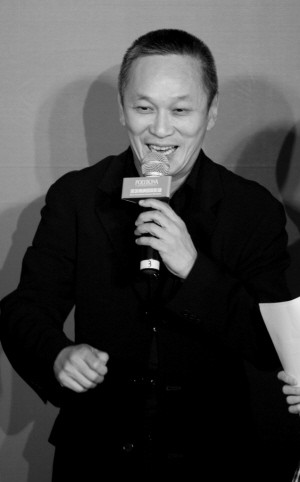
Bodyguards and Assassins, a film about a handful of ordinary people who give their lives to protect Sun Yat-sen from hired assassins, took Teddy Chen six years to make. The production fell apart several times: an epidemic, his mother's illness, the death of an investor, debts and the director's own severe depression. When the picture was finally released in 2009, it grossed nearly 300 million yuan in mainland China and won eight Hong Kong Film Awards, including the top prizes for Best Film and Best Director. Before that, Chen was known as a master of hard-edged action films who had ...
Bodyguards and Assassins, a film about a handful of ordinary people who give their lives to protect Sun Yat-sen from hired assassins, took Teddy Chen six years to make. The production fell apart several times: an epidemic, his mother's illness, the death of an investor, debts and the director's own severe depression. When the picture was finally released in 2009, it grossed nearly 300 million yuan in mainland China and won eight Hong Kong Film Awards, including the top prizes for Best Film and Best Director. Before that, Chen was known as a master of hard-edged action films who had ...
Bodyguards and Assassins, a film about a handful of ordinary people who give their lives to protect Sun Yat-sen from hired assassins, took Teddy Chen six years to make. The production fell apart several times: an epidemic, his mother's illness, the death of an investor, debts and the director's own severe depression. When the picture was finally released in 2009, it grossed nearly 300 million yuan in mainland China and won eight Hong Kong Film Awards, including the top prizes for Best Film and Best Director. Before that, Chen was known as a master of hard-edged action films who had ...

Shum Wai came to the big screen almost by accident, and at a moment when he had long since stopped thinking about it: he was over thirty, working at a law firm by day and shooting evenings for Johnny Mak in Long Arm of the Law. That role earned him a Hong Kong Film Award and cemented his villainous persona for years to come. Over the next two decades he played gangsters, smugglers and corrupt cops, tried his hand at directing, and spent the last twenty years of his life far from Hong Kong cinema, in Beijing.
Shum Wai came to the big screen almost by accident, and at a moment when he had long since stopped thinking about it: he was over thirty, working at a law firm by day and shooting evenings for Johnny Mak in Long Arm of the Law. That role earned him a Hong Kong Film Award and cemented his villainous persona for years to come. Over the next two decades he played gangsters, smugglers and corrupt cops, tried his hand at directing, and spent the last twenty years of his life far from Hong Kong cinema, in Beijing.
Shum Wai came to the big screen almost by accident, and at a moment when he had long since stopped thinking about it: he was over thirty, working at a law firm by day and shooting evenings for Johnny Mak in Long Arm of the Law. That role earned him a Hong Kong Film Award and cemented his villainous persona for years to come. Over the next two decades he played gangsters, smugglers and corrupt cops, tried his hand at directing, and spent the last twenty years of his life far from Hong Kong cinema, in Beijing.

Jay Chou is the most successful singer and songwriter in Chinese pop music of the early 2000s and a record-holder at Taiwan's Golden Melody Awards, but cinema is far more than a mere appendage to his songs. His very first major role, as the street racer Takumi in Initial D (2005), earned him Best Newcomer awards from both the Golden Horse Awards and the Hong Kong Film Awards; he has appeared in films by Zhang Yi-Mou and in Hollywood, and as a director he made the romantic drama Secret (2007), which became one of the most popular Taiwanese films of that year.
Jay Chou is the most successful singer and songwriter in Chinese pop music of the early 2000s and a record-holder at Taiwan's Golden Melody Awards, but cinema is far more than a mere appendage to his songs. His very first major role, as the street racer Takumi in Initial D (2005), earned him Best Newcomer awards from both the Golden Horse Awards and the Hong Kong Film Awards; he has appeared in films by Zhang Yi-Mou and in Hollywood, and as a director he made the romantic drama Secret (2007), which became one of the most popular Taiwanese films of that year.
Jay Chou is the most successful singer and songwriter in Chinese pop music of the early 2000s and a record-holder at Taiwan's Golden Melody Awards, but cinema is far more than a mere appendage to his songs. His very first major role, as the street racer Takumi in Initial D (2005), earned him Best Newcomer awards from both the Golden Horse Awards and the Hong Kong Film Awards; he has appeared in films by Zhang Yi-Mou and in Hollywood, and as a director he made the romantic drama Secret (2007), which became one of the most popular Taiwanese films of that year.

Maggie Siu has been acting on TVB and in films for more than forty years, and viewers have long called her the "uncrowned queen": she still has no Best Actress award from the network, even though her heroines have been remembered since the late 1980s. In the early 1990s she was one of Hong Kong's most popular TV actresses, and after a serious illness she managed to make a comeback and became Johnnie To's favourite supporting actress, while her romance with Ekin Cheng remains one of the most talked-about stories in Hong Kong show business.
Maggie Siu has been acting on TVB and in films for more than forty years, and viewers have long called her the "uncrowned queen": she still has no Best Actress award from the network, even though her heroines have been remembered since the late 1980s. In the early 1990s she was one of Hong Kong's most popular TV actresses, and after a serious illness she managed to make a comeback and became Johnnie To's favourite supporting actress, while her romance with Ekin Cheng remains one of the most talked-about stories in Hong Kong show business.
Maggie Siu has been acting on TVB and in films for more than forty years, and viewers have long called her the "uncrowned queen": she still has no Best Actress award from the network, even though her heroines have been remembered since the late 1980s. In the early 1990s she was one of Hong Kong's most popular TV actresses, and after a serious illness she managed to make a comeback and became Johnnie To's favourite supporting actress, while her romance with Ekin Cheng remains one of the most talked-about stories in Hong Kong show business.

Crystal Huang Yi became famous in her early twenties, playing the restless Xiao Yanzi in the third season of My Fair Princess 3, and then spent many years trying to prove she could do more — appearing in films by Stanley Kwan, Johnnie To and Herman Yau and winning an award at the Macau International Film Festival. Her personal life — two short marriages and a loud divorce — long overshadowed her work in the public eye, and after several years without roles she returned to the screen and in 2025 received a supporting actress award for A Gilded Game.
Crystal Huang Yi became famous in her early twenties, playing the restless Xiao Yanzi in the third season of My Fair Princess 3, and then spent many years trying to prove she could do more — appearing in films by Stanley Kwan, Johnnie To and Herman Yau and winning an award at the Macau International Film Festival. Her personal life — two short marriages and a loud divorce — long overshadowed her work in the public eye, and after several years without roles she returned to the screen and in 2025 received a supporting actress award for A Gilded Game.
Crystal Huang Yi became famous in her early twenties, playing the restless Xiao Yanzi in the third season of My Fair Princess 3, and then spent many years trying to prove she could do more — appearing in films by Stanley Kwan, Johnnie To and Herman Yau and winning an award at the Macau International Film Festival. Her personal life — two short marriages and a loud divorce — long overshadowed her work in the public eye, and after several years without roles she returned to the screen and in 2025 received a supporting actress award for A Gilded Game.

Michelle Yim passed through every Hong Kong television channel of her time: at CTV she became the first ever Huang Rong in Legend of the Condor Heroes, at RTV, the future ATV, she was the leading star for more than a decade, and at TVB, already past fifty, she played a villainess whom all of Hong Kong loved to hate and won the channel's top acting award for it. In 2026 she marked 55 years in the profession with a concert at which, according to press reports, she danced to youth hits at the age of seventy.
Michelle Yim passed through every Hong Kong television channel of her time: at CTV she became the first ever Huang Rong in Legend of the Condor Heroes, at RTV, the future ATV, she was the leading star for more than a decade, and at TVB, already past fifty, she played a villainess whom all of Hong Kong loved to hate and won the channel's top acting award for it. In 2026 she marked 55 years in the profession with a concert at which, according to press reports, she danced to youth hits at the age of seventy.
Michelle Yim passed through every Hong Kong television channel of her time: at CTV she became the first ever Huang Rong in Legend of the Condor Heroes, at RTV, the future ATV, she was the leading star for more than a decade, and at TVB, already past fifty, she played a villainess whom all of Hong Kong loved to hate and won the channel's top acting award for it. In 2026 she marked 55 years in the profession with a concert at which, according to press reports, she danced to youth hits at the age of seventy.

In the mid-1990s, a little monk named Shi Xiao-Long, the son of a master at a Shaolin wushu school, was one of the most famous child stars in Chinese cinema: together with a friend his own age, he tumbled and fought his way through Kevin Chu's family comedies, which were watched all across Asia. After growing up, Ashton Chen quit film for several years to study abroad, and on his return he managed to make the transition from child roles to adult ones – today he acts in action films and directs them himself.
In the mid-1990s, a little monk named Shi Xiao-Long, the son of a master at a Shaolin wushu school, was one of the most famous child stars in Chinese cinema: together with a friend his own age, he tumbled and fought his way through Kevin Chu's family comedies, which were watched all across Asia. After growing up, Ashton Chen quit film for several years to study abroad, and on his return he managed to make the transition from child roles to adult ones – today he acts in action films and directs them himself.
In the mid-1990s, a little monk named Shi Xiao-Long, the son of a master at a Shaolin wushu school, was one of the most famous child stars in Chinese cinema: together with a friend his own age, he tumbled and fought his way through Kevin Chu's family comedies, which were watched all across Asia. After growing up, Ashton Chen quit film for several years to study abroad, and on his return he managed to make the transition from child roles to adult ones – today he acts in action films and directs them himself.

Every TV viewer in Hong Kong knows the comedy actress Alvina Kong Yan-Yin: for nine years she made audiences laugh on the TVB evening show "Enjoy Yourself Tonight," where her Filipina maid Maria and her impressions of pop stars became genre classics, and afterwards she spent many years acting in the channel's dramas and sitcoms. Hers is a journey from a girl in a strict merchant family, who was forbidden even to enter a singing contest, to the "big sister of show business," as her colleagues nicknamed her.
Every TV viewer in Hong Kong knows the comedy actress Alvina Kong Yan-Yin: for nine years she made audiences laugh on the TVB evening show "Enjoy Yourself Tonight," where her Filipina maid Maria and her impressions of pop stars became genre classics, and afterwards she spent many years acting in the channel's dramas and sitcoms. Hers is a journey from a girl in a strict merchant family, who was forbidden even to enter a singing contest, to the "big sister of show business," as her colleagues nicknamed her.
Every TV viewer in Hong Kong knows the comedy actress Alvina Kong Yan-Yin: for nine years she made audiences laugh on the TVB evening show "Enjoy Yourself Tonight," where her Filipina maid Maria and her impressions of pop stars became genre classics, and afterwards she spent many years acting in the channel's dramas and sitcoms. Hers is a journey from a girl in a strict merchant family, who was forbidden even to enter a singing contest, to the "big sister of show business," as her colleagues nicknamed her.

The youngest son of Sammo Hung, Sammy Hung grew up in a family where martial arts cinema was the family trade, yet in his career he chose to make his way without his father's name. Tall and lean, he looks nothing like his famous father, and in films he is often cast as villains and fighters. Over more than twenty years he has appeared in films by Benny Chan, Dante Lam and Oxide Pang, played leading roles in several action movies, and became the star of a popular internet film.
The youngest son of Sammo Hung, Sammy Hung grew up in a family where martial arts cinema was the family trade, yet in his career he chose to make his way without his father's name. Tall and lean, he looks nothing like his famous father, and in films he is often cast as villains and fighters. Over more than twenty years he has appeared in films by Benny Chan, Dante Lam and Oxide Pang, played leading roles in several action movies, and became the star of a popular internet film.
The youngest son of Sammo Hung, Sammy Hung grew up in a family where martial arts cinema was the family trade, yet in his career he chose to make his way without his father's name. Tall and lean, he looks nothing like his famous father, and in films he is often cast as villains and fighters. Over more than twenty years he has appeared in films by Benny Chan, Dante Lam and Oxide Pang, played leading roles in several action movies, and became the star of a popular internet film.

Zhang Yi-Mou has twice reshaped the face of Chinese cinema. In the late 1980s, his Red Sorghum (1987) became the first Chinese film to win the top prize at a major international festival and introduced the world to the PRC's "fifth generation" of directors, while in the 2000s Hero (2002) launched the era of blockbusters in China. He was the first person in the world to stage the ceremonies for both the Summer and Winter Olympics, and in his eighth decade he is still making films that gross billions of yuan at the Chinese box office.
Zhang Yi-Mou has twice reshaped the face of Chinese cinema. In the late 1980s, his Red Sorghum (1987) became the first Chinese film to win the top prize at a major international festival and introduced the world to the PRC's "fifth generation" of directors, while in the 2000s Hero (2002) launched the era of blockbusters in China. He was the first person in the world to stage the ceremonies for both the Summer and Winter Olympics, and in his eighth decade he is still making films that gross billions of yuan at the Chinese box office.
Zhang Yi-Mou has twice reshaped the face of Chinese cinema. In the late 1980s, his Red Sorghum (1987) became the first Chinese film to win the top prize at a major international festival and introduced the world to the PRC's "fifth generation" of directors, while in the 2000s Hero (2002) launched the era of blockbusters in China. He was the first person in the world to stage the ceremonies for both the Summer and Winter Olympics, and in his eighth decade he is still making films that gross billions of yuan at the Chinese box office.

Niki Chow came to film from the modelling business and over twenty-five years has been a young star of Hong Kong romantic comedies, a lead in hit TVB series, a singer, and an actress in historical dramas on the mainland. Her career has known both resounding success and the mockery of critics, and in the 2020s, having become a mother, she vanished from screens for almost four years, only to return later in Hong Kong crime films.
Niki Chow came to film from the modelling business and over twenty-five years has been a young star of Hong Kong romantic comedies, a lead in hit TVB series, a singer, and an actress in historical dramas on the mainland. Her career has known both resounding success and the mockery of critics, and in the 2020s, having become a mother, she vanished from screens for almost four years, only to return later in Hong Kong crime films.
Niki Chow came to film from the modelling business and over twenty-five years has been a young star of Hong Kong romantic comedies, a lead in hit TVB series, a singer, and an actress in historical dramas on the mainland. Her career has known both resounding success and the mockery of critics, and in the 2020s, having become a mother, she vanished from screens for almost four years, only to return later in Hong Kong crime films.

Michelle Bai came to cinema through television competitions: one of the few winners of the high-profile actress search for the new The Dream of Red Mansions, she played Xue Baochai in it, and it was the princess from the series The Myth, with a single dance, that made her a star. Since then she has appeared extensively in period and contemporary series, while on the big screen she can be seen in films by Jiang Wen, Dante Lam, Jackie Chan and Ann Hui.
Michelle Bai came to cinema through television competitions: one of the few winners of the high-profile actress search for the new The Dream of Red Mansions, she played Xue Baochai in it, and it was the princess from the series The Myth, with a single dance, that made her a star. Since then she has appeared extensively in period and contemporary series, while on the big screen she can be seen in films by Jiang Wen, Dante Lam, Jackie Chan and Ann Hui.
Michelle Bai came to cinema through television competitions: one of the few winners of the high-profile actress search for the new The Dream of Red Mansions, she played Xue Baochai in it, and it was the princess from the series The Myth, with a single dance, that made her a star. Since then she has appeared extensively in period and contemporary series, while on the big screen she can be seen in films by Jiang Wen, Dante Lam, Jackie Chan and Ann Hui.

Ivy Chen never set out to become an actress: she was spotted while working part-time as a waitress, and her very first film role earned her a Best Newcomer award. Today she is one of the most recognizable Taiwanese actresses on both sides of the strait – a star of romantic comedies and youth dramas, a three-time Golden Horse nominee, and in 2026 Sunshine Women's Choir, in which she plays the lead, became the highest-grossing Taiwanese film in history.
Ivy Chen never set out to become an actress: she was spotted while working part-time as a waitress, and her very first film role earned her a Best Newcomer award. Today she is one of the most recognizable Taiwanese actresses on both sides of the strait – a star of romantic comedies and youth dramas, a three-time Golden Horse nominee, and in 2026 Sunshine Women's Choir, in which she plays the lead, became the highest-grossing Taiwanese film in history.
Ivy Chen never set out to become an actress: she was spotted while working part-time as a waitress, and her very first film role earned her a Best Newcomer award. Today she is one of the most recognizable Taiwanese actresses on both sides of the strait – a star of romantic comedies and youth dramas, a three-time Golden Horse nominee, and in 2026 Sunshine Women's Choir, in which she plays the lead, became the highest-grossing Taiwanese film in history.

Few people in the Chinese internet film industry work as much as Shi Xuan-Ru: over ten years she has played dozens of roles in fantasy, adventure and detective films for online platforms, from fox spirits and sorceresses to the concubine Daji and Empress Wu Zetian. A girl from a poor family, she got into film almost by chance, and for her resemblance to a famous star journalists nicknamed her "little Fan Bingbing."
Few people in the Chinese internet film industry work as much as Shi Xuan-Ru: over ten years she has played dozens of roles in fantasy, adventure and detective films for online platforms, from fox spirits and sorceresses to the concubine Daji and Empress Wu Zetian. A girl from a poor family, she got into film almost by chance, and for her resemblance to a famous star journalists nicknamed her "little Fan Bingbing."
Few people in the Chinese internet film industry work as much as Shi Xuan-Ru: over ten years she has played dozens of roles in fantasy, adventure and detective films for online platforms, from fox spirits and sorceresses to the concubine Daji and Empress Wu Zetian. A girl from a poor family, she got into film almost by chance, and for her resemblance to a famous star journalists nicknamed her "little Fan Bingbing."
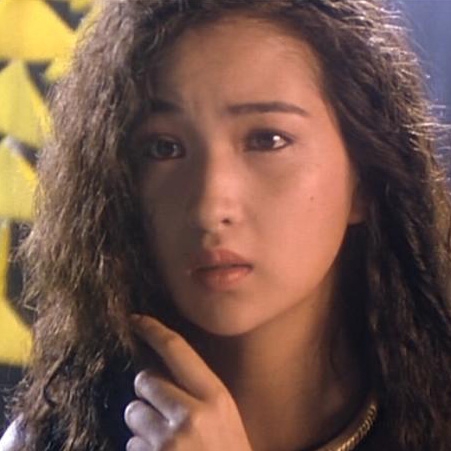
Chik King-Man entered films after a setback at the Miss Hong Kong pageant and over some fifteen years played nearly thirty roles, from silent beauties in the background to the lead in the erotic drama My Wife's Lover. Audiences remember her for bit parts in Stephen Chow's comedies and for the role of the scheming Sasa in Portland Street Blues. The Category III label never let her break through to stardom, and in 2007 she left the movies.
Chik King-Man entered films after a setback at the Miss Hong Kong pageant and over some fifteen years played nearly thirty roles, from silent beauties in the background to the lead in the erotic drama My Wife's Lover. Audiences remember her for bit parts in Stephen Chow's comedies and for the role of the scheming Sasa in Portland Street Blues. The Category III label never let her break through to stardom, and in 2007 she left the movies.
Chik King-Man entered films after a setback at the Miss Hong Kong pageant and over some fifteen years played nearly thirty roles, from silent beauties in the background to the lead in the erotic drama My Wife's Lover. Audiences remember her for bit parts in Stephen Chow's comedies and for the role of the scheming Sasa in Portland Street Blues. The Category III label never let her break through to stardom, and in 2007 she left the movies.

In Hong Kong, Ada Choi is remembered as the leading lady of TVB dramas at the turn of the 1990s and 2000s: at 25 she won the channel's award for Best Actress and remains its youngest ever recipient. Mainland China rediscovered her more than a decade later, when she played the calculating empress in Empresses in the Palace, while fans of Stephen Chow Sing-Chi's comedies know her as Princess Iron Fan from A Chinese Odyssey. Behind this success lie a difficult childhood, her mother's debts, and years when the public and the press regarded the young actress with anything but sympathy.
In Hong Kong, Ada Choi is remembered as the leading lady of TVB dramas at the turn of the 1990s and 2000s: at 25 she won the channel's award for Best Actress and remains its youngest ever recipient. Mainland China rediscovered her more than a decade later, when she played the calculating empress in Empresses in the Palace, while fans of Stephen Chow Sing-Chi's comedies know her as Princess Iron Fan from A Chinese Odyssey. Behind this success lie a difficult childhood, her mother's debts, and years when the public and the press regarded the young actress with anything but sympathy.
In Hong Kong, Ada Choi is remembered as the leading lady of TVB dramas at the turn of the 1990s and 2000s: at 25 she won the channel's award for Best Actress and remains its youngest ever recipient. Mainland China rediscovered her more than a decade later, when she played the calculating empress in Empresses in the Palace, while fans of Stephen Chow Sing-Chi's comedies know her as Princess Iron Fan from A Chinese Odyssey. Behind this success lie a difficult childhood, her mother's debts, and years when the public and the press regarded the young actress with anything but sympathy.

Taiwanese actor Lung Tien-Hsiang got his start in 1970s Taiwanese kung fu films, then became one of Chang Cheh's disciples — the "fifth generation" of his actors — and appeared in wuxia films for the Shaw Brothers studio. Returning to Taiwan in the mid-1980s, he moved into television and over four decades has appeared in dozens of series. In the 2020s he played the patriarch of a gangster clan in the Gatao films and was twice nominated for the Asian Television Awards.
Taiwanese actor Lung Tien-Hsiang got his start in 1970s Taiwanese kung fu films, then became one of Chang Cheh's disciples — the "fifth generation" of his actors — and appeared in wuxia films for the Shaw Brothers studio. Returning to Taiwan in the mid-1980s, he moved into television and over four decades has appeared in dozens of series. In the 2020s he played the patriarch of a gangster clan in the Gatao films and was twice nominated for the Asian Television Awards.
Taiwanese actor Lung Tien-Hsiang got his start in 1970s Taiwanese kung fu films, then became one of Chang Cheh's disciples — the "fifth generation" of his actors — and appeared in wuxia films for the Shaw Brothers studio. Returning to Taiwan in the mid-1980s, he moved into television and over four decades has appeared in dozens of series. In the 2020s he played the patriarch of a gangster clan in the Gatao films and was twice nominated for the Asian Television Awards.

Taiwanese actress Lisa Chiao Chiao made her mark on Hong Kong cinema history as the heroine of Chang Cheh's One-Armed Swordsman (1967), the first Chinese film to gross over a million Hong Kong dollars in Hong Kong. In the late 1960s and early 1970s she was one of the Shaw Brothers' leading ladies, and after the death of her first husband she stepped away from the screen for a long spell to work in dubbing. Returning as a mature character actress, she earned nominations for the Hong Kong Film Awards and the Golden Horse Awards, as well as a prize at the Changchun Film Festival for ...
Taiwanese actress Lisa Chiao Chiao made her mark on Hong Kong cinema history as the heroine of Chang Cheh's One-Armed Swordsman (1967), the first Chinese film to gross over a million Hong Kong dollars in Hong Kong. In the late 1960s and early 1970s she was one of the Shaw Brothers' leading ladies, and after the death of her first husband she stepped away from the screen for a long spell to work in dubbing. Returning as a mature character actress, she earned nominations for the Hong Kong Film Awards and the Golden Horse Awards, as well as a prize at the Changchun Film Festival for ...
Taiwanese actress Lisa Chiao Chiao made her mark on Hong Kong cinema history as the heroine of Chang Cheh's One-Armed Swordsman (1967), the first Chinese film to gross over a million Hong Kong dollars in Hong Kong. In the late 1960s and early 1970s she was one of the Shaw Brothers' leading ladies, and after the death of her first husband she stepped away from the screen for a long spell to work in dubbing. Returning as a mature character actress, she earned nominations for the Hong Kong Film Awards and the Golden Horse Awards, as well as a prize at the Changchun Film Festival for ...

Margaret Tu Chuan was a Shaw Brothers actress of the 1960s and a winner at the second Golden Horse Awards for her supporting role in the melodrama The Second Spring. Doe Ching's comedies and melodramas made her a star, and in the middle of the decade she appeared in Chang Cheh's early wuxia films opposite Jimmy Wang Yu. Her life was cut short at 27: in November 1969, the actress and her friend were found dead after taking sleeping pills.
Margaret Tu Chuan was a Shaw Brothers actress of the 1960s and a winner at the second Golden Horse Awards for her supporting role in the melodrama The Second Spring. Doe Ching's comedies and melodramas made her a star, and in the middle of the decade she appeared in Chang Cheh's early wuxia films opposite Jimmy Wang Yu. Her life was cut short at 27: in November 1969, the actress and her friend were found dead after taking sleeping pills.
Margaret Tu Chuan was a Shaw Brothers actress of the 1960s and a winner at the second Golden Horse Awards for her supporting role in the melodrama The Second Spring. Doe Ching's comedies and melodramas made her a star, and in the middle of the decade she appeared in Chang Cheh's early wuxia films opposite Jimmy Wang Yu. Her life was cut short at 27: in November 1969, the actress and her friend were found dead after taking sleeping pills.


