


Biographies

Wendy Zhang was eight years old when Aftershock hit the screens. She played a girl lying trapped under the rubble, hearing her mother beg the rescuers to pull out her brother first. Two years later, Zhang won a Hundred Flowers Award for that role, and by the age of twenty she herself played an older sister who, after their parents' death, has to decide what to do with her younger brother. Wo De Jie Jie earned her a Huabiao Award. Audiences grew used to calling Zhang a little sister, just as they called her characters that. Later she got to play both a figure skater obsessed with winning ...
Wendy Zhang was eight years old when Aftershock hit the screens. She played a girl lying trapped under the rubble, hearing her mother beg the rescuers to pull out her brother first. Two years later, Zhang won a Hundred Flowers Award for that role, and by the age of twenty she herself played an older sister who, after their parents' death, has to decide what to do with her younger brother. Wo De Jie Jie earned her a Huabiao Award. Audiences grew used to calling Zhang a little sister, just as they called her characters that. Later she got to play both a figure skater obsessed with winning ...
Wendy Zhang was eight years old when Aftershock hit the screens. She played a girl lying trapped under the rubble, hearing her mother beg the rescuers to pull out her brother first. Two years later, Zhang won a Hundred Flowers Award for that role, and by the age of twenty she herself played an older sister who, after their parents' death, has to decide what to do with her younger brother. Wo De Jie Jie earned her a Huabiao Award. Audiences grew used to calling Zhang a little sister, just as they called her characters that. Later she got to play both a figure skater obsessed with winning ...

In Taiwan, Wu Kang-Ren first became known for melodramas, while his first Golden Bell Awards came for roles as an insurance agent and a military pilot. Later, in the series The World Between Us, he played a lawyer who takes on the defense of a mass murderer, and in Light the Night he was Baobao, the owner of a nightclub. Wu won the Golden Horse for the Malaysian drama Abang Adik, in which he played a deaf market worker in Kuala Lumpur. In that film, Wu conveys almost everything through sign language. He and the director kept reworking the four-minute monologue in sign language right up ...
In Taiwan, Wu Kang-Ren first became known for melodramas, while his first Golden Bell Awards came for roles as an insurance agent and a military pilot. Later, in the series The World Between Us, he played a lawyer who takes on the defense of a mass murderer, and in Light the Night he was Baobao, the owner of a nightclub. Wu won the Golden Horse for the Malaysian drama Abang Adik, in which he played a deaf market worker in Kuala Lumpur. In that film, Wu conveys almost everything through sign language. He and the director kept reworking the four-minute monologue in sign language right up ...
In Taiwan, Wu Kang-Ren first became known for melodramas, while his first Golden Bell Awards came for roles as an insurance agent and a military pilot. Later, in the series The World Between Us, he played a lawyer who takes on the defense of a mass murderer, and in Light the Night he was Baobao, the owner of a nightclub. Wu won the Golden Horse for the Malaysian drama Abang Adik, in which he played a deaf market worker in Kuala Lumpur. In that film, Wu conveys almost everything through sign language. He and the director kept reworking the four-minute monologue in sign language right up ...

William Chan came to television from dance, starting out in a children's show. His first notable film roles were of a very different kind. In Triad he played a young Hong Kong gangster, in As the Light Goes Out a rookie firefighter. Then Swords of Legends and The Mystic Nine made him a star of mainland series. Years later, Chan returned to Hong Kong police stories. In the series See Her Again, he was especially drawn to the chance to play a father and at the same time to see the city as he remembered it from childhood.
William Chan came to television from dance, starting out in a children's show. His first notable film roles were of a very different kind. In Triad he played a young Hong Kong gangster, in As the Light Goes Out a rookie firefighter. Then Swords of Legends and The Mystic Nine made him a star of mainland series. Years later, Chan returned to Hong Kong police stories. In the series See Her Again, he was especially drawn to the chance to play a father and at the same time to see the city as he remembered it from childhood.
William Chan came to television from dance, starting out in a children's show. His first notable film roles were of a very different kind. In Triad he played a young Hong Kong gangster, in As the Light Goes Out a rookie firefighter. Then Swords of Legends and The Mystic Nine made him a star of mainland series. Years later, Chan returned to Hong Kong police stories. In the series See Her Again, he was especially drawn to the chance to play a father and at the same time to see the city as he remembered it from childhood.

For a long time, Taiwanese audiences called Wilson Chen "Da Ren" after his character in the series In Time With You. Chen played the patient friend who hides his love for years so convincingly that the image of the ideal suitor stuck to him for a long time. In films, however, he happily played people no one would trust at first sight. In Treat or Trick he played a corrupt cop, and in Dead Talents Society he became an agent from the afterlife who decided to turn a timid ghost into a star.
For a long time, Taiwanese audiences called Wilson Chen "Da Ren" after his character in the series In Time With You. Chen played the patient friend who hides his love for years so convincingly that the image of the ideal suitor stuck to him for a long time. In films, however, he happily played people no one would trust at first sight. In Treat or Trick he played a corrupt cop, and in Dead Talents Society he became an agent from the afterlife who decided to turn a timid ghost into a star.
For a long time, Taiwanese audiences called Wilson Chen "Da Ren" after his character in the series In Time With You. Chen played the patient friend who hides his love for years so convincingly that the image of the ideal suitor stuck to him for a long time. In films, however, he happily played people no one would trust at first sight. In Treat or Trick he played a corrupt cop, and in Dead Talents Society he became an agent from the afterlife who decided to turn a timid ghost into a star.

By the time of his first screen roles, Wu Yue had already competed in wushu tournaments and graduated from the Central Academy of Drama. In early TV series he played Chen Zhen and Sun Wu-Kong, while Wilson Yip cast him in the action film Paradox and entrusted him with the role of a tai chi master in Ip Man 4. All the while, Wu Yue kept working in the theatre. In The Big House he lived through his character's life on stage in a single evening, from youth to deep old age, and in the stage version of Parasite he played the father of the Kim family.
By the time of his first screen roles, Wu Yue had already competed in wushu tournaments and graduated from the Central Academy of Drama. In early TV series he played Chen Zhen and Sun Wu-Kong, while Wilson Yip cast him in the action film Paradox and entrusted him with the role of a tai chi master in Ip Man 4. All the while, Wu Yue kept working in the theatre. In The Big House he lived through his character's life on stage in a single evening, from youth to deep old age, and in the stage version of Parasite he played the father of the Kim family.
By the time of his first screen roles, Wu Yue had already competed in wushu tournaments and graduated from the Central Academy of Drama. In early TV series he played Chen Zhen and Sun Wu-Kong, while Wilson Yip cast him in the action film Paradox and entrusted him with the role of a tai chi master in Ip Man 4. All the while, Wu Yue kept working in the theatre. In The Big House he lived through his character's life on stage in a single evening, from youth to deep old age, and in the stage version of Parasite he played the father of the Kim family.

Wellson Chin is a director whom Hong Kong audiences know by title rather than by name. His comedy The Inspector Wears Skirts, about an all-female police squad, became a hit in the late 1980s and spawned a whole series, while in the 1990s he made a cycle of inexpensive but inventive horror films named after dates in the Chinese calendar, from Thou Shalt Not Swear to July 13th. He came up through Sammo Hung's stunt team, and in the 2000s he became Stephen Chow's right-hand man on Kung Fu Hustle.
Wellson Chin is a director whom Hong Kong audiences know by title rather than by name. His comedy The Inspector Wears Skirts, about an all-female police squad, became a hit in the late 1980s and spawned a whole series, while in the 1990s he made a cycle of inexpensive but inventive horror films named after dates in the Chinese calendar, from Thou Shalt Not Swear to July 13th. He came up through Sammo Hung's stunt team, and in the 2000s he became Stephen Chow's right-hand man on Kung Fu Hustle.
Wellson Chin is a director whom Hong Kong audiences know by title rather than by name. His comedy The Inspector Wears Skirts, about an all-female police squad, became a hit in the late 1980s and spawned a whole series, while in the 1990s he made a cycle of inexpensive but inventive horror films named after dates in the Chinese calendar, from Thou Shalt Not Swear to July 13th. He came up through Sammo Hung's stunt team, and in the 2000s he became Stephen Chow's right-hand man on Kung Fu Hustle.

William Ho started out behind the scenes — as an assistant director and production manager for Hong Kong New Wave directors — and found fame as an actor playing an inmate in Ringo Lam's prison drama Prison on Fire. That role earned him a Hong Kong Film Awards nomination, and he went on to spend two decades as one of the most recognizable screen villains in Hong Kong cinema, appearing in nearly 150 films — from Tsui Hark blockbusters to low-budget Category III pictures.
William Ho started out behind the scenes — as an assistant director and production manager for Hong Kong New Wave directors — and found fame as an actor playing an inmate in Ringo Lam's prison drama Prison on Fire. That role earned him a Hong Kong Film Awards nomination, and he went on to spend two decades as one of the most recognizable screen villains in Hong Kong cinema, appearing in nearly 150 films — from Tsui Hark blockbusters to low-budget Category III pictures.
William Ho started out behind the scenes — as an assistant director and production manager for Hong Kong New Wave directors — and found fame as an actor playing an inmate in Ringo Lam's prison drama Prison on Fire. That role earned him a Hong Kong Film Awards nomination, and he went on to spend two decades as one of the most recognizable screen villains in Hong Kong cinema, appearing in nearly 150 films — from Tsui Hark blockbusters to low-budget Category III pictures.

Wu Fung is a living history of Hong Kong cinema. He started out in the 1950s as a romantic lead in Cantonese melodramas, became one of the most popular comedy actors of the 1960s and earned the nickname "Prince" of Cantonese cinema, then spent nearly half a century playing fathers, grandfathers and wealthy patriarchs in films and TVB series. Over more than seven decades in the profession he amassed several hundred credits, and he gave his most recent concert to date at the age of 94, landing in the Guinness Book of Records. His stage name 楓 means "maple" – a tree that, as they say in Hong ...
Wu Fung is a living history of Hong Kong cinema. He started out in the 1950s as a romantic lead in Cantonese melodramas, became one of the most popular comedy actors of the 1960s and earned the nickname "Prince" of Cantonese cinema, then spent nearly half a century playing fathers, grandfathers and wealthy patriarchs in films and TVB series. Over more than seven decades in the profession he amassed several hundred credits, and he gave his most recent concert to date at the age of 94, landing in the Guinness Book of Records. His stage name 楓 means "maple" – a tree that, as they say in Hong ...
Wu Fung is a living history of Hong Kong cinema. He started out in the 1950s as a romantic lead in Cantonese melodramas, became one of the most popular comedy actors of the 1960s and earned the nickname "Prince" of Cantonese cinema, then spent nearly half a century playing fathers, grandfathers and wealthy patriarchs in films and TVB series. Over more than seven decades in the profession he amassed several hundred credits, and he gave his most recent concert to date at the age of 94, landing in the Guinness Book of Records. His stage name 楓 means "maple" – a tree that, as they say in Hong ...

A director who went from low-budget horror to international hits, Wilson Yip entered the history of Hong Kong cinema above all as the creator of the Ip Man series. Four films about the legendary Wing Chun master, with Donnie Yen in the lead role, made martial arts the pride of Hong Kong cinema once again, and the first of them won the Hong Kong Film Award for Best Film. Before that, Yip had made his name with the crime thrillers SPL and Flash Point, the cult horror comedy Bio Zombie and the drama Bullets Over Summer, and in the 2020s he became a producer on the successful films of his ...
A director who went from low-budget horror to international hits, Wilson Yip entered the history of Hong Kong cinema above all as the creator of the Ip Man series. Four films about the legendary Wing Chun master, with Donnie Yen in the lead role, made martial arts the pride of Hong Kong cinema once again, and the first of them won the Hong Kong Film Award for Best Film. Before that, Yip had made his name with the crime thrillers SPL and Flash Point, the cult horror comedy Bio Zombie and the drama Bullets Over Summer, and in the 2020s he became a producer on the successful films of his ...
A director who went from low-budget horror to international hits, Wilson Yip entered the history of Hong Kong cinema above all as the creator of the Ip Man series. Four films about the legendary Wing Chun master, with Donnie Yen in the lead role, made martial arts the pride of Hong Kong cinema once again, and the first of them won the Hong Kong Film Award for Best Film. Before that, Yip had made his name with the crime thrillers SPL and Flash Point, the cult horror comedy Bio Zombie and the drama Bullets Over Summer, and in the 2020s he became a producer on the successful films of his ...

A stuntman, action choreographer, actor and director, Wilson Tong came up through the entire "school" of 1970s Hong Kong kung fu cinema: he was a fighter in Sammo Hung Kam-Bo's and Lau Kar-Leung's stunt teams, worked on the shoots of Enter the Dragon and The 36th Chamber of Shaolin, and then became an action choreographer and director of independent kung fu films. For his lightning-fast kicks, genre fans nicknamed him "Dr. Legs." Over more than forty years in film, he has around a hundred credits to his name – from classic kung fu actioners to comedic horror and police thrillers.
A stuntman, action choreographer, actor and director, Wilson Tong came up through the entire "school" of 1970s Hong Kong kung fu cinema: he was a fighter in Sammo Hung Kam-Bo's and Lau Kar-Leung's stunt teams, worked on the shoots of Enter the Dragon and The 36th Chamber of Shaolin, and then became an action choreographer and director of independent kung fu films. For his lightning-fast kicks, genre fans nicknamed him "Dr. Legs." Over more than forty years in film, he has around a hundred credits to his name – from classic kung fu actioners to comedic horror and police thrillers.
A stuntman, action choreographer, actor and director, Wilson Tong came up through the entire "school" of 1970s Hong Kong kung fu cinema: he was a fighter in Sammo Hung Kam-Bo's and Lau Kar-Leung's stunt teams, worked on the shoots of Enter the Dragon and The 36th Chamber of Shaolin, and then became an action choreographer and director of independent kung fu films. For his lightning-fast kicks, genre fans nicknamed him "Dr. Legs." Over more than forty years in film, he has around a hundred credits to his name – from classic kung fu actioners to comedic horror and police thrillers.

A Shanghai native who spent over a decade playing princes and second leads in historical dramas, William Feng (Feng Shao-Feng) woke up famous after his role as the Eighth Prince in the time-travel hit Palace. He went on to play Xiang Yu for Daniel Lee, Yuchi Zhenjin in Tsui Hark's Detective Dee, the writer Xiao Jun for Ann Hui, the monk Xuanzang in The Monkey King, and Gu Tingye in the series The Story Of Ming Lan, while his work in Jean-Jacques Annaud's Franco-Chinese film Wolf Totem earned him a Hundred Flowers Award. In 2026 he played the famed detective Di Renjie in the series The ...
A Shanghai native who spent over a decade playing princes and second leads in historical dramas, William Feng (Feng Shao-Feng) woke up famous after his role as the Eighth Prince in the time-travel hit Palace. He went on to play Xiang Yu for Daniel Lee, Yuchi Zhenjin in Tsui Hark's Detective Dee, the writer Xiao Jun for Ann Hui, the monk Xuanzang in The Monkey King, and Gu Tingye in the series The Story Of Ming Lan, while his work in Jean-Jacques Annaud's Franco-Chinese film Wolf Totem earned him a Hundred Flowers Award. In 2026 he played the famed detective Di Renjie in the series The ...
A Shanghai native who spent over a decade playing princes and second leads in historical dramas, William Feng (Feng Shao-Feng) woke up famous after his role as the Eighth Prince in the time-travel hit Palace. He went on to play Xiang Yu for Daniel Lee, Yuchi Zhenjin in Tsui Hark's Detective Dee, the writer Xiao Jun for Ann Hui, the monk Xuanzang in The Monkey King, and Gu Tingye in the series The Story Of Ming Lan, while his work in Jean-Jacques Annaud's Franco-Chinese film Wolf Totem earned him a Hundred Flowers Award. In 2026 he played the famed detective Di Renjie in the series The ...

Walter Tso was one of the legends of Cantonese cinema, the "iron man of the silver screen" and, as he was known, the "professional hero." Over seven decades in film he played, by various counts, anywhere from three hundred to seven hundred roles, around two hundred of them in wuxia films. He was Leung Foon, Wong Fei-Hung's senior disciple, in dozens of films in the famous cycle starring Kwan Tak-Hing, the first Guo Jing in the Cantonese adaptation of Jin Yong's novel, the hero of Buddha's Palm, and in the 1960s also a detective, which earned him the nickname "Inspector Wa." To a new ...
Walter Tso was one of the legends of Cantonese cinema, the "iron man of the silver screen" and, as he was known, the "professional hero." Over seven decades in film he played, by various counts, anywhere from three hundred to seven hundred roles, around two hundred of them in wuxia films. He was Leung Foon, Wong Fei-Hung's senior disciple, in dozens of films in the famous cycle starring Kwan Tak-Hing, the first Guo Jing in the Cantonese adaptation of Jin Yong's novel, the hero of Buddha's Palm, and in the 1960s also a detective, which earned him the nickname "Inspector Wa." To a new ...
Walter Tso was one of the legends of Cantonese cinema, the "iron man of the silver screen" and, as he was known, the "professional hero." Over seven decades in film he played, by various counts, anywhere from three hundred to seven hundred roles, around two hundred of them in wuxia films. He was Leung Foon, Wong Fei-Hung's senior disciple, in dozens of films in the famous cycle starring Kwan Tak-Hing, the first Guo Jing in the Cantonese adaptation of Jin Yong's novel, the hero of Buddha's Palm, and in the 1960s also a detective, which earned him the nickname "Inspector Wa." To a new ...
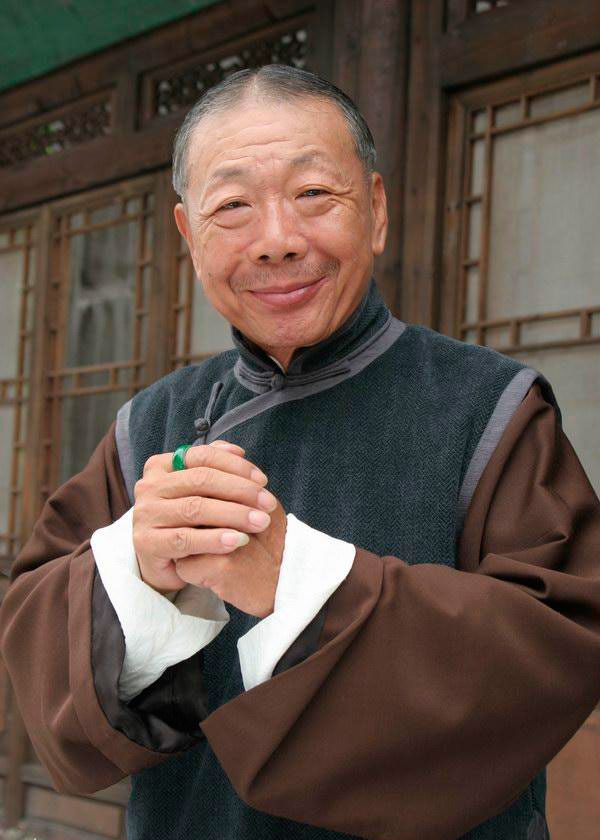
In 1980s Hong Kong cinema it would be hard to find a more ubiquitous actor than Wu Ma. Slim, smiling, with a sly squint, he turned up in seemingly every other film — now as a comic uncle, now as a policeman, now as a Taoist sorcerer — and audiences, without knowing his name, recognized him by sight. Yet few of them suspected that this perpetual supporting player was also an experienced director who made nearly fifty pictures, a disciple of Chang Cheh and a longtime comrade-in-arms of Sammo Hung. He never became a star in the usual sense, but one of his roles — the demon hunter Yin Chik-Ha ...
In 1980s Hong Kong cinema it would be hard to find a more ubiquitous actor than Wu Ma. Slim, smiling, with a sly squint, he turned up in seemingly every other film — now as a comic uncle, now as a policeman, now as a Taoist sorcerer — and audiences, without knowing his name, recognized him by sight. Yet few of them suspected that this perpetual supporting player was also an experienced director who made nearly fifty pictures, a disciple of Chang Cheh and a longtime comrade-in-arms of Sammo Hung. He never became a star in the usual sense, but one of his roles — the demon hunter Yin Chik-Ha ...
In 1980s Hong Kong cinema it would be hard to find a more ubiquitous actor than Wu Ma. Slim, smiling, with a sly squint, he turned up in seemingly every other film — now as a comic uncle, now as a policeman, now as a Taoist sorcerer — and audiences, without knowing his name, recognized him by sight. Yet few of them suspected that this perpetual supporting player was also an experienced director who made nearly fifty pictures, a disciple of Chang Cheh and a longtime comrade-in-arms of Sammo Hung. He never became a star in the usual sense, but one of his roles — the demon hunter Yin Chik-Ha ...

For millions of Chinese viewers, Wu Gang will forever remain "Secretary Da Kang" – the fierce and uncompromising Party boss from the series In the Name of People, whose intonations and mannerisms instantly spread across the internet. But behind this late fame lie three decades on the stage of the Beijing People's Art Theatre, a Golden Rooster for Iron Men, and dozens of supporting roles – from the eunuch Chen Pingping in the fantasy Joy of Life to a veteran in the action film Wolf Warriors 2. Even after becoming famous, he called himself "a newcomer to film and television."
For millions of Chinese viewers, Wu Gang will forever remain "Secretary Da Kang" – the fierce and uncompromising Party boss from the series In the Name of People, whose intonations and mannerisms instantly spread across the internet. But behind this late fame lie three decades on the stage of the Beijing People's Art Theatre, a Golden Rooster for Iron Men, and dozens of supporting roles – from the eunuch Chen Pingping in the fantasy Joy of Life to a veteran in the action film Wolf Warriors 2. Even after becoming famous, he called himself "a newcomer to film and television."
For millions of Chinese viewers, Wu Gang will forever remain "Secretary Da Kang" – the fierce and uncompromising Party boss from the series In the Name of People, whose intonations and mannerisms instantly spread across the internet. But behind this late fame lie three decades on the stage of the Beijing People's Art Theatre, a Golden Rooster for Iron Men, and dozens of supporting roles – from the eunuch Chen Pingping in the fantasy Joy of Life to a veteran in the action film Wolf Warriors 2. Even after becoming famous, he called himself "a newcomer to film and television."


