


Biographies

At an audition for a film that was supposed to be released in theaters, the director looked at Rachel Liu Jing-Yi's résumé and said he hadn't even seen many of her works. "I haven't seen yours either," she replied, as she later recounted. By that time, Liu had already played the lead in three parts of Poker Queen. Her character, an undercover agent, was equally at home at the card table and in a fight. Liu entered the profession just as Chinese video services were first venturing into feature-length films. Web films gave her work and an audience, and along the way a reputation that has ...
At an audition for a film that was supposed to be released in theaters, the director looked at Rachel Liu Jing-Yi's résumé and said he hadn't even seen many of her works. "I haven't seen yours either," she replied, as she later recounted. By that time, Liu had already played the lead in three parts of Poker Queen. Her character, an undercover agent, was equally at home at the card table and in a fight. Liu entered the profession just as Chinese video services were first venturing into feature-length films. Web films gave her work and an audience, and along the way a reputation that has ...
At an audition for a film that was supposed to be released in theaters, the director looked at Rachel Liu Jing-Yi's résumé and said he hadn't even seen many of her works. "I haven't seen yours either," she replied, as she later recounted. By that time, Liu had already played the lead in three parts of Poker Queen. Her character, an undercover agent, was equally at home at the card table and in a fight. Liu entered the profession just as Chinese video services were first venturing into feature-length films. Web films gave her work and an audience, and along the way a reputation that has ...
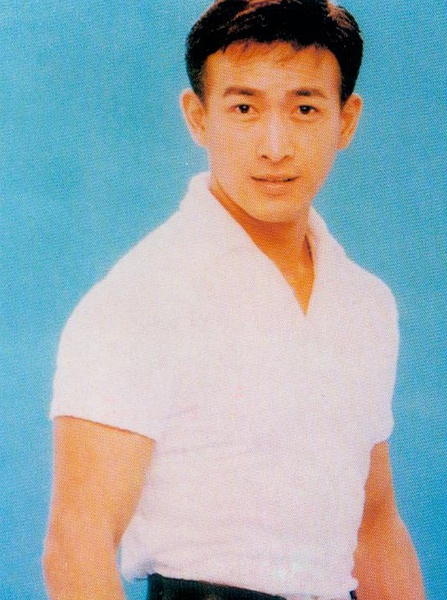
In the late 1970s, Robert Mak rose to fame in Hong Kong as a disco dancer. He wove high kicks and splits into his dancing, and at the Shaw Brothers studio, where he started as an extra, there was work for him in both musical comedy and kung fu films. In One Way Only he played a mechanic's apprentice obsessed with motorcycle racing, and in Martial Club he was the cocky friend of Wong Fei-Hung. Later Mak worked extensively in Taiwanese television, and as roles grew scarcer he appeared more and more often on stage, eventually opening a singing and dance school together with Lau Lai-Ping.
In the late 1970s, Robert Mak rose to fame in Hong Kong as a disco dancer. He wove high kicks and splits into his dancing, and at the Shaw Brothers studio, where he started as an extra, there was work for him in both musical comedy and kung fu films. In One Way Only he played a mechanic's apprentice obsessed with motorcycle racing, and in Martial Club he was the cocky friend of Wong Fei-Hung. Later Mak worked extensively in Taiwanese television, and as roles grew scarcer he appeared more and more often on stage, eventually opening a singing and dance school together with Lau Lai-Ping.
In the late 1970s, Robert Mak rose to fame in Hong Kong as a disco dancer. He wove high kicks and splits into his dancing, and at the Shaw Brothers studio, where he started as an extra, there was work for him in both musical comedy and kung fu films. In One Way Only he played a mechanic's apprentice obsessed with motorcycle racing, and in Martial Club he was the cocky friend of Wong Fei-Hung. Later Mak worked extensively in Taiwanese television, and as roles grew scarcer he appeared more and more often on stage, eventually opening a singing and dance school together with Lau Lai-Ping.

Hong Kong audiences called Roger Kwok "Ah Wong" for years. In Square Pegs he played a grown man who, after an injury, speaks and behaves like a child. In Life Made Simple, the simple-minded Ah Wong found himself in modern-day Hong Kong. Both roles earned Kwok TVB's top acting award. He received the first one seventeen years after his debut on the channel. The third prize was given to him for his role as a lawyer in the series Black Heart White Soul. That man had the same likable face as Ah Wong, and entirely different intentions.
Hong Kong audiences called Roger Kwok "Ah Wong" for years. In Square Pegs he played a grown man who, after an injury, speaks and behaves like a child. In Life Made Simple, the simple-minded Ah Wong found himself in modern-day Hong Kong. Both roles earned Kwok TVB's top acting award. He received the first one seventeen years after his debut on the channel. The third prize was given to him for his role as a lawyer in the series Black Heart White Soul. That man had the same likable face as Ah Wong, and entirely different intentions.
Hong Kong audiences called Roger Kwok "Ah Wong" for years. In Square Pegs he played a grown man who, after an injury, speaks and behaves like a child. In Life Made Simple, the simple-minded Ah Wong found himself in modern-day Hong Kong. Both roles earned Kwok TVB's top acting award. He received the first one seventeen years after his debut on the channel. The third prize was given to him for his role as a lawyer in the series Black Heart White Soul. That man had the same likable face as Ah Wong, and entirely different intentions.

Many of the songs Rainie Yang performs in concert were first heard by audiences in Taiwanese dramas. "Ambiguity," one of her best-known songs, played over the closing credits of Devil Beside You, in which Yang played a lovestruck student. In Spider Lilies she played a girl who makes a living performing in front of a webcam and falls in love with a tattoo artist, while in The Tag-Along 2 she played a social worker searching for a missing daughter and turning to the girl's boyfriend for help.
Many of the songs Rainie Yang performs in concert were first heard by audiences in Taiwanese dramas. "Ambiguity," one of her best-known songs, played over the closing credits of Devil Beside You, in which Yang played a lovestruck student. In Spider Lilies she played a girl who makes a living performing in front of a webcam and falls in love with a tattoo artist, while in The Tag-Along 2 she played a social worker searching for a missing daughter and turning to the girl's boyfriend for help.
Many of the songs Rainie Yang performs in concert were first heard by audiences in Taiwanese dramas. "Ambiguity," one of her best-known songs, played over the closing credits of Devil Beside You, in which Yang played a lovestruck student. In Spider Lilies she played a girl who makes a living performing in front of a webcam and falls in love with a tattoo artist, while in The Tag-Along 2 she played a social worker searching for a missing daughter and turning to the girl's boyfriend for help.

In In the Mood for Love, Rebecca Pan plays Mrs. Suen, who rents a room to the heroine and, like a neighbour, scolds her for coming home late. The same film features "Bengawan Solo", an Indonesian song that Pan had recorded in English long before she ever met Wong Kar-Wai. By the time the director began putting her in his films, she had already performed in Europe and America, recorded in London and staged a White Snake musical in Hong Kong. And the Shanghai inflections that Wong sought for his heroines, Pan had kept since childhood.
In In the Mood for Love, Rebecca Pan plays Mrs. Suen, who rents a room to the heroine and, like a neighbour, scolds her for coming home late. The same film features "Bengawan Solo", an Indonesian song that Pan had recorded in English long before she ever met Wong Kar-Wai. By the time the director began putting her in his films, she had already performed in Europe and America, recorded in London and staged a White Snake musical in Hong Kong. And the Shanghai inflections that Wong sought for his heroines, Pan had kept since childhood.
In In the Mood for Love, Rebecca Pan plays Mrs. Suen, who rents a room to the heroine and, like a neighbour, scolds her for coming home late. The same film features "Bengawan Solo", an Indonesian song that Pan had recorded in English long before she ever met Wong Kar-Wai. By the time the director began putting her in his films, she had already performed in Europe and America, recorded in London and staged a White Snake musical in Hong Kong. And the Shanghai inflections that Wong sought for his heroines, Pan had kept since childhood.

Ronny Yu saw The Bride with White Hair first and foremost as a love story. In Hollywood, that film earned him an offer to continue the Chucky doll series. For Yu, who had already made both police thrillers and ghost comedies in Hong Kong, this was a perfectly natural turn. Later he returned to Chinese cinema with Fearless, in which Jet Li played the kung fu master Huo Yuan-Jia. Yu himself said that when choosing a script, the first thing he asked himself was whether he would buy a ticket to such a film.
Ronny Yu saw The Bride with White Hair first and foremost as a love story. In Hollywood, that film earned him an offer to continue the Chucky doll series. For Yu, who had already made both police thrillers and ghost comedies in Hong Kong, this was a perfectly natural turn. Later he returned to Chinese cinema with Fearless, in which Jet Li played the kung fu master Huo Yuan-Jia. Yu himself said that when choosing a script, the first thing he asked himself was whether he would buy a ticket to such a film.
Ronny Yu saw The Bride with White Hair first and foremost as a love story. In Hollywood, that film earned him an offer to continue the Chucky doll series. For Yu, who had already made both police thrillers and ghost comedies in Hong Kong, this was a perfectly natural turn. Later he returned to Chinese cinema with Fearless, in which Jet Li played the kung fu master Huo Yuan-Jia. Yu himself said that when choosing a script, the first thing he asked himself was whether he would buy a ticket to such a film.

In Mr. Vampire, Ricky Lau's Taoist priest battles the undead with sticky rice and paper talismans, while his disciples manage to botch things even when all they have to do is stand still and hold their breath. After this film, hopping corpse movies became all the rage in Hong Kong and Taiwan for several years, and Lam Ching-Ying became the most recognizable ghost hunter in Hong Kong cinema. By that time, Lau had spent many years as a cinematographer for Sammo Hung and knew the mechanics of kung fu comedy inside out. He returned to tales of the supernatural thirty years later, by then ...
In Mr. Vampire, Ricky Lau's Taoist priest battles the undead with sticky rice and paper talismans, while his disciples manage to botch things even when all they have to do is stand still and hold their breath. After this film, hopping corpse movies became all the rage in Hong Kong and Taiwan for several years, and Lam Ching-Ying became the most recognizable ghost hunter in Hong Kong cinema. By that time, Lau had spent many years as a cinematographer for Sammo Hung and knew the mechanics of kung fu comedy inside out. He returned to tales of the supernatural thirty years later, by then ...
In Mr. Vampire, Ricky Lau's Taoist priest battles the undead with sticky rice and paper talismans, while his disciples manage to botch things even when all they have to do is stand still and hold their breath. After this film, hopping corpse movies became all the rage in Hong Kong and Taiwan for several years, and Lam Ching-Ying became the most recognizable ghost hunter in Hong Kong cinema. By that time, Lau had spent many years as a cinematographer for Sammo Hung and knew the mechanics of kung fu comedy inside out. He returned to tales of the supernatural thirty years later, by then ...

Ruby Lin shot to fame in her early twenties as the well-bred, gentle Ziwei in My Fair Princess. It was an image she spent years trying to shed. Lin founded her own studio and took on the stories she herself wanted to see on screen. In the series The Way We Were, she played one of five friends from Taipei whose story spans sixteen years. For Light the Night, Lin and her team recreated the nightlife district of late-1980s Taipei. She herself played the hostess of a Japanese bar there, a woman who can stand up for herself and sometimes comes to the aid of people she has long been angry ...
Ruby Lin shot to fame in her early twenties as the well-bred, gentle Ziwei in My Fair Princess. It was an image she spent years trying to shed. Lin founded her own studio and took on the stories she herself wanted to see on screen. In the series The Way We Were, she played one of five friends from Taipei whose story spans sixteen years. For Light the Night, Lin and her team recreated the nightlife district of late-1980s Taipei. She herself played the hostess of a Japanese bar there, a woman who can stand up for herself and sometimes comes to the aid of people she has long been angry ...
Ruby Lin shot to fame in her early twenties as the well-bred, gentle Ziwei in My Fair Princess. It was an image she spent years trying to shed. Lin founded her own studio and took on the stories she herself wanted to see on screen. In the series The Way We Were, she played one of five friends from Taipei whose story spans sixteen years. For Light the Night, Lin and her team recreated the nightlife district of late-1980s Taipei. She herself played the hostess of a Japanese bar there, a woman who can stand up for herself and sometimes comes to the aid of people she has long been angry ...
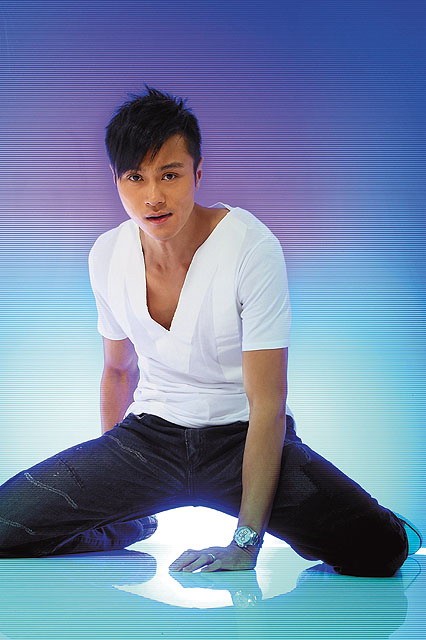
Raymond Wong's first roles came courtesy of Johnnie To, while mainstream audiences remembered him from the police comedy Love Undercover. He was well suited to playing young men who know the impression they make and are happy to exploit it. In the Hong Kong cinema of the early 2000s, Wong moved easily from such comedies to crime dramas. In the end, television gave him the most opportunities. At TVB, Wong played a shy merchant's son in Can't Buy Me Love, a boxer in Gloves Come Off and a forensic expert in Forensic Heroes IV, and when he began appearing regularly in films again, he agreed ...
Raymond Wong's first roles came courtesy of Johnnie To, while mainstream audiences remembered him from the police comedy Love Undercover. He was well suited to playing young men who know the impression they make and are happy to exploit it. In the Hong Kong cinema of the early 2000s, Wong moved easily from such comedies to crime dramas. In the end, television gave him the most opportunities. At TVB, Wong played a shy merchant's son in Can't Buy Me Love, a boxer in Gloves Come Off and a forensic expert in Forensic Heroes IV, and when he began appearing regularly in films again, he agreed ...
Raymond Wong's first roles came courtesy of Johnnie To, while mainstream audiences remembered him from the police comedy Love Undercover. He was well suited to playing young men who know the impression they make and are happy to exploit it. In the Hong Kong cinema of the early 2000s, Wong moved easily from such comedies to crime dramas. In the end, television gave him the most opportunities. At TVB, Wong played a shy merchant's son in Can't Buy Me Love, a boxer in Gloves Come Off and a forensic expert in Forensic Heroes IV, and when he began appearing regularly in films again, he agreed ...

Raquel Xu never hid why she had come to the movies. "I'm not that kind," she would reply to those who expected an actress to talk about high art. "I just want to make more money." A girl from a poor Harbin family, she spent years as an extra, carrying tea on set and hauling props, until she was made the face of a coconut milk ad and nicknamed "China's first breast." Real fame came with a role in the online series Yu Zui, and after that Raquel Xu became one of the biggest stars of Chinese internet cinema, playing gangland queens, special agents and fairy-tale seductresses.
Raquel Xu never hid why she had come to the movies. "I'm not that kind," she would reply to those who expected an actress to talk about high art. "I just want to make more money." A girl from a poor Harbin family, she spent years as an extra, carrying tea on set and hauling props, until she was made the face of a coconut milk ad and nicknamed "China's first breast." Real fame came with a role in the online series Yu Zui, and after that Raquel Xu became one of the biggest stars of Chinese internet cinema, playing gangland queens, special agents and fairy-tale seductresses.
Raquel Xu never hid why she had come to the movies. "I'm not that kind," she would reply to those who expected an actress to talk about high art. "I just want to make more money." A girl from a poor Harbin family, she spent years as an extra, carrying tea on set and hauling props, until she was made the face of a coconut milk ad and nicknamed "China's first breast." Real fame came with a role in the online series Yu Zui, and after that Raquel Xu became one of the biggest stars of Chinese internet cinema, playing gangland queens, special agents and fairy-tale seductresses.

Regina Kent was a Hong Kong actress of the second half of the 1980s, the daughter of a wealthy businessman, who most often played rich heiresses on screen. Her best-known roles were in the action film Legacy of Rage, where she was partnered with Brandon Lee Kwok-Ho, and in John Woo's A Better Tomorrow II. Still very young, she left cinema for business and died in 1999 of a brain tumour, when she was 31 years old.
Regina Kent was a Hong Kong actress of the second half of the 1980s, the daughter of a wealthy businessman, who most often played rich heiresses on screen. Her best-known roles were in the action film Legacy of Rage, where she was partnered with Brandon Lee Kwok-Ho, and in John Woo's A Better Tomorrow II. Still very young, she left cinema for business and died in 1999 of a brain tumour, when she was 31 years old.
Regina Kent was a Hong Kong actress of the second half of the 1980s, the daughter of a wealthy businessman, who most often played rich heiresses on screen. Her best-known roles were in the action film Legacy of Rage, where she was partnered with Brandon Lee Kwok-Ho, and in John Woo's A Better Tomorrow II. Still very young, she left cinema for business and died in 1999 of a brain tumour, when she was 31 years old.
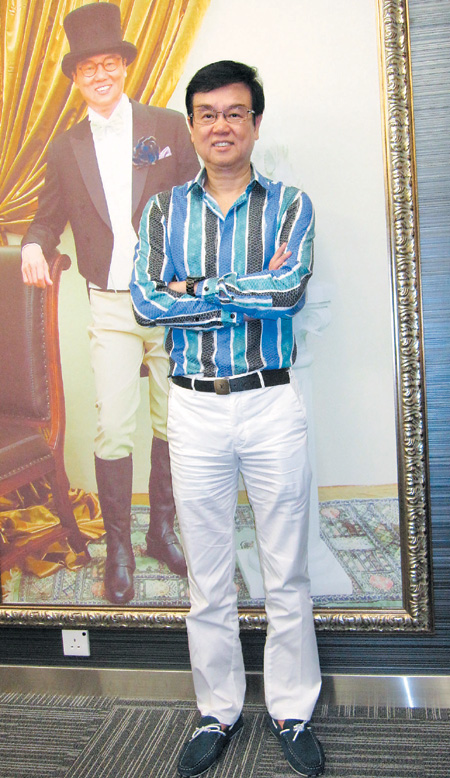
An influential producer who did much to shape the face of Hong Kong cinema, Raymond Wong is also a man whom Chinese audiences have welcomed on screen at New Year for decades. Together with Karl Maka and Dean Shek he founded Cinema City, which in the 1980s became the main rival of Golden Harvest and Shaw Brothers, played the merry ghost himself in the Happy Ghost series, and later created Mandarin Films, which released more than a hundred pictures — from the New Year comedies All's Well End's Well to The Bride with White Hair and Ip Man. His story is that of a man who started out as a ...
An influential producer who did much to shape the face of Hong Kong cinema, Raymond Wong is also a man whom Chinese audiences have welcomed on screen at New Year for decades. Together with Karl Maka and Dean Shek he founded Cinema City, which in the 1980s became the main rival of Golden Harvest and Shaw Brothers, played the merry ghost himself in the Happy Ghost series, and later created Mandarin Films, which released more than a hundred pictures — from the New Year comedies All's Well End's Well to The Bride with White Hair and Ip Man. His story is that of a man who started out as a ...
An influential producer who did much to shape the face of Hong Kong cinema, Raymond Wong is also a man whom Chinese audiences have welcomed on screen at New Year for decades. Together with Karl Maka and Dean Shek he founded Cinema City, which in the 1980s became the main rival of Golden Harvest and Shaw Brothers, played the merry ghost himself in the Happy Ghost series, and later created Mandarin Films, which released more than a hundred pictures — from the New Year comedies All's Well End's Well to The Bride with White Hair and Ip Man. His story is that of a man who started out as a ...
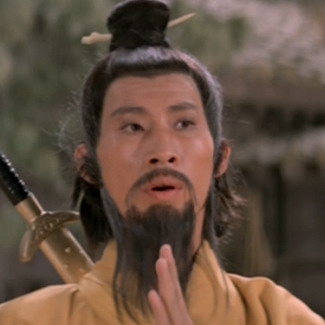
A Taiwanese stuntman, actor, and fight choreographer, Robert Tai Chi-Hsien was part of the "Venoms" choreography team – Chang Cheh's troupe, with which he staged the fights in The Five Venoms, Crippled Avengers, and The Kid with the Golden Arm. In the 1980s he became a director of Taiwanese ninja action films, and his epic Ninja - The Final Duel was turned thirteen years later into the American parody Shaolin Dolemite.
A Taiwanese stuntman, actor, and fight choreographer, Robert Tai Chi-Hsien was part of the "Venoms" choreography team – Chang Cheh's troupe, with which he staged the fights in The Five Venoms, Crippled Avengers, and The Kid with the Golden Arm. In the 1980s he became a director of Taiwanese ninja action films, and his epic Ninja - The Final Duel was turned thirteen years later into the American parody Shaolin Dolemite.
A Taiwanese stuntman, actor, and fight choreographer, Robert Tai Chi-Hsien was part of the "Venoms" choreography team – Chang Cheh's troupe, with which he staged the fights in The Five Venoms, Crippled Avengers, and The Kid with the Golden Arm. In the 1980s he became a director of Taiwanese ninja action films, and his epic Ninja - The Final Duel was turned thirteen years later into the American parody Shaolin Dolemite.

An American actor of Chinese-Dutch descent, Russell Wong began his career in mid-1980s Hong Kong, but found fame in Hollywood – after playing a brutal husband in The Joy Luck Club and taking the lead in the series Vanishing Son, one of the first American drama series to feature an Asian actor in the starring role. He is the brother of Hong Kong movie star Michael Wong Man-Tak and has spent his whole life working across two film markets – American and Chinese.
An American actor of Chinese-Dutch descent, Russell Wong began his career in mid-1980s Hong Kong, but found fame in Hollywood – after playing a brutal husband in The Joy Luck Club and taking the lead in the series Vanishing Son, one of the first American drama series to feature an Asian actor in the starring role. He is the brother of Hong Kong movie star Michael Wong Man-Tak and has spent his whole life working across two film markets – American and Chinese.
An American actor of Chinese-Dutch descent, Russell Wong began his career in mid-1980s Hong Kong, but found fame in Hollywood – after playing a brutal husband in The Joy Luck Club and taking the lead in the series Vanishing Son, one of the first American drama series to feature an Asian actor in the starring role. He is the brother of Hong Kong movie star Michael Wong Man-Tak and has spent his whole life working across two film markets – American and Chinese.

Taiwanese actor, acrobat and action choreographer Ricky Cheng is one of the late Chang Cheh's favorite performers; one critic called him "the late 'Venom'." His best-known work is the lead role in the cult action film Five Element Ninjas, for which he also served as one of the fight choreographers. Over twenty years in the movies he appeared in some fifty kung fu films, but is remembered above all for his inventive acrobatic choreography.
Taiwanese actor, acrobat and action choreographer Ricky Cheng is one of the late Chang Cheh's favorite performers; one critic called him "the late 'Venom'." His best-known work is the lead role in the cult action film Five Element Ninjas, for which he also served as one of the fight choreographers. Over twenty years in the movies he appeared in some fifty kung fu films, but is remembered above all for his inventive acrobatic choreography.
Taiwanese actor, acrobat and action choreographer Ricky Cheng is one of the late Chang Cheh's favorite performers; one critic called him "the late 'Venom'." His best-known work is the lead role in the cult action film Five Element Ninjas, for which he also served as one of the fight choreographers. Over twenty years in the movies he appeared in some fifty kung fu films, but is remembered above all for his inventive acrobatic choreography.

A former journalist who became one of the most influential producers in the history of Hong Kong cinema, Raymond Chow founded the Golden Harvest studio, which for two decades shaped the face of Hong Kong film. It was he who brought Bruce Lee Siu-Lung into the movies and turned him into a global star, and then produced the comedies of the Hui brothers and nearly all of Jackie Chan's hits of the 1980s and 1990s. Under his leadership, the studio released more than six hundred films, introduced a system of independent producers with stars sharing in the profits, and was among the first to ...
A former journalist who became one of the most influential producers in the history of Hong Kong cinema, Raymond Chow founded the Golden Harvest studio, which for two decades shaped the face of Hong Kong film. It was he who brought Bruce Lee Siu-Lung into the movies and turned him into a global star, and then produced the comedies of the Hui brothers and nearly all of Jackie Chan's hits of the 1980s and 1990s. Under his leadership, the studio released more than six hundred films, introduced a system of independent producers with stars sharing in the profits, and was among the first to ...
A former journalist who became one of the most influential producers in the history of Hong Kong cinema, Raymond Chow founded the Golden Harvest studio, which for two decades shaped the face of Hong Kong film. It was he who brought Bruce Lee Siu-Lung into the movies and turned him into a global star, and then produced the comedies of the Hui brothers and nearly all of Jackie Chan's hits of the 1980s and 1990s. Under his leadership, the studio released more than six hundred films, introduced a system of independent producers with stars sharing in the profits, and was among the first to ...

One of the famous Hui brothers, Ricky Hui became a favorite of Hong Kong audiences thanks to his roles as simple-minded, awkward and perpetually bumbling characters. In comedies by his elder brother Michael Hui, The Private Eyes and The Contract, and in John Woo's early comedies he was an indispensable comic partner, while in the horror film Mr. Vampire he played the hapless disciple of a Taoist master – the role for which audiences across Asia still remember him. He also sang, and his Cantonese songs were hugely popular in the 1970s.
One of the famous Hui brothers, Ricky Hui became a favorite of Hong Kong audiences thanks to his roles as simple-minded, awkward and perpetually bumbling characters. In comedies by his elder brother Michael Hui, The Private Eyes and The Contract, and in John Woo's early comedies he was an indispensable comic partner, while in the horror film Mr. Vampire he played the hapless disciple of a Taoist master – the role for which audiences across Asia still remember him. He also sang, and his Cantonese songs were hugely popular in the 1970s.
One of the famous Hui brothers, Ricky Hui became a favorite of Hong Kong audiences thanks to his roles as simple-minded, awkward and perpetually bumbling characters. In comedies by his elder brother Michael Hui, The Private Eyes and The Contract, and in John Woo's early comedies he was an indispensable comic partner, while in the horror film Mr. Vampire he played the hapless disciple of a Taoist master – the role for which audiences across Asia still remember him. He also sang, and his Cantonese songs were hugely popular in the 1970s.

For millions of Chinese TV viewers, Ryan Zheng (Zheng Kai) is first and foremost the "little cheetah" from the reality show Running Man, of which he has remained one of the permanent cast members for more than a decade. But behind that cheerful persona lies a substantial film career: the Ex-Files comedy franchise, Zhang Yi-Mou's Shadow and Guan Hu's The Eight Hundred, the sports drama Never Stop, which he produced himself, and a role in Wong Kar-Wai's series Blossoms. In 2026, his thriller Vanishing Point topped the May box office.
For millions of Chinese TV viewers, Ryan Zheng (Zheng Kai) is first and foremost the "little cheetah" from the reality show Running Man, of which he has remained one of the permanent cast members for more than a decade. But behind that cheerful persona lies a substantial film career: the Ex-Files comedy franchise, Zhang Yi-Mou's Shadow and Guan Hu's The Eight Hundred, the sports drama Never Stop, which he produced himself, and a role in Wong Kar-Wai's series Blossoms. In 2026, his thriller Vanishing Point topped the May box office.
For millions of Chinese TV viewers, Ryan Zheng (Zheng Kai) is first and foremost the "little cheetah" from the reality show Running Man, of which he has remained one of the permanent cast members for more than a decade. But behind that cheerful persona lies a substantial film career: the Ex-Files comedy franchise, Zhang Yi-Mou's Shadow and Guan Hu's The Eight Hundred, the sports drama Never Stop, which he produced himself, and a role in Wong Kar-Wai's series Blossoms. In 2026, his thriller Vanishing Point topped the May box office.
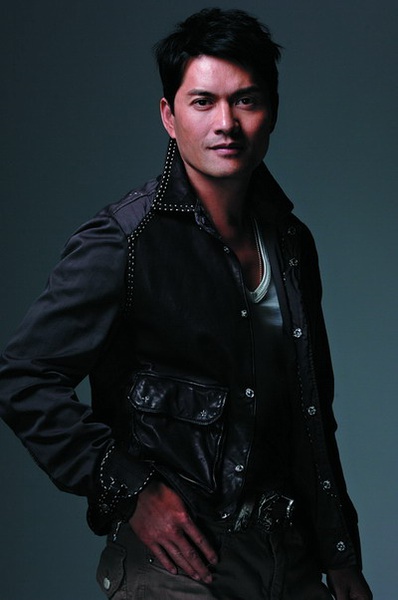


Ringo Lam Ling-Tung is perhaps one of the most famous directors to come out of Hong Kong, apart, of course, from John Woo. Unlike Woo's pictures, Lam's films are darker and more twisted, genuinely exploring the inner world of their characters. The action scenes in his films are also a little more realistic than Woo's.
Ringo Lam Ling-Tung is perhaps one of the most famous directors to come out of Hong Kong, apart, of course, from John Woo. Unlike Woo's pictures, Lam's films are darker and more twisted, genuinely exploring the inner world of their characters. The action scenes in his films are also a little more realistic than Woo's.
Ringo Lam Ling-Tung is perhaps one of the most famous directors to come out of Hong Kong, apart, of course, from John Woo. Unlike Woo's pictures, Lam's films are darker and more twisted, genuinely exploring the inner world of their characters. The action scenes in his films are also a little more realistic than Woo's.
 August 30 at 16:38


