


Biographies

Teresa Ha (Ha Ping, 夏萍) began in 1950s Cantonese cinema in leading roles, playing opposite Ng Cho-Fan and Cheung Ying. From the late 1960s she spent almost half a century in supporting parts: matchmakers and aunts at Shaw Brothers, mothers and grandmothers in TVB series, the mother of Stephen Chow's character in Hail the Judge (1994). Her role as a grandmother in Full Throttle (1995) earned her a Hong Kong Film Awards nomination. Among her colleagues she was known for her bluntness and sharp tongue.
Teresa Ha (Ha Ping, 夏萍) began in 1950s Cantonese cinema in leading roles, playing opposite Ng Cho-Fan and Cheung Ying. From the late 1960s she spent almost half a century in supporting parts: matchmakers and aunts at Shaw Brothers, mothers and grandmothers in TVB series, the mother of Stephen Chow's character in Hail the Judge (1994). Her role as a grandmother in Full Throttle (1995) earned her a Hong Kong Film Awards nomination. Among her colleagues she was known for her bluntness and sharp tongue.
Teresa Ha (Ha Ping, 夏萍) began in 1950s Cantonese cinema in leading roles, playing opposite Ng Cho-Fan and Cheung Ying. From the late 1960s she spent almost half a century in supporting parts: matchmakers and aunts at Shaw Brothers, mothers and grandmothers in TVB series, the mother of Stephen Chow's character in Hail the Judge (1994). Her role as a grandmother in Full Throttle (1995) earned her a Hong Kong Film Awards nomination. Among her colleagues she was known for her bluntness and sharp tongue.

Hong Kong director and producer Taylor Wong (1950–2025), son of Cantonese filmmaker Wong Yiu, began his career in the late 1970s at the TV stations CTV and RTV (Reincarnated, The Roving Swordsman). Through the 1980s and 1990s he worked for the Shaw Brothers studio and in big commercial cinema: he made the fantasy wuxia Buddha's Palm, the melodrama Behind the Yellow Line, the crime diptych Rich and Famous, Spiritual Love, the courtroom drama The Truth, triad action films and erotic pictures.
Hong Kong director and producer Taylor Wong (1950–2025), son of Cantonese filmmaker Wong Yiu, began his career in the late 1970s at the TV stations CTV and RTV (Reincarnated, The Roving Swordsman). Through the 1980s and 1990s he worked for the Shaw Brothers studio and in big commercial cinema: he made the fantasy wuxia Buddha's Palm, the melodrama Behind the Yellow Line, the crime diptych Rich and Famous, Spiritual Love, the courtroom drama The Truth, triad action films and erotic pictures.
Hong Kong director and producer Taylor Wong (1950–2025), son of Cantonese filmmaker Wong Yiu, began his career in the late 1970s at the TV stations CTV and RTV (Reincarnated, The Roving Swordsman). Through the 1980s and 1990s he worked for the Shaw Brothers studio and in big commercial cinema: he made the fantasy wuxia Buddha's Palm, the melodrama Behind the Yellow Line, the crime diptych Rich and Famous, Spiritual Love, the courtroom drama The Truth, triad action films and erotic pictures.

Starting out as a military photographer and draftsman in Taiwan, Tang Ching became one of the first leading actors of the CMPC studio and in 1963 won a Golden Horse award for the drama From Dusk Till Dawn. After moving to Hong Kong, he appeared in Shaw Brothers spy and swordplay films for Lo Wei, Ho Meng-Hua and Chor Yuen, produced movies based on scripts by his wife Chen Fang, and after finishing his acting work in 1991 went into business.
Starting out as a military photographer and draftsman in Taiwan, Tang Ching became one of the first leading actors of the CMPC studio and in 1963 won a Golden Horse award for the drama From Dusk Till Dawn. After moving to Hong Kong, he appeared in Shaw Brothers spy and swordplay films for Lo Wei, Ho Meng-Hua and Chor Yuen, produced movies based on scripts by his wife Chen Fang, and after finishing his acting work in 1991 went into business.
Starting out as a military photographer and draftsman in Taiwan, Tang Ching became one of the first leading actors of the CMPC studio and in 1963 won a Golden Horse award for the drama From Dusk Till Dawn. After moving to Hong Kong, he appeared in Shaw Brothers spy and swordplay films for Lo Wei, Ho Meng-Hua and Chor Yuen, produced movies based on scripts by his wife Chen Fang, and after finishing his acting work in 1991 went into business.

Theresa Fu started out in 2002 in the pop group Cookies and appeared in youth comedies like Nine Girls and a Ghost and Undercover Hidden Dragon, while in her solo years she became famous for a Tokyo Harajuku-style image and illustrated books for the Hong Kong Book Fair. A conflict with her agency and a loud scandal surrounding her romance with actor Him Lo cost her her career at home: in 2013 she left to shoot series on the mainland and returned to Hong Kong screens only years later.
Theresa Fu started out in 2002 in the pop group Cookies and appeared in youth comedies like Nine Girls and a Ghost and Undercover Hidden Dragon, while in her solo years she became famous for a Tokyo Harajuku-style image and illustrated books for the Hong Kong Book Fair. A conflict with her agency and a loud scandal surrounding her romance with actor Him Lo cost her her career at home: in 2013 she left to shoot series on the mainland and returned to Hong Kong screens only years later.
Theresa Fu started out in 2002 in the pop group Cookies and appeared in youth comedies like Nine Girls and a Ghost and Undercover Hidden Dragon, while in her solo years she became famous for a Tokyo Harajuku-style image and illustrated books for the Hong Kong Book Fair. A conflict with her agency and a loud scandal surrounding her romance with actor Him Lo cost her her career at home: in 2013 she left to shoot series on the mainland and returned to Hong Kong screens only years later.

Tang Pik-Wan came to Hong Kong cinema from Cantonese opera and brought part of her troupe's repertoire to the screen. She sang the roles of young heroines, played young men, and in comedies made use of the Cantonese dialects familiar to Hong Kong audiences. A new generation of viewers came to know Tang through television. In the series The Seasons she played the mother of a large family, the one people turn to for help when things go wrong at home. From her character the actress also acquired the nickname Ma-da.
Tang Pik-Wan came to Hong Kong cinema from Cantonese opera and brought part of her troupe's repertoire to the screen. She sang the roles of young heroines, played young men, and in comedies made use of the Cantonese dialects familiar to Hong Kong audiences. A new generation of viewers came to know Tang through television. In the series The Seasons she played the mother of a large family, the one people turn to for help when things go wrong at home. From her character the actress also acquired the nickname Ma-da.
Tang Pik-Wan came to Hong Kong cinema from Cantonese opera and brought part of her troupe's repertoire to the screen. She sang the roles of young heroines, played young men, and in comedies made use of the Cantonese dialects familiar to Hong Kong audiences. A new generation of viewers came to know Tang through television. In the series The Seasons she played the mother of a large family, the one people turn to for help when things go wrong at home. From her character the actress also acquired the nickname Ma-da.

Tan Zhuo rose to widespread fame in the summer of 2018. Some viewers remember her from the drama Dying to Survive, in which she played a nightclub dancer earning money for her daughter's treatment, while others know her from Story of Yanxi Palace, where she was cast as a hot-tempered imperial concubine in love with Kunqu opera. By that time Tan had already taken her films to the Cannes and Venice festivals, spent several seasons performing in an eight-hour play, and tried her hand at producing, helping to secure funding for an independent film.
Tan Zhuo rose to widespread fame in the summer of 2018. Some viewers remember her from the drama Dying to Survive, in which she played a nightclub dancer earning money for her daughter's treatment, while others know her from Story of Yanxi Palace, where she was cast as a hot-tempered imperial concubine in love with Kunqu opera. By that time Tan had already taken her films to the Cannes and Venice festivals, spent several seasons performing in an eight-hour play, and tried her hand at producing, helping to secure funding for an independent film.
Tan Zhuo rose to widespread fame in the summer of 2018. Some viewers remember her from the drama Dying to Survive, in which she played a nightclub dancer earning money for her daughter's treatment, while others know her from Story of Yanxi Palace, where she was cast as a hot-tempered imperial concubine in love with Kunqu opera. By that time Tan had already taken her films to the Cannes and Venice festivals, spent several seasons performing in an eight-hour play, and tried her hand at producing, helping to secure funding for an independent film.

Tong Kai began in a Cantonese opera troupe, but made his name in film as a fight choreographer. Together with Lau Kar-Leung he staged the fights for One-Armed Swordsman, and when adaptations of Gu Long's novels became all the rage at Shaw Brothers, he devised weapons for them the like of which no kung fu school has ever seen. He was especially good at battles in which a whole squad of men throws itself at a single man. In Shaolin Intruders, one of the three films he directed himself, the monks go into battle with wooden benches.
Tong Kai began in a Cantonese opera troupe, but made his name in film as a fight choreographer. Together with Lau Kar-Leung he staged the fights for One-Armed Swordsman, and when adaptations of Gu Long's novels became all the rage at Shaw Brothers, he devised weapons for them the like of which no kung fu school has ever seen. He was especially good at battles in which a whole squad of men throws itself at a single man. In Shaolin Intruders, one of the three films he directed himself, the monks go into battle with wooden benches.
Tong Kai began in a Cantonese opera troupe, but made his name in film as a fight choreographer. Together with Lau Kar-Leung he staged the fights for One-Armed Swordsman, and when adaptations of Gu Long's novels became all the rage at Shaw Brothers, he devised weapons for them the like of which no kung fu school has ever seen. He was especially good at battles in which a whole squad of men throws itself at a single man. In Shaolin Intruders, one of the three films he directed himself, the monks go into battle with wooden benches.

By the age of eighteen, Traey Guan had already played the on-screen daughter of so many famous actors that in China she was nicknamed "the nation's daughter." She was often cast as girls who made life hard for the grown-ups around them. In the series To Be a Better Man, her Peng Jiahe answers every attempt to look after her with a barb, and it takes time to see how lonely she really is. For that role, Guan won a White Magnolia Award while still in her first year at film academy. Since then she has played no shortage of princesses, and on television she is especially good at playing young ...
By the age of eighteen, Traey Guan had already played the on-screen daughter of so many famous actors that in China she was nicknamed "the nation's daughter." She was often cast as girls who made life hard for the grown-ups around them. In the series To Be a Better Man, her Peng Jiahe answers every attempt to look after her with a barb, and it takes time to see how lonely she really is. For that role, Guan won a White Magnolia Award while still in her first year at film academy. Since then she has played no shortage of princesses, and on television she is especially good at playing young ...
By the age of eighteen, Traey Guan had already played the on-screen daughter of so many famous actors that in China she was nicknamed "the nation's daughter." She was often cast as girls who made life hard for the grown-ups around them. In the series To Be a Better Man, her Peng Jiahe answers every attempt to look after her with a barb, and it takes time to see how lonely she really is. For that role, Guan won a White Magnolia Award while still in her first year at film academy. Since then she has played no shortage of princesses, and on television she is especially good at playing young ...
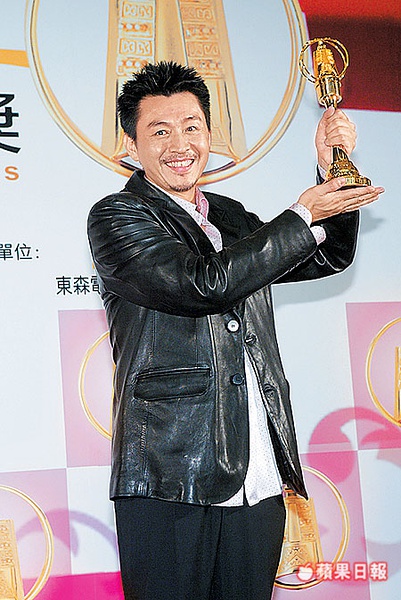
In Taiwan, Tou Chung-Hua rose to fame as the drill instructor in Yes, Sir!, and won a Golden Bell for his role as a musician in Love's Lone Flower. In Copycat Killer he played a police officer whose daughter goes missing. On set, Tou recalled how director Chang Jung-Chi had once already asked him to play a father's anxiety with more restraint.
In Taiwan, Tou Chung-Hua rose to fame as the drill instructor in Yes, Sir!, and won a Golden Bell for his role as a musician in Love's Lone Flower. In Copycat Killer he played a police officer whose daughter goes missing. On set, Tou recalled how director Chang Jung-Chi had once already asked him to play a father's anxiety with more restraint.
In Taiwan, Tou Chung-Hua rose to fame as the drill instructor in Yes, Sir!, and won a Golden Bell for his role as a musician in Love's Lone Flower. In Copycat Killer he played a police officer whose daughter goes missing. On set, Tou recalled how director Chang Jung-Chi had once already asked him to play a father's anxiety with more restraint.

Tina Chin Fei trained in the Shaw Brothers school and broke into film at a time when the studio was turning out musicals, spy pictures and historical actioners all at once. She appeared in all three genres, and in The Fourteen Amazons she played one of the women of the Yang family. After a long absence from the screen, Chin returned to Hong Kong television: Lydia Shum Tin-Ha paid her a visit in Seattle.
Tina Chin Fei trained in the Shaw Brothers school and broke into film at a time when the studio was turning out musicals, spy pictures and historical actioners all at once. She appeared in all three genres, and in The Fourteen Amazons she played one of the women of the Yang family. After a long absence from the screen, Chin returned to Hong Kong television: Lydia Shum Tin-Ha paid her a visit in Seattle.
Tina Chin Fei trained in the Shaw Brothers school and broke into film at a time when the studio was turning out musicals, spy pictures and historical actioners all at once. She appeared in all three genres, and in The Fourteen Amazons she played one of the women of the Yang family. After a long absence from the screen, Chin returned to Hong Kong television: Lydia Shum Tin-Ha paid her a visit in Seattle.

Before television, Tamia Liu worked as a telephone operator, and she rose to fame with the roles of Azhu and Madame White Snake. After her wedding, the actress announced she was leaving the screen, and returned two years later. It was after her comeback that she played Mi Shu in Legend of Miyue and the financial specialist Andy in Ode to Joy. For Andy, she personally worked out what she wears, what she eats and how her daily life is arranged.
Before television, Tamia Liu worked as a telephone operator, and she rose to fame with the roles of Azhu and Madame White Snake. After her wedding, the actress announced she was leaving the screen, and returned two years later. It was after her comeback that she played Mi Shu in Legend of Miyue and the financial specialist Andy in Ode to Joy. For Andy, she personally worked out what she wears, what she eats and how her daily life is arranged.
Before television, Tamia Liu worked as a telephone operator, and she rose to fame with the roles of Azhu and Madame White Snake. After her wedding, the actress announced she was leaving the screen, and returned two years later. It was after her comeback that she played Mi Shu in Legend of Miyue and the financial specialist Andy in Ode to Joy. For Andy, she personally worked out what she wears, what she eats and how her daily life is arranged.

Teresa Carpio was still a girl when she toured with her father, and in Hong Kong she became known both as an English-language singer and as a Cantopop vocalist. On screen she played a nun in The Happy Ghost. When Carpio temporarily lost her voice, a chance meeting with a vocal coach in New York helped her return to singing, and she later began teaching herself.
Teresa Carpio was still a girl when she toured with her father, and in Hong Kong she became known both as an English-language singer and as a Cantopop vocalist. On screen she played a nun in The Happy Ghost. When Carpio temporarily lost her voice, a chance meeting with a vocal coach in New York helped her return to singing, and she later began teaching herself.
Teresa Carpio was still a girl when she toured with her father, and in Hong Kong she became known both as an English-language singer and as a Cantopop vocalist. On screen she played a nun in The Happy Ghost. When Carpio temporarily lost her voice, a chance meeting with a vocal coach in New York helped her return to singing, and she later began teaching herself.

In the 1990s, Theresa Lee played Kwok Seung in Return of the Condor Heroes and earned five Hong Kong Film Awards nominations. After returning to Canada, she started a family and took a job in a psychiatric ward. Years later, Lee began acting again, this time in Canadian cinema, and in the drama Finch & Midland she played a woman who, like herself, moved from Hong Kong to Canada.
In the 1990s, Theresa Lee played Kwok Seung in Return of the Condor Heroes and earned five Hong Kong Film Awards nominations. After returning to Canada, she started a family and took a job in a psychiatric ward. Years later, Lee began acting again, this time in Canadian cinema, and in the drama Finch & Midland she played a woman who, like herself, moved from Hong Kong to Canada.
In the 1990s, Theresa Lee played Kwok Seung in Return of the Condor Heroes and earned five Hong Kong Film Awards nominations. After returning to Canada, she started a family and took a job in a psychiatric ward. Years later, Lee began acting again, this time in Canadian cinema, and in the drama Finch & Midland she played a woman who, like herself, moved from Hong Kong to Canada.

Swordsmen soaring through the air, duels atop bamboo stalks, a ghostly beauty in billowing silks—much of what audiences around the world think of as "the Chinese wuxia film" was invented by Tony Ching. The director of A Chinese Ghost Story and the action choreographer of Hero and House of Flying Daggers, he turned wirework acrobatics from a stunt into poetry. In the industry he was nicknamed "the universal choreographer" and "the best firefighter": whenever the action on a big film's set went wrong, he was the one they called.
Swordsmen soaring through the air, duels atop bamboo stalks, a ghostly beauty in billowing silks—much of what audiences around the world think of as "the Chinese wuxia film" was invented by Tony Ching. The director of A Chinese Ghost Story and the action choreographer of Hero and House of Flying Daggers, he turned wirework acrobatics from a stunt into poetry. In the industry he was nicknamed "the universal choreographer" and "the best firefighter": whenever the action on a big film's set went wrong, he was the one they called.
Swordsmen soaring through the air, duels atop bamboo stalks, a ghostly beauty in billowing silks—much of what audiences around the world think of as "the Chinese wuxia film" was invented by Tony Ching. The director of A Chinese Ghost Story and the action choreographer of Hero and House of Flying Daggers, he turned wirework acrobatics from a stunt into poetry. In the industry he was nicknamed "the universal choreographer" and "the best firefighter": whenever the action on a big film's set went wrong, he was the one they called.
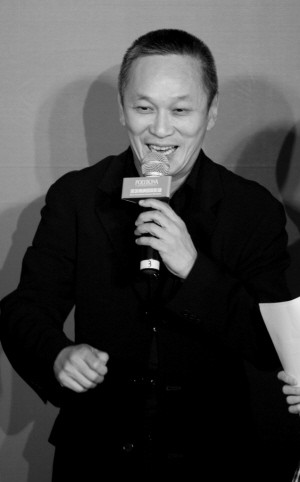
Bodyguards and Assassins, a film about a handful of ordinary people who give their lives to protect Sun Yat-sen from hired assassins, took Teddy Chen six years to make. The production fell apart several times: an epidemic, his mother's illness, the death of an investor, debts and the director's own severe depression. When the picture was finally released in 2009, it grossed nearly 300 million yuan in mainland China and won eight Hong Kong Film Awards, including the top prizes for Best Film and Best Director. Before that, Chen was known as a master of hard-edged action films who had ...
Bodyguards and Assassins, a film about a handful of ordinary people who give their lives to protect Sun Yat-sen from hired assassins, took Teddy Chen six years to make. The production fell apart several times: an epidemic, his mother's illness, the death of an investor, debts and the director's own severe depression. When the picture was finally released in 2009, it grossed nearly 300 million yuan in mainland China and won eight Hong Kong Film Awards, including the top prizes for Best Film and Best Director. Before that, Chen was known as a master of hard-edged action films who had ...
Bodyguards and Assassins, a film about a handful of ordinary people who give their lives to protect Sun Yat-sen from hired assassins, took Teddy Chen six years to make. The production fell apart several times: an epidemic, his mother's illness, the death of an investor, debts and the director's own severe depression. When the picture was finally released in 2009, it grossed nearly 300 million yuan in mainland China and won eight Hong Kong Film Awards, including the top prizes for Best Film and Best Director. Before that, Chen was known as a master of hard-edged action films who had ...

Dubbed the "grandfather of the nation," Tien Feng spent more than half a century playing masters, fathers, and mentors. He was the heroine's teacher in One-Armed Swordsman, the senior Jingwu School disciple alongside Bruce Lee Siu-Lung in Fist of Fury, and the father of Ti Lung's and Leslie Cheung Kwok-Wing's characters in A Better Tomorrow. His role as a grandfather in the Taiwanese TV series Star Knows My Heart won him the affection of viewers across generations, yet his only major film award came at the age of 86.
Dubbed the "grandfather of the nation," Tien Feng spent more than half a century playing masters, fathers, and mentors. He was the heroine's teacher in One-Armed Swordsman, the senior Jingwu School disciple alongside Bruce Lee Siu-Lung in Fist of Fury, and the father of Ti Lung's and Leslie Cheung Kwok-Wing's characters in A Better Tomorrow. His role as a grandfather in the Taiwanese TV series Star Knows My Heart won him the affection of viewers across generations, yet his only major film award came at the age of 86.
Dubbed the "grandfather of the nation," Tien Feng spent more than half a century playing masters, fathers, and mentors. He was the heroine's teacher in One-Armed Swordsman, the senior Jingwu School disciple alongside Bruce Lee Siu-Lung in Fist of Fury, and the father of Ti Lung's and Leslie Cheung Kwok-Wing's characters in A Better Tomorrow. His role as a grandfather in the Taiwanese TV series Star Knows My Heart won him the affection of viewers across generations, yet his only major film award came at the age of 86.

Tai Bo's career path is unlike any other in Hong Kong cinema. A former stuntman with the teams of Sammo Hung Kam-Bo and Jackie Chan, he spent two decades playing thugs, junkies, traitors and punching bags in the action films and comedies of the 1980s, before moving to Taiwan, where he unexpectedly revealed himself as a serious dramatic actor. His career culminated in an award that former stuntmen usually never dream of: in 2020, in his seventies, Tai Bo won the HKFA Best Actor prize for his role as an elderly gay taxi driver in the drama Suk Suk.
Tai Bo's career path is unlike any other in Hong Kong cinema. A former stuntman with the teams of Sammo Hung Kam-Bo and Jackie Chan, he spent two decades playing thugs, junkies, traitors and punching bags in the action films and comedies of the 1980s, before moving to Taiwan, where he unexpectedly revealed himself as a serious dramatic actor. His career culminated in an award that former stuntmen usually never dream of: in 2020, in his seventies, Tai Bo won the HKFA Best Actor prize for his role as an elderly gay taxi driver in the drama Suk Suk.
Tai Bo's career path is unlike any other in Hong Kong cinema. A former stuntman with the teams of Sammo Hung Kam-Bo and Jackie Chan, he spent two decades playing thugs, junkies, traitors and punching bags in the action films and comedies of the 1980s, before moving to Taiwan, where he unexpectedly revealed himself as a serious dramatic actor. His career culminated in an award that former stuntmen usually never dream of: in 2020, in his seventies, Tai Bo won the HKFA Best Actor prize for his role as an elderly gay taxi driver in the drama Suk Suk.

Taiwanese actress and 1970s Shaw Brothers star Tanny Tien rose to fame with the role of Li Ping'er in Li Han-Hsiang's The Golden Lotus, after which the press began calling her a sex star. Over two decades she appeared in melodramas, comedies, horror films and wuxia films, then moved to Canada. In the late 1990s Tanny Tien returned to the screen and for many years played mothers and dowager empresses in mainland Chinese TV series.
Taiwanese actress and 1970s Shaw Brothers star Tanny Tien rose to fame with the role of Li Ping'er in Li Han-Hsiang's The Golden Lotus, after which the press began calling her a sex star. Over two decades she appeared in melodramas, comedies, horror films and wuxia films, then moved to Canada. In the late 1990s Tanny Tien returned to the screen and for many years played mothers and dowager empresses in mainland Chinese TV series.
Taiwanese actress and 1970s Shaw Brothers star Tanny Tien rose to fame with the role of Li Ping'er in Li Han-Hsiang's The Golden Lotus, after which the press began calling her a sex star. Over two decades she appeared in melodramas, comedies, horror films and wuxia films, then moved to Canada. In the late 1990s Tanny Tien returned to the screen and for many years played mothers and dowager empresses in mainland Chinese TV series.

Taiwanese actor Tung Li (Dong Li) played villains and supporting fighters in wuxia films for the Shaw Brothers studio at the turn of the 1970s, including in Chang Cheh's Return of the One-Armed Swordsman and King Eagle. In the mid-1970s he moved into independent Taiwanese and Hong Kong cinema, where he landed leading roles as well, appearing in nearly fifty films before 1981.
Taiwanese actor Tung Li (Dong Li) played villains and supporting fighters in wuxia films for the Shaw Brothers studio at the turn of the 1970s, including in Chang Cheh's Return of the One-Armed Swordsman and King Eagle. In the mid-1970s he moved into independent Taiwanese and Hong Kong cinema, where he landed leading roles as well, appearing in nearly fifty films before 1981.
Taiwanese actor Tung Li (Dong Li) played villains and supporting fighters in wuxia films for the Shaw Brothers studio at the turn of the 1970s, including in Chang Cheh's Return of the One-Armed Swordsman and King Eagle. In the mid-1970s he moved into independent Taiwanese and Hong Kong cinema, where he landed leading roles as well, appearing in nearly fifty films before 1981.

Shanghai actress Tiffany Tang became a star of Chinese television thanks to her role as Zi Xuan in Chinese Paladin 3, and in the 2010s she was among the country's most popular and highest-paid actresses: leading roles in the series You Are My Sunshine and The Princess Weiyoung earned her two Huading Awards. A new stage in her career was opened by Wong Kar-Wai's first television series Blossoms, in which she played the businesslike and ever-cheerful Miss Wang. She is married to actor Luo Jin.
Shanghai actress Tiffany Tang became a star of Chinese television thanks to her role as Zi Xuan in Chinese Paladin 3, and in the 2010s she was among the country's most popular and highest-paid actresses: leading roles in the series You Are My Sunshine and The Princess Weiyoung earned her two Huading Awards. A new stage in her career was opened by Wong Kar-Wai's first television series Blossoms, in which she played the businesslike and ever-cheerful Miss Wang. She is married to actor Luo Jin.
Shanghai actress Tiffany Tang became a star of Chinese television thanks to her role as Zi Xuan in Chinese Paladin 3, and in the 2010s she was among the country's most popular and highest-paid actresses: leading roles in the series You Are My Sunshine and The Princess Weiyoung earned her two Huading Awards. A new stage in her career was opened by Wong Kar-Wai's first television series Blossoms, in which she played the businesslike and ever-cheerful Miss Wang. She is married to actor Luo Jin.

Hong Kong actor, singer and producer Terence Yin is the son of Shaw Brothers star Jenny Hu and Taiwanese actor and director Kang Wei. He entered film in the late 1990s alongside his friend Daniel Wu, rose to fame with roles in the youth actioners Gen-X Cops and New Police Story and the mockumentary The Heavenly Kings, and later became a regular player of villains and unfaithful husbands in mainland Chinese films and series. He has also worked in Hollywood – in the sequel to the Lara Croft film and the actioner The Man with the Iron Fists.
Hong Kong actor, singer and producer Terence Yin is the son of Shaw Brothers star Jenny Hu and Taiwanese actor and director Kang Wei. He entered film in the late 1990s alongside his friend Daniel Wu, rose to fame with roles in the youth actioners Gen-X Cops and New Police Story and the mockumentary The Heavenly Kings, and later became a regular player of villains and unfaithful husbands in mainland Chinese films and series. He has also worked in Hollywood – in the sequel to the Lara Croft film and the actioner The Man with the Iron Fists.
Hong Kong actor, singer and producer Terence Yin is the son of Shaw Brothers star Jenny Hu and Taiwanese actor and director Kang Wei. He entered film in the late 1990s alongside his friend Daniel Wu, rose to fame with roles in the youth actioners Gen-X Cops and New Police Story and the mockumentary The Heavenly Kings, and later became a regular player of villains and unfaithful husbands in mainland Chinese films and series. He has also worked in Hollywood – in the sequel to the Lara Croft film and the actioner The Man with the Iron Fists.

Musician, composer, producer, director and actor, Teddy Robin Kwan led Hong Kong's first Chinese-fronted rock band in the 1960s and went on to become one of the key figures in Hong Kong cinema. He produced Alex Cheung Kwok-Ming's debut, which launched the Hong Kong "new wave," was one of the founders of Cinema City studio, composed music for dozens of films, including Aces Go Places and City on Fire, and at 65 experienced a second coming as an actor, winning a Hong Kong Film Award for his role in Gallants.
Musician, composer, producer, director and actor, Teddy Robin Kwan led Hong Kong's first Chinese-fronted rock band in the 1960s and went on to become one of the key figures in Hong Kong cinema. He produced Alex Cheung Kwok-Ming's debut, which launched the Hong Kong "new wave," was one of the founders of Cinema City studio, composed music for dozens of films, including Aces Go Places and City on Fire, and at 65 experienced a second coming as an actor, winning a Hong Kong Film Award for his role in Gallants.
Musician, composer, producer, director and actor, Teddy Robin Kwan led Hong Kong's first Chinese-fronted rock band in the 1960s and went on to become one of the key figures in Hong Kong cinema. He produced Alex Cheung Kwok-Ming's debut, which launched the Hong Kong "new wave," was one of the founders of Cinema City studio, composed music for dozens of films, including Aces Go Places and City on Fire, and at 65 experienced a second coming as an actor, winning a Hong Kong Film Award for his role in Gallants.

The eldest son of Sammo Hung, Timmy Hung grew up on his father's film sets and has worked in Hong Kong film and television for more than thirty years. For two decades he was a TVB actor, appearing in the police actioners SPL (2005), Flash Point (2007) and Shock Wave 2 (2020), in films by Johnnie To and Herman Yau, and in the sci-fi blockbuster Back to the Past (2025) he once again worked alongside his father, who handled the action there.
The eldest son of Sammo Hung, Timmy Hung grew up on his father's film sets and has worked in Hong Kong film and television for more than thirty years. For two decades he was a TVB actor, appearing in the police actioners SPL (2005), Flash Point (2007) and Shock Wave 2 (2020), in films by Johnnie To and Herman Yau, and in the sci-fi blockbuster Back to the Past (2025) he once again worked alongside his father, who handled the action there.
The eldest son of Sammo Hung, Timmy Hung grew up on his father's film sets and has worked in Hong Kong film and television for more than thirty years. For two decades he was a TVB actor, appearing in the police actioners SPL (2005), Flash Point (2007) and Shock Wave 2 (2020), in films by Johnnie To and Herman Yau, and in the sci-fi blockbuster Back to the Past (2025) he once again worked alongside his father, who handled the action there.
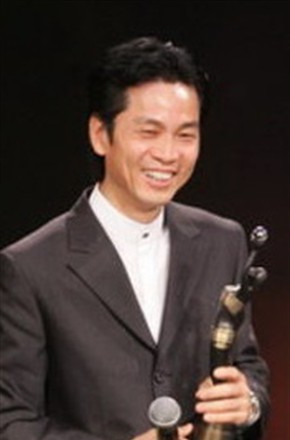
Action choreographer, director and stuntman Tony Leung Siu-Hung started out with bit parts in kung fu films of the early 1970s, including Enter the Dragon with Bruce Lee, and by the end of the 1980s had become one of the most in-demand action choreographers in Hong Kong cinema. He has more than a hundred films to his name – from crime dramas and comedies to the arthouse drama Temptation of a Monk – and in 2009, together with Sammo Hung, he received a Hong Kong Film Award for the action choreography in Ip Man.
Action choreographer, director and stuntman Tony Leung Siu-Hung started out with bit parts in kung fu films of the early 1970s, including Enter the Dragon with Bruce Lee, and by the end of the 1980s had become one of the most in-demand action choreographers in Hong Kong cinema. He has more than a hundred films to his name – from crime dramas and comedies to the arthouse drama Temptation of a Monk – and in 2009, together with Sammo Hung, he received a Hong Kong Film Award for the action choreography in Ip Man.
Action choreographer, director and stuntman Tony Leung Siu-Hung started out with bit parts in kung fu films of the early 1970s, including Enter the Dragon with Bruce Lee, and by the end of the 1980s had become one of the most in-demand action choreographers in Hong Kong cinema. He has more than a hundred films to his name – from crime dramas and comedies to the arthouse drama Temptation of a Monk – and in 2009, together with Sammo Hung, he received a Hong Kong Film Award for the action choreography in Ip Man.

An actor with an unforgettable, ferocious face, Tommy Wong spent more than three decades playing gangsters, prison bosses and scoundrels of every stripe in Hong Kong cinema, and together with Shing Fui-On, William Ho and Lee Siu-Kei he was counted among the "Four Great Villains of Hong Kong Cinema." His nickname So Pi came from his role as a prison boss in Ringo Lam's Prison on Fire, and among his best-known works are A Moment of Romance, The Killer and To Be Number One.
An actor with an unforgettable, ferocious face, Tommy Wong spent more than three decades playing gangsters, prison bosses and scoundrels of every stripe in Hong Kong cinema, and together with Shing Fui-On, William Ho and Lee Siu-Kei he was counted among the "Four Great Villains of Hong Kong Cinema." His nickname So Pi came from his role as a prison boss in Ringo Lam's Prison on Fire, and among his best-known works are A Moment of Romance, The Killer and To Be Number One.
An actor with an unforgettable, ferocious face, Tommy Wong spent more than three decades playing gangsters, prison bosses and scoundrels of every stripe in Hong Kong cinema, and together with Shing Fui-On, William Ho and Lee Siu-Kei he was counted among the "Four Great Villains of Hong Kong Cinema." His nickname So Pi came from his role as a prison boss in Ringo Lam's Prison on Fire, and among his best-known works are A Moment of Romance, The Killer and To Be Number One.

Chinese actress Tang Wei shot to fame with her debut role in Ang Lee's erotic spy thriller Lust, Caution, after which she was temporarily barred from the screen in her home country. On her return, she became a star of both Chinese and Korean cinema, appearing in Late Autumn, Wu Xia, Finding Mr. Right and Golden Age, and for her role in Park Chan-Wook's Decision to Leave she won nearly every major award in South Korea.
Chinese actress Tang Wei shot to fame with her debut role in Ang Lee's erotic spy thriller Lust, Caution, after which she was temporarily barred from the screen in her home country. On her return, she became a star of both Chinese and Korean cinema, appearing in Late Autumn, Wu Xia, Finding Mr. Right and Golden Age, and for her role in Park Chan-Wook's Decision to Leave she won nearly every major award in South Korea.
Chinese actress Tang Wei shot to fame with her debut role in Ang Lee's erotic spy thriller Lust, Caution, after which she was temporarily barred from the screen in her home country. On her return, she became a star of both Chinese and Korean cinema, appearing in Late Autumn, Wu Xia, Finding Mr. Right and Golden Age, and for her role in Park Chan-Wook's Decision to Leave she won nearly every major award in South Korea.

A professional dancer from Xinjiang of Xibe ethnicity, Tong Li-Ya became one of China's most popular television actresses thanks to the series Palace, Beijing Love Story and The Ordinary World. On the big screen she has worked with Tsui Hark, Guan Hu and Chen Si-Cheng, appeared in the hits Detective Chinatown and How Long Will I Love U, while her role as a mother fighting for her son in the drama The Woman in the Storm became one of the strongest of her career. Nor has she given up dance: in 2026 her stage production about her native Xinjiang set off on a tour of seventeen cities.
A professional dancer from Xinjiang of Xibe ethnicity, Tong Li-Ya became one of China's most popular television actresses thanks to the series Palace, Beijing Love Story and The Ordinary World. On the big screen she has worked with Tsui Hark, Guan Hu and Chen Si-Cheng, appeared in the hits Detective Chinatown and How Long Will I Love U, while her role as a mother fighting for her son in the drama The Woman in the Storm became one of the strongest of her career. Nor has she given up dance: in 2026 her stage production about her native Xinjiang set off on a tour of seventeen cities.
A professional dancer from Xinjiang of Xibe ethnicity, Tong Li-Ya became one of China's most popular television actresses thanks to the series Palace, Beijing Love Story and The Ordinary World. On the big screen she has worked with Tsui Hark, Guan Hu and Chen Si-Cheng, appeared in the hits Detective Chinatown and How Long Will I Love U, while her role as a mother fighting for her son in the drama The Woman in the Storm became one of the strongest of her career. Nor has she given up dance: in 2026 her stage production about her native Xinjiang set off on a tour of seventeen cities.

Before entering cinema, Tao Hong had already become a Chinese synchronized swimming champion, and it was Jiang Wen who brought her to the screen, inviting her to star in In the Heat of the Sun. Just a few years later, her role as a blind athlete in Colors of the Blind earned her a Golden Rooster, while the series Kong Jing Zi won her a Golden Eagle. To the general public she is also known as Xu Zheng's wife, having appeared in his hit comedy Lost in Thailand, and to a new generation of viewers as the strict "tiger mother" in the series A Little Reunion.
Before entering cinema, Tao Hong had already become a Chinese synchronized swimming champion, and it was Jiang Wen who brought her to the screen, inviting her to star in In the Heat of the Sun. Just a few years later, her role as a blind athlete in Colors of the Blind earned her a Golden Rooster, while the series Kong Jing Zi won her a Golden Eagle. To the general public she is also known as Xu Zheng's wife, having appeared in his hit comedy Lost in Thailand, and to a new generation of viewers as the strict "tiger mother" in the series A Little Reunion.
Before entering cinema, Tao Hong had already become a Chinese synchronized swimming champion, and it was Jiang Wen who brought her to the screen, inviting her to star in In the Heat of the Sun. Just a few years later, her role as a blind athlete in Colors of the Blind earned her a Golden Rooster, while the series Kong Jing Zi won her a Golden Eagle. To the general public she is also known as Xu Zheng's wife, having appeared in his hit comedy Lost in Thailand, and to a new generation of viewers as the strict "tiger mother" in the series A Little Reunion.

A stuntman, supporting actor and action choreographer, Tino Wong spent twenty years working in Hong Kong martial arts cinema – from the mass brawls in Chang Cheh's Shaw Brothers films to Jackie Chan's early kung fu comedies. His most notable role was Ah Wu, the cook at the kung fu school in Snake in the Eagle's Shadow, and in the early 1980s he choreographed action scenes himself, including on films with Chow Yun-Fat.
A stuntman, supporting actor and action choreographer, Tino Wong spent twenty years working in Hong Kong martial arts cinema – from the mass brawls in Chang Cheh's Shaw Brothers films to Jackie Chan's early kung fu comedies. His most notable role was Ah Wu, the cook at the kung fu school in Snake in the Eagle's Shadow, and in the early 1980s he choreographed action scenes himself, including on films with Chow Yun-Fat.
A stuntman, supporting actor and action choreographer, Tino Wong spent twenty years working in Hong Kong martial arts cinema – from the mass brawls in Chang Cheh's Shaw Brothers films to Jackie Chan's early kung fu comedies. His most notable role was Ah Wu, the cook at the kung fu school in Snake in the Eagle's Shadow, and in the early 1980s he choreographed action scenes himself, including on films with Chow Yun-Fat.

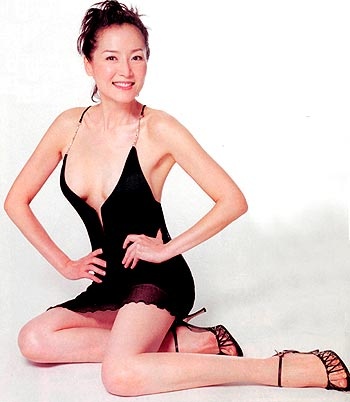
As is well known, Chinese women are not famed for their outstanding figures, so every curvaceous actress in that cinematic pantheon is worth her weight in gold. Teresa Mak Ka-Kei is one of them, but she chose a rather unfortunate time to launch her career.
As is well known, Chinese women are not famed for their outstanding figures, so every curvaceous actress in that cinematic pantheon is worth her weight in gold. Teresa Mak Ka-Kei is one of them, but she chose a rather unfortunate time to launch her career.
As is well known, Chinese women are not famed for their outstanding figures, so every curvaceous actress in that cinematic pantheon is worth her weight in gold. Teresa Mak Ka-Kei is one of them, but she chose a rather unfortunate time to launch her career.


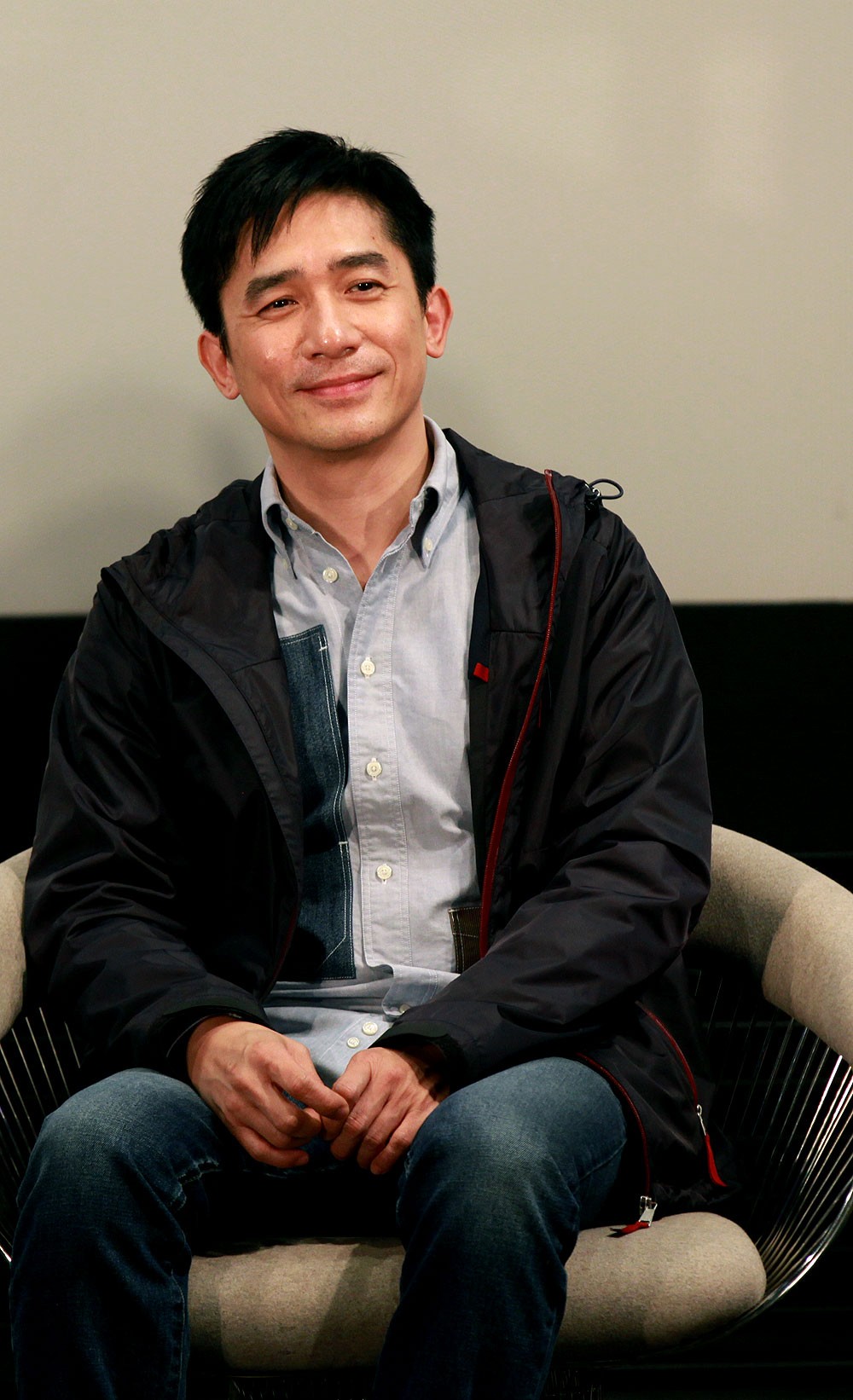
Born on June 27, 1962, in Guangdong Province. As a child, Tony was a mischievous boy, but that lasted only until his father left the family. Though his father was a gambler, he took care of his family so well that no one could complain. When Tony was little, he often heard his parents arguing over money or over his father coming home drunk again after yet another win. After witnessing the sheer amount of harm a passion for gambling can bring a person, Tony promised himself that he would never let himself get drawn into any kind of gambling. Tony wanted to go to college and could well have ...
Born on June 27, 1962, in Guangdong Province. As a child, Tony was a mischievous boy, but that lasted only until his father left the family. Though his father was a gambler, he took care of his family so well that no one could complain. When Tony was little, he often heard his parents arguing over money or over his father coming home drunk again after yet another win. After witnessing the sheer amount of harm a passion for gambling can bring a person, Tony promised himself that he would never let himself get drawn into any kind of gambling. Tony wanted to go to college and could well have ...
Born on June 27, 1962, in Guangdong Province. As a child, Tony was a mischievous boy, but that lasted only until his father left the family. Though his father was a gambler, he took care of his family so well that no one could complain. When Tony was little, he often heard his parents arguing over money or over his father coming home drunk again after yet another win. After witnessing the sheer amount of harm a passion for gambling can bring a person, Tony promised himself that he would never let himself get drawn into any kind of gambling. Tony wanted to go to college and could well have ...


