


Biographies

At the 1997 Golden Horse Awards, a Hong Kong stage actor little known in cinema, Tse Kwan-Ho, unexpectedly beat out Leslie Cheung, who had the lead role in Clifton Ko's drama The Mad Phoenix. Before the film, he had played the same character for four years — the proud and mad Cantonese playwright Jiang Yuliu — on the stage of the Hong Kong Repertory Theatre, where at thirty he became the youngest leading actor of the company. Since then his life has been divided between the stage and the screen. In mainland China he was loved for his role as the drunken Daoist swordsman in Chinese ...
At the 1997 Golden Horse Awards, a Hong Kong stage actor little known in cinema, Tse Kwan-Ho, unexpectedly beat out Leslie Cheung, who had the lead role in Clifton Ko's drama The Mad Phoenix. Before the film, he had played the same character for four years — the proud and mad Cantonese playwright Jiang Yuliu — on the stage of the Hong Kong Repertory Theatre, where at thirty he became the youngest leading actor of the company. Since then his life has been divided between the stage and the screen. In mainland China he was loved for his role as the drunken Daoist swordsman in Chinese ...
At the 1997 Golden Horse Awards, a Hong Kong stage actor little known in cinema, Tse Kwan-Ho, unexpectedly beat out Leslie Cheung, who had the lead role in Clifton Ko's drama The Mad Phoenix. Before the film, he had played the same character for four years — the proud and mad Cantonese playwright Jiang Yuliu — on the stage of the Hong Kong Repertory Theatre, where at thirty he became the youngest leading actor of the company. Since then his life has been divided between the stage and the screen. In mainland China he was loved for his role as the drunken Daoist swordsman in Chinese ...

Qiao Shan showed up to his theater academy entrance exams with a guitar. Years later, it came in handy for City of Rock, where he played a provincial musician putting together his own band. By then, Qiao was already an established presence in Chinese comedy. He started out with children's theater and rural touring shows, rose to fame in Da Peng's short sketches, and in Godspeed played a long-haul trucker about to meet his future son-in-law. In 2026, at the Beijing International Film Festival, Qiao won an award for his role as a stoker recently released from prison in the drama All the ...
Qiao Shan showed up to his theater academy entrance exams with a guitar. Years later, it came in handy for City of Rock, where he played a provincial musician putting together his own band. By then, Qiao was already an established presence in Chinese comedy. He started out with children's theater and rural touring shows, rose to fame in Da Peng's short sketches, and in Godspeed played a long-haul trucker about to meet his future son-in-law. In 2026, at the Beijing International Film Festival, Qiao won an award for his role as a stoker recently released from prison in the drama All the ...
Qiao Shan showed up to his theater academy entrance exams with a guitar. Years later, it came in handy for City of Rock, where he played a provincial musician putting together his own band. By then, Qiao was already an established presence in Chinese comedy. He started out with children's theater and rural touring shows, rose to fame in Da Peng's short sketches, and in Godspeed played a long-haul trucker about to meet his future son-in-law. In 2026, at the Beijing International Film Festival, Qiao won an award for his role as a stoker recently released from prison in the drama All the ...

Qu Chu-Xiao first made his name in The Wandering Earth, playing Liu Qi, the stubborn son of an astronaut who has grown used to life without his father. Three years later, audiences came to know him as the shy schoolboy Zhang Wan-Sen in the series Shining for One Thing. Qu sees himself in Lü Qin-Yan from Love Will Tear Us Apart and in the cook Han Xiao from The Breaking Ice. According to the actor, both of them sometimes speak and behave just the way he does.
Qu Chu-Xiao first made his name in The Wandering Earth, playing Liu Qi, the stubborn son of an astronaut who has grown used to life without his father. Three years later, audiences came to know him as the shy schoolboy Zhang Wan-Sen in the series Shining for One Thing. Qu sees himself in Lü Qin-Yan from Love Will Tear Us Apart and in the cook Han Xiao from The Breaking Ice. According to the actor, both of them sometimes speak and behave just the way he does.
Qu Chu-Xiao first made his name in The Wandering Earth, playing Liu Qi, the stubborn son of an astronaut who has grown used to life without his father. Three years later, audiences came to know him as the shy schoolboy Zhang Wan-Sen in the series Shining for One Thing. Qu sees himself in Lü Qin-Yan from Love Will Tear Us Apart and in the cook Han Xiao from The Breaking Ice. According to the actor, both of them sometimes speak and behave just the way he does.

Jia Bing came to cinema already a well-known stage comedian. He served in the army for eight years, performing in an ensemble. After his service he ran a troupe in Zhejiang and won two television competitions. In Lost in Russia he was cast as a talkative conductor on the train to Moscow, and in Punch Out as a hot-tempered nightclub owner backed by a local criminal gang. His role as Xu Jiang became one of the most talked-about in the series. Two years later Jia directed his own feature-length comedy, Fake Dad, which he shot in his native Shenyang.
Jia Bing came to cinema already a well-known stage comedian. He served in the army for eight years, performing in an ensemble. After his service he ran a troupe in Zhejiang and won two television competitions. In Lost in Russia he was cast as a talkative conductor on the train to Moscow, and in Punch Out as a hot-tempered nightclub owner backed by a local criminal gang. His role as Xu Jiang became one of the most talked-about in the series. Two years later Jia directed his own feature-length comedy, Fake Dad, which he shot in his native Shenyang.
Jia Bing came to cinema already a well-known stage comedian. He served in the army for eight years, performing in an ensemble. After his service he ran a troupe in Zhejiang and won two television competitions. In Lost in Russia he was cast as a talkative conductor on the train to Moscow, and in Punch Out as a hot-tempered nightclub owner backed by a local criminal gang. His role as Xu Jiang became one of the most talked-about in the series. Two years later Jia directed his own feature-length comedy, Fake Dad, which he shot in his native Shenyang.

In Killer Clans, Tsung Hua plays Meng Xinghun, a hired assassin who wants to leave his trade behind. It is the best known of his roles at Shaw Brothers, where he played both swordsmen and heroes of melodramas. In Taiwan, Tsung Hua eventually began directing and producing series himself. He invited Hong Kong actors to appear in them, and together with Yang Li-Hua he succeeded in getting Taiwanese opera shown at eight in the evening.
In Killer Clans, Tsung Hua plays Meng Xinghun, a hired assassin who wants to leave his trade behind. It is the best known of his roles at Shaw Brothers, where he played both swordsmen and heroes of melodramas. In Taiwan, Tsung Hua eventually began directing and producing series himself. He invited Hong Kong actors to appear in them, and together with Yang Li-Hua he succeeded in getting Taiwanese opera shown at eight in the evening.
In Killer Clans, Tsung Hua plays Meng Xinghun, a hired assassin who wants to leave his trade behind. It is the best known of his roles at Shaw Brothers, where he played both swordsmen and heroes of melodramas. In Taiwan, Tsung Hua eventually began directing and producing series himself. He invited Hong Kong actors to appear in them, and together with Yang Li-Hua he succeeded in getting Taiwanese opera shown at eight in the evening.

A Chinese wushu champion and a graduate of a school attached to the Shaolin Monastery, Jiang Lu-Xia came to cinema as a stunt performer and stunt double, which earned her the nickname "the female Jackie Chan." For nearly ten years she played small roles in action films until Dante Lam cast her in the military action movie Operation Red Sea: the role of machine gunner Tong Li, the only woman in a naval special forces squad, brought her a Hundred Flowers Award and nominations for the Golden Rooster and the Hong Kong Film Award. In 2025, she returned to this heroine in Operation Leviathan.
A Chinese wushu champion and a graduate of a school attached to the Shaolin Monastery, Jiang Lu-Xia came to cinema as a stunt performer and stunt double, which earned her the nickname "the female Jackie Chan." For nearly ten years she played small roles in action films until Dante Lam cast her in the military action movie Operation Red Sea: the role of machine gunner Tong Li, the only woman in a naval special forces squad, brought her a Hundred Flowers Award and nominations for the Golden Rooster and the Hong Kong Film Award. In 2025, she returned to this heroine in Operation Leviathan.
A Chinese wushu champion and a graduate of a school attached to the Shaolin Monastery, Jiang Lu-Xia came to cinema as a stunt performer and stunt double, which earned her the nickname "the female Jackie Chan." For nearly ten years she played small roles in action films until Dante Lam cast her in the military action movie Operation Red Sea: the role of machine gunner Tong Li, the only woman in a naval special forces squad, brought her a Hundred Flowers Award and nominations for the Golden Rooster and the Hong Kong Film Award. In 2025, she returned to this heroine in Operation Leviathan.

Chinese actor and martial arts master Ji Chun-Hua spent nearly forty years playing villains: starting with the role of the Bald Eagle — the chief adversary of Jet Li's hero in Shaolin Temple — he became the most recognizable "bad guy" of Chinese kung fu cinema and wuxia series. His shaved head and heavy gaze were remembered by audiences from Red Sorghum, Fong Sai Yuk II and Three Kingdoms: Resurrection of the Dragon, while the press called him a "villain on a national scale."
Chinese actor and martial arts master Ji Chun-Hua spent nearly forty years playing villains: starting with the role of the Bald Eagle — the chief adversary of Jet Li's hero in Shaolin Temple — he became the most recognizable "bad guy" of Chinese kung fu cinema and wuxia series. His shaved head and heavy gaze were remembered by audiences from Red Sorghum, Fong Sai Yuk II and Three Kingdoms: Resurrection of the Dragon, while the press called him a "villain on a national scale."
Chinese actor and martial arts master Ji Chun-Hua spent nearly forty years playing villains: starting with the role of the Bald Eagle — the chief adversary of Jet Li's hero in Shaolin Temple — he became the most recognizable "bad guy" of Chinese kung fu cinema and wuxia series. His shaved head and heavy gaze were remembered by audiences from Red Sorghum, Fong Sai Yuk II and Three Kingdoms: Resurrection of the Dragon, while the press called him a "villain on a national scale."

A performer of xiangsheng — the traditional Chinese comic dialogue genre in which women were almost unheard of — Jia Ling spent years making audiences laugh on the CCTV New Year's Gala and on TV shows, and in 2021 she directed her first film: the touching comedy Hi, Mom, dedicated to her late mother. The picture grossed more than 5.4 billion yuan, making Jia Ling the highest-grossing female director in the world. Her second film, Yolo, for which she shed more than 50 kilograms, topped the Chinese box office in 2024.
A performer of xiangsheng — the traditional Chinese comic dialogue genre in which women were almost unheard of — Jia Ling spent years making audiences laugh on the CCTV New Year's Gala and on TV shows, and in 2021 she directed her first film: the touching comedy Hi, Mom, dedicated to her late mother. The picture grossed more than 5.4 billion yuan, making Jia Ling the highest-grossing female director in the world. Her second film, Yolo, for which she shed more than 50 kilograms, topped the Chinese box office in 2024.
A performer of xiangsheng — the traditional Chinese comic dialogue genre in which women were almost unheard of — Jia Ling spent years making audiences laugh on the CCTV New Year's Gala and on TV shows, and in 2021 she directed her first film: the touching comedy Hi, Mom, dedicated to her late mother. The picture grossed more than 5.4 billion yuan, making Jia Ling the highest-grossing female director in the world. Her second film, Yolo, for which she shed more than 50 kilograms, topped the Chinese box office in 2024.
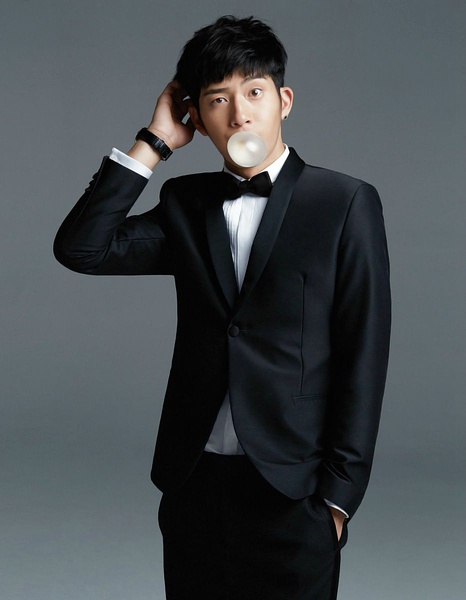
A winner of a TV talent contest who started out as a pop idol, Boran Jing Bo-Ran has become one of China's most in-demand young actors: he appeared in the box-office record-breaker Monster Hunt, in the drama Lost and Love with Andy Lau Tak-Wah, and in the adventure blockbuster Time Raiders, while Rene Liu Re-Ying's melodrama Us and Them made him the hero of a generation of thirtysomethings. In the 2020s he has been working increasingly in series, and the office romantic drama "Bright Early Spring" became one of the most talked-about hits of 2026.
A winner of a TV talent contest who started out as a pop idol, Boran Jing Bo-Ran has become one of China's most in-demand young actors: he appeared in the box-office record-breaker Monster Hunt, in the drama Lost and Love with Andy Lau Tak-Wah, and in the adventure blockbuster Time Raiders, while Rene Liu Re-Ying's melodrama Us and Them made him the hero of a generation of thirtysomethings. In the 2020s he has been working increasingly in series, and the office romantic drama "Bright Early Spring" became one of the most talked-about hits of 2026.
A winner of a TV talent contest who started out as a pop idol, Boran Jing Bo-Ran has become one of China's most in-demand young actors: he appeared in the box-office record-breaker Monster Hunt, in the drama Lost and Love with Andy Lau Tak-Wah, and in the adventure blockbuster Time Raiders, while Rene Liu Re-Ying's melodrama Us and Them made him the hero of a generation of thirtysomethings. In the 2020s he has been working increasingly in series, and the office romantic drama "Bright Early Spring" became one of the most talked-about hits of 2026.
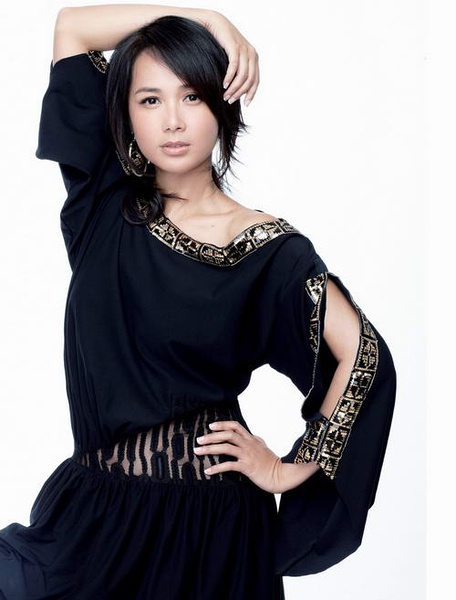
In the tiny role of a mother who sends her son to an opera school and chops off his extra finger, Jiang Wen-Li appeared in the drama Farewell to My Concubine for just a few minutes – and was remembered for a lifetime. Later she became the first Chinese actress to sweep all three of the country's top television awards for Best Actress, won the Golden Rooster for the drama And the Spring Comes, and in 2009 directed Lan herself – a touching story about a girl and her grandfather, based on her own memories.
In the tiny role of a mother who sends her son to an opera school and chops off his extra finger, Jiang Wen-Li appeared in the drama Farewell to My Concubine for just a few minutes – and was remembered for a lifetime. Later she became the first Chinese actress to sweep all three of the country's top television awards for Best Actress, won the Golden Rooster for the drama And the Spring Comes, and in 2009 directed Lan herself – a touching story about a girl and her grandfather, based on her own memories.
In the tiny role of a mother who sends her son to an opera school and chops off his extra finger, Jiang Wen-Li appeared in the drama Farewell to My Concubine for just a few minutes – and was remembered for a lifetime. Later she became the first Chinese actress to sweep all three of the country's top television awards for Best Actress, won the Golden Rooster for the drama And the Spring Comes, and in 2009 directed Lan herself – a touching story about a girl and her grandfather, based on her own memories.

The younger brother of the famous Jiang Wen, Jiang Wu long ago stopped being merely "the director's brother." Big, good-natured, with a broad, open face, he made his name as the simple-minded Ermin in the drama Shower, whom the Chinese press dubbed "the Chinese Forrest Gump," and then spent another three decades on screen playing plain-spoken fathers, silent brothers, and taciturn uncles — while more than once surprising audiences with roles as villains and complex, dark characters. He has appeared in films by Zhang Yi-Mou, Peter Chan, Jia Zhang-Ke, Guan Hu and, of course, his own ...
The younger brother of the famous Jiang Wen, Jiang Wu long ago stopped being merely "the director's brother." Big, good-natured, with a broad, open face, he made his name as the simple-minded Ermin in the drama Shower, whom the Chinese press dubbed "the Chinese Forrest Gump," and then spent another three decades on screen playing plain-spoken fathers, silent brothers, and taciturn uncles — while more than once surprising audiences with roles as villains and complex, dark characters. He has appeared in films by Zhang Yi-Mou, Peter Chan, Jia Zhang-Ke, Guan Hu and, of course, his own ...
The younger brother of the famous Jiang Wen, Jiang Wu long ago stopped being merely "the director's brother." Big, good-natured, with a broad, open face, he made his name as the simple-minded Ermin in the drama Shower, whom the Chinese press dubbed "the Chinese Forrest Gump," and then spent another three decades on screen playing plain-spoken fathers, silent brothers, and taciturn uncles — while more than once surprising audiences with roles as villains and complex, dark characters. He has appeared in films by Zhang Yi-Mou, Peter Chan, Jia Zhang-Ke, Guan Hu and, of course, his own ...

Bold and headstrong, Jiang Wen occupies a truly unique place in Chinese cinema: a star of "fifth generation" films who appeared in Red Sorghum for Zhang Yi-Mou, and a director whose pictures are marked by frenetic energy, absurdist humor and a style recognizable down to the smallest detail. His Devils on the Doorstep won the Grand Prix at the Cannes Film Festival but was never released in China, while Let the Bullets Fly became one of the highest-grossing films in the history of Chinese box office. He is called one of the most outstanding actors of his generation, and colleagues describe ...
Bold and headstrong, Jiang Wen occupies a truly unique place in Chinese cinema: a star of "fifth generation" films who appeared in Red Sorghum for Zhang Yi-Mou, and a director whose pictures are marked by frenetic energy, absurdist humor and a style recognizable down to the smallest detail. His Devils on the Doorstep won the Grand Prix at the Cannes Film Festival but was never released in China, while Let the Bullets Fly became one of the highest-grossing films in the history of Chinese box office. He is called one of the most outstanding actors of his generation, and colleagues describe ...
Bold and headstrong, Jiang Wen occupies a truly unique place in Chinese cinema: a star of "fifth generation" films who appeared in Red Sorghum for Zhang Yi-Mou, and a director whose pictures are marked by frenetic energy, absurdist humor and a style recognizable down to the smallest detail. His Devils on the Doorstep won the Grand Prix at the Cannes Film Festival but was never released in China, while Let the Bullets Fly became one of the highest-grossing films in the history of Chinese box office. He is called one of the most outstanding actors of his generation, and colleagues describe ...

If you were to look for the one person without whom Hong Kong cinema of the late 1980s and early 1990s would have looked completely different, it would be Tsui Hark. A director, producer, screenwriter, and, when needed, editor and special effects artist, he was behind A Better Tomorrow and A Chinese Ghost Story, brought Wong Fei-Hung back to the screen in the Once Upon a Time in China series, and revived the wuxia genre with Swordsman and Dragon Inn. He was called the "Hong Kong Spielberg" — for his love of special effects and fantasy, for his ability to juggle numerous projects at once, ...
If you were to look for the one person without whom Hong Kong cinema of the late 1980s and early 1990s would have looked completely different, it would be Tsui Hark. A director, producer, screenwriter, and, when needed, editor and special effects artist, he was behind A Better Tomorrow and A Chinese Ghost Story, brought Wong Fei-Hung back to the screen in the Once Upon a Time in China series, and revived the wuxia genre with Swordsman and Dragon Inn. He was called the "Hong Kong Spielberg" — for his love of special effects and fantasy, for his ability to juggle numerous projects at once, ...
If you were to look for the one person without whom Hong Kong cinema of the late 1980s and early 1990s would have looked completely different, it would be Tsui Hark. A director, producer, screenwriter, and, when needed, editor and special effects artist, he was behind A Better Tomorrow and A Chinese Ghost Story, brought Wong Fei-Hung back to the screen in the Once Upon a Time in China series, and revived the wuxia genre with Swordsman and Dragon Inn. He was called the "Hong Kong Spielberg" — for his love of special effects and fantasy, for his ability to juggle numerous projects at once, ...


