


Biographies

Hong Kong director and producer Stanley Kwan came up through the ranks as an assistant to New Wave filmmakers at TVB and in feature films, making his directorial debut in 1985 with the drama Women. He earned acclaim for intimate melodramas about women's lives and historical nostalgia (Rouge, Centre Stage, Red Rose White Rose, Everlasting Regret), as well as for queer cinema (the documentary Yang ± Yin and the drama Lan Yu), which won awards in Berlin, at the Golden Horse Awards and at the HKFA.
Hong Kong director and producer Stanley Kwan came up through the ranks as an assistant to New Wave filmmakers at TVB and in feature films, making his directorial debut in 1985 with the drama Women. He earned acclaim for intimate melodramas about women's lives and historical nostalgia (Rouge, Centre Stage, Red Rose White Rose, Everlasting Regret), as well as for queer cinema (the documentary Yang ± Yin and the drama Lan Yu), which won awards in Berlin, at the Golden Horse Awards and at the HKFA.
Hong Kong director and producer Stanley Kwan came up through the ranks as an assistant to New Wave filmmakers at TVB and in feature films, making his directorial debut in 1985 with the drama Women. He earned acclaim for intimate melodramas about women's lives and historical nostalgia (Rouge, Centre Stage, Red Rose White Rose, Everlasting Regret), as well as for queer cinema (the documentary Yang ± Yin and the drama Lan Yu), which won awards in Berlin, at the Golden Horse Awards and at the HKFA.
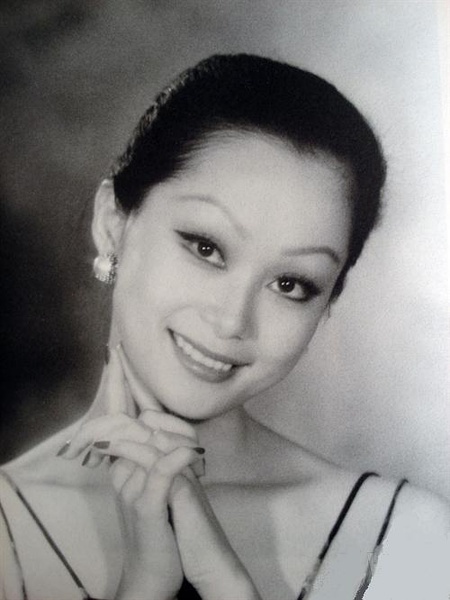
Shih Szu arrived at Shaw Brothers as a young Taiwanese dancer, and the studio immediately billed her as the successor to Cheng Pei-Pei: in The Lady Hermit they played mentor and pupil. Over the ten years of her contract she appeared in films by Chang Cheh and in the British-Hong Kong The Legend of the Seven Golden Vampires, while in Taiwan she became a TV star thanks to her cross-dressing princess in Fei Yang Jin Long. After a scandalous marriage to the architect of the island's largest financial pyramid scheme, she left the profession and now lives the life of a Buddhist laywoman.
Shih Szu arrived at Shaw Brothers as a young Taiwanese dancer, and the studio immediately billed her as the successor to Cheng Pei-Pei: in The Lady Hermit they played mentor and pupil. Over the ten years of her contract she appeared in films by Chang Cheh and in the British-Hong Kong The Legend of the Seven Golden Vampires, while in Taiwan she became a TV star thanks to her cross-dressing princess in Fei Yang Jin Long. After a scandalous marriage to the architect of the island's largest financial pyramid scheme, she left the profession and now lives the life of a Buddhist laywoman.
Shih Szu arrived at Shaw Brothers as a young Taiwanese dancer, and the studio immediately billed her as the successor to Cheng Pei-Pei: in The Lady Hermit they played mentor and pupil. Over the ten years of her contract she appeared in films by Chang Cheh and in the British-Hong Kong The Legend of the Seven Golden Vampires, while in Taiwan she became a TV star thanks to her cross-dressing princess in Fei Yang Jin Long. After a scandalous marriage to the architect of the island's largest financial pyramid scheme, she left the profession and now lives the life of a Buddhist laywoman.

Daughter of General Yu Chengwan, who lost her father in infancy during an armed raid, she entered films after winning a 1973 beauty contest and quickly became one of the most recognizable actresses of bold Hong Kong repertoire of the 1970s. In the films of Li Han-Hsiang and Chang Cheh she was equally convincing as society adventuresses, heroines of urban satires and wuxia warrior women, and years later she invested her personal savings in a 1990s crime thriller and, after its failure, finally withdrew into obscurity.
Daughter of General Yu Chengwan, who lost her father in infancy during an armed raid, she entered films after winning a 1973 beauty contest and quickly became one of the most recognizable actresses of bold Hong Kong repertoire of the 1970s. In the films of Li Han-Hsiang and Chang Cheh she was equally convincing as society adventuresses, heroines of urban satires and wuxia warrior women, and years later she invested her personal savings in a 1990s crime thriller and, after its failure, finally withdrew into obscurity.
Daughter of General Yu Chengwan, who lost her father in infancy during an armed raid, she entered films after winning a 1973 beauty contest and quickly became one of the most recognizable actresses of bold Hong Kong repertoire of the 1970s. In the films of Li Han-Hsiang and Chang Cheh she was equally convincing as society adventuresses, heroines of urban satires and wuxia warrior women, and years later she invested her personal savings in a 1990s crime thriller and, after its failure, finally withdrew into obscurity.

Shirley Dai had a reputation on Chinese television as the model heroine. Her role as a schoolgirl earned her a Golden Eagle Award nomination while she was still young, and a little later she picked up an award for playing a navy nurse. Then came historical dramas, including Huang Tai Zi Mi Shi, for which Dai also sang the title song. She found far more freedom in the role of a Qing princess in Palace 3:The Lost Daughter. There her character could get angry, shout and fight for her marriage, and when the series was still being prepared for broadcast, the actress herself ended up at the ...
Shirley Dai had a reputation on Chinese television as the model heroine. Her role as a schoolgirl earned her a Golden Eagle Award nomination while she was still young, and a little later she picked up an award for playing a navy nurse. Then came historical dramas, including Huang Tai Zi Mi Shi, for which Dai also sang the title song. She found far more freedom in the role of a Qing princess in Palace 3:The Lost Daughter. There her character could get angry, shout and fight for her marriage, and when the series was still being prepared for broadcast, the actress herself ended up at the ...
Shirley Dai had a reputation on Chinese television as the model heroine. Her role as a schoolgirl earned her a Golden Eagle Award nomination while she was still young, and a little later she picked up an award for playing a navy nurse. Then came historical dramas, including Huang Tai Zi Mi Shi, for which Dai also sang the title song. She found far more freedom in the role of a Qing princess in Palace 3:The Lost Daughter. There her character could get angry, shout and fight for her marriage, and when the series was still being prepared for broadcast, the actress herself ended up at the ...

As a child, Song Jia learned to play the liuqin, and at her drama academy entrance exam she performed morning gymnastics. She later won a Golden Rooster for her role as the writer Xiao Hong and played the teacher Zhang Gui-Mei. Preparing for that role, Song met Zhang herself and remembered how she covers her mouth with her hand when she laughs.
As a child, Song Jia learned to play the liuqin, and at her drama academy entrance exam she performed morning gymnastics. She later won a Golden Rooster for her role as the writer Xiao Hong and played the teacher Zhang Gui-Mei. Preparing for that role, Song met Zhang herself and remembered how she covers her mouth with her hand when she laughs.
As a child, Song Jia learned to play the liuqin, and at her drama academy entrance exam she performed morning gymnastics. She later won a Golden Rooster for her role as the writer Xiao Hong and played the teacher Zhang Gui-Mei. Preparing for that role, Song met Zhang herself and remembered how she covers her mouth with her hand when she laughs.

Shih Chun translated books from Japanese, and later found himself working as an interpreter on film sets. After his role in A-Lan, he became one of the best-known actors in Taiwanese-language cinema. When Mandarin-language films began to displace Taiwanese-language ones, Shih Chun tried his hand at directing and moved into television.
Shih Chun translated books from Japanese, and later found himself working as an interpreter on film sets. After his role in A-Lan, he became one of the best-known actors in Taiwanese-language cinema. When Mandarin-language films began to displace Taiwanese-language ones, Shih Chun tried his hand at directing and moved into television.
Shih Chun translated books from Japanese, and later found himself working as an interpreter on film sets. After his role in A-Lan, he became one of the best-known actors in Taiwanese-language cinema. When Mandarin-language films began to displace Taiwanese-language ones, Shih Chun tried his hand at directing and moved into television.

Shum Wai came to the big screen almost by accident, and at a moment when he had long since stopped thinking about it: he was over thirty, working at a law firm by day and shooting evenings for Johnny Mak in Long Arm of the Law. That role earned him a Hong Kong Film Award and cemented his villainous persona for years to come. Over the next two decades he played gangsters, smugglers and corrupt cops, tried his hand at directing, and spent the last twenty years of his life far from Hong Kong cinema, in Beijing.
Shum Wai came to the big screen almost by accident, and at a moment when he had long since stopped thinking about it: he was over thirty, working at a law firm by day and shooting evenings for Johnny Mak in Long Arm of the Law. That role earned him a Hong Kong Film Award and cemented his villainous persona for years to come. Over the next two decades he played gangsters, smugglers and corrupt cops, tried his hand at directing, and spent the last twenty years of his life far from Hong Kong cinema, in Beijing.
Shum Wai came to the big screen almost by accident, and at a moment when he had long since stopped thinking about it: he was over thirty, working at a law firm by day and shooting evenings for Johnny Mak in Long Arm of the Law. That role earned him a Hong Kong Film Award and cemented his villainous persona for years to come. Over the next two decades he played gangsters, smugglers and corrupt cops, tried his hand at directing, and spent the last twenty years of his life far from Hong Kong cinema, in Beijing.

The youngest son of Sammo Hung, Sammy Hung grew up in a family where martial arts cinema was the family trade, yet in his career he chose to make his way without his father's name. Tall and lean, he looks nothing like his famous father, and in films he is often cast as villains and fighters. Over more than twenty years he has appeared in films by Benny Chan, Dante Lam and Oxide Pang, played leading roles in several action movies, and became the star of a popular internet film.
The youngest son of Sammo Hung, Sammy Hung grew up in a family where martial arts cinema was the family trade, yet in his career he chose to make his way without his father's name. Tall and lean, he looks nothing like his famous father, and in films he is often cast as villains and fighters. Over more than twenty years he has appeared in films by Benny Chan, Dante Lam and Oxide Pang, played leading roles in several action movies, and became the star of a popular internet film.
The youngest son of Sammo Hung, Sammy Hung grew up in a family where martial arts cinema was the family trade, yet in his career he chose to make his way without his father's name. Tall and lean, he looks nothing like his famous father, and in films he is often cast as villains and fighters. Over more than twenty years he has appeared in films by Benny Chan, Dante Lam and Oxide Pang, played leading roles in several action movies, and became the star of a popular internet film.

Few people in the Chinese internet film industry work as much as Shi Xuan-Ru: over ten years she has played dozens of roles in fantasy, adventure and detective films for online platforms, from fox spirits and sorceresses to the concubine Daji and Empress Wu Zetian. A girl from a poor family, she got into film almost by chance, and for her resemblance to a famous star journalists nicknamed her "little Fan Bingbing."
Few people in the Chinese internet film industry work as much as Shi Xuan-Ru: over ten years she has played dozens of roles in fantasy, adventure and detective films for online platforms, from fox spirits and sorceresses to the concubine Daji and Empress Wu Zetian. A girl from a poor family, she got into film almost by chance, and for her resemblance to a famous star journalists nicknamed her "little Fan Bingbing."
Few people in the Chinese internet film industry work as much as Shi Xuan-Ru: over ten years she has played dozens of roles in fantasy, adventure and detective films for online platforms, from fox spirits and sorceresses to the concubine Daji and Empress Wu Zetian. A girl from a poor family, she got into film almost by chance, and for her resemblance to a famous star journalists nicknamed her "little Fan Bingbing."

Radio host, actor, screenwriter and director Simon Lui earned the nickname "King of Ghosts" for his late-night supernatural radio programs and his role as feng shui master Peter Bat in the Troublesome Night film series. At the turn of the 1990s and 2000s he was arguably the busiest actor in Hong Kong cinema – 27 films featuring him were released in 1999 – while also writing screenplays and producing supernatural films. In recent years he lived in Guangzhou and in September 2026 died of cancer.
Radio host, actor, screenwriter and director Simon Lui earned the nickname "King of Ghosts" for his late-night supernatural radio programs and his role as feng shui master Peter Bat in the Troublesome Night film series. At the turn of the 1990s and 2000s he was arguably the busiest actor in Hong Kong cinema – 27 films featuring him were released in 1999 – while also writing screenplays and producing supernatural films. In recent years he lived in Guangzhou and in September 2026 died of cancer.
Radio host, actor, screenwriter and director Simon Lui earned the nickname "King of Ghosts" for his late-night supernatural radio programs and his role as feng shui master Peter Bat in the Troublesome Night film series. At the turn of the 1990s and 2000s he was arguably the busiest actor in Hong Kong cinema – 27 films featuring him were released in 1999 – while also writing screenplays and producing supernatural films. In recent years he lived in Guangzhou and in September 2026 died of cancer.

A former nurse who said Bruce Lee himself steered her toward film, Siu Yam-Yam became one of the Hong Kong screen's leading "sex goddesses" in the 1970s and spent years unable to shake off the label. In the second half of her life she rebuilt her career as a character actress: two Hong Kong Film Awards for supporting roles, in The Pye-Dog and Gallants, Edmond Pang's comedies and the horror films that earned her the nickname "ghost grandma."
A former nurse who said Bruce Lee himself steered her toward film, Siu Yam-Yam became one of the Hong Kong screen's leading "sex goddesses" in the 1970s and spent years unable to shake off the label. In the second half of her life she rebuilt her career as a character actress: two Hong Kong Film Awards for supporting roles, in The Pye-Dog and Gallants, Edmond Pang's comedies and the horror films that earned her the nickname "ghost grandma."
A former nurse who said Bruce Lee himself steered her toward film, Siu Yam-Yam became one of the Hong Kong screen's leading "sex goddesses" in the 1970s and spent years unable to shake off the label. In the second half of her life she rebuilt her career as a character actress: two Hong Kong Film Awards for supporting roles, in The Pye-Dog and Gallants, Edmond Pang's comedies and the horror films that earned her the nickname "ghost grandma."

Taiwanese actress and pipa player Shirley Lui (Lui Sau-Ling) was one of the "Chong Yao girls" in the early 1980s – heroines of adaptations of the famous writer's novels, where she was promoted as Brigitte Lin Ching-Hsia's successor. She appeared in Errant Love, My Cape of Many Dreams and Burn Phoenix Burn, and from the second half of the 1980s worked mainly in Hong Kong until she retired from cinema in 1994.
Taiwanese actress and pipa player Shirley Lui (Lui Sau-Ling) was one of the "Chong Yao girls" in the early 1980s – heroines of adaptations of the famous writer's novels, where she was promoted as Brigitte Lin Ching-Hsia's successor. She appeared in Errant Love, My Cape of Many Dreams and Burn Phoenix Burn, and from the second half of the 1980s worked mainly in Hong Kong until she retired from cinema in 1994.
Taiwanese actress and pipa player Shirley Lui (Lui Sau-Ling) was one of the "Chong Yao girls" in the early 1980s – heroines of adaptations of the famous writer's novels, where she was promoted as Brigitte Lin Ching-Hsia's successor. She appeared in Errant Love, My Cape of Many Dreams and Burn Phoenix Burn, and from the second half of the 1980s worked mainly in Hong Kong until she retired from cinema in 1994.

A Miss Chinese International 1988 pageant winner, Sharon Kwok appeared in early 1990s Hong Kong action films, comedies and erotic movies – from the actioner The Outlaw Brothers to Sex For Sale – before leaving cinema to devote herself to animal welfare. Today she is best known in Hong Kong as the founder of Hong Kong Parrot Rescue, which saves parrots, while her family life – marriages to actor Chin Siu-Ho and to "steel king" heir Pong Ting-Yun – remains a perennial subject of the society pages.
A Miss Chinese International 1988 pageant winner, Sharon Kwok appeared in early 1990s Hong Kong action films, comedies and erotic movies – from the actioner The Outlaw Brothers to Sex For Sale – before leaving cinema to devote herself to animal welfare. Today she is best known in Hong Kong as the founder of Hong Kong Parrot Rescue, which saves parrots, while her family life – marriages to actor Chin Siu-Ho and to "steel king" heir Pong Ting-Yun – remains a perennial subject of the society pages.
A Miss Chinese International 1988 pageant winner, Sharon Kwok appeared in early 1990s Hong Kong action films, comedies and erotic movies – from the actioner The Outlaw Brothers to Sex For Sale – before leaving cinema to devote herself to animal welfare. Today she is best known in Hong Kong as the founder of Hong Kong Parrot Rescue, which saves parrots, while her family life – marriages to actor Chin Siu-Ho and to "steel king" heir Pong Ting-Yun – remains a perennial subject of the society pages.

Founder of the Shaw Brothers Hong Kong empire and the TVB television network, Sir Run Run Shaw spent nearly half a century shaping what Chinese-language audiences from Hong Kong to Singapore watched. Under his leadership came hundreds of films — from the opera classic The Love Eterne to the wuxia films Come Drink with Me and One-Armed Swordsman — and he himself earned the nickname "King of Asian Cinema." In his later years he also became famous as one of China's greatest philanthropists: thousands of school buildings and an international science prize bear his name.
Founder of the Shaw Brothers Hong Kong empire and the TVB television network, Sir Run Run Shaw spent nearly half a century shaping what Chinese-language audiences from Hong Kong to Singapore watched. Under his leadership came hundreds of films — from the opera classic The Love Eterne to the wuxia films Come Drink with Me and One-Armed Swordsman — and he himself earned the nickname "King of Asian Cinema." In his later years he also became famous as one of China's greatest philanthropists: thousands of school buildings and an international science prize bear his name.
Founder of the Shaw Brothers Hong Kong empire and the TVB television network, Sir Run Run Shaw spent nearly half a century shaping what Chinese-language audiences from Hong Kong to Singapore watched. Under his leadership came hundreds of films — from the opera classic The Love Eterne to the wuxia films Come Drink with Me and One-Armed Swordsman — and he himself earned the nickname "King of Asian Cinema." In his later years he also became famous as one of China's greatest philanthropists: thousands of school buildings and an international science prize bear his name.

Taiwanese actor and taekwondo master Sun Chien was part of the famous "Venom Mob" – the group of fighters director Chang Cheh used in his films at Shaw Brothers in the late 1970s. His best-known role is the Scorpion in The Five Venoms, and his spectacular kicks earned him the nickname "the Korean kicking master," even though he was not Korean.
Taiwanese actor and taekwondo master Sun Chien was part of the famous "Venom Mob" – the group of fighters director Chang Cheh used in his films at Shaw Brothers in the late 1970s. His best-known role is the Scorpion in The Five Venoms, and his spectacular kicks earned him the nickname "the Korean kicking master," even though he was not Korean.
Taiwanese actor and taekwondo master Sun Chien was part of the famous "Venom Mob" – the group of fighters director Chang Cheh used in his films at Shaw Brothers in the late 1970s. His best-known role is the Scorpion in The Five Venoms, and his spectacular kicks earned him the nickname "the Korean kicking master," even though he was not Korean.

American actress, producer, and writer Shannon Lee is the daughter of Bruce Lee and the chief guardian of his legacy: she heads the family company that owns the rights to her father's name and image, as well as the foundation named after him. In the 1990s she tried her hand at action films and starred in the Hong Kong movie Enter the Eagles, and later became an executive producer of the series Warrior, based on an idea by Bruce Lee.
American actress, producer, and writer Shannon Lee is the daughter of Bruce Lee and the chief guardian of his legacy: she heads the family company that owns the rights to her father's name and image, as well as the foundation named after him. In the 1990s she tried her hand at action films and starred in the Hong Kong movie Enter the Eagles, and later became an executive producer of the series Warrior, based on an idea by Bruce Lee.
American actress, producer, and writer Shannon Lee is the daughter of Bruce Lee and the chief guardian of his legacy: she heads the family company that owns the rights to her father's name and image, as well as the foundation named after him. In the 1990s she tried her hand at action films and starred in the Hong Kong movie Enter the Eagles, and later became an executive producer of the series Warrior, based on an idea by Bruce Lee.

The niece of actress Jiang Wen-Li, Sandra Ma first appeared on screen as a child, and in 2016 shared the Golden Horse Award for Best Actress with Zhou Dong-Yu for her role in Derek Tsang's drama Soul Mate. She has worked with Tsui Hark, Lou Ye and Ann Hui, and starred in the hit series Love Me, If You Dare and You are My Hero. In 2026, two films featuring her were released – the comedy Now I Met Her and the melodrama Crossing a Dawn.
The niece of actress Jiang Wen-Li, Sandra Ma first appeared on screen as a child, and in 2016 shared the Golden Horse Award for Best Actress with Zhou Dong-Yu for her role in Derek Tsang's drama Soul Mate. She has worked with Tsui Hark, Lou Ye and Ann Hui, and starred in the hit series Love Me, If You Dare and You are My Hero. In 2026, two films featuring her were released – the comedy Now I Met Her and the melodrama Crossing a Dawn.
The niece of actress Jiang Wen-Li, Sandra Ma first appeared on screen as a child, and in 2016 shared the Golden Horse Award for Best Actress with Zhou Dong-Yu for her role in Derek Tsang's drama Soul Mate. She has worked with Tsui Hark, Lou Ye and Ann Hui, and starred in the hit series Love Me, If You Dare and You are My Hero. In 2026, two films featuring her were released – the comedy Now I Met Her and the melodrama Crossing a Dawn.

Singer and actress Stephy Tang started out in the early 2000s as the lead vocalist of the girl group Cookies and became the face of Patrick Kong's youth romantic comedies – above all the cycle about a girl named Ah Bo. In the second half of the 2010s she decisively changed her image: her role as a karateka in the drama The Empty Hands (2017) earned her a Hong Kong Film Critics Society Award, while her performances in My Prince Edward (2019) and Love Lies (2024) brought her Hong Kong Film Award nominations. In 2025, more than twenty years after her debut, she gave her first solo concert at ...
Singer and actress Stephy Tang started out in the early 2000s as the lead vocalist of the girl group Cookies and became the face of Patrick Kong's youth romantic comedies – above all the cycle about a girl named Ah Bo. In the second half of the 2010s she decisively changed her image: her role as a karateka in the drama The Empty Hands (2017) earned her a Hong Kong Film Critics Society Award, while her performances in My Prince Edward (2019) and Love Lies (2024) brought her Hong Kong Film Award nominations. In 2025, more than twenty years after her debut, she gave her first solo concert at ...
Singer and actress Stephy Tang started out in the early 2000s as the lead vocalist of the girl group Cookies and became the face of Patrick Kong's youth romantic comedies – above all the cycle about a girl named Ah Bo. In the second half of the 2010s she decisively changed her image: her role as a karateka in the drama The Empty Hands (2017) earned her a Hong Kong Film Critics Society Award, while her performances in My Prince Edward (2019) and Love Lies (2024) brought her Hong Kong Film Award nominations. In 2025, more than twenty years after her debut, she gave her first solo concert at ...
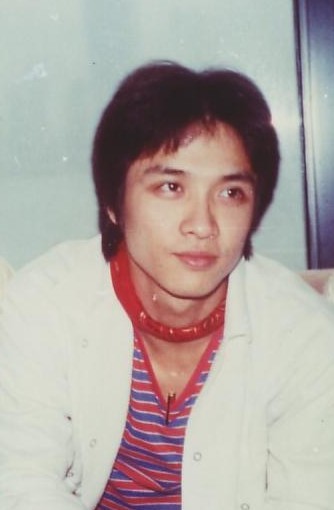
As a boy, Stephen Tung Wai appeared in Enter the Dragon as a young student to whom Bruce Lee Siu-Lung explains that a finger pointing at the moon is not the moon itself. Half a century later, he is one of the most decorated action choreographers in the history of Chinese cinema: seven Hong Kong Film Awards and two Golden Horse Awards, collaborations with John Woo, Tsui Hark, Wong Kar-Wai and Zhang Yi-Mou. The industry calls him the "philosopher of action," and in 2024 he unexpectedly took the lead role — an aging stunt director in the drama Stuntman.
As a boy, Stephen Tung Wai appeared in Enter the Dragon as a young student to whom Bruce Lee Siu-Lung explains that a finger pointing at the moon is not the moon itself. Half a century later, he is one of the most decorated action choreographers in the history of Chinese cinema: seven Hong Kong Film Awards and two Golden Horse Awards, collaborations with John Woo, Tsui Hark, Wong Kar-Wai and Zhang Yi-Mou. The industry calls him the "philosopher of action," and in 2024 he unexpectedly took the lead role — an aging stunt director in the drama Stuntman.
As a boy, Stephen Tung Wai appeared in Enter the Dragon as a young student to whom Bruce Lee Siu-Lung explains that a finger pointing at the moon is not the moon itself. Half a century later, he is one of the most decorated action choreographers in the history of Chinese cinema: seven Hong Kong Film Awards and two Golden Horse Awards, collaborations with John Woo, Tsui Hark, Wong Kar-Wai and Zhang Yi-Mou. The industry calls him the "philosopher of action," and in 2024 he unexpectedly took the lead role — an aging stunt director in the drama Stuntman.

Hong Kong cinema has known many actors who found fame in old age, but it would be hard to find another whose stardom arrived so late and lasted so briefly. For nearly forty years, Simon Yuen Siu-Tin worked in film as a man known only to his colleagues: a stuntman, action choreographer, and bit-part player of villains and old men. Then, at 65, he played a beggarly drunk who teaches the young Jackie Chan — and within a single year became one of the most recognizable faces in the genre. Sadly, he had almost no time to savor his success. What he did leave behind was an entire dynasty — the ...
Hong Kong cinema has known many actors who found fame in old age, but it would be hard to find another whose stardom arrived so late and lasted so briefly. For nearly forty years, Simon Yuen Siu-Tin worked in film as a man known only to his colleagues: a stuntman, action choreographer, and bit-part player of villains and old men. Then, at 65, he played a beggarly drunk who teaches the young Jackie Chan — and within a single year became one of the most recognizable faces in the genre. Sadly, he had almost no time to savor his success. What he did leave behind was an entire dynasty — the ...
Hong Kong cinema has known many actors who found fame in old age, but it would be hard to find another whose stardom arrived so late and lasted so briefly. For nearly forty years, Simon Yuen Siu-Tin worked in film as a man known only to his colleagues: a stuntman, action choreographer, and bit-part player of villains and old men. Then, at 65, he played a beggarly drunk who teaches the young Jackie Chan — and within a single year became one of the most recognizable faces in the genre. Sadly, he had almost no time to savor his success. What he did leave behind was an entire dynasty — the ...
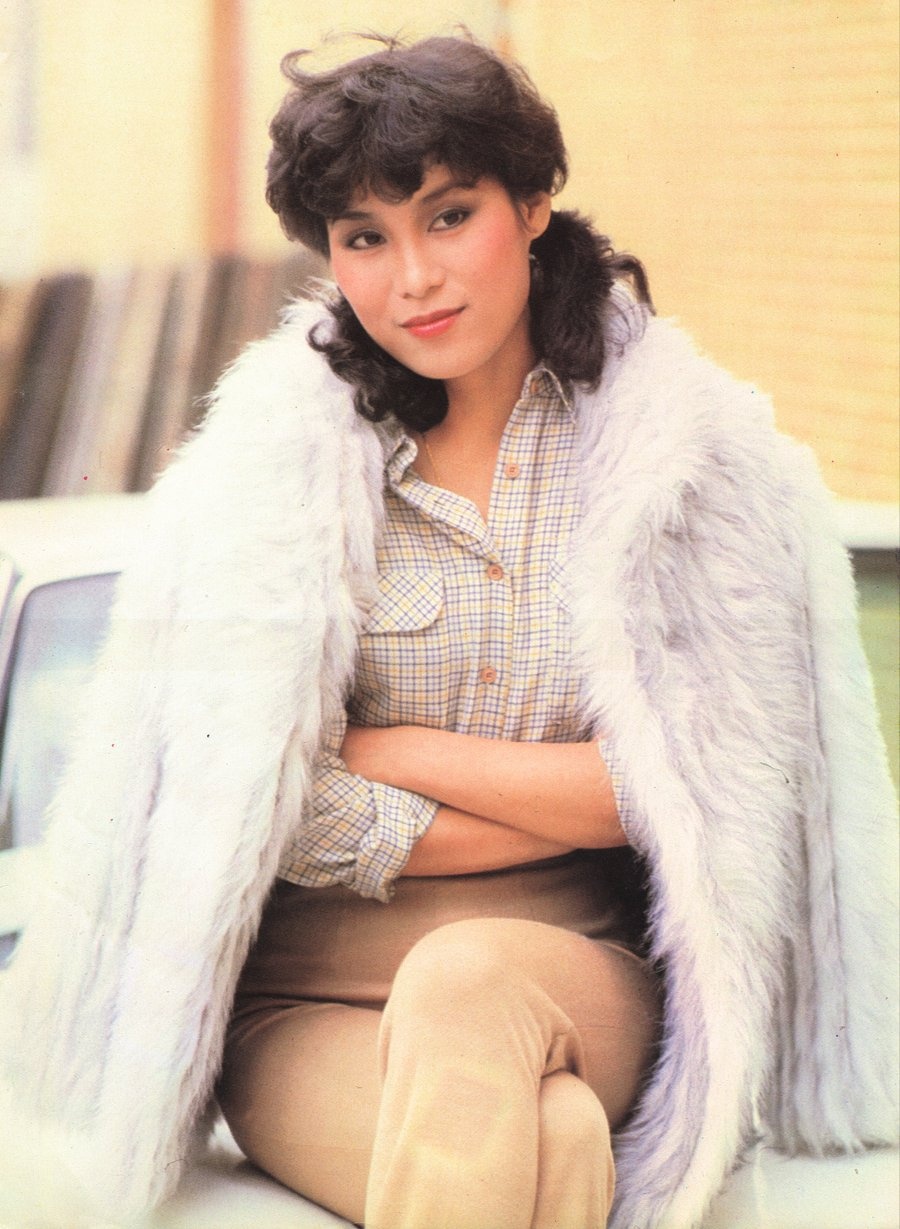
A girl who grew up on film sets, a graduate of the Peking Opera school and a Shaw Brothers stuntwoman, Sharon Yeung became one of the first Hong Kong kung fu heroines to perform her own stunts — the press called her "Jackie Chan in a skirt." In the 1980s, audiences knew her from TVB wuxia series, above all for her role as Mu Nianci in The Legend of the Condor Heroes; she then became one of the "gun girls" in police action films, and from the mid-1990s she moved behind the camera — as a producer, screenwriter, action choreographer and director.
A girl who grew up on film sets, a graduate of the Peking Opera school and a Shaw Brothers stuntwoman, Sharon Yeung became one of the first Hong Kong kung fu heroines to perform her own stunts — the press called her "Jackie Chan in a skirt." In the 1980s, audiences knew her from TVB wuxia series, above all for her role as Mu Nianci in The Legend of the Condor Heroes; she then became one of the "gun girls" in police action films, and from the mid-1990s she moved behind the camera — as a producer, screenwriter, action choreographer and director.
A girl who grew up on film sets, a graduate of the Peking Opera school and a Shaw Brothers stuntwoman, Sharon Yeung became one of the first Hong Kong kung fu heroines to perform her own stunts — the press called her "Jackie Chan in a skirt." In the 1980s, audiences knew her from TVB wuxia series, above all for her role as Mu Nianci in The Legend of the Condor Heroes; she then became one of the "gun girls" in police action films, and from the mid-1990s she moved behind the camera — as a producer, screenwriter, action choreographer and director.

An actress, director, screenwriter, producer and singer, Sylvia Chang has remained one of the leading figures of Taiwanese and Hong Kong cinema for more than half a century. She has won Taiwan's Golden Horse Award four times as an actress and the Hong Kong Film Award twice, produced Edward Yang's debut and was one of the driving forces behind the "New Taiwanese Cinema," and as a director has made around fifteen films about love, family and women's fates, including Passion and Love Education. To mainstream audiences she is also remembered as Superintendent Nancy Ho from the Aces Go Places ...
An actress, director, screenwriter, producer and singer, Sylvia Chang has remained one of the leading figures of Taiwanese and Hong Kong cinema for more than half a century. She has won Taiwan's Golden Horse Award four times as an actress and the Hong Kong Film Award twice, produced Edward Yang's debut and was one of the driving forces behind the "New Taiwanese Cinema," and as a director has made around fifteen films about love, family and women's fates, including Passion and Love Education. To mainstream audiences she is also remembered as Superintendent Nancy Ho from the Aces Go Places ...
An actress, director, screenwriter, producer and singer, Sylvia Chang has remained one of the leading figures of Taiwanese and Hong Kong cinema for more than half a century. She has won Taiwan's Golden Horse Award four times as an actress and the Hong Kong Film Award twice, produced Edward Yang's debut and was one of the driving forces behind the "New Taiwanese Cinema," and as a director has made around fifteen films about love, family and women's fates, including Passion and Love Education. To mainstream audiences she is also remembered as Superintendent Nancy Ho from the Aces Go Places ...

Dubbed Hong Kong's first "God of Song," Samuel Hui is regarded as the godfather of Cantopop: in the 1970s he proved that songs in the Cantonese dialect could be hip, and he wrote dozens of hits about the everyday lives of ordinary Hongkongers. In cinema he made his name as an actor, composer and co-writer of his older brother Michael Hui's comedies Games Gamblers Play and The Private Eyes, and in the 1980s as the irresistible thief King Kong in the Aces Go Places series. He retired from the stage and came back more than once, and in the 2020s, having passed his eightieth birthday, he ...
Dubbed Hong Kong's first "God of Song," Samuel Hui is regarded as the godfather of Cantopop: in the 1970s he proved that songs in the Cantonese dialect could be hip, and he wrote dozens of hits about the everyday lives of ordinary Hongkongers. In cinema he made his name as an actor, composer and co-writer of his older brother Michael Hui's comedies Games Gamblers Play and The Private Eyes, and in the 1980s as the irresistible thief King Kong in the Aces Go Places series. He retired from the stage and came back more than once, and in the 2020s, having passed his eightieth birthday, he ...
Dubbed Hong Kong's first "God of Song," Samuel Hui is regarded as the godfather of Cantopop: in the 1970s he proved that songs in the Cantonese dialect could be hip, and he wrote dozens of hits about the everyday lives of ordinary Hongkongers. In cinema he made his name as an actor, composer and co-writer of his older brother Michael Hui's comedies Games Gamblers Play and The Private Eyes, and in the 1980s as the irresistible thief King Kong in the Aces Go Places series. He retired from the stage and came back more than once, and in the 2020s, having passed his eightieth birthday, he ...

A 1980s–1990s cantopop star and the heroine of classic films by Tsui Hark and John Woo, Sally Yeh grew up in Canada and barely spoke any Chinese when she began her career. Even so, for four years running, from 1990 to 1993, she was named Hong Kong's most popular female singer, and her song from A Chinese Ghost Story won a Hong Kong Film Award. On screen, her finest roles came in Shanghai Blues, Peking Opera Blues, for which she was nominated for a Hong Kong Film Award as Best Actress, and The Killer. Her marriage to singer and mentor George Lam, now going on thirty years, is one of the ...
A 1980s–1990s cantopop star and the heroine of classic films by Tsui Hark and John Woo, Sally Yeh grew up in Canada and barely spoke any Chinese when she began her career. Even so, for four years running, from 1990 to 1993, she was named Hong Kong's most popular female singer, and her song from A Chinese Ghost Story won a Hong Kong Film Award. On screen, her finest roles came in Shanghai Blues, Peking Opera Blues, for which she was nominated for a Hong Kong Film Award as Best Actress, and The Killer. Her marriage to singer and mentor George Lam, now going on thirty years, is one of the ...
A 1980s–1990s cantopop star and the heroine of classic films by Tsui Hark and John Woo, Sally Yeh grew up in Canada and barely spoke any Chinese when she began her career. Even so, for four years running, from 1990 to 1993, she was named Hong Kong's most popular female singer, and her song from A Chinese Ghost Story won a Hong Kong Film Award. On screen, her finest roles came in Shanghai Blues, Peking Opera Blues, for which she was nominated for a Hong Kong Film Award as Best Actress, and The Killer. Her marriage to singer and mentor George Lam, now going on thirty years, is one of the ...
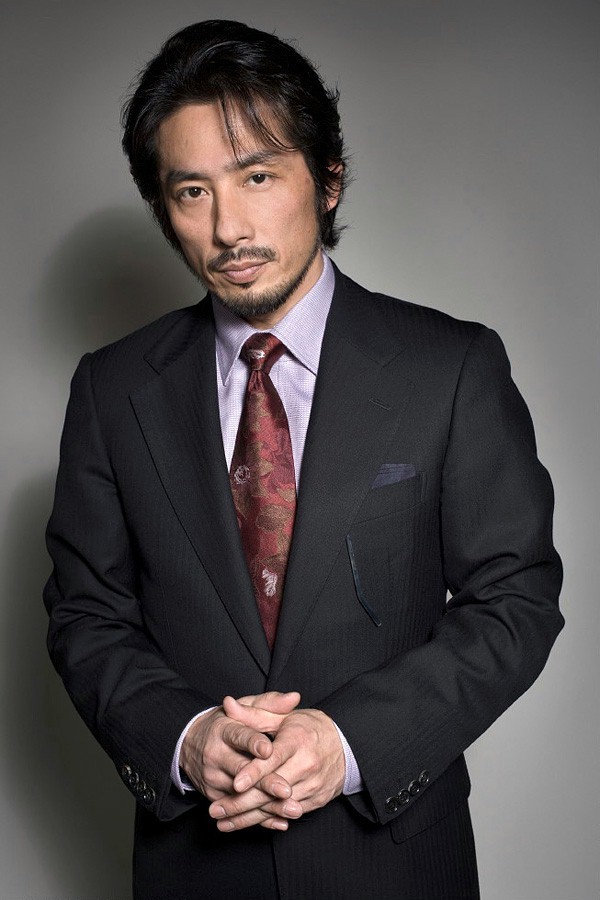
A protégé of Sonny Chiba Shinichi who began in Japanese ninja and samurai actioners, Sanada Hiroyuki travelled a long road from action star to dramatic actor of world stature. He appeared in films by Yoji Yamada and Hideo Nakata, played the Fool in the Royal Shakespeare Company's King Lear, and worked in Hollywood with Edward Zwick and Danny Boyle, and in 2024 he became the first Japanese to win an Emmy for Best Actor in a Drama Series – for the series Shogun, which he also produced. His work in Hong Kong and Chinese cinema is limited, but it includes the 1980s classics Ninja in the ...
A protégé of Sonny Chiba Shinichi who began in Japanese ninja and samurai actioners, Sanada Hiroyuki travelled a long road from action star to dramatic actor of world stature. He appeared in films by Yoji Yamada and Hideo Nakata, played the Fool in the Royal Shakespeare Company's King Lear, and worked in Hollywood with Edward Zwick and Danny Boyle, and in 2024 he became the first Japanese to win an Emmy for Best Actor in a Drama Series – for the series Shogun, which he also produced. His work in Hong Kong and Chinese cinema is limited, but it includes the 1980s classics Ninja in the ...
A protégé of Sonny Chiba Shinichi who began in Japanese ninja and samurai actioners, Sanada Hiroyuki travelled a long road from action star to dramatic actor of world stature. He appeared in films by Yoji Yamada and Hideo Nakata, played the Fool in the Royal Shakespeare Company's King Lear, and worked in Hollywood with Edward Zwick and Danny Boyle, and in 2024 he became the first Japanese to win an Emmy for Best Actor in a Drama Series – for the series Shogun, which he also produced. His work in Hong Kong and Chinese cinema is limited, but it includes the 1980s classics Ninja in the ...
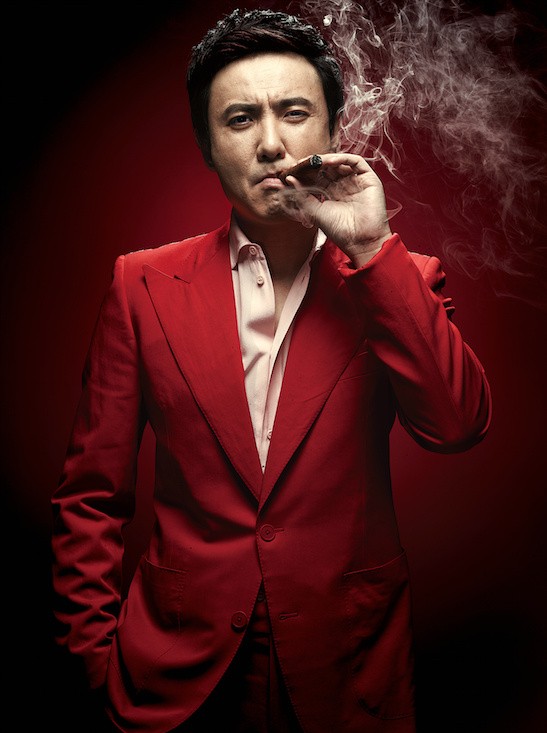
No actor in the history of Chinese cinema has had films gross as much as Shen Teng: in February 2026, the combined box office of the pictures he has appeared in surpassed 40 billion yuan for the first time. A graduate of the Army Academy of Art and a veteran of the Beijing comedy troupe Mahua FunAge, he rose to fame on CCTV's New Year's Gala in the guise of the charming rogue Hao Jian, and then became the "king of comedy" — from Goodbye Mr. Loser to Hi, Mom, Moon Man and Zhang Yi-Mou's Full River Red. In 2026, playing an émigré chef in the drama Once Upon a Time in the Middle East, he ...
No actor in the history of Chinese cinema has had films gross as much as Shen Teng: in February 2026, the combined box office of the pictures he has appeared in surpassed 40 billion yuan for the first time. A graduate of the Army Academy of Art and a veteran of the Beijing comedy troupe Mahua FunAge, he rose to fame on CCTV's New Year's Gala in the guise of the charming rogue Hao Jian, and then became the "king of comedy" — from Goodbye Mr. Loser to Hi, Mom, Moon Man and Zhang Yi-Mou's Full River Red. In 2026, playing an émigré chef in the drama Once Upon a Time in the Middle East, he ...
No actor in the history of Chinese cinema has had films gross as much as Shen Teng: in February 2026, the combined box office of the pictures he has appeared in surpassed 40 billion yuan for the first time. A graduate of the Army Academy of Art and a veteran of the Beijing comedy troupe Mahua FunAge, he rose to fame on CCTV's New Year's Gala in the guise of the charming rogue Hao Jian, and then became the "king of comedy" — from Goodbye Mr. Loser to Hi, Mom, Moon Man and Zhang Yi-Mou's Full River Red. In 2026, playing an émigré chef in the drama Once Upon a Time in the Middle East, he ...

Beijing movie star Summer Xu (Xu Qing) was dubbed the greatest beauty and the "sex symbol" of Chinese television in the 1990s, and twenty years later she won a Hundred Flowers Award for Best Actress for her role in Guan Hu's drama Mr. Six. As a student she played the lead in a Chen Kaige film, then went on to work with Jiang Wen, Han San-Ping and Rian Johnson, while for more than a decade her character Gu Xianglan stood at the center of Stan Lai's theatrical epic Like a Dream. Summer Xu never married and long ago became a symbol of the independent woman for the Chinese press.
Beijing movie star Summer Xu (Xu Qing) was dubbed the greatest beauty and the "sex symbol" of Chinese television in the 1990s, and twenty years later she won a Hundred Flowers Award for Best Actress for her role in Guan Hu's drama Mr. Six. As a student she played the lead in a Chen Kaige film, then went on to work with Jiang Wen, Han San-Ping and Rian Johnson, while for more than a decade her character Gu Xianglan stood at the center of Stan Lai's theatrical epic Like a Dream. Summer Xu never married and long ago became a symbol of the independent woman for the Chinese press.
Beijing movie star Summer Xu (Xu Qing) was dubbed the greatest beauty and the "sex symbol" of Chinese television in the 1990s, and twenty years later she won a Hundred Flowers Award for Best Actress for her role in Guan Hu's drama Mr. Six. As a student she played the lead in a Chen Kaige film, then went on to work with Jiang Wen, Han San-Ping and Rian Johnson, while for more than a decade her character Gu Xianglan stood at the center of Stan Lai's theatrical epic Like a Dream. Summer Xu never married and long ago became a symbol of the independent woman for the Chinese press.

Director Xie Jin once called Siqin Gaowa "the only actress in China who will be able to act well into old age" – and she proved him right. A former dancer from Inner Mongolia, she rose to fame at the turn of the 1980s, became the first actress from mainland China to win the HKFA for Best Actress, and later became the go-to performer for empresses and domineering old women on Chinese television. Over sixty years in the profession, she played the fierce Tigress in Rickshaw Boy, the mother who owns an oil mill in The Women From the Lake of Scented Souls, and the Shanghai auntie in Ann Hui ...
Director Xie Jin once called Siqin Gaowa "the only actress in China who will be able to act well into old age" – and she proved him right. A former dancer from Inner Mongolia, she rose to fame at the turn of the 1980s, became the first actress from mainland China to win the HKFA for Best Actress, and later became the go-to performer for empresses and domineering old women on Chinese television. Over sixty years in the profession, she played the fierce Tigress in Rickshaw Boy, the mother who owns an oil mill in The Women From the Lake of Scented Souls, and the Shanghai auntie in Ann Hui ...
Director Xie Jin once called Siqin Gaowa "the only actress in China who will be able to act well into old age" – and she proved him right. A former dancer from Inner Mongolia, she rose to fame at the turn of the 1980s, became the first actress from mainland China to win the HKFA for Best Actress, and later became the go-to performer for empresses and domineering old women on Chinese television. Over sixty years in the profession, she played the fierce Tigress in Rickshaw Boy, the mother who owns an oil mill in The Women From the Lake of Scented Souls, and the Shanghai auntie in Ann Hui ...

The queen of Chinese comedy sketches, Song Dan-Dan kept the country laughing on New Year's Eve for nearly twenty years: her old lady Bai Yun, bickering with her husband Hei Tu played by Zhao Ben-Shan, became one of the most beloved characters of the CCTV gala. And for 1990s television audiences she will forever remain the talkative housewife He Ping from the legendary sitcom I Love My Family. Behind this fame lie forty years on the stage of the Beijing People's Art Theatre, roles in Lao She's Teahouse and White Magnolia for Best Actress.
The queen of Chinese comedy sketches, Song Dan-Dan kept the country laughing on New Year's Eve for nearly twenty years: her old lady Bai Yun, bickering with her husband Hei Tu played by Zhao Ben-Shan, became one of the most beloved characters of the CCTV gala. And for 1990s television audiences she will forever remain the talkative housewife He Ping from the legendary sitcom I Love My Family. Behind this fame lie forty years on the stage of the Beijing People's Art Theatre, roles in Lao She's Teahouse and White Magnolia for Best Actress.
The queen of Chinese comedy sketches, Song Dan-Dan kept the country laughing on New Year's Eve for nearly twenty years: her old lady Bai Yun, bickering with her husband Hei Tu played by Zhao Ben-Shan, became one of the most beloved characters of the CCTV gala. And for 1990s television audiences she will forever remain the talkative housewife He Ping from the legendary sitcom I Love My Family. Behind this fame lie forty years on the stage of the Beijing People's Art Theatre, roles in Lao She's Teahouse and White Magnolia for Best Actress.

In the 1980s they called him the "Breakdance King of the Northeast," in the 1990s he sang in nightclubs, and in the 2000s he became Chinese television's number one "bad guy." Sun Hong-Lei is a Harbin-born self-made man with narrow eyes and a scorching gaze, equally convincing as a gangster in the series Zheng Fu, a spy in the legendary Lurk, and a cop in Johnnie To Kei-Fung's Drug War. He has worked with Zhang Yi-Mou, Chen Kaige, Feng Xiao-Gang and Tsui Hark, played Jamukha in Sergei Bodrov's Oscar-nominated Mongol, and has collected all of China's major television awards.
In the 1980s they called him the "Breakdance King of the Northeast," in the 1990s he sang in nightclubs, and in the 2000s he became Chinese television's number one "bad guy." Sun Hong-Lei is a Harbin-born self-made man with narrow eyes and a scorching gaze, equally convincing as a gangster in the series Zheng Fu, a spy in the legendary Lurk, and a cop in Johnnie To Kei-Fung's Drug War. He has worked with Zhang Yi-Mou, Chen Kaige, Feng Xiao-Gang and Tsui Hark, played Jamukha in Sergei Bodrov's Oscar-nominated Mongol, and has collected all of China's major television awards.
In the 1980s they called him the "Breakdance King of the Northeast," in the 1990s he sang in nightclubs, and in the 2000s he became Chinese television's number one "bad guy." Sun Hong-Lei is a Harbin-born self-made man with narrow eyes and a scorching gaze, equally convincing as a gangster in the series Zheng Fu, a spy in the legendary Lurk, and a cop in Johnnie To Kei-Fung's Drug War. He has worked with Zhang Yi-Mou, Chen Kaige, Feng Xiao-Gang and Tsui Hark, played Jamukha in Sergei Bodrov's Oscar-nominated Mongol, and has collected all of China's major television awards.

Stanley Fung was one of the most recognizable comedians in 1980s Hong Kong cinema, even though he rarely had leading roles. Audiences remember him above all for the Lucky Stars series, in which he played the hot-tempered and perpetually disgruntled Rhino, and for comedies like The Romancing Star and The Crazy Companies, in which he was the senior colleague of the heroes played by Chow Yun-Fat and Andy Lau. But over half a century in the profession, Fung had also been a television star, a producer, and a director, and in his mature years he unexpectedly revealed himself as a serious ...
Stanley Fung was one of the most recognizable comedians in 1980s Hong Kong cinema, even though he rarely had leading roles. Audiences remember him above all for the Lucky Stars series, in which he played the hot-tempered and perpetually disgruntled Rhino, and for comedies like The Romancing Star and The Crazy Companies, in which he was the senior colleague of the heroes played by Chow Yun-Fat and Andy Lau. But over half a century in the profession, Fung had also been a television star, a producer, and a director, and in his mature years he unexpectedly revealed himself as a serious ...
Stanley Fung was one of the most recognizable comedians in 1980s Hong Kong cinema, even though he rarely had leading roles. Audiences remember him above all for the Lucky Stars series, in which he played the hot-tempered and perpetually disgruntled Rhino, and for comedies like The Romancing Star and The Crazy Companies, in which he was the senior colleague of the heroes played by Chow Yun-Fat and Andy Lau. But over half a century in the profession, Fung had also been a television star, a producer, and a director, and in his mature years he unexpectedly revealed himself as a serious ...


Practically every star of the Girls with Guns genre, so popular in Hong Kong at the turn of the 1990s, became one thanks to impressive combat and physical training. Sibelle Hu is the exception. Despite appearing in several dozen hand-to-hand action films over the course of her career, this actress has no martial arts skills whatsoever. What she does have is a striking, memorable look and a willingness to take risks.
Practically every star of the Girls with Guns genre, so popular in Hong Kong at the turn of the 1990s, became one thanks to impressive combat and physical training. Sibelle Hu is the exception. Despite appearing in several dozen hand-to-hand action films over the course of her career, this actress has no martial arts skills whatsoever. What she does have is a striking, memorable look and a willingness to take risks.
Practically every star of the Girls with Guns genre, so popular in Hong Kong at the turn of the 1990s, became one thanks to impressive combat and physical training. Sibelle Hu is the exception. Despite appearing in several dozen hand-to-hand action films over the course of her career, this actress has no martial arts skills whatsoever. What she does have is a striking, memorable look and a willingness to take risks.


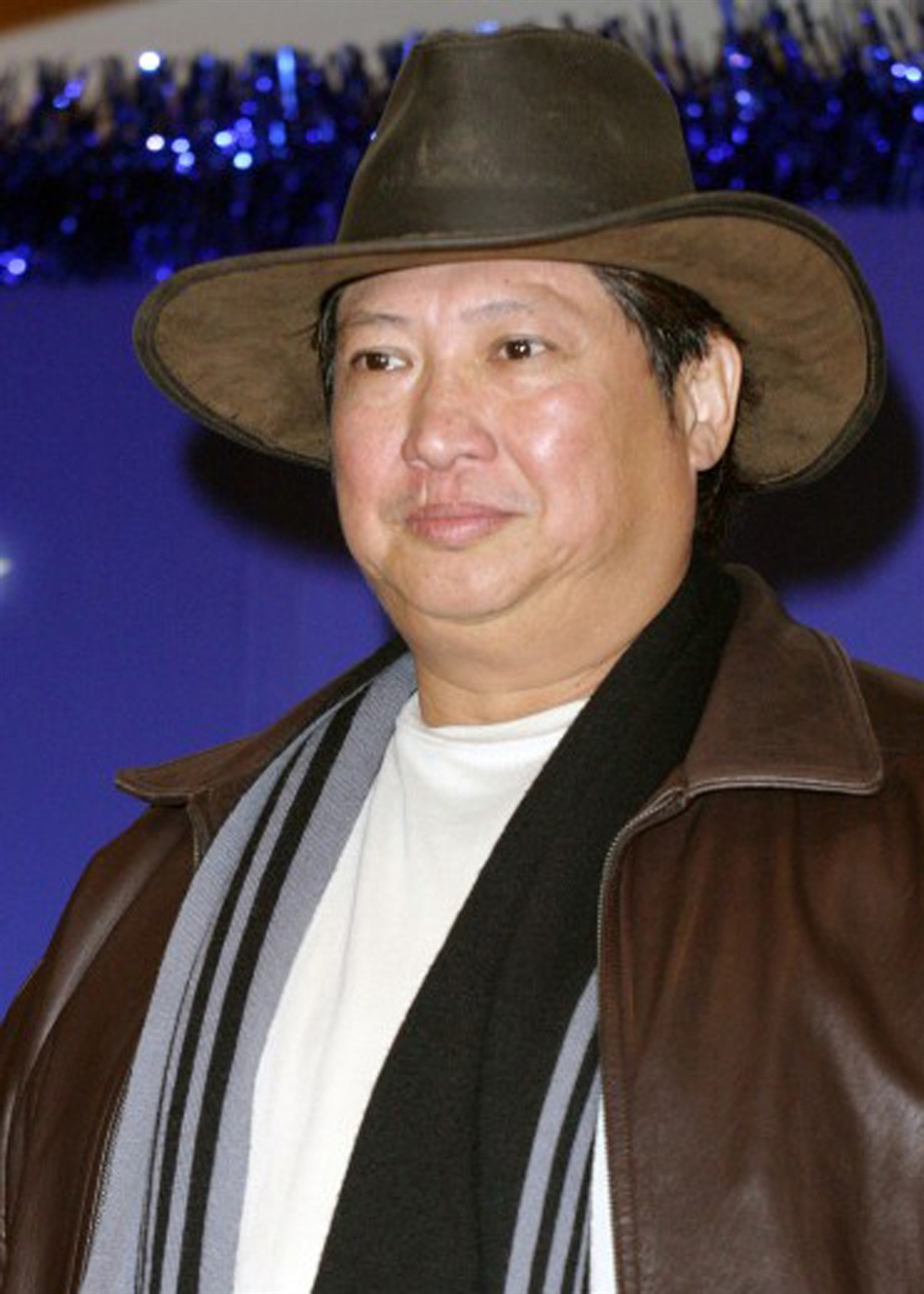

Stanley was born and raised in Hong Kong, and his greatest influence was Bruce Lee, whose work Stanley encountered at a young age. When he turned 12, he began training with various kung fu masters. Over that time he studied a huge number of different styles and techniques, such as Hung Boxing, Tai-Chi, Kickboxing, Wing Chun, Chi Gong, as well as northern styles and techniques of handling the sword, spear and staff, and he also spent time as an acrobat, devoting quite a long period to the trampoline and gymnastics. All this hard study led him to a teaching position in Chinatown in Canada, ...
Stanley was born and raised in Hong Kong, and his greatest influence was Bruce Lee, whose work Stanley encountered at a young age. When he turned 12, he began training with various kung fu masters. Over that time he studied a huge number of different styles and techniques, such as Hung Boxing, Tai-Chi, Kickboxing, Wing Chun, Chi Gong, as well as northern styles and techniques of handling the sword, spear and staff, and he also spent time as an acrobat, devoting quite a long period to the trampoline and gymnastics. All this hard study led him to a teaching position in Chinatown in Canada, ...
Stanley was born and raised in Hong Kong, and his greatest influence was Bruce Lee, whose work Stanley encountered at a young age. When he turned 12, he began training with various kung fu masters. Over that time he studied a huge number of different styles and techniques, such as Hung Boxing, Tai-Chi, Kickboxing, Wing Chun, Chi Gong, as well as northern styles and techniques of handling the sword, spear and staff, and he also spent time as an acrobat, devoting quite a long period to the trampoline and gymnastics. All this hard study led him to a teaching position in Chinatown in Canada, ...


