


Biographies

Liu Shi-Shi was preparing to teach ballet when she stumbled into film almost by accident at sixteen. For several years she played second leads in wuxia adaptations and video-game series, until the role of Ma'ertai Ruoxi in Scarlet Heart made her a star on the mainland, in Hong Kong and in Taiwan alike. Then came The Imperial Doctress, My Best Friend's Story and A Journey to Love, named Series of the Year at Weibo Night. Her husband is Nicky Wu Chi-Lung, her co-star in Scarlet Heart.
Liu Shi-Shi was preparing to teach ballet when she stumbled into film almost by accident at sixteen. For several years she played second leads in wuxia adaptations and video-game series, until the role of Ma'ertai Ruoxi in Scarlet Heart made her a star on the mainland, in Hong Kong and in Taiwan alike. Then came The Imperial Doctress, My Best Friend's Story and A Journey to Love, named Series of the Year at Weibo Night. Her husband is Nicky Wu Chi-Lung, her co-star in Scarlet Heart.
Liu Shi-Shi was preparing to teach ballet when she stumbled into film almost by accident at sixteen. For several years she played second leads in wuxia adaptations and video-game series, until the role of Ma'ertai Ruoxi in Scarlet Heart made her a star on the mainland, in Hong Kong and in Taiwan alike. Then came The Imperial Doctress, My Best Friend's Story and A Journey to Love, named Series of the Year at Weibo Night. Her husband is Nicky Wu Chi-Lung, her co-star in Scarlet Heart.
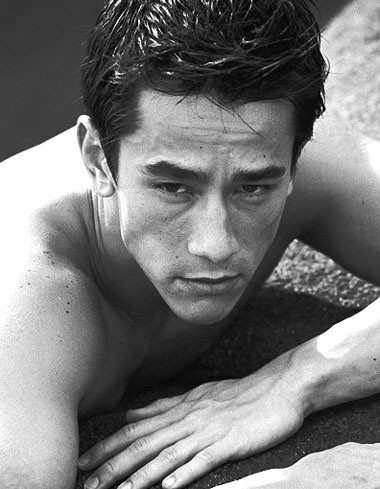
Carl Ng, son of comedy actor Richard Ng and British-born Susan Ng, started out as a model in London and Hong Kong and broke into film without his father's help. Over a quarter of a century he has played dozens of special forces soldiers, agents and foreigners in action films from New Police Story to The Viral Factor, appeared in Yonfan's Colour Blossoms, took the lead in the festival drama Diago and headlined the Singaporean series Point of Entry for three seasons.
Carl Ng, son of comedy actor Richard Ng and British-born Susan Ng, started out as a model in London and Hong Kong and broke into film without his father's help. Over a quarter of a century he has played dozens of special forces soldiers, agents and foreigners in action films from New Police Story to The Viral Factor, appeared in Yonfan's Colour Blossoms, took the lead in the festival drama Diago and headlined the Singaporean series Point of Entry for three seasons.
Carl Ng, son of comedy actor Richard Ng and British-born Susan Ng, started out as a model in London and Hong Kong and broke into film without his father's help. Over a quarter of a century he has played dozens of special forces soldiers, agents and foreigners in action films from New Police Story to The Viral Factor, appeared in Yonfan's Colour Blossoms, took the lead in the festival drama Diago and headlined the Singaporean series Point of Entry for three seasons.

In the early 2010s, when China's online film market was only just taking shape, one of its first stars was Chloe Zhao Yi-Huan. A short high-school drama, Pubescence, grew into a film series, and Cheng Xiaoyu, whom Zhao played shortly after graduating, stayed in viewers' memories for years. Producers made one picture after another for her, and the press called her the "otaku goddess," the darling of young men who spent their free time online. Almost ten years later, Zhao had to audition three times for a role in the series Miss Crow With Mr. Lizard. Her Zhao Yan can throw a boor over her ...
In the early 2010s, when China's online film market was only just taking shape, one of its first stars was Chloe Zhao Yi-Huan. A short high-school drama, Pubescence, grew into a film series, and Cheng Xiaoyu, whom Zhao played shortly after graduating, stayed in viewers' memories for years. Producers made one picture after another for her, and the press called her the "otaku goddess," the darling of young men who spent their free time online. Almost ten years later, Zhao had to audition three times for a role in the series Miss Crow With Mr. Lizard. Her Zhao Yan can throw a boor over her ...
In the early 2010s, when China's online film market was only just taking shape, one of its first stars was Chloe Zhao Yi-Huan. A short high-school drama, Pubescence, grew into a film series, and Cheng Xiaoyu, whom Zhao played shortly after graduating, stayed in viewers' memories for years. Producers made one picture after another for her, and the press called her the "otaku goddess," the darling of young men who spent their free time online. Almost ten years later, Zhao had to audition three times for a role in the series Miss Crow With Mr. Lizard. Her Zhao Yan can throw a boor over her ...

Chang Yuan first came to prominence through Chinese television's New Year galas, and cinema audiences came to know him through the comedies of the Beijing troupe Kaixin Mahua. He was especially good at playing people with far too high an opinion of themselves. In Hello, Mr. Billionaire he played a preacher of lofty principles who is happy to mow someone else's lawn for a good fee. For his directorial debut, Warm Hug, Chang chose a completely different hero: a lonely piano teacher who finds it hard even to hug someone close to him. In imagining what this man's childhood was like, Chang ...
Chang Yuan first came to prominence through Chinese television's New Year galas, and cinema audiences came to know him through the comedies of the Beijing troupe Kaixin Mahua. He was especially good at playing people with far too high an opinion of themselves. In Hello, Mr. Billionaire he played a preacher of lofty principles who is happy to mow someone else's lawn for a good fee. For his directorial debut, Warm Hug, Chang chose a completely different hero: a lonely piano teacher who finds it hard even to hug someone close to him. In imagining what this man's childhood was like, Chang ...
Chang Yuan first came to prominence through Chinese television's New Year galas, and cinema audiences came to know him through the comedies of the Beijing troupe Kaixin Mahua. He was especially good at playing people with far too high an opinion of themselves. In Hello, Mr. Billionaire he played a preacher of lofty principles who is happy to mow someone else's lawn for a good fee. For his directorial debut, Warm Hug, Chang chose a completely different hero: a lonely piano teacher who finds it hard even to hug someone close to him. In imagining what this man's childhood was like, Chang ...

For a long time, Christina Hai was known in China as "the nation's daughter-in-law." The nickname stuck after her family dramas Double Sided Adhesive Tape, Dwelling Narrowness and A Beautiful Daughter-in-Law Era. She could play both a woman who quarrels with her mother-in-law over every little thing and one who spends years saving up for a flat of her own. Later Hai played a war correspondent in Operation Red Sea, and for Return to Dust she moved into a village in Gansu Province. While shooting that film, even her own assistant once failed to recognize her.
For a long time, Christina Hai was known in China as "the nation's daughter-in-law." The nickname stuck after her family dramas Double Sided Adhesive Tape, Dwelling Narrowness and A Beautiful Daughter-in-Law Era. She could play both a woman who quarrels with her mother-in-law over every little thing and one who spends years saving up for a flat of her own. Later Hai played a war correspondent in Operation Red Sea, and for Return to Dust she moved into a village in Gansu Province. While shooting that film, even her own assistant once failed to recognize her.
For a long time, Christina Hai was known in China as "the nation's daughter-in-law." The nickname stuck after her family dramas Double Sided Adhesive Tape, Dwelling Narrowness and A Beautiful Daughter-in-Law Era. She could play both a woman who quarrels with her mother-in-law over every little thing and one who spends years saving up for a flat of her own. Later Hai played a war correspondent in Operation Red Sea, and for Return to Dust she moved into a village in Gansu Province. While shooting that film, even her own assistant once failed to recognize her.

Ching Miao was one of those Shaw Brothers actors who only had to appear on screen for it to be instantly clear who was in charge. He was cast as generals, patriarchs and officials before whom young heroes had to answer for their deeds. For his role as the incorruptible Judge Pao, to which he returned several times, he was nicknamed "the living Pao." Ching Miao won two Golden Horse awards for supporting roles in melodramas, and at the height of Hong Kong wuxia's popularity he often appeared in the same films as his daughter Ching Li, one of the studio's biggest stars.
Ching Miao was one of those Shaw Brothers actors who only had to appear on screen for it to be instantly clear who was in charge. He was cast as generals, patriarchs and officials before whom young heroes had to answer for their deeds. For his role as the incorruptible Judge Pao, to which he returned several times, he was nicknamed "the living Pao." Ching Miao won two Golden Horse awards for supporting roles in melodramas, and at the height of Hong Kong wuxia's popularity he often appeared in the same films as his daughter Ching Li, one of the studio's biggest stars.
Ching Miao was one of those Shaw Brothers actors who only had to appear on screen for it to be instantly clear who was in charge. He was cast as generals, patriarchs and officials before whom young heroes had to answer for their deeds. For his role as the incorruptible Judge Pao, to which he returned several times, he was nicknamed "the living Pao." Ching Miao won two Golden Horse awards for supporting roles in melodramas, and at the height of Hong Kong wuxia's popularity he often appeared in the same films as his daughter Ching Li, one of the studio's biggest stars.

Chen Xiao rose to fame on Chinese television, where he was initially cast eagerly as princes and wuxia heroes. In Romance of the Condor Heroes he played Yang Guo, while in the series Nothing Gold Can Stay he was given the role of a merchant's spoiled son who had to grow up before the audience's eyes. Chen appeared on film less often. For his role as a young soldier in The Taking of Tiger Mountain by Tsui Hark, he was nominated for the Hundred Flowers Award. And in the summer of 2022, audiences saw him in two very different roles at once. In A Dream of Splendor he was a formidable official ...
Chen Xiao rose to fame on Chinese television, where he was initially cast eagerly as princes and wuxia heroes. In Romance of the Condor Heroes he played Yang Guo, while in the series Nothing Gold Can Stay he was given the role of a merchant's spoiled son who had to grow up before the audience's eyes. Chen appeared on film less often. For his role as a young soldier in The Taking of Tiger Mountain by Tsui Hark, he was nominated for the Hundred Flowers Award. And in the summer of 2022, audiences saw him in two very different roles at once. In A Dream of Splendor he was a formidable official ...
Chen Xiao rose to fame on Chinese television, where he was initially cast eagerly as princes and wuxia heroes. In Romance of the Condor Heroes he played Yang Guo, while in the series Nothing Gold Can Stay he was given the role of a merchant's spoiled son who had to grow up before the audience's eyes. Chen appeared on film less often. For his role as a young soldier in The Taking of Tiger Mountain by Tsui Hark, he was nominated for the Hundred Flowers Award. And in the summer of 2022, audiences saw him in two very different roles at once. In A Dream of Splendor he was a formidable official ...

Chang Kuo-Chu was teaching physical education and already raising two sons when he landed his first notable film role. In Taiwan he became known for the melodrama Your Smiling Face, while in Hong Kong he almost immediately fell in with New Wave directors and played one of his most unsettling roles in Love Massacre. As he grew older, Chang increasingly played fathers. His role as a modest Taipei civil servant in A Brighter Summer Day earned him a Golden Horse nomination. In the same category and for the same film, his son Chang Chen was also nominated.
Chang Kuo-Chu was teaching physical education and already raising two sons when he landed his first notable film role. In Taiwan he became known for the melodrama Your Smiling Face, while in Hong Kong he almost immediately fell in with New Wave directors and played one of his most unsettling roles in Love Massacre. As he grew older, Chang increasingly played fathers. His role as a modest Taipei civil servant in A Brighter Summer Day earned him a Golden Horse nomination. In the same category and for the same film, his son Chang Chen was also nominated.
Chang Kuo-Chu was teaching physical education and already raising two sons when he landed his first notable film role. In Taiwan he became known for the melodrama Your Smiling Face, while in Hong Kong he almost immediately fell in with New Wave directors and played one of his most unsettling roles in Love Massacre. As he grew older, Chang increasingly played fathers. His role as a modest Taipei civil servant in A Brighter Summer Day earned him a Golden Horse nomination. In the same category and for the same film, his son Chang Chen was also nominated.
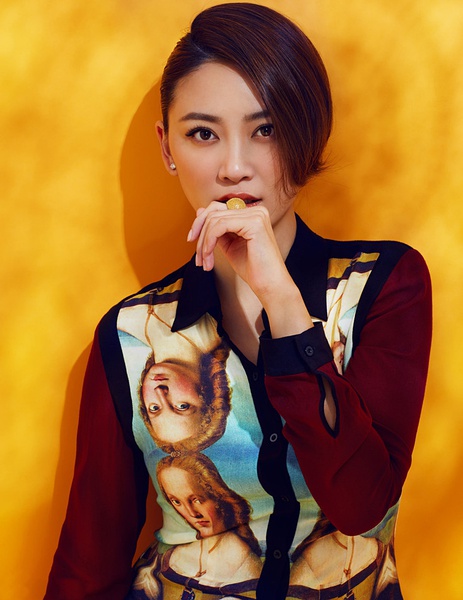
Cherrie Ying was in her element in Hong Kong comedies, where a pretty girl was also expected to be able to play the fool. In Why Me, Sweetie?! she keeps meeting the same guy all over again, while in Nothing Is Impossible she takes up drinking games with such dedication that her whole life seems to hang on them. In Johnnie To's Throw Down she plays an aspiring singer who attaches herself to two judo fighters. Later, on mainland television, she played a brother and sister in the Shanghai-set The Detectives and won a Huading Award for this dual role.
Cherrie Ying was in her element in Hong Kong comedies, where a pretty girl was also expected to be able to play the fool. In Why Me, Sweetie?! she keeps meeting the same guy all over again, while in Nothing Is Impossible she takes up drinking games with such dedication that her whole life seems to hang on them. In Johnnie To's Throw Down she plays an aspiring singer who attaches herself to two judo fighters. Later, on mainland television, she played a brother and sister in the Shanghai-set The Detectives and won a Huading Award for this dual role.
Cherrie Ying was in her element in Hong Kong comedies, where a pretty girl was also expected to be able to play the fool. In Why Me, Sweetie?! she keeps meeting the same guy all over again, while in Nothing Is Impossible she takes up drinking games with such dedication that her whole life seems to hang on them. In Johnnie To's Throw Down she plays an aspiring singer who attaches herself to two judo fighters. Later, on mainland television, she played a brother and sister in the Shanghai-set The Detectives and won a Huading Award for this dual role.

Cutie Mui could make audiences laugh with her booming live on-air laugh and with a spot-on impersonation of someone the whole public knows by sight. In Show Time Blues she copied Sammi Cheng's mannerisms so diligently that the singer eventually coached her on how to nail the resemblance. In the family sitcom Virtues of Harmony, viewers fell for her character Shek Mei, one of the protagonist's two wives. After leaving TVB, Mui moved into advertising, and years later she put together her own team to make entertainment shows for the same audience she had once performed for every evening.
Cutie Mui could make audiences laugh with her booming live on-air laugh and with a spot-on impersonation of someone the whole public knows by sight. In Show Time Blues she copied Sammi Cheng's mannerisms so diligently that the singer eventually coached her on how to nail the resemblance. In the family sitcom Virtues of Harmony, viewers fell for her character Shek Mei, one of the protagonist's two wives. After leaving TVB, Mui moved into advertising, and years later she put together her own team to make entertainment shows for the same audience she had once performed for every evening.
Cutie Mui could make audiences laugh with her booming live on-air laugh and with a spot-on impersonation of someone the whole public knows by sight. In Show Time Blues she copied Sammi Cheng's mannerisms so diligently that the singer eventually coached her on how to nail the resemblance. In the family sitcom Virtues of Harmony, viewers fell for her character Shek Mei, one of the protagonist's two wives. After leaving TVB, Mui moved into advertising, and years later she put together her own team to make entertainment shows for the same audience she had once performed for every evening.

Chen Zhi-Hui became known to audiences of Hong Kong action films when he already had many years of work on mainland television behind him. In the Chinese Romance of Three Kingdoms he was given several roles at once, and in Water Margin he played one of those who join the outlaws of Mount Liangshan. Hong Kong filmmakers recognized him as a master of fist fighting. Chen fought Jet Li in Fearless, and after the release of Ip Man, according to him, audiences began calling him Master Liao. Liao has only a few scenes in the film, and Chen shows how differently the same fighter carries himself ...
Chen Zhi-Hui became known to audiences of Hong Kong action films when he already had many years of work on mainland television behind him. In the Chinese Romance of Three Kingdoms he was given several roles at once, and in Water Margin he played one of those who join the outlaws of Mount Liangshan. Hong Kong filmmakers recognized him as a master of fist fighting. Chen fought Jet Li in Fearless, and after the release of Ip Man, according to him, audiences began calling him Master Liao. Liao has only a few scenes in the film, and Chen shows how differently the same fighter carries himself ...
Chen Zhi-Hui became known to audiences of Hong Kong action films when he already had many years of work on mainland television behind him. In the Chinese Romance of Three Kingdoms he was given several roles at once, and in Water Margin he played one of those who join the outlaws of Mount Liangshan. Hong Kong filmmakers recognized him as a master of fist fighting. Chen fought Jet Li in Fearless, and after the release of Ip Man, according to him, audiences began calling him Master Liao. Liao has only a few scenes in the film, and Chen shows how differently the same fighter carries himself ...

Coulee Nazha came from Xinjiang to study at the Beijing Film Academy and, even before classes began, appeared in Xuan Yuan Sword - Rift of the Sky. For City of Rock she learned to play the bass guitar, and in The Legend she worked with Jackie Chan and Stanley Tong Gwai-Lai in her native Xinjiang. In 2026, her role in the spy series Awakening (醒来) earned Nazha a young actress award at the Wenzhong Awards ceremony.
Coulee Nazha came from Xinjiang to study at the Beijing Film Academy and, even before classes began, appeared in Xuan Yuan Sword - Rift of the Sky. For City of Rock she learned to play the bass guitar, and in The Legend she worked with Jackie Chan and Stanley Tong Gwai-Lai in her native Xinjiang. In 2026, her role in the spy series Awakening (醒来) earned Nazha a young actress award at the Wenzhong Awards ceremony.
Coulee Nazha came from Xinjiang to study at the Beijing Film Academy and, even before classes began, appeared in Xuan Yuan Sword - Rift of the Sky. For City of Rock she learned to play the bass guitar, and in The Legend she worked with Jackie Chan and Stanley Tong Gwai-Lai in her native Xinjiang. In 2026, her role in the spy series Awakening (醒来) earned Nazha a young actress award at the Wenzhong Awards ceremony.

Chen Kaige shot Yellow Earth together with Zhang Yi-Mou, and nine years later shared the Cannes Palme d'Or with Jane Campion. For Legend of the Demon Cat his crew built a Tang dynasty city, while in Caught in the Web a single episode shot on a phone was enough for him to show how a woman's life changes. One of Chen's most ambitious later works was his Korean War trilogy.
Chen Kaige shot Yellow Earth together with Zhang Yi-Mou, and nine years later shared the Cannes Palme d'Or with Jane Campion. For Legend of the Demon Cat his crew built a Tang dynasty city, while in Caught in the Web a single episode shot on a phone was enough for him to show how a woman's life changes. One of Chen's most ambitious later works was his Korean War trilogy.
Chen Kaige shot Yellow Earth together with Zhang Yi-Mou, and nine years later shared the Cannes Palme d'Or with Jane Campion. For Legend of the Demon Cat his crew built a Tang dynasty city, while in Caught in the Web a single episode shot on a phone was enough for him to show how a woman's life changes. One of Chen's most ambitious later works was his Korean War trilogy.

Clarence Fok studied design, started out in television and directed one of the first Hong Kong films shot in Moscow. Outside Hong Kong he is best known for Naked Killer, which he made with Wong Jing. After moving to Beijing, Fok worked extensively on TV series, and he returned to Hong Kong cinema with, among other things, Special ID starring Donnie Yen.
Clarence Fok studied design, started out in television and directed one of the first Hong Kong films shot in Moscow. Outside Hong Kong he is best known for Naked Killer, which he made with Wong Jing. After moving to Beijing, Fok worked extensively on TV series, and he returned to Hong Kong cinema with, among other things, Special ID starring Donnie Yen.
Clarence Fok studied design, started out in television and directed one of the first Hong Kong films shot in Moscow. Outside Hong Kong he is best known for Naked Killer, which he made with Wong Jing. After moving to Beijing, Fok worked extensively on TV series, and he returned to Hong Kong cinema with, among other things, Special ID starring Donnie Yen.

Charine Chan made her film debut in Happy Ghost II, playing one of the schoolgirls. She acted for more than a decade and even directed a film of her own before leaving the screen. In 2018, Chan returned to directing under a different name with the romantic comedy Love Only.
Charine Chan made her film debut in Happy Ghost II, playing one of the schoolgirls. She acted for more than a decade and even directed a film of her own before leaving the screen. In 2018, Chan returned to directing under a different name with the romantic comedy Love Only.
Charine Chan made her film debut in Happy Ghost II, playing one of the schoolgirls. She acted for more than a decade and even directed a film of her own before leaving the screen. In 2018, Chan returned to directing under a different name with the romantic comedy Love Only.

Chen Chi-Hwa worked with Jackie Chan back when both were with Lo Wei, at a time when the future star was still mostly playing serious fighters. Chan appeared in Chen's Shaolin Wooden Men (1976) and the early kung fu comedy Half a Loaf of Kung Fu (1978). They met again on the set of Police Story (1985), only by then Chan was the director and Chen was working in his crew.
Chen Chi-Hwa worked with Jackie Chan back when both were with Lo Wei, at a time when the future star was still mostly playing serious fighters. Chan appeared in Chen's Shaolin Wooden Men (1976) and the early kung fu comedy Half a Loaf of Kung Fu (1978). They met again on the set of Police Story (1985), only by then Chan was the director and Chen was working in his crew.
Chen Chi-Hwa worked with Jackie Chan back when both were with Lo Wei, at a time when the future star was still mostly playing serious fighters. Chan appeared in Chen's Shaolin Wooden Men (1976) and the early kung fu comedy Half a Loaf of Kung Fu (1978). They met again on the set of Police Story (1985), only by then Chan was the director and Chen was working in his crew.

Clifton Ko directed The Happy Ghost, Chicken and Duck Talk and the Lunar New Year comedy All's Well End's Well, which broke the Hong Kong box-office record. In the 1990s he founded the theatre company Spring-Time. On stage he drew on his experience as a film director, and one of the films that grew out of his work with plays earned him a Golden Horse for editing.
Clifton Ko directed The Happy Ghost, Chicken and Duck Talk and the Lunar New Year comedy All's Well End's Well, which broke the Hong Kong box-office record. In the 1990s he founded the theatre company Spring-Time. On stage he drew on his experience as a film director, and one of the films that grew out of his work with plays earned him a Golden Horse for editing.
Clifton Ko directed The Happy Ghost, Chicken and Duck Talk and the Lunar New Year comedy All's Well End's Well, which broke the Hong Kong box-office record. In the 1990s he founded the theatre company Spring-Time. On stage he drew on his experience as a film director, and one of the films that grew out of his work with plays earned him a Golden Horse for editing.

Chin Ping trained as an actress at Toho's school, sent there by Shaw Brothers. After returning from Japan, she began appearing in Hong Kong films just as the studio's opera pictures were rubbing shoulders with a new wave of swordsman movies. She can be seen both in The Crimson Palm and in The Twelve Gold Medallions, one of the box-office hits of 1970.
Chin Ping trained as an actress at Toho's school, sent there by Shaw Brothers. After returning from Japan, she began appearing in Hong Kong films just as the studio's opera pictures were rubbing shoulders with a new wave of swordsman movies. She can be seen both in The Crimson Palm and in The Twelve Gold Medallions, one of the box-office hits of 1970.
Chin Ping trained as an actress at Toho's school, sent there by Shaw Brothers. After returning from Japan, she began appearing in Hong Kong films just as the studio's opera pictures were rubbing shoulders with a new wave of swordsman movies. She can be seen both in The Crimson Palm and in The Twelve Gold Medallions, one of the box-office hits of 1970.

Years before she became the darling of Hong Kong's young audiences, Connie Chan mostly played male roles. She learned to portray warriors and scholars from the opera star Yam Kim-Fai. In the 1960s her films played simultaneously across several cinema chains, and in 1972 she left the movies. Connie agreed to return to the stage many years later, when she was offered the chance to play Yam herself.
Years before she became the darling of Hong Kong's young audiences, Connie Chan mostly played male roles. She learned to portray warriors and scholars from the opera star Yam Kim-Fai. In the 1960s her films played simultaneously across several cinema chains, and in 1972 she left the movies. Connie agreed to return to the stage many years later, when she was offered the chance to play Yam herself.
Years before she became the darling of Hong Kong's young audiences, Connie Chan mostly played male roles. She learned to portray warriors and scholars from the opera star Yam Kim-Fai. In the 1960s her films played simultaneously across several cinema chains, and in 1972 she left the movies. Connie agreed to return to the stage many years later, when she was offered the chance to play Yam herself.

Crystal Huang Yi became famous in her early twenties, playing the restless Xiao Yanzi in the third season of My Fair Princess 3, and then spent many years trying to prove she could do more — appearing in films by Stanley Kwan, Johnnie To and Herman Yau and winning an award at the Macau International Film Festival. Her personal life — two short marriages and a loud divorce — long overshadowed her work in the public eye, and after several years without roles she returned to the screen and in 2025 received a supporting actress award for A Gilded Game.
Crystal Huang Yi became famous in her early twenties, playing the restless Xiao Yanzi in the third season of My Fair Princess 3, and then spent many years trying to prove she could do more — appearing in films by Stanley Kwan, Johnnie To and Herman Yau and winning an award at the Macau International Film Festival. Her personal life — two short marriages and a loud divorce — long overshadowed her work in the public eye, and after several years without roles she returned to the screen and in 2025 received a supporting actress award for A Gilded Game.
Crystal Huang Yi became famous in her early twenties, playing the restless Xiao Yanzi in the third season of My Fair Princess 3, and then spent many years trying to prove she could do more — appearing in films by Stanley Kwan, Johnnie To and Herman Yau and winning an award at the Macau International Film Festival. Her personal life — two short marriages and a loud divorce — long overshadowed her work in the public eye, and after several years without roles she returned to the screen and in 2025 received a supporting actress award for A Gilded Game.
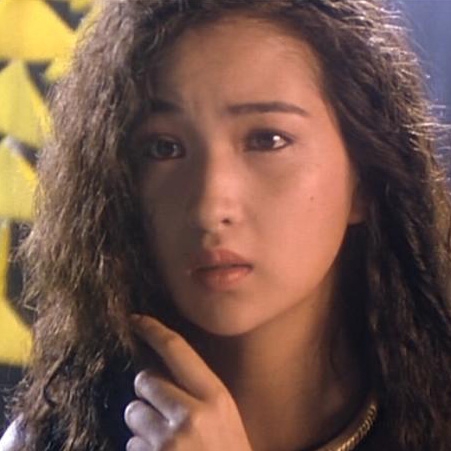
Chik King-Man entered films after a setback at the Miss Hong Kong pageant and over some fifteen years played nearly thirty roles, from silent beauties in the background to the lead in the erotic drama My Wife's Lover. Audiences remember her for bit parts in Stephen Chow's comedies and for the role of the scheming Sasa in Portland Street Blues. The Category III label never let her break through to stardom, and in 2007 she left the movies.
Chik King-Man entered films after a setback at the Miss Hong Kong pageant and over some fifteen years played nearly thirty roles, from silent beauties in the background to the lead in the erotic drama My Wife's Lover. Audiences remember her for bit parts in Stephen Chow's comedies and for the role of the scheming Sasa in Portland Street Blues. The Category III label never let her break through to stardom, and in 2007 she left the movies.
Chik King-Man entered films after a setback at the Miss Hong Kong pageant and over some fifteen years played nearly thirty roles, from silent beauties in the background to the lead in the erotic drama My Wife's Lover. Audiences remember her for bit parts in Stephen Chow's comedies and for the role of the scheming Sasa in Portland Street Blues. The Category III label never let her break through to stardom, and in 2007 she left the movies.

Candy Wen was a Hong Kong television star of the late 1970s and early 1980s, one of the leading heroines of the TV wuxia series of those years. The daughter of a Peking opera actor and the younger sister of Yuen Qiu, at 16 she played the lead role in the series Sword Stained with Royal Blood, and together with Leslie Cheung Kwok-Wing formed one of the most popular on-screen couples of the era in Spirit of the Sword. After a long hiatus, during which she raised two daughters and built her own business, Candy Wen Xue-Er returned to TVB and to film.
Candy Wen was a Hong Kong television star of the late 1970s and early 1980s, one of the leading heroines of the TV wuxia series of those years. The daughter of a Peking opera actor and the younger sister of Yuen Qiu, at 16 she played the lead role in the series Sword Stained with Royal Blood, and together with Leslie Cheung Kwok-Wing formed one of the most popular on-screen couples of the era in Spirit of the Sword. After a long hiatus, during which she raised two daughters and built her own business, Candy Wen Xue-Er returned to TVB and to film.
Candy Wen was a Hong Kong television star of the late 1970s and early 1980s, one of the leading heroines of the TV wuxia series of those years. The daughter of a Peking opera actor and the younger sister of Yuen Qiu, at 16 she played the lead role in the series Sword Stained with Royal Blood, and together with Leslie Cheung Kwok-Wing formed one of the most popular on-screen couples of the era in Spirit of the Sword. After a long hiatus, during which she raised two daughters and built her own business, Candy Wen Xue-Er returned to TVB and to film.

The director whose One-Armed Swordsman was the first Hong Kong film to gross more than a million Hong Kong dollars, Chang Cheh brought the strong male hero back to the screen and turned the wuxia film into "masculine" cinema. Over three decades he made around a hundred films, among them The Blood Brothers, Boxer from Shantung and The Five Venoms, launched entire generations of action stars, from Jimmy Wang Yu and Ti Lung to Alexander Fu Sheng and the "Five Venoms", and trained disciples, among them John Woo.
The director whose One-Armed Swordsman was the first Hong Kong film to gross more than a million Hong Kong dollars, Chang Cheh brought the strong male hero back to the screen and turned the wuxia film into "masculine" cinema. Over three decades he made around a hundred films, among them The Blood Brothers, Boxer from Shantung and The Five Venoms, launched entire generations of action stars, from Jimmy Wang Yu and Ti Lung to Alexander Fu Sheng and the "Five Venoms", and trained disciples, among them John Woo.
The director whose One-Armed Swordsman was the first Hong Kong film to gross more than a million Hong Kong dollars, Chang Cheh brought the strong male hero back to the screen and turned the wuxia film into "masculine" cinema. Over three decades he made around a hundred films, among them The Blood Brothers, Boxer from Shantung and The Five Venoms, launched entire generations of action stars, from Jimmy Wang Yu and Ti Lung to Alexander Fu Sheng and the "Five Venoms", and trained disciples, among them John Woo.

Former Cathay Pacific flight attendant Carman Lee rose to fame as Xiaolongnü in the 1995 TVB series Return of the Condor Heroes, and the press still calls her "the most beautiful Xiaolongnü." In the 1990s she appeared in films by Stephen Chow Sing-Chi, Johnnie To Kei-Fung and Tsui Hark, but in 2004 she left the profession for the sake of her beloved. After a painful breakup and years of depression, the actress returned to the screen and became a prominent figure in mainland historical dramas.
Former Cathay Pacific flight attendant Carman Lee rose to fame as Xiaolongnü in the 1995 TVB series Return of the Condor Heroes, and the press still calls her "the most beautiful Xiaolongnü." In the 1990s she appeared in films by Stephen Chow Sing-Chi, Johnnie To Kei-Fung and Tsui Hark, but in 2004 she left the profession for the sake of her beloved. After a painful breakup and years of depression, the actress returned to the screen and became a prominent figure in mainland historical dramas.
Former Cathay Pacific flight attendant Carman Lee rose to fame as Xiaolongnü in the 1995 TVB series Return of the Condor Heroes, and the press still calls her "the most beautiful Xiaolongnü." In the 1990s she appeared in films by Stephen Chow Sing-Chi, Johnnie To Kei-Fung and Tsui Hark, but in 2004 she left the profession for the sake of her beloved. After a painful breakup and years of depression, the actress returned to the screen and became a prominent figure in mainland historical dramas.

Actress and television host Christine Ng entered the screen through the 1989 Miss Asia pageant, and over three and a half decades she has appeared in series on both Hong Kong television channels – ATV and TVB – and in dozens of films, from the comedy Feel 100% to the supernatural Troublesome Night series. Her life story long remained tabloid fodder: at 21 she was widowed 13 days after her wedding, and the press called her the "Black Widow" for years. Today she hosts her own talk show, where she speaks about the things she once kept silent.
Actress and television host Christine Ng entered the screen through the 1989 Miss Asia pageant, and over three and a half decades she has appeared in series on both Hong Kong television channels – ATV and TVB – and in dozens of films, from the comedy Feel 100% to the supernatural Troublesome Night series. Her life story long remained tabloid fodder: at 21 she was widowed 13 days after her wedding, and the press called her the "Black Widow" for years. Today she hosts her own talk show, where she speaks about the things she once kept silent.
Actress and television host Christine Ng entered the screen through the 1989 Miss Asia pageant, and over three and a half decades she has appeared in series on both Hong Kong television channels – ATV and TVB – and in dozens of films, from the comedy Feel 100% to the supernatural Troublesome Night series. Her life story long remained tabloid fodder: at 21 she was widowed 13 days after her wedding, and the press called her the "Black Widow" for years. Today she hosts her own talk show, where she speaks about the things she once kept silent.

A former footballer who came to television almost by chance, Cheung Kwok-Keung has worked in Hong Kong cinema and at TVB for half a century. In the 1980s he hosted a popular children's programme, appeared in Tsui Hark's and Sammo Hung's Peking Opera Blues and Eastern Condors, and after the sports comedy The Champions he gained fans even in Japan. Later he played around a hundred roles in TVB series, above all villains and policemen, while mainland viewers know him best as Murong Fu from The Demi-Gods and Semi-Devils.
A former footballer who came to television almost by chance, Cheung Kwok-Keung has worked in Hong Kong cinema and at TVB for half a century. In the 1980s he hosted a popular children's programme, appeared in Tsui Hark's and Sammo Hung's Peking Opera Blues and Eastern Condors, and after the sports comedy The Champions he gained fans even in Japan. Later he played around a hundred roles in TVB series, above all villains and policemen, while mainland viewers know him best as Murong Fu from The Demi-Gods and Semi-Devils.
A former footballer who came to television almost by chance, Cheung Kwok-Keung has worked in Hong Kong cinema and at TVB for half a century. In the 1980s he hosted a popular children's programme, appeared in Tsui Hark's and Sammo Hung's Peking Opera Blues and Eastern Condors, and after the sports comedy The Champions he gained fans even in Japan. Later he played around a hundred roles in TVB series, above all villains and policemen, while mainland viewers know him best as Murong Fu from The Demi-Gods and Semi-Devils.

Chin Ka-Lok is a stuntman, actor, TV host, director and one of the leading action choreographers in contemporary Hong Kong cinema. The younger brother of Chin Siu-Ho, he started out as a teenager in Sammo Hung's stunt team, where he earned a reputation as one of its boldest and most skilled members, became an actor and a star of comedy TV shows in the 1990s, and then founded his own stunt team, which has staged the action in the biggest Hong Kong action films of the past twenty years. He has a Golden Horse Award for action choreography, thirteen HKFA nominations in that category and the ...
Chin Ka-Lok is a stuntman, actor, TV host, director and one of the leading action choreographers in contemporary Hong Kong cinema. The younger brother of Chin Siu-Ho, he started out as a teenager in Sammo Hung's stunt team, where he earned a reputation as one of its boldest and most skilled members, became an actor and a star of comedy TV shows in the 1990s, and then founded his own stunt team, which has staged the action in the biggest Hong Kong action films of the past twenty years. He has a Golden Horse Award for action choreography, thirteen HKFA nominations in that category and the ...
Chin Ka-Lok is a stuntman, actor, TV host, director and one of the leading action choreographers in contemporary Hong Kong cinema. The younger brother of Chin Siu-Ho, he started out as a teenager in Sammo Hung's stunt team, where he earned a reputation as one of its boldest and most skilled members, became an actor and a star of comedy TV shows in the 1990s, and then founded his own stunt team, which has staged the action in the biggest Hong Kong action films of the past twenty years. He has a Golden Horse Award for action choreography, thirteen HKFA nominations in that category and the ...

Playwright and screenwriter Cheung Tat-Ming is remembered by audiences above all as a comedy actor – in the Hong Kong cinema of the 1990s and 2000s his face was instantly recognisable. A graduate of the Hong Kong Academy for Performing Arts, he began as a writer of plays and screenplays, but made his name playing talkative clerks, bewildered cops and the leading man's eccentric friends. Nimble, with a quick, almost improvisational style, Cheung Tat-Ming appeared in some one hundred and fifty films over forty years, while on television he became an audience favourite as the cunning lawyer ...
Playwright and screenwriter Cheung Tat-Ming is remembered by audiences above all as a comedy actor – in the Hong Kong cinema of the 1990s and 2000s his face was instantly recognisable. A graduate of the Hong Kong Academy for Performing Arts, he began as a writer of plays and screenplays, but made his name playing talkative clerks, bewildered cops and the leading man's eccentric friends. Nimble, with a quick, almost improvisational style, Cheung Tat-Ming appeared in some one hundred and fifty films over forty years, while on television he became an audience favourite as the cunning lawyer ...
Playwright and screenwriter Cheung Tat-Ming is remembered by audiences above all as a comedy actor – in the Hong Kong cinema of the 1990s and 2000s his face was instantly recognisable. A graduate of the Hong Kong Academy for Performing Arts, he began as a writer of plays and screenplays, but made his name playing talkative clerks, bewildered cops and the leading man's eccentric friends. Nimble, with a quick, almost improvisational style, Cheung Tat-Ming appeared in some one hundred and fifty films over forty years, while on television he became an audience favourite as the cunning lawyer ...

No kung fu comedy or supernatural action film from Sammo Hung is imaginable without the fighter Chung Fat. A graduate of an opera school and a longtime member of Hung's stunt team, he played dozens of villains, hired killers and Taoist sorcerers over his career, while leading roles were few and far between. Yet his signature physicality — an acrobatic, almost animalistic way of fighting — stuck in the memory better than any line of dialogue, and in the 1980s Chung Fat became one of the most recognizable faces of the jiangshi genre, Hong Kong's hopping vampire horror films.
No kung fu comedy or supernatural action film from Sammo Hung is imaginable without the fighter Chung Fat. A graduate of an opera school and a longtime member of Hung's stunt team, he played dozens of villains, hired killers and Taoist sorcerers over his career, while leading roles were few and far between. Yet his signature physicality — an acrobatic, almost animalistic way of fighting — stuck in the memory better than any line of dialogue, and in the 1980s Chung Fat became one of the most recognizable faces of the jiangshi genre, Hong Kong's hopping vampire horror films.
No kung fu comedy or supernatural action film from Sammo Hung is imaginable without the fighter Chung Fat. A graduate of an opera school and a longtime member of Hung's stunt team, he played dozens of villains, hired killers and Taoist sorcerers over his career, while leading roles were few and far between. Yet his signature physicality — an acrobatic, almost animalistic way of fighting — stuck in the memory better than any line of dialogue, and in the 1980s Chung Fat became one of the most recognizable faces of the jiangshi genre, Hong Kong's hopping vampire horror films.

Charlie Cho's face is familiar to any fan of 1980s and 1990s Hong Kong cinema: he is arguably the most famous "king of Category III films." Starting out with comedic roles in Cinema City hits and Jackie Chan movies, in the 1990s he moved into erotic cinema and appeared in it so many times that the nickname "king of Category III" stuck to him forever. With his ever-present sly smile, an eternal seducer and villain, Cho appeared in a total of around two and a half hundred films, and in recent years he has become a streaming star on the mainland, where he unexpectedly found a new audience.
Charlie Cho's face is familiar to any fan of 1980s and 1990s Hong Kong cinema: he is arguably the most famous "king of Category III films." Starting out with comedic roles in Cinema City hits and Jackie Chan movies, in the 1990s he moved into erotic cinema and appeared in it so many times that the nickname "king of Category III" stuck to him forever. With his ever-present sly smile, an eternal seducer and villain, Cho appeared in a total of around two and a half hundred films, and in recent years he has become a streaming star on the mainland, where he unexpectedly found a new audience.
Charlie Cho's face is familiar to any fan of 1980s and 1990s Hong Kong cinema: he is arguably the most famous "king of Category III films." Starting out with comedic roles in Cinema City hits and Jackie Chan movies, in the 1990s he moved into erotic cinema and appeared in it so many times that the nickname "king of Category III" stuck to him forever. With his ever-present sly smile, an eternal seducer and villain, Cho appeared in a total of around two and a half hundred films, and in recent years he has become a streaming star on the mainland, where he unexpectedly found a new audience.

A martial arts master and actress, the younger sister of Donnie Yen, Chris Yen grew up in the US in the family of a renowned tai chi master and performed at international tournaments from childhood. As a girl she made her debut in Yuen Wo-Ping's The Close Encounter of the Vampire, in the 2000s appeared in the Hong Kong comedy Protege de la Rose Noire, then acted in American film and television, and later left the acting profession.
A martial arts master and actress, the younger sister of Donnie Yen, Chris Yen grew up in the US in the family of a renowned tai chi master and performed at international tournaments from childhood. As a girl she made her debut in Yuen Wo-Ping's The Close Encounter of the Vampire, in the 2000s appeared in the Hong Kong comedy Protege de la Rose Noire, then acted in American film and television, and later left the acting profession.
A martial arts master and actress, the younger sister of Donnie Yen, Chris Yen grew up in the US in the family of a renowned tai chi master and performed at international tournaments from childhood. As a girl she made her debut in Yuen Wo-Ping's The Close Encounter of the Vampire, in the 2000s appeared in the Hong Kong comedy Protege de la Rose Noire, then acted in American film and television, and later left the acting profession.
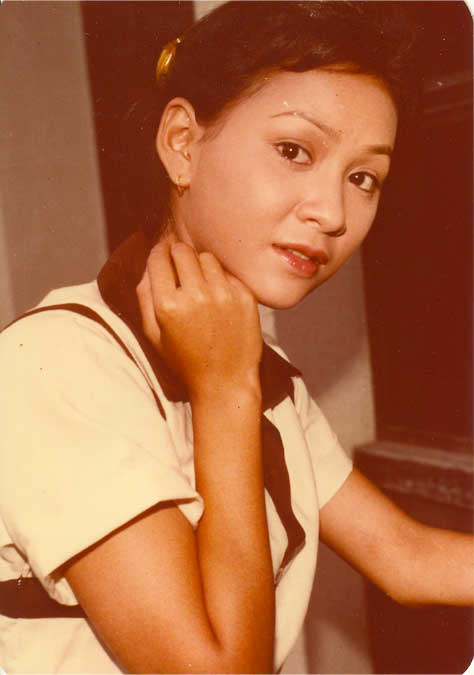
A Hong Kong television star of the late 1970s, Candice Yu rose to fame as Princess Xiang-Xiang in the TVB series The Legend of the Book and Sword and played heroines in six Chor Yuen wuxia films at Shaw Brothers. Her marriage to Chow Yun-Fat lasted only nine months, and after her second marriage she stepped away from the screen for a long time. Returning to the profession in the 2000s, she was twice nominated for the Hong Kong Film Awards and has since worked steadily in film and television.
A Hong Kong television star of the late 1970s, Candice Yu rose to fame as Princess Xiang-Xiang in the TVB series The Legend of the Book and Sword and played heroines in six Chor Yuen wuxia films at Shaw Brothers. Her marriage to Chow Yun-Fat lasted only nine months, and after her second marriage she stepped away from the screen for a long time. Returning to the profession in the 2000s, she was twice nominated for the Hong Kong Film Awards and has since worked steadily in film and television.
A Hong Kong television star of the late 1970s, Candice Yu rose to fame as Princess Xiang-Xiang in the TVB series The Legend of the Book and Sword and played heroines in six Chor Yuen wuxia films at Shaw Brothers. Her marriage to Chow Yun-Fat lasted only nine months, and after her second marriage she stepped away from the screen for a long time. Returning to the profession in the 2000s, she was twice nominated for the Hong Kong Film Awards and has since worked steadily in film and television.

Korean tangsudo master Chang Il-Do, who appeared on screen under the name Bruce Li Shao-Lung, starred in Taiwanese, Hong Kong, and Korean-Hong Kong action films throughout the 1970s and 1980s — from Snow Plum Blossom to Return to the 36th Chamber and The Dragon's Snake Fist. Over a decade and a half he played nearly thirty roles, mostly villains and supporting fighters, and at the tail end of his career he worked as a producer.
Korean tangsudo master Chang Il-Do, who appeared on screen under the name Bruce Li Shao-Lung, starred in Taiwanese, Hong Kong, and Korean-Hong Kong action films throughout the 1970s and 1980s — from Snow Plum Blossom to Return to the 36th Chamber and The Dragon's Snake Fist. Over a decade and a half he played nearly thirty roles, mostly villains and supporting fighters, and at the tail end of his career he worked as a producer.
Korean tangsudo master Chang Il-Do, who appeared on screen under the name Bruce Li Shao-Lung, starred in Taiwanese, Hong Kong, and Korean-Hong Kong action films throughout the 1970s and 1980s — from Snow Plum Blossom to Return to the 36th Chamber and The Dragon's Snake Fist. Over a decade and a half he played nearly thirty roles, mostly villains and supporting fighters, and at the tail end of his career he worked as a producer.
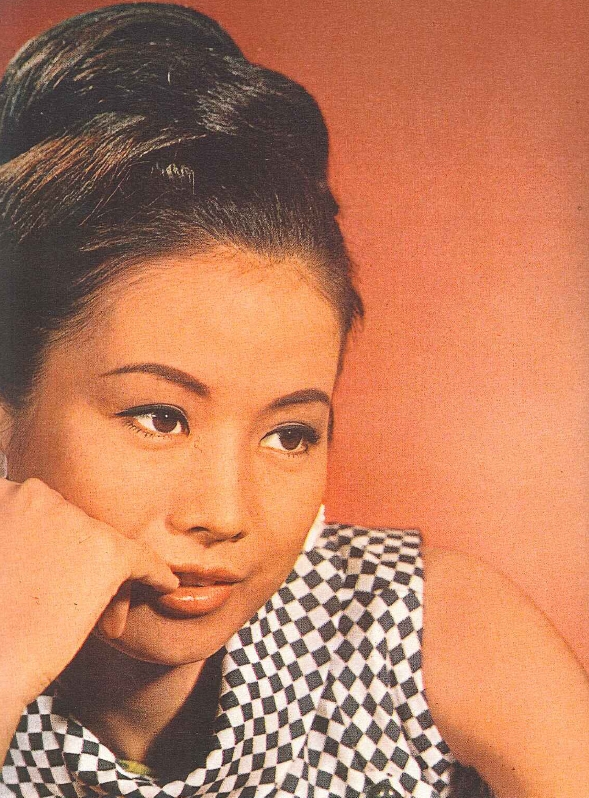
A Shaw Brothers actress of the 1960s and 1970s, Ching Li began in lyrical melodramas but made her name in wuxia films: with Chang Cheh she was most often the sole leading lady – in Boxer from Shantung, The Blood Brothers and Four Riders – and she later appeared frequently for Chor Yuen in adaptations of Gu Long's novels. The daughter of the well-known actor Ching Miao, over twenty years in cinema she played more than sixty roles.
A Shaw Brothers actress of the 1960s and 1970s, Ching Li began in lyrical melodramas but made her name in wuxia films: with Chang Cheh she was most often the sole leading lady – in Boxer from Shantung, The Blood Brothers and Four Riders – and she later appeared frequently for Chor Yuen in adaptations of Gu Long's novels. The daughter of the well-known actor Ching Miao, over twenty years in cinema she played more than sixty roles.
A Shaw Brothers actress of the 1960s and 1970s, Ching Li began in lyrical melodramas but made her name in wuxia films: with Chang Cheh she was most often the sole leading lady – in Boxer from Shantung, The Blood Brothers and Four Riders – and she later appeared frequently for Chor Yuen in adaptations of Gu Long's novels. The daughter of the well-known actor Ching Miao, over twenty years in cinema she played more than sixty roles.

A star of 1970s Taiwanese melodramas, Charlie Chin (Chin Hsiang-Lin) was one of the famous "Two Chins and Two Lins" quartet and won the Golden Horse for Best Actor twice – for Long Way from Home and At the Side of Sky-Line. In the 1980s he moved into Hong Kong commercial cinema and is remembered by audiences as the handsome womanizer from Sammo Hung Kam-Bo's Lucky Stars comedy series. In 1992 he left the film industry and moved to the United States.
A star of 1970s Taiwanese melodramas, Charlie Chin (Chin Hsiang-Lin) was one of the famous "Two Chins and Two Lins" quartet and won the Golden Horse for Best Actor twice – for Long Way from Home and At the Side of Sky-Line. In the 1980s he moved into Hong Kong commercial cinema and is remembered by audiences as the handsome womanizer from Sammo Hung Kam-Bo's Lucky Stars comedy series. In 1992 he left the film industry and moved to the United States.
A star of 1970s Taiwanese melodramas, Charlie Chin (Chin Hsiang-Lin) was one of the famous "Two Chins and Two Lins" quartet and won the Golden Horse for Best Actor twice – for Long Way from Home and At the Side of Sky-Line. In the 1980s he moved into Hong Kong commercial cinema and is remembered by audiences as the handsome womanizer from Sammo Hung Kam-Bo's Lucky Stars comedy series. In 1992 he left the film industry and moved to the United States.

A master of the Southern Hung Gar style and heir to the school of the legendary Wong Fei-Hung, Chiu Chi-Ling spent more than thirty years in Hong Kong kung fu cinema as an actor and stuntman. The wider public discovered him in 2004, when Stephen Chow Sing-Chi invited him to play the tailor — a hidden kung fu master — in Kung Fu Hustle. He lives in the United States and heads an international Hung Gar association with branches around the world.
A master of the Southern Hung Gar style and heir to the school of the legendary Wong Fei-Hung, Chiu Chi-Ling spent more than thirty years in Hong Kong kung fu cinema as an actor and stuntman. The wider public discovered him in 2004, when Stephen Chow Sing-Chi invited him to play the tailor — a hidden kung fu master — in Kung Fu Hustle. He lives in the United States and heads an international Hung Gar association with branches around the world.
A master of the Southern Hung Gar style and heir to the school of the legendary Wong Fei-Hung, Chiu Chi-Ling spent more than thirty years in Hong Kong kung fu cinema as an actor and stuntman. The wider public discovered him in 2004, when Stephen Chow Sing-Chi invited him to play the tailor — a hidden kung fu master — in Kung Fu Hustle. He lives in the United States and heads an international Hung Gar association with branches around the world.

Hong Kong actress and singer of Chinese-American descent, Celina Jade sang on stage with Namie Amuro as a teenager and entered film thanks to her mentor Jacky Wu Jing. International fame came with her role as Shado in the American TV series Arrow, while in China she became known after playing Dr. Rachel in the patriotic blockbuster Wolf Warriors 2, which became one of the highest-grossing films in the history of the Chinese box office. She is married to singer and actor Han Geng.
Hong Kong actress and singer of Chinese-American descent, Celina Jade sang on stage with Namie Amuro as a teenager and entered film thanks to her mentor Jacky Wu Jing. International fame came with her role as Shado in the American TV series Arrow, while in China she became known after playing Dr. Rachel in the patriotic blockbuster Wolf Warriors 2, which became one of the highest-grossing films in the history of the Chinese box office. She is married to singer and actor Han Geng.
Hong Kong actress and singer of Chinese-American descent, Celina Jade sang on stage with Namie Amuro as a teenager and entered film thanks to her mentor Jacky Wu Jing. International fame came with her role as Shado in the American TV series Arrow, while in China she became known after playing Dr. Rachel in the patriotic blockbuster Wolf Warriors 2, which became one of the highest-grossing films in the history of the Chinese box office. She is married to singer and actor Han Geng.

A martial arts master and a star of 1970s kung fu action films, Carter Wong came to cinema from a police gymnasium: he made his debut at Golden Harvest in Hap Ki Do alongside Angela Mao Ying, and went on to become one of the leading faces of Taiwanese Shaolin actioners, above all The 18 Bronzemen and Born Invincible. To Western audiences he is known for the role of Thunder in John Carpenter's Hollywood comedy Big Trouble in Little China.
A martial arts master and a star of 1970s kung fu action films, Carter Wong came to cinema from a police gymnasium: he made his debut at Golden Harvest in Hap Ki Do alongside Angela Mao Ying, and went on to become one of the leading faces of Taiwanese Shaolin actioners, above all The 18 Bronzemen and Born Invincible. To Western audiences he is known for the role of Thunder in John Carpenter's Hollywood comedy Big Trouble in Little China.
A martial arts master and a star of 1970s kung fu action films, Carter Wong came to cinema from a police gymnasium: he made his debut at Golden Harvest in Hap Ki Do alongside Angela Mao Ying, and went on to become one of the leading faces of Taiwanese Shaolin actioners, above all The 18 Bronzemen and Born Invincible. To Western audiences he is known for the role of Thunder in John Carpenter's Hollywood comedy Big Trouble in Little China.

Taiwanese actor Chang Chen made his debut as a teenager in the lead role of Edward Yang De-Chang's drama A Brighter Summer Day, and won international fame through Wong Kar-Wai's Happy Together and Ang Lee On's Crouching Tiger, Hidden Dragon. He works constantly with Asia's greatest directors – Wong Kar-Wai, Hou Hsiao-Hsien, John Woo – and has twice won the Golden Horse Award for Best Actor, for The Soul and Lucky Lu, and at the end of 2025 he took over as head of the award's executive committee.
Taiwanese actor Chang Chen made his debut as a teenager in the lead role of Edward Yang De-Chang's drama A Brighter Summer Day, and won international fame through Wong Kar-Wai's Happy Together and Ang Lee On's Crouching Tiger, Hidden Dragon. He works constantly with Asia's greatest directors – Wong Kar-Wai, Hou Hsiao-Hsien, John Woo – and has twice won the Golden Horse Award for Best Actor, for The Soul and Lucky Lu, and at the end of 2025 he took over as head of the award's executive committee.
Taiwanese actor Chang Chen made his debut as a teenager in the lead role of Edward Yang De-Chang's drama A Brighter Summer Day, and won international fame through Wong Kar-Wai's Happy Together and Ang Lee On's Crouching Tiger, Hidden Dragon. He works constantly with Asia's greatest directors – Wong Kar-Wai, Hou Hsiao-Hsien, John Woo – and has twice won the Golden Horse Award for Best Actor, for The Soul and Lucky Lu, and at the end of 2025 he took over as head of the award's executive committee.

Taiwanese actress Chen Ping was one of the stars of 1970s "fengyue" – the erotic films and comedies turned out by the Shaw Brothers studio. She made her name with The Kiss of Death, playing a girl who takes revenge on her rapists, and went on to appear frequently in films by Li Han-Hsiang, Ho Meng-Hua and Chor Yuen – among them The Golden Lotus, Killer Clans and The Mighty Peking Man.
Taiwanese actress Chen Ping was one of the stars of 1970s "fengyue" – the erotic films and comedies turned out by the Shaw Brothers studio. She made her name with The Kiss of Death, playing a girl who takes revenge on her rapists, and went on to appear frequently in films by Li Han-Hsiang, Ho Meng-Hua and Chor Yuen – among them The Golden Lotus, Killer Clans and The Mighty Peking Man.
Taiwanese actress Chen Ping was one of the stars of 1970s "fengyue" – the erotic films and comedies turned out by the Shaw Brothers studio. She made her name with The Kiss of Death, playing a girl who takes revenge on her rapists, and went on to appear frequently in films by Li Han-Hsiang, Ho Meng-Hua and Chor Yuen – among them The Golden Lotus, Killer Clans and The Mighty Peking Man.

A star of Hong Kong television in the 1970s and 1980s, Cecilia Wong, along with Carol Cheng and Angie Chiu, was one of the three most popular actresses of TVB's "second generation." Viewers remember her for her wuxia series based on novels by Gu Long and Jin Yong, for the title role in the series Yun Ling Yuk about the movie star Ruan Lingyu, and on the big screen for Lau Kar-Leung's kung fu films. In the late 1980s she left the profession and has since lived away from the screen with her husband, actor and host Nat Chan.
A star of Hong Kong television in the 1970s and 1980s, Cecilia Wong, along with Carol Cheng and Angie Chiu, was one of the three most popular actresses of TVB's "second generation." Viewers remember her for her wuxia series based on novels by Gu Long and Jin Yong, for the title role in the series Yun Ling Yuk about the movie star Ruan Lingyu, and on the big screen for Lau Kar-Leung's kung fu films. In the late 1980s she left the profession and has since lived away from the screen with her husband, actor and host Nat Chan.
A star of Hong Kong television in the 1970s and 1980s, Cecilia Wong, along with Carol Cheng and Angie Chiu, was one of the three most popular actresses of TVB's "second generation." Viewers remember her for her wuxia series based on novels by Gu Long and Jin Yong, for the title role in the series Yun Ling Yuk about the movie star Ruan Lingyu, and on the big screen for Lau Kar-Leung's kung fu films. In the late 1980s she left the profession and has since lived away from the screen with her husband, actor and host Nat Chan.

A Shaw Brothers actor who became a star of independent Hong Kong and Taiwanese kung fu cinema in the 1970s, Chan Sing spent more than twenty years playing stern martial arts masters, hired fighters and gang leaders. He started out in bit parts for Chang Cheh, and his best-known work was the title role in The Iron Fisted Monk – Sammo Hung Kam-Bo's directorial debut. In all, he appeared in around one hundred and fifty films.
A Shaw Brothers actor who became a star of independent Hong Kong and Taiwanese kung fu cinema in the 1970s, Chan Sing spent more than twenty years playing stern martial arts masters, hired fighters and gang leaders. He started out in bit parts for Chang Cheh, and his best-known work was the title role in The Iron Fisted Monk – Sammo Hung Kam-Bo's directorial debut. In all, he appeared in around one hundred and fifty films.
A Shaw Brothers actor who became a star of independent Hong Kong and Taiwanese kung fu cinema in the 1970s, Chan Sing spent more than twenty years playing stern martial arts masters, hired fighters and gang leaders. He started out in bit parts for Chang Cheh, and his best-known work was the title role in The Iron Fisted Monk – Sammo Hung Kam-Bo's directorial debut. In all, he appeared in around one hundred and fifty films.

A Hong Kong actress and singer of Taiwanese origin, Charlie Yeung was considered in the mid-1990s the main successor to Vivian Chow in the "jade maiden" role of the Hong Kong screen. Within a few years she appeared in Wong Kar-Wai's films Ashes of Time and Fallen Angels, and in Tsui Hark's The Lovers, only to leave cinema at the peak of her popularity. Returning seven years later, she starred alongside Jackie Chan in New Police Story, and then made her directorial debut.
A Hong Kong actress and singer of Taiwanese origin, Charlie Yeung was considered in the mid-1990s the main successor to Vivian Chow in the "jade maiden" role of the Hong Kong screen. Within a few years she appeared in Wong Kar-Wai's films Ashes of Time and Fallen Angels, and in Tsui Hark's The Lovers, only to leave cinema at the peak of her popularity. Returning seven years later, she starred alongside Jackie Chan in New Police Story, and then made her directorial debut.
A Hong Kong actress and singer of Taiwanese origin, Charlie Yeung was considered in the mid-1990s the main successor to Vivian Chow in the "jade maiden" role of the Hong Kong screen. Within a few years she appeared in Wong Kar-Wai's films Ashes of Time and Fallen Angels, and in Tsui Hark's The Lovers, only to leave cinema at the peak of her popularity. Returning seven years later, she starred alongside Jackie Chan in New Police Story, and then made her directorial debut.
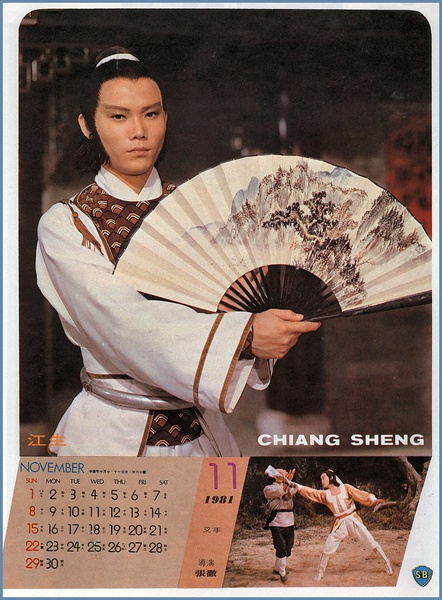
A member of the famous "Five Venoms" — the troupe of acrobat-actors assembled by director Chang Cheh at Shaw Brothers — Chiang Sheng won fame for his role as the youngest disciple in The Five Venoms and as the crazed fighter in Crippled Avengers. Beyond acting, he served as assistant director and action choreographer on more than forty films, and later directed movies himself in Taiwan. He died before reaching the age of forty.
A member of the famous "Five Venoms" — the troupe of acrobat-actors assembled by director Chang Cheh at Shaw Brothers — Chiang Sheng won fame for his role as the youngest disciple in The Five Venoms and as the crazed fighter in Crippled Avengers. Beyond acting, he served as assistant director and action choreographer on more than forty films, and later directed movies himself in Taiwan. He died before reaching the age of forty.
A member of the famous "Five Venoms" — the troupe of acrobat-actors assembled by director Chang Cheh at Shaw Brothers — Chiang Sheng won fame for his role as the youngest disciple in The Five Venoms and as the crazed fighter in Crippled Avengers. Beyond acting, he served as assistant director and action choreographer on more than forty films, and later directed movies himself in Taiwan. He died before reaching the age of forty.

Korean taekwondo master nicknamed "The Tornado" for his spinning kicks, Casanova Wong became one of the most striking "leg men" of Hong Kong kung fu cinema in the late 1970s. His best-known role was the simple-minded cashier who becomes a student of a wing chun master in Sammo Hung's Warriors Two. Over a decade and a half he appeared in nearly forty films and directed two himself.
Korean taekwondo master nicknamed "The Tornado" for his spinning kicks, Casanova Wong became one of the most striking "leg men" of Hong Kong kung fu cinema in the late 1970s. His best-known role was the simple-minded cashier who becomes a student of a wing chun master in Sammo Hung's Warriors Two. Over a decade and a half he appeared in nearly forty films and directed two himself.
Korean taekwondo master nicknamed "The Tornado" for his spinning kicks, Casanova Wong became one of the most striking "leg men" of Hong Kong kung fu cinema in the late 1970s. His best-known role was the simple-minded cashier who becomes a student of a wing chun master in Sammo Hung's Warriors Two. Over a decade and a half he appeared in nearly forty films and directed two himself.

A muscular Hung Gar master, Chi Kuan-Chun rose to fame in the mid-1970s as one of Chang Cheh's "Shaolin avengers" at Shaw Brothers. His signature role was the rebel Hu Hui-Chien, whom he played in Men from the Monastery, Shaolin Temple and The Shaolin Avengers, with Alexander Fu Sheng as his regular partner. He later became a star of Taiwanese kung fu films, and in the 2000s returned to the screen in character roles for Tsui Hark and Dante Lam.
A muscular Hung Gar master, Chi Kuan-Chun rose to fame in the mid-1970s as one of Chang Cheh's "Shaolin avengers" at Shaw Brothers. His signature role was the rebel Hu Hui-Chien, whom he played in Men from the Monastery, Shaolin Temple and The Shaolin Avengers, with Alexander Fu Sheng as his regular partner. He later became a star of Taiwanese kung fu films, and in the 2000s returned to the screen in character roles for Tsui Hark and Dante Lam.
A muscular Hung Gar master, Chi Kuan-Chun rose to fame in the mid-1970s as one of Chang Cheh's "Shaolin avengers" at Shaw Brothers. His signature role was the rebel Hu Hui-Chien, whom he played in Men from the Monastery, Shaolin Temple and The Shaolin Avengers, with Alexander Fu Sheng as his regular partner. He later became a star of Taiwanese kung fu films, and in the 2000s returned to the screen in character roles for Tsui Hark and Dante Lam.

Taiwanese actor and fight choreographer Chiang Tao played more than two hundred roles over half a century of work – almost always villains, Japanese masters, generals and gangsters. He appeared in Chang Cheh's films at Shaw Brothers in The Blood Brothers and Na Cha the Great, then became one of the most in-demand "bad guys" of independent kung fu cinema and Bruceploitation films, and in the late 1980s he choreographed fights for low-budget ninja movies.
Taiwanese actor and fight choreographer Chiang Tao played more than two hundred roles over half a century of work – almost always villains, Japanese masters, generals and gangsters. He appeared in Chang Cheh's films at Shaw Brothers in The Blood Brothers and Na Cha the Great, then became one of the most in-demand "bad guys" of independent kung fu cinema and Bruceploitation films, and in the late 1980s he choreographed fights for low-budget ninja movies.
Taiwanese actor and fight choreographer Chiang Tao played more than two hundred roles over half a century of work – almost always villains, Japanese masters, generals and gangsters. He appeared in Chang Cheh's films at Shaw Brothers in The Blood Brothers and Na Cha the Great, then became one of the most in-demand "bad guys" of independent kung fu cinema and Bruceploitation films, and in the late 1980s he choreographed fights for low-budget ninja movies.

Hong Kong producer and actor Charles Heung, together with his brother Jimmy, founded Win's, the company behind God of Gamblers and Stephen Chow Sing-Chi's early hits, and later headed China Star, one of the leading Hong Kong film companies at the turn of the century, where Johnnie To and Wai Ka-Fai made their films. As an actor, he is best remembered for his role as Lung Wu, the loyal bodyguard of Chow Yun-Fat's character in God of Gamblers and its sequels. His name has long been accompanied by talk of the Heung family's triad connections, which he himself denies.
Hong Kong producer and actor Charles Heung, together with his brother Jimmy, founded Win's, the company behind God of Gamblers and Stephen Chow Sing-Chi's early hits, and later headed China Star, one of the leading Hong Kong film companies at the turn of the century, where Johnnie To and Wai Ka-Fai made their films. As an actor, he is best remembered for his role as Lung Wu, the loyal bodyguard of Chow Yun-Fat's character in God of Gamblers and its sequels. His name has long been accompanied by talk of the Heung family's triad connections, which he himself denies.
Hong Kong producer and actor Charles Heung, together with his brother Jimmy, founded Win's, the company behind God of Gamblers and Stephen Chow Sing-Chi's early hits, and later headed China Star, one of the leading Hong Kong film companies at the turn of the century, where Johnnie To and Wai Ka-Fai made their films. As an actor, he is best remembered for his role as Lung Wu, the loyal bodyguard of Chow Yun-Fat's character in God of Gamblers and its sequels. His name has long been accompanied by talk of the Heung family's triad connections, which he himself denies.

A fighter with the looks of a Hollywood actor, the son of a boxing champion and a man of Chinese, English, Japanese and Korean blood, Conan Lee Yuen-Ba burst into Hong Kong cinema in the early 1980s with Corey Yuen Kwai's directorial debut Ninja in the Dragon's Den, where he fought on equal terms with Japanese star Sanada Hiroyuki. He later became Chow Yun-Fat's partner in Lau Kar-Leung's police comedy Tiger on the Beat and appeared in Hollywood, but at the peak of his career he left film to care for his seriously ill mother.
A fighter with the looks of a Hollywood actor, the son of a boxing champion and a man of Chinese, English, Japanese and Korean blood, Conan Lee Yuen-Ba burst into Hong Kong cinema in the early 1980s with Corey Yuen Kwai's directorial debut Ninja in the Dragon's Den, where he fought on equal terms with Japanese star Sanada Hiroyuki. He later became Chow Yun-Fat's partner in Lau Kar-Leung's police comedy Tiger on the Beat and appeared in Hollywood, but at the peak of his career he left film to care for his seriously ill mother.
A fighter with the looks of a Hollywood actor, the son of a boxing champion and a man of Chinese, English, Japanese and Korean blood, Conan Lee Yuen-Ba burst into Hong Kong cinema in the early 1980s with Corey Yuen Kwai's directorial debut Ninja in the Dragon's Den, where he fought on equal terms with Japanese star Sanada Hiroyuki. He later became Chow Yun-Fat's partner in Lau Kar-Leung's police comedy Tiger on the Beat and appeared in Hollywood, but at the peak of his career he left film to care for his seriously ill mother.

Making her debut in Patrick Tam Kar-Ming's Nomad, one of the manifestos of the Hong Kong New Wave, Cecilia Yip Tung won the Hong Kong Film Award for Best Actress at just twenty-one, and went on to take it three times over the course of her career. Audiences in mainland China and Taiwan know her above all as the "eternal Xu Xian" — in the 1992 series The Legend of White Snake she played a male role, and that image became a textbook one for an entire generation. Three decades later, refusing to dye her grey hair, she became the undisputed winner of the hit 2025 show Sisters Who Make ...
Making her debut in Patrick Tam Kar-Ming's Nomad, one of the manifestos of the Hong Kong New Wave, Cecilia Yip Tung won the Hong Kong Film Award for Best Actress at just twenty-one, and went on to take it three times over the course of her career. Audiences in mainland China and Taiwan know her above all as the "eternal Xu Xian" — in the 1992 series The Legend of White Snake she played a male role, and that image became a textbook one for an entire generation. Three decades later, refusing to dye her grey hair, she became the undisputed winner of the hit 2025 show Sisters Who Make ...
Making her debut in Patrick Tam Kar-Ming's Nomad, one of the manifestos of the Hong Kong New Wave, Cecilia Yip Tung won the Hong Kong Film Award for Best Actress at just twenty-one, and went on to take it three times over the course of her career. Audiences in mainland China and Taiwan know her above all as the "eternal Xu Xian" — in the 1992 series The Legend of White Snake she played a male role, and that image became a textbook one for an entire generation. Three decades later, refusing to dye her grey hair, she became the undisputed winner of the hit 2025 show Sisters Who Make ...


