


Biographies

Van Fan Yi-Chen is a Taiwanese singer and actor of Amis descent who started out with love ballads and the hit "I Believe." He made it into film six years after his music debut, and straight into a leading role: his musician A-Jia became the hero of Cape No. 7, the highest-grossing local film of its time. The song from it earned him a Golden Horse, while his fulfilled promise to go skinny-dipping made news all over Taiwan. Then came his own band, years in mainland cinema, and later recognition for the series Port of Lies.
Van Fan Yi-Chen is a Taiwanese singer and actor of Amis descent who started out with love ballads and the hit "I Believe." He made it into film six years after his music debut, and straight into a leading role: his musician A-Jia became the hero of Cape No. 7, the highest-grossing local film of its time. The song from it earned him a Golden Horse, while his fulfilled promise to go skinny-dipping made news all over Taiwan. Then came his own band, years in mainland cinema, and later recognition for the series Port of Lies.
Van Fan Yi-Chen is a Taiwanese singer and actor of Amis descent who started out with love ballads and the hit "I Believe." He made it into film six years after his music debut, and straight into a leading role: his musician A-Jia became the hero of Cape No. 7, the highest-grossing local film of its time. The song from it earned him a Golden Horse, while his fulfilled promise to go skinny-dipping made news all over Taiwan. Then came his own band, years in mainland cinema, and later recognition for the series Port of Lies.

While still a student at the Beijing Film Academy, Vivien Li walked the Cannes red carpet with Jia Zhang-Ke's A Touch of Sin, but her career proved anything but smooth from there. Twice she was cast as Bai Ling in White Deer Plain, and both times the role slipped away from her, while a story a colleague told on a TV show about two identical apples long cemented her reputation as a "difficult" actress. The turning point came in 2024, when her Princess Wanning in the series The Double became the season's biggest internet sensation.
While still a student at the Beijing Film Academy, Vivien Li walked the Cannes red carpet with Jia Zhang-Ke's A Touch of Sin, but her career proved anything but smooth from there. Twice she was cast as Bai Ling in White Deer Plain, and both times the role slipped away from her, while a story a colleague told on a TV show about two identical apples long cemented her reputation as a "difficult" actress. The turning point came in 2024, when her Princess Wanning in the series The Double became the season's biggest internet sensation.
While still a student at the Beijing Film Academy, Vivien Li walked the Cannes red carpet with Jia Zhang-Ke's A Touch of Sin, but her career proved anything but smooth from there. Twice she was cast as Bai Ling in White Deer Plain, and both times the role slipped away from her, while a story a colleague told on a TV show about two identical apples long cemented her reputation as a "difficult" actress. The turning point came in 2024, when her Princess Wanning in the series The Double became the season's biggest internet sensation.

Vivian Sung is a Taiwanese actress who rose to fame as Lin Chen-Hsin in Our Times: the role earned her a Golden Horse nomination and made her the youngest of the five nominees. It was Giddens Ko who brought her into film, seeing the heroine of a future movie in a student of textile and fashion design. Then came the mainland hit Hello, Mr. Billionaire and a scandal over an old interview, the series Lost Romance and The Cleaner, which topped Taiwan's Netflix chart for three weeks running.
Vivian Sung is a Taiwanese actress who rose to fame as Lin Chen-Hsin in Our Times: the role earned her a Golden Horse nomination and made her the youngest of the five nominees. It was Giddens Ko who brought her into film, seeing the heroine of a future movie in a student of textile and fashion design. Then came the mainland hit Hello, Mr. Billionaire and a scandal over an old interview, the series Lost Romance and The Cleaner, which topped Taiwan's Netflix chart for three weeks running.
Vivian Sung is a Taiwanese actress who rose to fame as Lin Chen-Hsin in Our Times: the role earned her a Golden Horse nomination and made her the youngest of the five nominees. It was Giddens Ko who brought her into film, seeing the heroine of a future movie in a student of textile and fashion design. Then came the mainland hit Hello, Mr. Billionaire and a scandal over an old interview, the series Lost Romance and The Cleaner, which topped Taiwan's Netflix chart for three weeks running.

Until the age of forty-two, Wei Xiang mostly played characters in film whom audiences remembered for a single scene. The football coach in the comedy Hello, Mr. Billionaire promises to eat a whole pig in three sittings, while Manager Ye in Pegasus helps a racer get back on track. By that time, Wei had spent many years performing at the Kaixin Mahua theater, sometimes playing several roles in a single evening. His first leading film role came in the comedy Too Cool To Kill. His character, an extra, also lands a big role for the first time and gets so carried away that he mistakes real ...
Until the age of forty-two, Wei Xiang mostly played characters in film whom audiences remembered for a single scene. The football coach in the comedy Hello, Mr. Billionaire promises to eat a whole pig in three sittings, while Manager Ye in Pegasus helps a racer get back on track. By that time, Wei had spent many years performing at the Kaixin Mahua theater, sometimes playing several roles in a single evening. His first leading film role came in the comedy Too Cool To Kill. His character, an extra, also lands a big role for the first time and gets so carried away that he mistakes real ...
Until the age of forty-two, Wei Xiang mostly played characters in film whom audiences remembered for a single scene. The football coach in the comedy Hello, Mr. Billionaire promises to eat a whole pig in three sittings, while Manager Ye in Pegasus helps a racer get back on track. By that time, Wei had spent many years performing at the Kaixin Mahua theater, sometimes playing several roles in a single evening. His first leading film role came in the comedy Too Cool To Kill. His character, an extra, also lands a big role for the first time and gets so carried away that he mistakes real ...

Wang Xun has a line that people in China still remember even if they've forgotten the name of his character. In Crazy Stone, his bespectacled secretary, upon discovering a dent in his car, suggests reading BMW as "Don't Touch Me." Before that film, Wang had spent years performing in Sichuan and writing comedy sketches. After it, he was still mostly stuck with supporting roles on screen for a long time, and it was the TV show "Extreme Challenge" that made him a household name across the country. Wang met Huang Bo on the set of Crazy Stone, later appeared with him many times, and helped him ...
Wang Xun has a line that people in China still remember even if they've forgotten the name of his character. In Crazy Stone, his bespectacled secretary, upon discovering a dent in his car, suggests reading BMW as "Don't Touch Me." Before that film, Wang had spent years performing in Sichuan and writing comedy sketches. After it, he was still mostly stuck with supporting roles on screen for a long time, and it was the TV show "Extreme Challenge" that made him a household name across the country. Wang met Huang Bo on the set of Crazy Stone, later appeared with him many times, and helped him ...
Wang Xun has a line that people in China still remember even if they've forgotten the name of his character. In Crazy Stone, his bespectacled secretary, upon discovering a dent in his car, suggests reading BMW as "Don't Touch Me." Before that film, Wang had spent years performing in Sichuan and writing comedy sketches. After it, he was still mostly stuck with supporting roles on screen for a long time, and it was the TV show "Extreme Challenge" that made him a household name across the country. Wang met Huang Bo on the set of Crazy Stone, later appeared with him many times, and helped him ...

Wen Zhang first made his name on television, playing young men who had to rent flats, look for work and learn to live as married couples. In cinema he was given very different roles. In Ocean Paradise he played a young man with autism and learned to swim especially for the shoot, while in Journey to the West: Conquering the Demons, directed by Stephen Chow Sing-Chi, he played a hapless demon tamer. The success of Little Daddy, which Wen directed himself, allowed him to carry on filmmaking. For his first feature-length picture, When Larry Met Mary, he received a Golden Rooster.
Wen Zhang first made his name on television, playing young men who had to rent flats, look for work and learn to live as married couples. In cinema he was given very different roles. In Ocean Paradise he played a young man with autism and learned to swim especially for the shoot, while in Journey to the West: Conquering the Demons, directed by Stephen Chow Sing-Chi, he played a hapless demon tamer. The success of Little Daddy, which Wen directed himself, allowed him to carry on filmmaking. For his first feature-length picture, When Larry Met Mary, he received a Golden Rooster.
Wen Zhang first made his name on television, playing young men who had to rent flats, look for work and learn to live as married couples. In cinema he was given very different roles. In Ocean Paradise he played a young man with autism and learned to swim especially for the shoot, while in Journey to the West: Conquering the Demons, directed by Stephen Chow Sing-Chi, he played a hapless demon tamer. The success of Little Daddy, which Wen directed himself, allowed him to carry on filmmaking. For his first feature-length picture, When Larry Met Mary, he received a Golden Rooster.

At Shaw Brothers, Wang Hsieh often played men used to giving orders. Tall, broad-shouldered and thickly bearded, he easily passed for a gang boss or an old master no one dared to contradict. In Killer Clans he headed one of the warring clans, while in The Super Inframan he played, with the same gravity, a professor who turns a volunteer into a cyborg so that he can fight monsters. Wang Hsieh spent twelve years at the Hong Kong studio, but began and ended his career in Taiwan, where he was already known for black-and-white melodramas.
At Shaw Brothers, Wang Hsieh often played men used to giving orders. Tall, broad-shouldered and thickly bearded, he easily passed for a gang boss or an old master no one dared to contradict. In Killer Clans he headed one of the warring clans, while in The Super Inframan he played, with the same gravity, a professor who turns a volunteer into a cyborg so that he can fight monsters. Wang Hsieh spent twelve years at the Hong Kong studio, but began and ended his career in Taiwan, where he was already known for black-and-white melodramas.
At Shaw Brothers, Wang Hsieh often played men used to giving orders. Tall, broad-shouldered and thickly bearded, he easily passed for a gang boss or an old master no one dared to contradict. In Killer Clans he headed one of the warring clans, while in The Super Inframan he played, with the same gravity, a professor who turns a volunteer into a cyborg so that he can fight monsters. Wang Hsieh spent twelve years at the Hong Kong studio, but began and ended his career in Taiwan, where he was already known for black-and-white melodramas.

Wang Jing-Chun has played police officers so many times that in China he has long been regarded as a specialist in that department. In the series Ordinary Greatness, he played a station chief whose days are consumed by settling neighbors' quarrels and training rookies. But his best-known role came as a factory worker in Wang Xiao-Shuai's family drama So Long, My Son. After his son's death, his character moves with his wife to a fishing village and makes a living as a welder. Wang had learned the trade before he ever enrolled in a theater academy.
Wang Jing-Chun has played police officers so many times that in China he has long been regarded as a specialist in that department. In the series Ordinary Greatness, he played a station chief whose days are consumed by settling neighbors' quarrels and training rookies. But his best-known role came as a factory worker in Wang Xiao-Shuai's family drama So Long, My Son. After his son's death, his character moves with his wife to a fishing village and makes a living as a welder. Wang had learned the trade before he ever enrolled in a theater academy.
Wang Jing-Chun has played police officers so many times that in China he has long been regarded as a specialist in that department. In the series Ordinary Greatness, he played a station chief whose days are consumed by settling neighbors' quarrels and training rookies. But his best-known role came as a factory worker in Wang Xiao-Shuai's family drama So Long, My Son. After his son's death, his character moves with his wife to a fishing village and makes a living as a welder. Wang had learned the trade before he ever enrolled in a theater academy.

When Da Peng set out to make a film about a young dancer, he began asking dancers whom they pictured in the role. Most often they named Wang Yi-Bo. By that time, the member of the Chinese-Korean group UNIQ was widely known for The Untamed, in which he played the taciturn swordsman Lan Wangji. In those years he was also assembling teams for televised dance battles. In 2023, One and Only was released, and the role of a young man who spends every spare minute in the dance studio earned Wang Yi-Bo nominations for the Golden Rooster and the Huabiao Awards.
When Da Peng set out to make a film about a young dancer, he began asking dancers whom they pictured in the role. Most often they named Wang Yi-Bo. By that time, the member of the Chinese-Korean group UNIQ was widely known for The Untamed, in which he played the taciturn swordsman Lan Wangji. In those years he was also assembling teams for televised dance battles. In 2023, One and Only was released, and the role of a young man who spends every spare minute in the dance studio earned Wang Yi-Bo nominations for the Golden Rooster and the Huabiao Awards.
When Da Peng set out to make a film about a young dancer, he began asking dancers whom they pictured in the role. Most often they named Wang Yi-Bo. By that time, the member of the Chinese-Korean group UNIQ was widely known for The Untamed, in which he played the taciturn swordsman Lan Wangji. In those years he was also assembling teams for televised dance battles. In 2023, One and Only was released, and the role of a young man who spends every spare minute in the dance studio earned Wang Yi-Bo nominations for the Golden Rooster and the Huabiao Awards.

In March 2015, Wang De-Shun opened the Beijing Fashion Week show with his old mime act, and at the end walked the runway in quilted trousers and bare-chested. Footage of that appearance spread across the internet, and the grey-haired actor, familiar to audiences from The Forbidden Kingdom and Miss Granny, came to be called "China's most handsome grandpa." By then Wang had spent years training for a performance he had dreamed up together with his wife. On stage he performed alongside replicas of Rodin's works, striving to make the audience mistake him, if only for a second, for a bronze ...
In March 2015, Wang De-Shun opened the Beijing Fashion Week show with his old mime act, and at the end walked the runway in quilted trousers and bare-chested. Footage of that appearance spread across the internet, and the grey-haired actor, familiar to audiences from The Forbidden Kingdom and Miss Granny, came to be called "China's most handsome grandpa." By then Wang had spent years training for a performance he had dreamed up together with his wife. On stage he performed alongside replicas of Rodin's works, striving to make the audience mistake him, if only for a second, for a bronze ...
In March 2015, Wang De-Shun opened the Beijing Fashion Week show with his old mime act, and at the end walked the runway in quilted trousers and bare-chested. Footage of that appearance spread across the internet, and the grey-haired actor, familiar to audiences from The Forbidden Kingdom and Miss Granny, came to be called "China's most handsome grandpa." By then Wang had spent years training for a performance he had dreamed up together with his wife. On stage he performed alongside replicas of Rodin's works, striving to make the audience mistake him, if only for a second, for a bronze ...

Wang Xue-Bing first came to prominence as Le Yan in the youth series Cherish Our Love Forever, and after the domestic-violence drama Don't Respond to Strangers - Domestic Violence he spent several years in a row playing police officers. On the big screen he was given very different roles. On the set of Black Coal, Thin Ice he put to use the skating skills he had learned as a schoolboy in Urumqi, and in the directorial debut of his old friend Chen Jian-Bin he played a man whose arrival disrupts the peace of an entire village.
Wang Xue-Bing first came to prominence as Le Yan in the youth series Cherish Our Love Forever, and after the domestic-violence drama Don't Respond to Strangers - Domestic Violence he spent several years in a row playing police officers. On the big screen he was given very different roles. On the set of Black Coal, Thin Ice he put to use the skating skills he had learned as a schoolboy in Urumqi, and in the directorial debut of his old friend Chen Jian-Bin he played a man whose arrival disrupts the peace of an entire village.
Wang Xue-Bing first came to prominence as Le Yan in the youth series Cherish Our Love Forever, and after the domestic-violence drama Don't Respond to Strangers - Domestic Violence he spent several years in a row playing police officers. On the big screen he was given very different roles. On the set of Black Coal, Thin Ice he put to use the skating skills he had learned as a schoolboy in Urumqi, and in the directorial debut of his old friend Chen Jian-Bin he played a man whose arrival disrupts the peace of an entire village.

Vivian Hsu got her start in a Taiwanese girl group, then joined Japan's Black Biscuits, whose single Timing sold nearly 1.5 million copies. She later played mothers in Taiwanese films and produced Little Big Women. For the role of the grandmother in Su Da, Hsu learned her lines in Atayal, modeling the speech on her mother's way of talking.
Vivian Hsu got her start in a Taiwanese girl group, then joined Japan's Black Biscuits, whose single Timing sold nearly 1.5 million copies. She later played mothers in Taiwanese films and produced Little Big Women. For the role of the grandmother in Su Da, Hsu learned her lines in Atayal, modeling the speech on her mother's way of talking.
Vivian Hsu got her start in a Taiwanese girl group, then joined Japan's Black Biscuits, whose single Timing sold nearly 1.5 million copies. She later played mothers in Taiwanese films and produced Little Big Women. For the role of the grandmother in Su Da, Hsu learned her lines in Atayal, modeling the speech on her mother's way of talking.

Wong Yat-Fei was a veteran of Hong Kong film and television, one of Stephen Chow's "favourite supporting actors," and an HKFA award winner for his role as Iron Head in Shaolin Soccer. Over half a century in the profession he played more than three hundred roles — servants, officials, shopkeepers, hapless police chiefs, and eccentric old men — and he was at his best in parts that let him laugh at himself. His life story reads like the plot of a Hong Kong movie: heir to a wealthy Guangzhou family who lost everything during the Cultural Revolution, he started out in Hong Kong as a cashier ...
Wong Yat-Fei was a veteran of Hong Kong film and television, one of Stephen Chow's "favourite supporting actors," and an HKFA award winner for his role as Iron Head in Shaolin Soccer. Over half a century in the profession he played more than three hundred roles — servants, officials, shopkeepers, hapless police chiefs, and eccentric old men — and he was at his best in parts that let him laugh at himself. His life story reads like the plot of a Hong Kong movie: heir to a wealthy Guangzhou family who lost everything during the Cultural Revolution, he started out in Hong Kong as a cashier ...
Wong Yat-Fei was a veteran of Hong Kong film and television, one of Stephen Chow's "favourite supporting actors," and an HKFA award winner for his role as Iron Head in Shaolin Soccer. Over half a century in the profession he played more than three hundred roles — servants, officials, shopkeepers, hapless police chiefs, and eccentric old men — and he was at his best in parts that let him laugh at himself. His life story reads like the plot of a Hong Kong movie: heir to a wealthy Guangzhou family who lost everything during the Cultural Revolution, he started out in Hong Kong as a cashier ...

It's hard to imagine Hong Kong comedy of the last thirty years without Vincent Kok. His name means little to the general public, but he wrote the screenplays for a whole string of Stephen Chow's best films – From Beijing with Love, Forbidden City Cop, The God of Cookery – produced and co-wrote CJ7, directed the romantic comedy Gorgeous with Jackie Chan, and later became one of the most reliable directors of Lunar New Year hits. Many viewers also know him by sight: the chubby, perpetually bewildered Kok keeps popping up on screen in bit parts – in his own films, in those of Stephen Chow ...
It's hard to imagine Hong Kong comedy of the last thirty years without Vincent Kok. His name means little to the general public, but he wrote the screenplays for a whole string of Stephen Chow's best films – From Beijing with Love, Forbidden City Cop, The God of Cookery – produced and co-wrote CJ7, directed the romantic comedy Gorgeous with Jackie Chan, and later became one of the most reliable directors of Lunar New Year hits. Many viewers also know him by sight: the chubby, perpetually bewildered Kok keeps popping up on screen in bit parts – in his own films, in those of Stephen Chow ...
It's hard to imagine Hong Kong comedy of the last thirty years without Vincent Kok. His name means little to the general public, but he wrote the screenplays for a whole string of Stephen Chow's best films – From Beijing with Love, Forbidden City Cop, The God of Cookery – produced and co-wrote CJ7, directed the romantic comedy Gorgeous with Jackie Chan, and later became one of the most reliable directors of Lunar New Year hits. Many viewers also know him by sight: the chubby, perpetually bewildered Kok keeps popping up on screen in bit parts – in his own films, in those of Stephen Chow ...

There is hardly anyone in China who hasn't heard of Vicki Zhao. In 1998, the role of the mischievous Swallow in the series My Fair Princess (1998) made the 22-year-old student the most recognizable actress in China, Taiwan, and Southeast Asia, and over the next twenty years she went on to become a pop singer, a star of Hong Kong and Chinese blockbusters, a winner of the top acting awards, and one of the most successful debut directors in the history of Chinese box office. Vicki Zhao's career has seen both loud scandals and financial gambles, and in 2021 it was cut short in the most ...
There is hardly anyone in China who hasn't heard of Vicki Zhao. In 1998, the role of the mischievous Swallow in the series My Fair Princess (1998) made the 22-year-old student the most recognizable actress in China, Taiwan, and Southeast Asia, and over the next twenty years she went on to become a pop singer, a star of Hong Kong and Chinese blockbusters, a winner of the top acting awards, and one of the most successful debut directors in the history of Chinese box office. Vicki Zhao's career has seen both loud scandals and financial gambles, and in 2021 it was cut short in the most ...
There is hardly anyone in China who hasn't heard of Vicki Zhao. In 1998, the role of the mischievous Swallow in the series My Fair Princess (1998) made the 22-year-old student the most recognizable actress in China, Taiwan, and Southeast Asia, and over the next twenty years she went on to become a pop singer, a star of Hong Kong and Chinese blockbusters, a winner of the top acting awards, and one of the most successful debut directors in the history of Chinese box office. Vicki Zhao's career has seen both loud scandals and financial gambles, and in 2021 it was cut short in the most ...

Wong Tin-Lam was a director and producer whose sixty-year career took him from film developer to patriarch of Hong Kong cinema and television. In the 1950s he made Cantonese, Mandarin and Amoy films, and at the MP&GI studio he directed All in the Family and The Greatest Civil War on Earth; in the 1970s and 1980s, as a TVB producer, he shaped the look of television wuxia series and melodramas; and in his later years he became a recognizable actor in films by his protégé Johnnie To and his son Wong Jing.
Wong Tin-Lam was a director and producer whose sixty-year career took him from film developer to patriarch of Hong Kong cinema and television. In the 1950s he made Cantonese, Mandarin and Amoy films, and at the MP&GI studio he directed All in the Family and The Greatest Civil War on Earth; in the 1970s and 1980s, as a TVB producer, he shaped the look of television wuxia series and melodramas; and in his later years he became a recognizable actor in films by his protégé Johnnie To and his son Wong Jing.
Wong Tin-Lam was a director and producer whose sixty-year career took him from film developer to patriarch of Hong Kong cinema and television. In the 1950s he made Cantonese, Mandarin and Amoy films, and at the MP&GI studio he directed All in the Family and The Greatest Civil War on Earth; in the 1970s and 1980s, as a TVB producer, he shaped the look of television wuxia series and melodramas; and in his later years he became a recognizable actor in films by his protégé Johnnie To and his son Wong Jing.

Veteran Hong Kong actor Wong Ching spent nearly half a century on screen: he started out as a stuntman and bit-part player in Chang Cheh's wuxia and kung fu films at Shaw Brothers, in the 1980s appeared in Golden Harvest and Cinema City comedies and choreographed action scenes, and for the last twenty-odd years of his career acted in TVB series. He is credited with more than two hundred films and series.
Veteran Hong Kong actor Wong Ching spent nearly half a century on screen: he started out as a stuntman and bit-part player in Chang Cheh's wuxia and kung fu films at Shaw Brothers, in the 1980s appeared in Golden Harvest and Cinema City comedies and choreographed action scenes, and for the last twenty-odd years of his career acted in TVB series. He is credited with more than two hundred films and series.
Veteran Hong Kong actor Wong Ching spent nearly half a century on screen: he started out as a stuntman and bit-part player in Chang Cheh's wuxia and kung fu films at Shaw Brothers, in the 1980s appeared in Golden Harvest and Cinema City comedies and choreographed action scenes, and for the last twenty-odd years of his career acted in TVB series. He is credited with more than two hundred films and series.

An American singer, composer, and producer of Taiwanese descent, Wang Lee-Hom is one of the biggest stars of Mandarin pop: CNN called him the "King of Chinese Pop," while the Los Angeles Times dubbed him "the biggest American star America has never heard of." He made his film debut in the action movie China Strike Force, rose to fame as a patriotic student in Ang Lee's drama Lust, Caution, and in 2010 directed the comedy Love in Disguise himself.
An American singer, composer, and producer of Taiwanese descent, Wang Lee-Hom is one of the biggest stars of Mandarin pop: CNN called him the "King of Chinese Pop," while the Los Angeles Times dubbed him "the biggest American star America has never heard of." He made his film debut in the action movie China Strike Force, rose to fame as a patriotic student in Ang Lee's drama Lust, Caution, and in 2010 directed the comedy Love in Disguise himself.
An American singer, composer, and producer of Taiwanese descent, Wang Lee-Hom is one of the biggest stars of Mandarin pop: CNN called him the "King of Chinese Pop," while the Los Angeles Times dubbed him "the biggest American star America has never heard of." He made his film debut in the action movie China Strike Force, rose to fame as a patriotic student in Ang Lee's drama Lust, Caution, and in 2010 directed the comedy Love in Disguise himself.
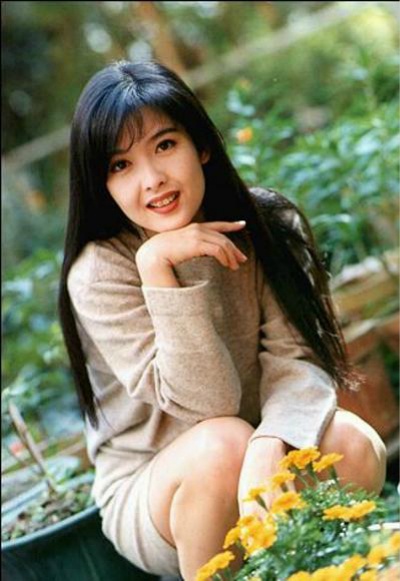
In the early 1990s, Hong Kong singer and actress Vivian Chow was one of the biggest pop stars of the Cantopop scene, embodying on screen the image of the pure and gentle girl next door. In less than a decade she appeared in three dozen films – among them the comedy Heart to Hearts, which earned her a Hong Kong Film Award nomination – and in the TV series The Greed of Man, and in 1997, at the peak of her popularity, she retired from the stage, only to return a decade later.
In the early 1990s, Hong Kong singer and actress Vivian Chow was one of the biggest pop stars of the Cantopop scene, embodying on screen the image of the pure and gentle girl next door. In less than a decade she appeared in three dozen films – among them the comedy Heart to Hearts, which earned her a Hong Kong Film Award nomination – and in the TV series The Greed of Man, and in 1997, at the peak of her popularity, she retired from the stage, only to return a decade later.
In the early 1990s, Hong Kong singer and actress Vivian Chow was one of the biggest pop stars of the Cantopop scene, embodying on screen the image of the pure and gentle girl next door. In less than a decade she appeared in three dozen films – among them the comedy Heart to Hearts, which earned her a Hong Kong Film Award nomination – and in the TV series The Greed of Man, and in 1997, at the peak of her popularity, she retired from the stage, only to return a decade later.

Wang Chung spent two decades at Shaw Brothers: starting out in the late 1960s as part of Chang Cheh's "team," he played dozens of fighters, swordsmen and villains in wuxia films and crime dramas, and landed a leading role in the gritty drama The Delinquent. In the early 1980s he became one of the few actors at the studio to make a successful transition to directing: his police thrillers The Informer and Murderer Pursues are regarded by critics as among the most interesting late Shaw Brothers films.
Wang Chung spent two decades at Shaw Brothers: starting out in the late 1960s as part of Chang Cheh's "team," he played dozens of fighters, swordsmen and villains in wuxia films and crime dramas, and landed a leading role in the gritty drama The Delinquent. In the early 1980s he became one of the few actors at the studio to make a successful transition to directing: his police thrillers The Informer and Murderer Pursues are regarded by critics as among the most interesting late Shaw Brothers films.
Wang Chung spent two decades at Shaw Brothers: starting out in the late 1960s as part of Chang Cheh's "team," he played dozens of fighters, swordsmen and villains in wuxia films and crime dramas, and landed a leading role in the gritty drama The Delinquent. In the early 1980s he became one of the few actors at the studio to make a successful transition to directing: his police thrillers The Informer and Murderer Pursues are regarded by critics as among the most interesting late Shaw Brothers films.

A charming rogue with a boyish face, Wong Yu was one of the most popular young actors at Shaw Brothers in the 1970s and 1980s and director Lau Kar-Leung's favourite comic hero. Audiences remember him above all for the title role in the kung fu comedy Dirty Ho, in which he played opposite Gordon Liu Chia-Hui, as well as for The 36th Chamber of Shaolin and The 8 Diagram Pole Fighter. He should not be confused with Jimmy Wang Yu — the star of The One-Armed Swordsman — whose name is written with different Chinese characters.
A charming rogue with a boyish face, Wong Yu was one of the most popular young actors at Shaw Brothers in the 1970s and 1980s and director Lau Kar-Leung's favourite comic hero. Audiences remember him above all for the title role in the kung fu comedy Dirty Ho, in which he played opposite Gordon Liu Chia-Hui, as well as for The 36th Chamber of Shaolin and The 8 Diagram Pole Fighter. He should not be confused with Jimmy Wang Yu — the star of The One-Armed Swordsman — whose name is written with different Chinese characters.
A charming rogue with a boyish face, Wong Yu was one of the most popular young actors at Shaw Brothers in the 1970s and 1980s and director Lau Kar-Leung's favourite comic hero. Audiences remember him above all for the title role in the kung fu comedy Dirty Ho, in which he played opposite Gordon Liu Chia-Hui, as well as for The 36th Chamber of Shaolin and The 8 Diagram Pole Fighter. He should not be confused with Jimmy Wang Yu — the star of The One-Armed Swordsman — whose name is written with different Chinese characters.

Wai Pak went down in Hong Kong cinema history as the Snake — one of the five students of a mysterious school in Chang Cheh's cult film The Five Venoms. Unlike his partners in the famous "Venoms" group, graduates of opera schools and acrobats, he was more of a dramatic actor than a martial arts one, and so he appeared alongside the rest of the five only infrequently. Yet after leaving Shaw Brothers he landed his only leading role — in John Woo's wuxia film Last Hurrah for Chivalry.
Wai Pak went down in Hong Kong cinema history as the Snake — one of the five students of a mysterious school in Chang Cheh's cult film The Five Venoms. Unlike his partners in the famous "Venoms" group, graduates of opera schools and acrobats, he was more of a dramatic actor than a martial arts one, and so he appeared alongside the rest of the five only infrequently. Yet after leaving Shaw Brothers he landed his only leading role — in John Woo's wuxia film Last Hurrah for Chivalry.
Wai Pak went down in Hong Kong cinema history as the Snake — one of the five students of a mysterious school in Chang Cheh's cult film The Five Venoms. Unlike his partners in the famous "Venoms" group, graduates of opera schools and acrobats, he was more of a dramatic actor than a martial arts one, and so he appeared alongside the rest of the five only infrequently. Yet after leaving Shaw Brothers he landed his only leading role — in John Woo's wuxia film Last Hurrah for Chivalry.

The director in his ever-present dark glasses, Wong Kar-Wai has become the most famous auteur of Hong Kong cinema in the world. His films Chungking Express, Happy Together and In the Mood for Love, with their fragmented editing, voice-over monologues, neon light and the melancholy of love unfulfilled, have influenced a whole generation of directors from Asia to Hollywood. He was the first Hong Kong filmmaker to win the Cannes Film Festival's Best Director award, presided over the Cannes jury in 2006, and in 2023, at the age of 65, made his first series – Blossoms, about 1990s Shanghai, ...
The director in his ever-present dark glasses, Wong Kar-Wai has become the most famous auteur of Hong Kong cinema in the world. His films Chungking Express, Happy Together and In the Mood for Love, with their fragmented editing, voice-over monologues, neon light and the melancholy of love unfulfilled, have influenced a whole generation of directors from Asia to Hollywood. He was the first Hong Kong filmmaker to win the Cannes Film Festival's Best Director award, presided over the Cannes jury in 2006, and in 2023, at the age of 65, made his first series – Blossoms, about 1990s Shanghai, ...
The director in his ever-present dark glasses, Wong Kar-Wai has become the most famous auteur of Hong Kong cinema in the world. His films Chungking Express, Happy Together and In the Mood for Love, with their fragmented editing, voice-over monologues, neon light and the melancholy of love unfulfilled, have influenced a whole generation of directors from Asia to Hollywood. He was the first Hong Kong filmmaker to win the Cannes Film Festival's Best Director award, presided over the Cannes jury in 2006, and in 2023, at the age of 65, made his first series – Blossoms, about 1990s Shanghai, ...

A village boy who ran away from home at the age of eight to study martial arts at Shaolin, and later hauled bricks at Beijing construction sites for 25 yuan a day, Wang Bao-Qiang became one of China's most beloved actors of the people. He started out as an extra, won a Golden Horse for his very first leading role in Blind Shaft, rose to fame as the simple-hearted Sha Gen in Feng Xiao-Gang's A World Without Thieves and as the soldier Xu San-duo in the cult series Soldiers Sortie, and then became Tang Ren in the box-office franchise Detective Chinatown. His directorial debut was savaged by ...
A village boy who ran away from home at the age of eight to study martial arts at Shaolin, and later hauled bricks at Beijing construction sites for 25 yuan a day, Wang Bao-Qiang became one of China's most beloved actors of the people. He started out as an extra, won a Golden Horse for his very first leading role in Blind Shaft, rose to fame as the simple-hearted Sha Gen in Feng Xiao-Gang's A World Without Thieves and as the soldier Xu San-duo in the cult series Soldiers Sortie, and then became Tang Ren in the box-office franchise Detective Chinatown. His directorial debut was savaged by ...
A village boy who ran away from home at the age of eight to study martial arts at Shaolin, and later hauled bricks at Beijing construction sites for 25 yuan a day, Wang Bao-Qiang became one of China's most beloved actors of the people. He started out as an extra, won a Golden Horse for his very first leading role in Blind Shaft, rose to fame as the simple-hearted Sha Gen in Feng Xiao-Gang's A World Without Thieves and as the soldier Xu San-duo in the cult series Soldiers Sortie, and then became Tang Ren in the box-office franchise Detective Chinatown. His directorial debut was savaged by ...

For thirty years, Chinese audiences have loved the refined and intellectual Wang Zhi-Wen for his ironic, slightly weary manner and his almost hypnotic way of speaking. In the early 1990s, the series Guo Ba Yin made him an idol for an entire generation, and he went on to become the first Chinese actor to win the "grand slam" of television awards. In film, Wang Zhi-Wen worked with Chen Kaige, Ann Hui and Jiang Wen, yet even in his mature years he remains above all a star of hugely popular series — from Black Ice to the spy drama The Rebel.
For thirty years, Chinese audiences have loved the refined and intellectual Wang Zhi-Wen for his ironic, slightly weary manner and his almost hypnotic way of speaking. In the early 1990s, the series Guo Ba Yin made him an idol for an entire generation, and he went on to become the first Chinese actor to win the "grand slam" of television awards. In film, Wang Zhi-Wen worked with Chen Kaige, Ann Hui and Jiang Wen, yet even in his mature years he remains above all a star of hugely popular series — from Black Ice to the spy drama The Rebel.
For thirty years, Chinese audiences have loved the refined and intellectual Wang Zhi-Wen for his ironic, slightly weary manner and his almost hypnotic way of speaking. In the early 1990s, the series Guo Ba Yin made him an idol for an entire generation, and he went on to become the first Chinese actor to win the "grand slam" of television awards. In film, Wang Zhi-Wen worked with Chen Kaige, Ann Hui and Jiang Wen, yet even in his mature years he remains above all a star of hugely popular series — from Black Ice to the spy drama The Rebel.


