Biographies

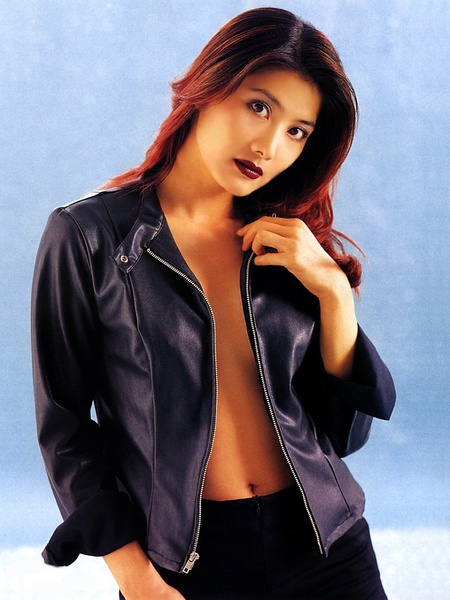
Liu Shi-Shi was preparing to teach ballet when she stumbled into film almost by accident at sixteen. For several years she played second leads in wuxia adaptations and video-game series, until the role of Ma'ertai Ruoxi in Scarlet Heart made her a star on the mainland, in Hong Kong and in Taiwan alike. Then came The Imperial Doctress, My Best Friend's Story and A Journey to Love, named Series of the Year at Weibo Night. Her husband is Nicky Wu Chi-Lung, her co-star in Scarlet Heart.
Liu Shi-Shi was preparing to teach ballet when she stumbled into film almost by accident at sixteen. For several years she played second leads in wuxia adaptations and video-game series, until the role of Ma'ertai Ruoxi in Scarlet Heart made her a star on the mainland, in Hong Kong and in Taiwan alike. Then came The Imperial Doctress, My Best Friend's Story and A Journey to Love, named Series of the Year at Weibo Night. Her husband is Nicky Wu Chi-Lung, her co-star in Scarlet Heart.
Liu Shi-Shi was preparing to teach ballet when she stumbled into film almost by accident at sixteen. For several years she played second leads in wuxia adaptations and video-game series, until the role of Ma'ertai Ruoxi in Scarlet Heart made her a star on the mainland, in Hong Kong and in Taiwan alike. Then came The Imperial Doctress, My Best Friend's Story and A Journey to Love, named Series of the Year at Weibo Night. Her husband is Nicky Wu Chi-Lung, her co-star in Scarlet Heart.

Hong Kong director and producer Stanley Kwan came up through the ranks as an assistant to New Wave filmmakers at TVB and in feature films, making his directorial debut in 1985 with the drama Women. He earned acclaim for intimate melodramas about women's lives and historical nostalgia (Rouge, Centre Stage, Red Rose White Rose, Everlasting Regret), as well as for queer cinema (the documentary Yang ± Yin and the drama Lan Yu), which won awards in Berlin, at the Golden Horse Awards and at the HKFA.
Hong Kong director and producer Stanley Kwan came up through the ranks as an assistant to New Wave filmmakers at TVB and in feature films, making his directorial debut in 1985 with the drama Women. He earned acclaim for intimate melodramas about women's lives and historical nostalgia (Rouge, Centre Stage, Red Rose White Rose, Everlasting Regret), as well as for queer cinema (the documentary Yang ± Yin and the drama Lan Yu), which won awards in Berlin, at the Golden Horse Awards and at the HKFA.
Hong Kong director and producer Stanley Kwan came up through the ranks as an assistant to New Wave filmmakers at TVB and in feature films, making his directorial debut in 1985 with the drama Women. He earned acclaim for intimate melodramas about women's lives and historical nostalgia (Rouge, Centre Stage, Red Rose White Rose, Everlasting Regret), as well as for queer cinema (the documentary Yang ± Yin and the drama Lan Yu), which won awards in Berlin, at the Golden Horse Awards and at the HKFA.

By the time Xiao Yang played the police officer Kun Tai in Detective Chinatown, he was already known in China as one half of the duo Chopstick Brothers and for the song "Little Apple," which people danced to in city squares. He came to film from advertising, wrote and directed his own films, and only began acting seriously after the role of Kun Tai. His first Golden Rooster nomination came for Sheep Without a Shepherd, in which he played a father ready to deceive the police for the sake of his daughter. That film launched a series of thrillers, in each of which Xiao Yang plays a new ...
By the time Xiao Yang played the police officer Kun Tai in Detective Chinatown, he was already known in China as one half of the duo Chopstick Brothers and for the song "Little Apple," which people danced to in city squares. He came to film from advertising, wrote and directed his own films, and only began acting seriously after the role of Kun Tai. His first Golden Rooster nomination came for Sheep Without a Shepherd, in which he played a father ready to deceive the police for the sake of his daughter. That film launched a series of thrillers, in each of which Xiao Yang plays a new ...
By the time Xiao Yang played the police officer Kun Tai in Detective Chinatown, he was already known in China as one half of the duo Chopstick Brothers and for the song "Little Apple," which people danced to in city squares. He came to film from advertising, wrote and directed his own films, and only began acting seriously after the role of Kun Tai. His first Golden Rooster nomination came for Sheep Without a Shepherd, in which he played a father ready to deceive the police for the sake of his daughter. That film launched a series of thrillers, in each of which Xiao Yang plays a new ...

In Blossoms, Xin Zhilei plays the owner of a restaurant on Huanghe Road, where Shanghai businessmen close deals over dinner. By that time, Wong Kar-Wai had already seen her in Brotherhood of Blades 2 and, as the actress recalled, remembered the look in her character's eyes during a duel. By the series premiere, Xin Zhilei had already made her stage debut with a two-hour one-woman show. And in 2025, in Venice, she was awarded the Volpi Cup for the drama The Sun Rises on Us All, in which she played a woman who has lived for many years with the thought that another person paid for her ...
In Blossoms, Xin Zhilei plays the owner of a restaurant on Huanghe Road, where Shanghai businessmen close deals over dinner. By that time, Wong Kar-Wai had already seen her in Brotherhood of Blades 2 and, as the actress recalled, remembered the look in her character's eyes during a duel. By the series premiere, Xin Zhilei had already made her stage debut with a two-hour one-woman show. And in 2025, in Venice, she was awarded the Volpi Cup for the drama The Sun Rises on Us All, in which she played a woman who has lived for many years with the thought that another person paid for her ...
In Blossoms, Xin Zhilei plays the owner of a restaurant on Huanghe Road, where Shanghai businessmen close deals over dinner. By that time, Wong Kar-Wai had already seen her in Brotherhood of Blades 2 and, as the actress recalled, remembered the look in her character's eyes during a duel. By the series premiere, Xin Zhilei had already made her stage debut with a two-hour one-woman show. And in 2025, in Venice, she was awarded the Volpi Cup for the drama The Sun Rises on Us All, in which she played a woman who has lived for many years with the thought that another person paid for her ...

For years, Xu Hao-Feng recorded the stories of people who still remembered the Chinese martial arts schools from the Republican era. These conversations became the basis for his books, proved useful in his work on The Grandmaster, and gave him material for his own films. In The Master, an outsider fighter wants to open a wing chun school in Tianjin and learns that he will have to defeat his rivals through the hands of his student. It is precisely rules like these that fascinate Xu. He choreographs the fights himself, and at the same time shows who in this city can challenge a man to a ...
For years, Xu Hao-Feng recorded the stories of people who still remembered the Chinese martial arts schools from the Republican era. These conversations became the basis for his books, proved useful in his work on The Grandmaster, and gave him material for his own films. In The Master, an outsider fighter wants to open a wing chun school in Tianjin and learns that he will have to defeat his rivals through the hands of his student. It is precisely rules like these that fascinate Xu. He choreographs the fights himself, and at the same time shows who in this city can challenge a man to a ...
For years, Xu Hao-Feng recorded the stories of people who still remembered the Chinese martial arts schools from the Republican era. These conversations became the basis for his books, proved useful in his work on The Grandmaster, and gave him material for his own films. In The Master, an outsider fighter wants to open a wing chun school in Tianjin and learns that he will have to defeat his rivals through the hands of his student. It is precisely rules like these that fascinate Xu. He choreographs the fights himself, and at the same time shows who in this city can challenge a man to a ...
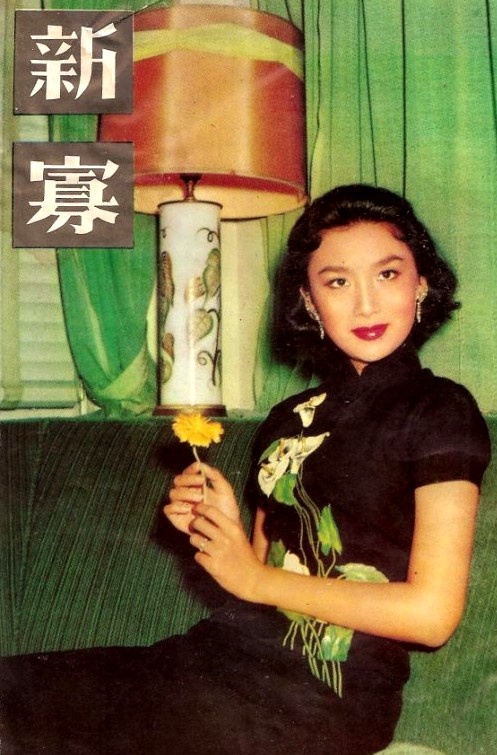
Hsia Meng rose to fame with her very first role and spent seventeen years acting at the Hong Kong studio Great Wall and its partner companies. Audiences grew used to seeing her as young wives and noble beauties, while in the opera comedy Bride Hunter she played a dandy who dresses up as a girl on a bet. After leaving the screen, Hsia Meng went into the garment business. She returned to cinema as a producer, taking on a drama about Vietnamese refugees that Ann Hui On-Wah wanted to direct. Of all the pictures Hsia Meng worked on, the one she valued most was Boat People.
Hsia Meng rose to fame with her very first role and spent seventeen years acting at the Hong Kong studio Great Wall and its partner companies. Audiences grew used to seeing her as young wives and noble beauties, while in the opera comedy Bride Hunter she played a dandy who dresses up as a girl on a bet. After leaving the screen, Hsia Meng went into the garment business. She returned to cinema as a producer, taking on a drama about Vietnamese refugees that Ann Hui On-Wah wanted to direct. Of all the pictures Hsia Meng worked on, the one she valued most was Boat People.
Hsia Meng rose to fame with her very first role and spent seventeen years acting at the Hong Kong studio Great Wall and its partner companies. Audiences grew used to seeing her as young wives and noble beauties, while in the opera comedy Bride Hunter she played a dandy who dresses up as a girl on a bet. After leaving the screen, Hsia Meng went into the garment business. She returned to cinema as a producer, taking on a drama about Vietnamese refugees that Ann Hui On-Wah wanted to direct. Of all the pictures Hsia Meng worked on, the one she valued most was Boat People.
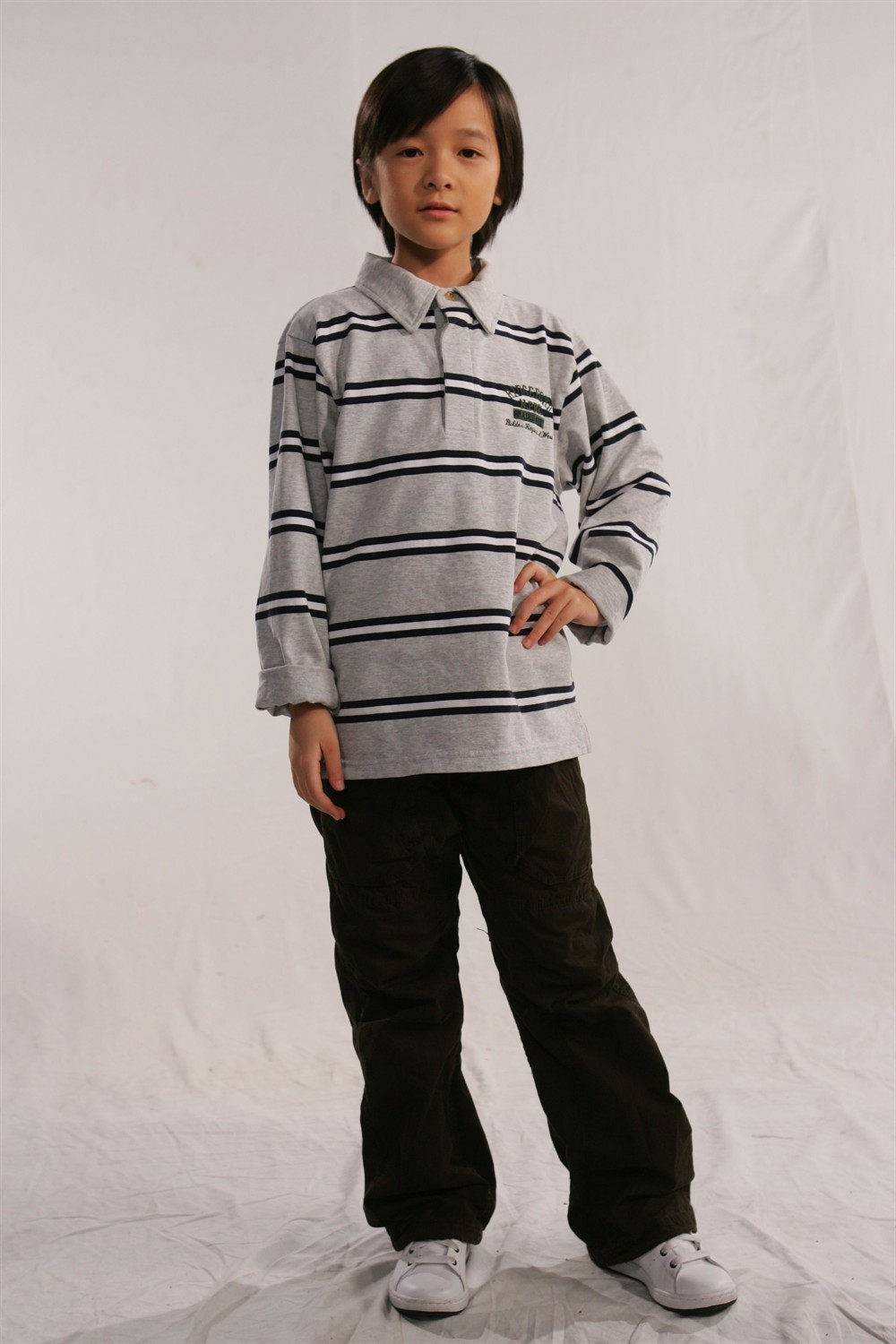
Xu Jiao rose to fame as a child when Stephen Chow Sing-Chi cast her as his on-screen son in the sci-fi comedy CJ7. Five years later, in Mr. Go, she was once again paired with a computer-generated character, but this time Xu played a young trainer and learned Korean for the film. Because of her studies in the US, acting took a back seat for several years. As an adult, Xu landed notable roles in thrillers by Sam Quah Boon-Lip. In A Place Called Silence she plays a victim of school bullying, and in The Fire Raven — a police officer who knows how to find evidence online.
Xu Jiao rose to fame as a child when Stephen Chow Sing-Chi cast her as his on-screen son in the sci-fi comedy CJ7. Five years later, in Mr. Go, she was once again paired with a computer-generated character, but this time Xu played a young trainer and learned Korean for the film. Because of her studies in the US, acting took a back seat for several years. As an adult, Xu landed notable roles in thrillers by Sam Quah Boon-Lip. In A Place Called Silence she plays a victim of school bullying, and in The Fire Raven — a police officer who knows how to find evidence online.
Xu Jiao rose to fame as a child when Stephen Chow Sing-Chi cast her as his on-screen son in the sci-fi comedy CJ7. Five years later, in Mr. Go, she was once again paired with a computer-generated character, but this time Xu played a young trainer and learned Korean for the film. Because of her studies in the US, acting took a back seat for several years. As an adult, Xu landed notable roles in thrillers by Sam Quah Boon-Lip. In A Place Called Silence she plays a victim of school bullying, and in The Fire Raven — a police officer who knows how to find evidence online.

As a child, Song Jia learned to play the liuqin, and at her drama academy entrance exam she performed morning gymnastics. She later won a Golden Rooster for her role as the writer Xiao Hong and played the teacher Zhang Gui-Mei. Preparing for that role, Song met Zhang herself and remembered how she covers her mouth with her hand when she laughs.
As a child, Song Jia learned to play the liuqin, and at her drama academy entrance exam she performed morning gymnastics. She later won a Golden Rooster for her role as the writer Xiao Hong and played the teacher Zhang Gui-Mei. Preparing for that role, Song met Zhang herself and remembered how she covers her mouth with her hand when she laughs.
As a child, Song Jia learned to play the liuqin, and at her drama academy entrance exam she performed morning gymnastics. She later won a Golden Rooster for her role as the writer Xiao Hong and played the teacher Zhang Gui-Mei. Preparing for that role, Song met Zhang herself and remembered how she covers her mouth with her hand when she laughs.

The youngest son of Sammo Hung, Sammy Hung grew up in a family where martial arts cinema was the family trade, yet in his career he chose to make his way without his father's name. Tall and lean, he looks nothing like his famous father, and in films he is often cast as villains and fighters. Over more than twenty years he has appeared in films by Benny Chan, Dante Lam and Oxide Pang, played leading roles in several action movies, and became the star of a popular internet film.
The youngest son of Sammo Hung, Sammy Hung grew up in a family where martial arts cinema was the family trade, yet in his career he chose to make his way without his father's name. Tall and lean, he looks nothing like his famous father, and in films he is often cast as villains and fighters. Over more than twenty years he has appeared in films by Benny Chan, Dante Lam and Oxide Pang, played leading roles in several action movies, and became the star of a popular internet film.
The youngest son of Sammo Hung, Sammy Hung grew up in a family where martial arts cinema was the family trade, yet in his career he chose to make his way without his father's name. Tall and lean, he looks nothing like his famous father, and in films he is often cast as villains and fighters. Over more than twenty years he has appeared in films by Benny Chan, Dante Lam and Oxide Pang, played leading roles in several action movies, and became the star of a popular internet film.

Radio host, actor, screenwriter and director Simon Lui earned the nickname "King of Ghosts" for his late-night supernatural radio programs and his role as feng shui master Peter Bat in the Troublesome Night film series. At the turn of the 1990s and 2000s he was arguably the busiest actor in Hong Kong cinema – 27 films featuring him were released in 1999 – while also writing screenplays and producing supernatural films. In recent years he lived in Guangzhou and in September 2026 died of cancer.
Radio host, actor, screenwriter and director Simon Lui earned the nickname "King of Ghosts" for his late-night supernatural radio programs and his role as feng shui master Peter Bat in the Troublesome Night film series. At the turn of the 1990s and 2000s he was arguably the busiest actor in Hong Kong cinema – 27 films featuring him were released in 1999 – while also writing screenplays and producing supernatural films. In recent years he lived in Guangzhou and in September 2026 died of cancer.
Radio host, actor, screenwriter and director Simon Lui earned the nickname "King of Ghosts" for his late-night supernatural radio programs and his role as feng shui master Peter Bat in the Troublesome Night film series. At the turn of the 1990s and 2000s he was arguably the busiest actor in Hong Kong cinema – 27 films featuring him were released in 1999 – while also writing screenplays and producing supernatural films. In recent years he lived in Guangzhou and in September 2026 died of cancer.

A former nurse who said Bruce Lee himself steered her toward film, Siu Yam-Yam became one of the Hong Kong screen's leading "sex goddesses" in the 1970s and spent years unable to shake off the label. In the second half of her life she rebuilt her career as a character actress: two Hong Kong Film Awards for supporting roles, in The Pye-Dog and Gallants, Edmond Pang's comedies and the horror films that earned her the nickname "ghost grandma."
A former nurse who said Bruce Lee himself steered her toward film, Siu Yam-Yam became one of the Hong Kong screen's leading "sex goddesses" in the 1970s and spent years unable to shake off the label. In the second half of her life she rebuilt her career as a character actress: two Hong Kong Film Awards for supporting roles, in The Pye-Dog and Gallants, Edmond Pang's comedies and the horror films that earned her the nickname "ghost grandma."
A former nurse who said Bruce Lee himself steered her toward film, Siu Yam-Yam became one of the Hong Kong screen's leading "sex goddesses" in the 1970s and spent years unable to shake off the label. In the second half of her life she rebuilt her career as a character actress: two Hong Kong Film Awards for supporting roles, in The Pye-Dog and Gallants, Edmond Pang's comedies and the horror films that earned her the nickname "ghost grandma."

A Hong Kong stuntman, actor, fight choreographer and director, Hsu Hsia went from nameless extras in Shaw Brothers wuxia films to co-choreographing the action in Snake in the Eagle's Shadow and Drunken Master, the films that made Jackie Chan a star. In the 1980s he directed kung fu comedies and action films himself, and his fight choreography on Righting Wrongs earned him a Hong Kong Film Award nomination.
A Hong Kong stuntman, actor, fight choreographer and director, Hsu Hsia went from nameless extras in Shaw Brothers wuxia films to co-choreographing the action in Snake in the Eagle's Shadow and Drunken Master, the films that made Jackie Chan a star. In the 1980s he directed kung fu comedies and action films himself, and his fight choreography on Righting Wrongs earned him a Hong Kong Film Award nomination.
A Hong Kong stuntman, actor, fight choreographer and director, Hsu Hsia went from nameless extras in Shaw Brothers wuxia films to co-choreographing the action in Snake in the Eagle's Shadow and Drunken Master, the films that made Jackie Chan a star. In the 1980s he directed kung fu comedies and action films himself, and his fight choreography on Righting Wrongs earned him a Hong Kong Film Award nomination.

Hong Kong actress and singer of Chinese-American descent, Celina Jade sang on stage with Namie Amuro as a teenager and entered film thanks to her mentor Jacky Wu Jing. International fame came with her role as Shado in the American TV series Arrow, while in China she became known after playing Dr. Rachel in the patriotic blockbuster Wolf Warriors 2, which became one of the highest-grossing films in the history of the Chinese box office. She is married to singer and actor Han Geng.
Hong Kong actress and singer of Chinese-American descent, Celina Jade sang on stage with Namie Amuro as a teenager and entered film thanks to her mentor Jacky Wu Jing. International fame came with her role as Shado in the American TV series Arrow, while in China she became known after playing Dr. Rachel in the patriotic blockbuster Wolf Warriors 2, which became one of the highest-grossing films in the history of the Chinese box office. She is married to singer and actor Han Geng.
Hong Kong actress and singer of Chinese-American descent, Celina Jade sang on stage with Namie Amuro as a teenager and entered film thanks to her mentor Jacky Wu Jing. International fame came with her role as Shado in the American TV series Arrow, while in China she became known after playing Dr. Rachel in the patriotic blockbuster Wolf Warriors 2, which became one of the highest-grossing films in the history of the Chinese box office. She is married to singer and actor Han Geng.

Taiwanese actor and taekwondo master Sun Chien was part of the famous "Venom Mob" – the group of fighters director Chang Cheh used in his films at Shaw Brothers in the late 1970s. His best-known role is the Scorpion in The Five Venoms, and his spectacular kicks earned him the nickname "the Korean kicking master," even though he was not Korean.
Taiwanese actor and taekwondo master Sun Chien was part of the famous "Venom Mob" – the group of fighters director Chang Cheh used in his films at Shaw Brothers in the late 1970s. His best-known role is the Scorpion in The Five Venoms, and his spectacular kicks earned him the nickname "the Korean kicking master," even though he was not Korean.
Taiwanese actor and taekwondo master Sun Chien was part of the famous "Venom Mob" – the group of fighters director Chang Cheh used in his films at Shaw Brothers in the late 1970s. His best-known role is the Scorpion in The Five Venoms, and his spectacular kicks earned him the nickname "the Korean kicking master," even though he was not Korean.

A star of Hong Kong television in the 1970s and 1980s, Cecilia Wong, along with Carol Cheng and Angie Chiu, was one of the three most popular actresses of TVB's "second generation." Viewers remember her for her wuxia series based on novels by Gu Long and Jin Yong, for the title role in the series Yun Ling Yuk about the movie star Ruan Lingyu, and on the big screen for Lau Kar-Leung's kung fu films. In the late 1980s she left the profession and has since lived away from the screen with her husband, actor and host Nat Chan.
A star of Hong Kong television in the 1970s and 1980s, Cecilia Wong, along with Carol Cheng and Angie Chiu, was one of the three most popular actresses of TVB's "second generation." Viewers remember her for her wuxia series based on novels by Gu Long and Jin Yong, for the title role in the series Yun Ling Yuk about the movie star Ruan Lingyu, and on the big screen for Lau Kar-Leung's kung fu films. In the late 1980s she left the profession and has since lived away from the screen with her husband, actor and host Nat Chan.
A star of Hong Kong television in the 1970s and 1980s, Cecilia Wong, along with Carol Cheng and Angie Chiu, was one of the three most popular actresses of TVB's "second generation." Viewers remember her for her wuxia series based on novels by Gu Long and Jin Yong, for the title role in the series Yun Ling Yuk about the movie star Ruan Lingyu, and on the big screen for Lau Kar-Leung's kung fu films. In the late 1980s she left the profession and has since lived away from the screen with her husband, actor and host Nat Chan.

The niece of actress Jiang Wen-Li, Sandra Ma first appeared on screen as a child, and in 2016 shared the Golden Horse Award for Best Actress with Zhou Dong-Yu for her role in Derek Tsang's drama Soul Mate. She has worked with Tsui Hark, Lou Ye and Ann Hui, and starred in the hit series Love Me, If You Dare and You are My Hero. In 2026, two films featuring her were released – the comedy Now I Met Her and the melodrama Crossing a Dawn.
The niece of actress Jiang Wen-Li, Sandra Ma first appeared on screen as a child, and in 2016 shared the Golden Horse Award for Best Actress with Zhou Dong-Yu for her role in Derek Tsang's drama Soul Mate. She has worked with Tsui Hark, Lou Ye and Ann Hui, and starred in the hit series Love Me, If You Dare and You are My Hero. In 2026, two films featuring her were released – the comedy Now I Met Her and the melodrama Crossing a Dawn.
The niece of actress Jiang Wen-Li, Sandra Ma first appeared on screen as a child, and in 2016 shared the Golden Horse Award for Best Actress with Zhou Dong-Yu for her role in Derek Tsang's drama Soul Mate. She has worked with Tsui Hark, Lou Ye and Ann Hui, and starred in the hit series Love Me, If You Dare and You are My Hero. In 2026, two films featuring her were released – the comedy Now I Met Her and the melodrama Crossing a Dawn.

Singer and actress Stephy Tang started out in the early 2000s as the lead vocalist of the girl group Cookies and became the face of Patrick Kong's youth romantic comedies – above all the cycle about a girl named Ah Bo. In the second half of the 2010s she decisively changed her image: her role as a karateka in the drama The Empty Hands (2017) earned her a Hong Kong Film Critics Society Award, while her performances in My Prince Edward (2019) and Love Lies (2024) brought her Hong Kong Film Award nominations. In 2025, more than twenty years after her debut, she gave her first solo concert at ...
Singer and actress Stephy Tang started out in the early 2000s as the lead vocalist of the girl group Cookies and became the face of Patrick Kong's youth romantic comedies – above all the cycle about a girl named Ah Bo. In the second half of the 2010s she decisively changed her image: her role as a karateka in the drama The Empty Hands (2017) earned her a Hong Kong Film Critics Society Award, while her performances in My Prince Edward (2019) and Love Lies (2024) brought her Hong Kong Film Award nominations. In 2025, more than twenty years after her debut, she gave her first solo concert at ...
Singer and actress Stephy Tang started out in the early 2000s as the lead vocalist of the girl group Cookies and became the face of Patrick Kong's youth romantic comedies – above all the cycle about a girl named Ah Bo. In the second half of the 2010s she decisively changed her image: her role as a karateka in the drama The Empty Hands (2017) earned her a Hong Kong Film Critics Society Award, while her performances in My Prince Edward (2019) and Love Lies (2024) brought her Hong Kong Film Award nominations. In 2025, more than twenty years after her debut, she gave her first solo concert at ...

A 1990s Hong Kong action prodigy, Xie Miao played the son of Jet Li's characters in The New Legend of Shaolin and My Father Is a Hero at the age of ten, earning him the nickname "Jet Li's on-screen son." After years of study and bit parts, he became a star of Chinese web cinema — hailed as the "leading man" of that market — and in the mid-2020s returned to the big screen with the cop series Fight Against Evil and Tanigaki Kenji's Hong Kong actioner The Furious.
A 1990s Hong Kong action prodigy, Xie Miao played the son of Jet Li's characters in The New Legend of Shaolin and My Father Is a Hero at the age of ten, earning him the nickname "Jet Li's on-screen son." After years of study and bit parts, he became a star of Chinese web cinema — hailed as the "leading man" of that market — and in the mid-2020s returned to the big screen with the cop series Fight Against Evil and Tanigaki Kenji's Hong Kong actioner The Furious.
A 1990s Hong Kong action prodigy, Xie Miao played the son of Jet Li's characters in The New Legend of Shaolin and My Father Is a Hero at the age of ten, earning him the nickname "Jet Li's on-screen son." After years of study and bit parts, he became a star of Chinese web cinema — hailed as the "leading man" of that market — and in the mid-2020s returned to the big screen with the cop series Fight Against Evil and Tanigaki Kenji's Hong Kong actioner The Furious.

Short, agile, and incredibly fast, Hsiao Ho was one of the Shaw Brothers studio's finest acrobats and a favorite disciple of director Lau Kar-Leung, who cast him as cocky young rebels. He became a star with the lead role in Mad Monkey Kung Fu, and genre fans still revisit his fights in My Young Auntie, Legendary Weapons of China, and Disciples of the 36th Chamber. Later he worked as an action choreographer and appeared frequently in films by Sammo Hung and Yuen Wo-Ping.
Short, agile, and incredibly fast, Hsiao Ho was one of the Shaw Brothers studio's finest acrobats and a favorite disciple of director Lau Kar-Leung, who cast him as cocky young rebels. He became a star with the lead role in Mad Monkey Kung Fu, and genre fans still revisit his fights in My Young Auntie, Legendary Weapons of China, and Disciples of the 36th Chamber. Later he worked as an action choreographer and appeared frequently in films by Sammo Hung and Yuen Wo-Ping.
Short, agile, and incredibly fast, Hsiao Ho was one of the Shaw Brothers studio's finest acrobats and a favorite disciple of director Lau Kar-Leung, who cast him as cocky young rebels. He became a star with the lead role in Mad Monkey Kung Fu, and genre fans still revisit his fights in My Young Auntie, Legendary Weapons of China, and Disciples of the 36th Chamber. Later he worked as an action choreographer and appeared frequently in films by Sammo Hung and Yuen Wo-Ping.
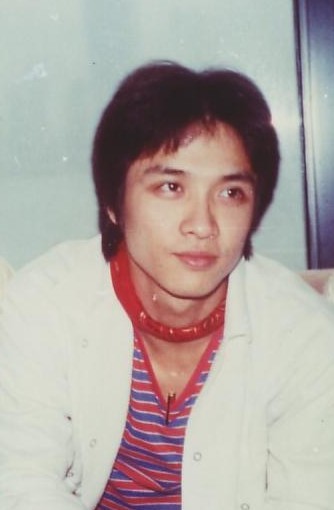
As a boy, Stephen Tung Wai appeared in Enter the Dragon as a young student to whom Bruce Lee Siu-Lung explains that a finger pointing at the moon is not the moon itself. Half a century later, he is one of the most decorated action choreographers in the history of Chinese cinema: seven Hong Kong Film Awards and two Golden Horse Awards, collaborations with John Woo, Tsui Hark, Wong Kar-Wai and Zhang Yi-Mou. The industry calls him the "philosopher of action," and in 2024 he unexpectedly took the lead role — an aging stunt director in the drama Stuntman.
As a boy, Stephen Tung Wai appeared in Enter the Dragon as a young student to whom Bruce Lee Siu-Lung explains that a finger pointing at the moon is not the moon itself. Half a century later, he is one of the most decorated action choreographers in the history of Chinese cinema: seven Hong Kong Film Awards and two Golden Horse Awards, collaborations with John Woo, Tsui Hark, Wong Kar-Wai and Zhang Yi-Mou. The industry calls him the "philosopher of action," and in 2024 he unexpectedly took the lead role — an aging stunt director in the drama Stuntman.
As a boy, Stephen Tung Wai appeared in Enter the Dragon as a young student to whom Bruce Lee Siu-Lung explains that a finger pointing at the moon is not the moon itself. Half a century later, he is one of the most decorated action choreographers in the history of Chinese cinema: seven Hong Kong Film Awards and two Golden Horse Awards, collaborations with John Woo, Tsui Hark, Wong Kar-Wai and Zhang Yi-Mou. The industry calls him the "philosopher of action," and in 2024 he unexpectedly took the lead role — an aging stunt director in the drama Stuntman.

Making her debut in Patrick Tam Kar-Ming's Nomad, one of the manifestos of the Hong Kong New Wave, Cecilia Yip Tung won the Hong Kong Film Award for Best Actress at just twenty-one, and went on to take it three times over the course of her career. Audiences in mainland China and Taiwan know her above all as the "eternal Xu Xian" — in the 1992 series The Legend of White Snake she played a male role, and that image became a textbook one for an entire generation. Three decades later, refusing to dye her grey hair, she became the undisputed winner of the hit 2025 show Sisters Who Make ...
Making her debut in Patrick Tam Kar-Ming's Nomad, one of the manifestos of the Hong Kong New Wave, Cecilia Yip Tung won the Hong Kong Film Award for Best Actress at just twenty-one, and went on to take it three times over the course of her career. Audiences in mainland China and Taiwan know her above all as the "eternal Xu Xian" — in the 1992 series The Legend of White Snake she played a male role, and that image became a textbook one for an entire generation. Three decades later, refusing to dye her grey hair, she became the undisputed winner of the hit 2025 show Sisters Who Make ...
Making her debut in Patrick Tam Kar-Ming's Nomad, one of the manifestos of the Hong Kong New Wave, Cecilia Yip Tung won the Hong Kong Film Award for Best Actress at just twenty-one, and went on to take it three times over the course of her career. Audiences in mainland China and Taiwan know her above all as the "eternal Xu Xian" — in the 1992 series The Legend of White Snake she played a male role, and that image became a textbook one for an entire generation. Three decades later, refusing to dye her grey hair, she became the undisputed winner of the hit 2025 show Sisters Who Make ...

King Hu's favorite actress, who played the lead in his masterpiece A Touch of Zen, Hsu Feng became one of the first stars of Taiwanese wuxia cinema, won the Golden Horse Award for Best Actress twice, and then found fame all over again — as a producer. The company she founded, Tomson Films, produced Chen Kaige's drama Farewell to My Concubine, the first Chinese-language film to win the Palme d'Or at the Cannes Film Festival. "Without King Hu I would never have had an international outlook on cinema; without Tong Cun-Lin there would be no Tomson Films," she says of the two most important ...
King Hu's favorite actress, who played the lead in his masterpiece A Touch of Zen, Hsu Feng became one of the first stars of Taiwanese wuxia cinema, won the Golden Horse Award for Best Actress twice, and then found fame all over again — as a producer. The company she founded, Tomson Films, produced Chen Kaige's drama Farewell to My Concubine, the first Chinese-language film to win the Palme d'Or at the Cannes Film Festival. "Without King Hu I would never have had an international outlook on cinema; without Tong Cun-Lin there would be no Tomson Films," she says of the two most important ...
King Hu's favorite actress, who played the lead in his masterpiece A Touch of Zen, Hsu Feng became one of the first stars of Taiwanese wuxia cinema, won the Golden Horse Award for Best Actress twice, and then found fame all over again — as a producer. The company she founded, Tomson Films, produced Chen Kaige's drama Farewell to My Concubine, the first Chinese-language film to win the Palme d'Or at the Cannes Film Festival. "Without King Hu I would never have had an international outlook on cinema; without Tong Cun-Lin there would be no Tomson Films," she says of the two most important ...

Hong Kong cinema has known many actors who found fame in old age, but it would be hard to find another whose stardom arrived so late and lasted so briefly. For nearly forty years, Simon Yuen Siu-Tin worked in film as a man known only to his colleagues: a stuntman, action choreographer, and bit-part player of villains and old men. Then, at 65, he played a beggarly drunk who teaches the young Jackie Chan — and within a single year became one of the most recognizable faces in the genre. Sadly, he had almost no time to savor his success. What he did leave behind was an entire dynasty — the ...
Hong Kong cinema has known many actors who found fame in old age, but it would be hard to find another whose stardom arrived so late and lasted so briefly. For nearly forty years, Simon Yuen Siu-Tin worked in film as a man known only to his colleagues: a stuntman, action choreographer, and bit-part player of villains and old men. Then, at 65, he played a beggarly drunk who teaches the young Jackie Chan — and within a single year became one of the most recognizable faces in the genre. Sadly, he had almost no time to savor his success. What he did leave behind was an entire dynasty — the ...
Hong Kong cinema has known many actors who found fame in old age, but it would be hard to find another whose stardom arrived so late and lasted so briefly. For nearly forty years, Simon Yuen Siu-Tin worked in film as a man known only to his colleagues: a stuntman, action choreographer, and bit-part player of villains and old men. Then, at 65, he played a beggarly drunk who teaches the young Jackie Chan — and within a single year became one of the most recognizable faces in the genre. Sadly, he had almost no time to savor his success. What he did leave behind was an entire dynasty — the ...

An actress, director, screenwriter, producer and singer, Sylvia Chang has remained one of the leading figures of Taiwanese and Hong Kong cinema for more than half a century. She has won Taiwan's Golden Horse Award four times as an actress and the Hong Kong Film Award twice, produced Edward Yang's debut and was one of the driving forces behind the "New Taiwanese Cinema," and as a director has made around fifteen films about love, family and women's fates, including Passion and Love Education. To mainstream audiences she is also remembered as Superintendent Nancy Ho from the Aces Go Places ...
An actress, director, screenwriter, producer and singer, Sylvia Chang has remained one of the leading figures of Taiwanese and Hong Kong cinema for more than half a century. She has won Taiwan's Golden Horse Award four times as an actress and the Hong Kong Film Award twice, produced Edward Yang's debut and was one of the driving forces behind the "New Taiwanese Cinema," and as a director has made around fifteen films about love, family and women's fates, including Passion and Love Education. To mainstream audiences she is also remembered as Superintendent Nancy Ho from the Aces Go Places ...
An actress, director, screenwriter, producer and singer, Sylvia Chang has remained one of the leading figures of Taiwanese and Hong Kong cinema for more than half a century. She has won Taiwan's Golden Horse Award four times as an actress and the Hong Kong Film Award twice, produced Edward Yang's debut and was one of the driving forces behind the "New Taiwanese Cinema," and as a director has made around fifteen films about love, family and women's fates, including Passion and Love Education. To mainstream audiences she is also remembered as Superintendent Nancy Ho from the Aces Go Places ...

Dubbed Hong Kong's first "God of Song," Samuel Hui is regarded as the godfather of Cantopop: in the 1970s he proved that songs in the Cantonese dialect could be hip, and he wrote dozens of hits about the everyday lives of ordinary Hongkongers. In cinema he made his name as an actor, composer and co-writer of his older brother Michael Hui's comedies Games Gamblers Play and The Private Eyes, and in the 1980s as the irresistible thief King Kong in the Aces Go Places series. He retired from the stage and came back more than once, and in the 2020s, having passed his eightieth birthday, he ...
Dubbed Hong Kong's first "God of Song," Samuel Hui is regarded as the godfather of Cantopop: in the 1970s he proved that songs in the Cantonese dialect could be hip, and he wrote dozens of hits about the everyday lives of ordinary Hongkongers. In cinema he made his name as an actor, composer and co-writer of his older brother Michael Hui's comedies Games Gamblers Play and The Private Eyes, and in the 1980s as the irresistible thief King Kong in the Aces Go Places series. He retired from the stage and came back more than once, and in the 2020s, having passed his eightieth birthday, he ...
Dubbed Hong Kong's first "God of Song," Samuel Hui is regarded as the godfather of Cantopop: in the 1970s he proved that songs in the Cantonese dialect could be hip, and he wrote dozens of hits about the everyday lives of ordinary Hongkongers. In cinema he made his name as an actor, composer and co-writer of his older brother Michael Hui's comedies Games Gamblers Play and The Private Eyes, and in the 1980s as the irresistible thief King Kong in the Aces Go Places series. He retired from the stage and came back more than once, and in the 2020s, having passed his eightieth birthday, he ...
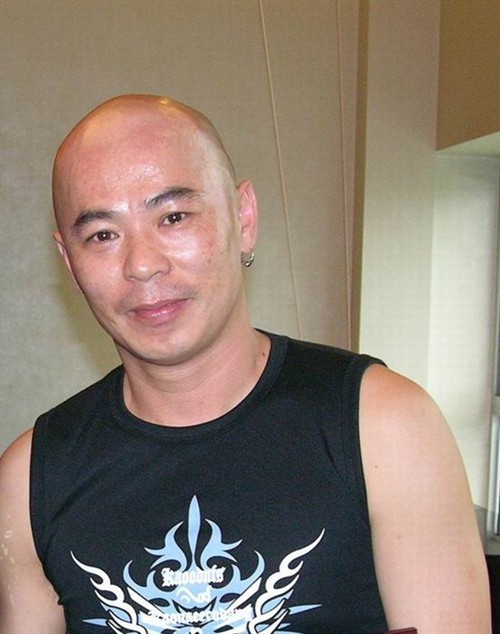
A Wushu champion of China, Jet Li's stunt double and Tsui Hark's favorite stuntman, Xiong Xin-Xin (Hung Yan-Yan in Cantonese) rose to fame as the limping fighter Gui Jiao Qi, nicknamed "Ghost Leg" and known as Seventh, in the Once Upon a Time in China films. After that role, colleagues and audiences still call him "Seventh Brother." For nearly forty years he has worked in Hong Kong cinema as an actor, stuntman and action choreographer: he was nominated for a Hong Kong Film Award for his action choreography (Time and Tide) and won Taiwan's Golden Horse (Seven Swords), worked in Hollywood, ...
A Wushu champion of China, Jet Li's stunt double and Tsui Hark's favorite stuntman, Xiong Xin-Xin (Hung Yan-Yan in Cantonese) rose to fame as the limping fighter Gui Jiao Qi, nicknamed "Ghost Leg" and known as Seventh, in the Once Upon a Time in China films. After that role, colleagues and audiences still call him "Seventh Brother." For nearly forty years he has worked in Hong Kong cinema as an actor, stuntman and action choreographer: he was nominated for a Hong Kong Film Award for his action choreography (Time and Tide) and won Taiwan's Golden Horse (Seven Swords), worked in Hollywood, ...
A Wushu champion of China, Jet Li's stunt double and Tsui Hark's favorite stuntman, Xiong Xin-Xin (Hung Yan-Yan in Cantonese) rose to fame as the limping fighter Gui Jiao Qi, nicknamed "Ghost Leg" and known as Seventh, in the Once Upon a Time in China films. After that role, colleagues and audiences still call him "Seventh Brother." For nearly forty years he has worked in Hong Kong cinema as an actor, stuntman and action choreographer: he was nominated for a Hong Kong Film Award for his action choreography (Time and Tide) and won Taiwan's Golden Horse (Seven Swords), worked in Hollywood, ...

A 1980s–1990s cantopop star and the heroine of classic films by Tsui Hark and John Woo, Sally Yeh grew up in Canada and barely spoke any Chinese when she began her career. Even so, for four years running, from 1990 to 1993, she was named Hong Kong's most popular female singer, and her song from A Chinese Ghost Story won a Hong Kong Film Award. On screen, her finest roles came in Shanghai Blues, Peking Opera Blues, for which she was nominated for a Hong Kong Film Award as Best Actress, and The Killer. Her marriage to singer and mentor George Lam, now going on thirty years, is one of the ...
A 1980s–1990s cantopop star and the heroine of classic films by Tsui Hark and John Woo, Sally Yeh grew up in Canada and barely spoke any Chinese when she began her career. Even so, for four years running, from 1990 to 1993, she was named Hong Kong's most popular female singer, and her song from A Chinese Ghost Story won a Hong Kong Film Award. On screen, her finest roles came in Shanghai Blues, Peking Opera Blues, for which she was nominated for a Hong Kong Film Award as Best Actress, and The Killer. Her marriage to singer and mentor George Lam, now going on thirty years, is one of the ...
A 1980s–1990s cantopop star and the heroine of classic films by Tsui Hark and John Woo, Sally Yeh grew up in Canada and barely spoke any Chinese when she began her career. Even so, for four years running, from 1990 to 1993, she was named Hong Kong's most popular female singer, and her song from A Chinese Ghost Story won a Hong Kong Film Award. On screen, her finest roles came in Shanghai Blues, Peking Opera Blues, for which she was nominated for a Hong Kong Film Award as Best Actress, and The Killer. Her marriage to singer and mentor George Lam, now going on thirty years, is one of the ...

A genuine Shaolin monk who spent more than ten years in the monastery, Xing Yu (Shi Yanneng) became one of the most recognizable martial artists in contemporary Chinese cinema. Audiences remember him as the coolie with the "twelve Tan kicks" in Stephen Chow Sing-Chi's Kung Fu Hustle and as the possessed Lin, who challenges Donnie Yen Ji-Dan's hero in Ip Man. Since then he has played dozens of antagonists and allies to leading men – for Tsui Hark, Benny Chan Muk-Sing, Teddy Chen Tak-Sum and Yuen Wo-Ping – and in The Wrath of Vajra he landed his first leading role.
A genuine Shaolin monk who spent more than ten years in the monastery, Xing Yu (Shi Yanneng) became one of the most recognizable martial artists in contemporary Chinese cinema. Audiences remember him as the coolie with the "twelve Tan kicks" in Stephen Chow Sing-Chi's Kung Fu Hustle and as the possessed Lin, who challenges Donnie Yen Ji-Dan's hero in Ip Man. Since then he has played dozens of antagonists and allies to leading men – for Tsui Hark, Benny Chan Muk-Sing, Teddy Chen Tak-Sum and Yuen Wo-Ping – and in The Wrath of Vajra he landed his first leading role.
A genuine Shaolin monk who spent more than ten years in the monastery, Xing Yu (Shi Yanneng) became one of the most recognizable martial artists in contemporary Chinese cinema. Audiences remember him as the coolie with the "twelve Tan kicks" in Stephen Chow Sing-Chi's Kung Fu Hustle and as the possessed Lin, who challenges Donnie Yen Ji-Dan's hero in Ip Man. Since then he has played dozens of antagonists and allies to leading men – for Tsui Hark, Benny Chan Muk-Sing, Teddy Chen Tak-Sum and Yuen Wo-Ping – and in The Wrath of Vajra he landed his first leading role.

A village performer of the folk art form errenzhuan, who once played bathhouses and nightclubs, Xiao Shen-Yang woke up famous after a single sketch on the 2009 CCTV New Year's Gala. A disciple of the great comedian Zhao Ben-Shan, within a few years he had appeared in films by Zhang Yi-Mou and Wong Kar-Wai, starred in the box-office comedies Detective Chinatown, The Monkey King 2 and Some Like It Hot, and later tried his hand at directing as well.
A village performer of the folk art form errenzhuan, who once played bathhouses and nightclubs, Xiao Shen-Yang woke up famous after a single sketch on the 2009 CCTV New Year's Gala. A disciple of the great comedian Zhao Ben-Shan, within a few years he had appeared in films by Zhang Yi-Mou and Wong Kar-Wai, starred in the box-office comedies Detective Chinatown, The Monkey King 2 and Some Like It Hot, and later tried his hand at directing as well.
A village performer of the folk art form errenzhuan, who once played bathhouses and nightclubs, Xiao Shen-Yang woke up famous after a single sketch on the 2009 CCTV New Year's Gala. A disciple of the great comedian Zhao Ben-Shan, within a few years he had appeared in films by Zhang Yi-Mou and Wong Kar-Wai, starred in the box-office comedies Detective Chinatown, The Monkey King 2 and Some Like It Hot, and later tried his hand at directing as well.

In the late 1990s, Xu Jing-Lei was Chinese television's biggest idol heroine, and just a few years later she was one of the first actresses of her generation to successfully become a director. Her Letter from an Unknown Woman, based on Stefan Zweig, won the Silver Shell for directing at San Sebastián, while the office comedy Go Lala Go! became a box-office hit. As an actress she won the Hundred Flowers and Golden Rooster awards, worked with Peter Chan Hoh-San, Andrew Lau Wai-Keung and Alan Mak Siu-Fai, and in the 2000s also made a name for herself as the author of the world's most-read ...
In the late 1990s, Xu Jing-Lei was Chinese television's biggest idol heroine, and just a few years later she was one of the first actresses of her generation to successfully become a director. Her Letter from an Unknown Woman, based on Stefan Zweig, won the Silver Shell for directing at San Sebastián, while the office comedy Go Lala Go! became a box-office hit. As an actress she won the Hundred Flowers and Golden Rooster awards, worked with Peter Chan Hoh-San, Andrew Lau Wai-Keung and Alan Mak Siu-Fai, and in the 2000s also made a name for herself as the author of the world's most-read ...
In the late 1990s, Xu Jing-Lei was Chinese television's biggest idol heroine, and just a few years later she was one of the first actresses of her generation to successfully become a director. Her Letter from an Unknown Woman, based on Stefan Zweig, won the Silver Shell for directing at San Sebastián, while the office comedy Go Lala Go! became a box-office hit. As an actress she won the Hundred Flowers and Golden Rooster awards, worked with Peter Chan Hoh-San, Andrew Lau Wai-Keung and Alan Mak Siu-Fai, and in the 2000s also made a name for herself as the author of the world's most-read ...

Beijing movie star Summer Xu (Xu Qing) was dubbed the greatest beauty and the "sex symbol" of Chinese television in the 1990s, and twenty years later she won a Hundred Flowers Award for Best Actress for her role in Guan Hu's drama Mr. Six. As a student she played the lead in a Chen Kaige film, then went on to work with Jiang Wen, Han San-Ping and Rian Johnson, while for more than a decade her character Gu Xianglan stood at the center of Stan Lai's theatrical epic Like a Dream. Summer Xu never married and long ago became a symbol of the independent woman for the Chinese press.
Beijing movie star Summer Xu (Xu Qing) was dubbed the greatest beauty and the "sex symbol" of Chinese television in the 1990s, and twenty years later she won a Hundred Flowers Award for Best Actress for her role in Guan Hu's drama Mr. Six. As a student she played the lead in a Chen Kaige film, then went on to work with Jiang Wen, Han San-Ping and Rian Johnson, while for more than a decade her character Gu Xianglan stood at the center of Stan Lai's theatrical epic Like a Dream. Summer Xu never married and long ago became a symbol of the independent woman for the Chinese press.
Beijing movie star Summer Xu (Xu Qing) was dubbed the greatest beauty and the "sex symbol" of Chinese television in the 1990s, and twenty years later she won a Hundred Flowers Award for Best Actress for her role in Guan Hu's drama Mr. Six. As a student she played the lead in a Chen Kaige film, then went on to work with Jiang Wen, Han San-Ping and Rian Johnson, while for more than a decade her character Gu Xianglan stood at the center of Stan Lai's theatrical epic Like a Dream. Summer Xu never married and long ago became a symbol of the independent woman for the Chinese press.

Director Xie Jin once called Siqin Gaowa "the only actress in China who will be able to act well into old age" – and she proved him right. A former dancer from Inner Mongolia, she rose to fame at the turn of the 1980s, became the first actress from mainland China to win the HKFA for Best Actress, and later became the go-to performer for empresses and domineering old women on Chinese television. Over sixty years in the profession, she played the fierce Tigress in Rickshaw Boy, the mother who owns an oil mill in The Women From the Lake of Scented Souls, and the Shanghai auntie in Ann Hui ...
Director Xie Jin once called Siqin Gaowa "the only actress in China who will be able to act well into old age" – and she proved him right. A former dancer from Inner Mongolia, she rose to fame at the turn of the 1980s, became the first actress from mainland China to win the HKFA for Best Actress, and later became the go-to performer for empresses and domineering old women on Chinese television. Over sixty years in the profession, she played the fierce Tigress in Rickshaw Boy, the mother who owns an oil mill in The Women From the Lake of Scented Souls, and the Shanghai auntie in Ann Hui ...
Director Xie Jin once called Siqin Gaowa "the only actress in China who will be able to act well into old age" – and she proved him right. A former dancer from Inner Mongolia, she rose to fame at the turn of the 1980s, became the first actress from mainland China to win the HKFA for Best Actress, and later became the go-to performer for empresses and domineering old women on Chinese television. Over sixty years in the profession, she played the fierce Tigress in Rickshaw Boy, the mother who owns an oil mill in The Women From the Lake of Scented Souls, and the Shanghai auntie in Ann Hui ...

For Chinese audiences, Xu Fan is above all the heroine of Feng Xiao-Gang's New Year comedies and the mother who loses her child in the Tangshan earthquake in his drama Aftershock. The director's wife and constant leading lady, she is equally convincing in lyrical comedy and in tragedy, and her trophy case includes Plum Blossom, two Huabiao Awards, a Feitian, an Asian Film Award and a prize from the Cairo Film Festival. Trained first as an opera actress, she still performs on the stage of the Beijing People's Art Theatre to this day.
For Chinese audiences, Xu Fan is above all the heroine of Feng Xiao-Gang's New Year comedies and the mother who loses her child in the Tangshan earthquake in his drama Aftershock. The director's wife and constant leading lady, she is equally convincing in lyrical comedy and in tragedy, and her trophy case includes Plum Blossom, two Huabiao Awards, a Feitian, an Asian Film Award and a prize from the Cairo Film Festival. Trained first as an opera actress, she still performs on the stage of the Beijing People's Art Theatre to this day.
For Chinese audiences, Xu Fan is above all the heroine of Feng Xiao-Gang's New Year comedies and the mother who loses her child in the Tangshan earthquake in his drama Aftershock. The director's wife and constant leading lady, she is equally convincing in lyrical comedy and in tragedy, and her trophy case includes Plum Blossom, two Huabiao Awards, a Feitian, an Asian Film Award and a prize from the Cairo Film Festival. Trained first as an opera actress, she still performs on the stage of the Beijing People's Art Theatre to this day.

The queen of Chinese comedy sketches, Song Dan-Dan kept the country laughing on New Year's Eve for nearly twenty years: her old lady Bai Yun, bickering with her husband Hei Tu played by Zhao Ben-Shan, became one of the most beloved characters of the CCTV gala. And for 1990s television audiences she will forever remain the talkative housewife He Ping from the legendary sitcom I Love My Family. Behind this fame lie forty years on the stage of the Beijing People's Art Theatre, roles in Lao She's Teahouse and White Magnolia for Best Actress.
The queen of Chinese comedy sketches, Song Dan-Dan kept the country laughing on New Year's Eve for nearly twenty years: her old lady Bai Yun, bickering with her husband Hei Tu played by Zhao Ben-Shan, became one of the most beloved characters of the CCTV gala. And for 1990s television audiences she will forever remain the talkative housewife He Ping from the legendary sitcom I Love My Family. Behind this fame lie forty years on the stage of the Beijing People's Art Theatre, roles in Lao She's Teahouse and White Magnolia for Best Actress.
The queen of Chinese comedy sketches, Song Dan-Dan kept the country laughing on New Year's Eve for nearly twenty years: her old lady Bai Yun, bickering with her husband Hei Tu played by Zhao Ben-Shan, became one of the most beloved characters of the CCTV gala. And for 1990s television audiences she will forever remain the talkative housewife He Ping from the legendary sitcom I Love My Family. Behind this fame lie forty years on the stage of the Beijing People's Art Theatre, roles in Lao She's Teahouse and White Magnolia for Best Actress.

In the 1980s they called him the "Breakdance King of the Northeast," in the 1990s he sang in nightclubs, and in the 2000s he became Chinese television's number one "bad guy." Sun Hong-Lei is a Harbin-born self-made man with narrow eyes and a scorching gaze, equally convincing as a gangster in the series Zheng Fu, a spy in the legendary Lurk, and a cop in Johnnie To Kei-Fung's Drug War. He has worked with Zhang Yi-Mou, Chen Kaige, Feng Xiao-Gang and Tsui Hark, played Jamukha in Sergei Bodrov's Oscar-nominated Mongol, and has collected all of China's major television awards.
In the 1980s they called him the "Breakdance King of the Northeast," in the 1990s he sang in nightclubs, and in the 2000s he became Chinese television's number one "bad guy." Sun Hong-Lei is a Harbin-born self-made man with narrow eyes and a scorching gaze, equally convincing as a gangster in the series Zheng Fu, a spy in the legendary Lurk, and a cop in Johnnie To Kei-Fung's Drug War. He has worked with Zhang Yi-Mou, Chen Kaige, Feng Xiao-Gang and Tsui Hark, played Jamukha in Sergei Bodrov's Oscar-nominated Mongol, and has collected all of China's major television awards.
In the 1980s they called him the "Breakdance King of the Northeast," in the 1990s he sang in nightclubs, and in the 2000s he became Chinese television's number one "bad guy." Sun Hong-Lei is a Harbin-born self-made man with narrow eyes and a scorching gaze, equally convincing as a gangster in the series Zheng Fu, a spy in the legendary Lurk, and a cop in Johnnie To Kei-Fung's Drug War. He has worked with Zhang Yi-Mou, Chen Kaige, Feng Xiao-Gang and Tsui Hark, played Jamukha in Sergei Bodrov's Oscar-nominated Mongol, and has collected all of China's major television awards.

A Shanghai stage actor first introduced to the whole country as the comic Zhu Bajie of a TV series, Xu Zheng at forty pulled off perhaps the most spectacular directorial debut in the history of Chinese cinema. His comedy Lost in Thailand smashed every box-office record and launched an entire "Lost" series – tales of the awkward travels of an unlucky businessman. Six years later he proved he could be more than just funny: his role as a smuggler of counterfeit medicine in the drama Dying to Survive earned him a Golden Horse and the love of critics.
A Shanghai stage actor first introduced to the whole country as the comic Zhu Bajie of a TV series, Xu Zheng at forty pulled off perhaps the most spectacular directorial debut in the history of Chinese cinema. His comedy Lost in Thailand smashed every box-office record and launched an entire "Lost" series – tales of the awkward travels of an unlucky businessman. Six years later he proved he could be more than just funny: his role as a smuggler of counterfeit medicine in the drama Dying to Survive earned him a Golden Horse and the love of critics.
A Shanghai stage actor first introduced to the whole country as the comic Zhu Bajie of a TV series, Xu Zheng at forty pulled off perhaps the most spectacular directorial debut in the history of Chinese cinema. His comedy Lost in Thailand smashed every box-office record and launched an entire "Lost" series – tales of the awkward travels of an unlucky businessman. Six years later he proved he could be more than just funny: his role as a smuggler of counterfeit medicine in the drama Dying to Survive earned him a Golden Horse and the love of critics.

Stanley Fung was one of the most recognizable comedians in 1980s Hong Kong cinema, even though he rarely had leading roles. Audiences remember him above all for the Lucky Stars series, in which he played the hot-tempered and perpetually disgruntled Rhino, and for comedies like The Romancing Star and The Crazy Companies, in which he was the senior colleague of the heroes played by Chow Yun-Fat and Andy Lau. But over half a century in the profession, Fung had also been a television star, a producer, and a director, and in his mature years he unexpectedly revealed himself as a serious ...
Stanley Fung was one of the most recognizable comedians in 1980s Hong Kong cinema, even though he rarely had leading roles. Audiences remember him above all for the Lucky Stars series, in which he played the hot-tempered and perpetually disgruntled Rhino, and for comedies like The Romancing Star and The Crazy Companies, in which he was the senior colleague of the heroes played by Chow Yun-Fat and Andy Lau. But over half a century in the profession, Fung had also been a television star, a producer, and a director, and in his mature years he unexpectedly revealed himself as a serious ...
Stanley Fung was one of the most recognizable comedians in 1980s Hong Kong cinema, even though he rarely had leading roles. Audiences remember him above all for the Lucky Stars series, in which he played the hot-tempered and perpetually disgruntled Rhino, and for comedies like The Romancing Star and The Crazy Companies, in which he was the senior colleague of the heroes played by Chow Yun-Fat and Andy Lau. But over half a century in the profession, Fung had also been a television star, a producer, and a director, and in his mature years he unexpectedly revealed himself as a serious ...

Western actors in 1980s Hong Kong cinema usually turned up as villains for the hero to dispatch spectacularly in the finale. Cynthia Rothrock was the exception: the American wushu champion not only fought on equal terms with Yuen Biao and Michelle Yeoh, but also played several leading roles, becoming the first Western star of the Hong Kong action film. An actress in the fullest sense she never became — dramatic scenes came hard to her, and comedy even more so — but in fight scenes no foreigner could match her. After returning to America, Rothrock became the "queen of the video action ...
Western actors in 1980s Hong Kong cinema usually turned up as villains for the hero to dispatch spectacularly in the finale. Cynthia Rothrock was the exception: the American wushu champion not only fought on equal terms with Yuen Biao and Michelle Yeoh, but also played several leading roles, becoming the first Western star of the Hong Kong action film. An actress in the fullest sense she never became — dramatic scenes came hard to her, and comedy even more so — but in fight scenes no foreigner could match her. After returning to America, Rothrock became the "queen of the video action ...
Western actors in 1980s Hong Kong cinema usually turned up as villains for the hero to dispatch spectacularly in the finale. Cynthia Rothrock was the exception: the American wushu champion not only fought on equal terms with Yuen Biao and Michelle Yeoh, but also played several leading roles, becoming the first Western star of the Hong Kong action film. An actress in the fullest sense she never became — dramatic scenes came hard to her, and comedy even more so — but in fight scenes no foreigner could match her. After returning to America, Rothrock became the "queen of the video action ...


Practically every star of the Girls with Guns genre, so popular in Hong Kong at the turn of the 1990s, became one thanks to impressive combat and physical training. Sibelle Hu is the exception. Despite appearing in several dozen hand-to-hand action films over the course of her career, this actress has no martial arts skills whatsoever. What she does have is a striking, memorable look and a willingness to take risks.
Practically every star of the Girls with Guns genre, so popular in Hong Kong at the turn of the 1990s, became one thanks to impressive combat and physical training. Sibelle Hu is the exception. Despite appearing in several dozen hand-to-hand action films over the course of her career, this actress has no martial arts skills whatsoever. What she does have is a striking, memorable look and a willingness to take risks.
Practically every star of the Girls with Guns genre, so popular in Hong Kong at the turn of the 1990s, became one thanks to impressive combat and physical training. Sibelle Hu is the exception. Despite appearing in several dozen hand-to-hand action films over the course of her career, this actress has no martial arts skills whatsoever. What she does have is a striking, memorable look and a willingness to take risks.