Biographies

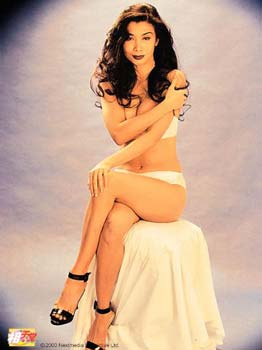
Liu Yi-Fei grew up between Wuhan and New York, and at fifteen she played Wang Yuyan in Demi Gods & Semi Devils, and ever since the Chinese public has called her "Fairy Sister." Her Xiao Longnü in Return of the Condor Heroes, cast at the insistence of Jin Yong himself, made her a star across the whole country. Then came Hollywood's The Forbidden Kingdom, the lead role in Disney's Mulan, and a return to television with A Dream of Splendor, which brought her a Golden Lotus.
Liu Yi-Fei grew up between Wuhan and New York, and at fifteen she played Wang Yuyan in Demi Gods & Semi Devils, and ever since the Chinese public has called her "Fairy Sister." Her Xiao Longnü in Return of the Condor Heroes, cast at the insistence of Jin Yong himself, made her a star across the whole country. Then came Hollywood's The Forbidden Kingdom, the lead role in Disney's Mulan, and a return to television with A Dream of Splendor, which brought her a Golden Lotus.
Liu Yi-Fei grew up between Wuhan and New York, and at fifteen she played Wang Yuyan in Demi Gods & Semi Devils, and ever since the Chinese public has called her "Fairy Sister." Her Xiao Longnü in Return of the Condor Heroes, cast at the insistence of Jin Yong himself, made her a star across the whole country. Then came Hollywood's The Forbidden Kingdom, the lead role in Disney's Mulan, and a return to television with A Dream of Splendor, which brought her a Golden Lotus.

Kirk Wong, who studied art and set design in the UK, came to Hong Kong cinema via TVB television and became one of the most abrasive directors of New Wave urban crime dramas — from the documentary-harsh The Club and the dystopia Health Warning to Crime Story with Jackie Chan and his films with Anthony Wong. In 1998 he made his Hollywood debut with the action comedy The Big Hit, and he also regularly appeared as a character actor.
Kirk Wong, who studied art and set design in the UK, came to Hong Kong cinema via TVB television and became one of the most abrasive directors of New Wave urban crime dramas — from the documentary-harsh The Club and the dystopia Health Warning to Crime Story with Jackie Chan and his films with Anthony Wong. In 1998 he made his Hollywood debut with the action comedy The Big Hit, and he also regularly appeared as a character actor.
Kirk Wong, who studied art and set design in the UK, came to Hong Kong cinema via TVB television and became one of the most abrasive directors of New Wave urban crime dramas — from the documentary-harsh The Club and the dystopia Health Warning to Crime Story with Jackie Chan and his films with Anthony Wong. In 1998 he made his Hollywood debut with the action comedy The Big Hit, and he also regularly appeared as a character actor.
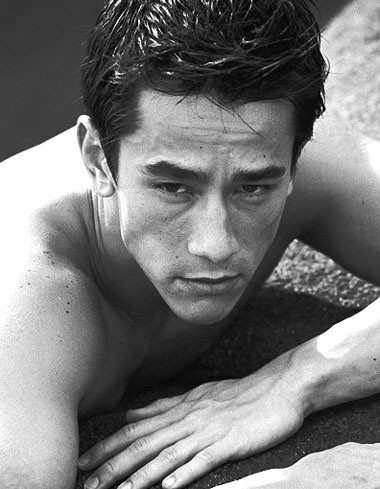
Carl Ng, son of comedy actor Richard Ng and British-born Susan Ng, started out as a model in London and Hong Kong and broke into film without his father's help. Over a quarter of a century he has played dozens of special forces soldiers, agents and foreigners in action films from New Police Story to The Viral Factor, appeared in Yonfan's Colour Blossoms, took the lead in the festival drama Diago and headlined the Singaporean series Point of Entry for three seasons.
Carl Ng, son of comedy actor Richard Ng and British-born Susan Ng, started out as a model in London and Hong Kong and broke into film without his father's help. Over a quarter of a century he has played dozens of special forces soldiers, agents and foreigners in action films from New Police Story to The Viral Factor, appeared in Yonfan's Colour Blossoms, took the lead in the festival drama Diago and headlined the Singaporean series Point of Entry for three seasons.
Carl Ng, son of comedy actor Richard Ng and British-born Susan Ng, started out as a model in London and Hong Kong and broke into film without his father's help. Over a quarter of a century he has played dozens of special forces soldiers, agents and foreigners in action films from New Police Story to The Viral Factor, appeared in Yonfan's Colour Blossoms, took the lead in the festival drama Diago and headlined the Singaporean series Point of Entry for three seasons.

For a long time, Christina Hai was known in China as "the nation's daughter-in-law." The nickname stuck after her family dramas Double Sided Adhesive Tape, Dwelling Narrowness and A Beautiful Daughter-in-Law Era. She could play both a woman who quarrels with her mother-in-law over every little thing and one who spends years saving up for a flat of her own. Later Hai played a war correspondent in Operation Red Sea, and for Return to Dust she moved into a village in Gansu Province. While shooting that film, even her own assistant once failed to recognize her.
For a long time, Christina Hai was known in China as "the nation's daughter-in-law." The nickname stuck after her family dramas Double Sided Adhesive Tape, Dwelling Narrowness and A Beautiful Daughter-in-Law Era. She could play both a woman who quarrels with her mother-in-law over every little thing and one who spends years saving up for a flat of her own. Later Hai played a war correspondent in Operation Red Sea, and for Return to Dust she moved into a village in Gansu Province. While shooting that film, even her own assistant once failed to recognize her.
For a long time, Christina Hai was known in China as "the nation's daughter-in-law." The nickname stuck after her family dramas Double Sided Adhesive Tape, Dwelling Narrowness and A Beautiful Daughter-in-Law Era. She could play both a woman who quarrels with her mother-in-law over every little thing and one who spends years saving up for a flat of her own. Later Hai played a war correspondent in Operation Red Sea, and for Return to Dust she moved into a village in Gansu Province. While shooting that film, even her own assistant once failed to recognize her.

Kris Wu came to Chinese cinema from the Korean group EXO and in his very first year played both a lonely father in the melodrama Somewhere Only We Know and an arrogant street racer in Mr. Six. In Journey to the West: The Demons Strike Back by Tsui Hark he played the monk Tang Sanzang, and viewers of "The Rap of China" remember him for the question he kept asking the contestants — whether they could improvise. By the age of thirty, Wu had managed to record an album for the American market and star in the period detective drama The Golden Hairpin. After his detention in 2021, the release of ...
Kris Wu came to Chinese cinema from the Korean group EXO and in his very first year played both a lonely father in the melodrama Somewhere Only We Know and an arrogant street racer in Mr. Six. In Journey to the West: The Demons Strike Back by Tsui Hark he played the monk Tang Sanzang, and viewers of "The Rap of China" remember him for the question he kept asking the contestants — whether they could improvise. By the age of thirty, Wu had managed to record an album for the American market and star in the period detective drama The Golden Hairpin. After his detention in 2021, the release of ...
Kris Wu came to Chinese cinema from the Korean group EXO and in his very first year played both a lonely father in the melodrama Somewhere Only We Know and an arrogant street racer in Mr. Six. In Journey to the West: The Demons Strike Back by Tsui Hark he played the monk Tang Sanzang, and viewers of "The Rap of China" remember him for the question he kept asking the contestants — whether they could improvise. By the age of thirty, Wu had managed to record an album for the American market and star in the period detective drama The Golden Hairpin. After his detention in 2021, the release of ...

Kam Kwok-Leung joined TVB to study acting, and a few years later he was already directing his own series. He liked writing for specific actors, tailoring lines to their way of speaking. That is how one of the heroines of Wonder Women, Kam's directorial debut in film, came about. He had spent years watching beauty pageants on television and made a comedy about two girls whose lives the contest promised to change beyond all recognition. Two of Kam's most memorable roles are separated by a quarter of a century. First he played a bullied delivery boy in The Killer Snakes, and later a ...
Kam Kwok-Leung joined TVB to study acting, and a few years later he was already directing his own series. He liked writing for specific actors, tailoring lines to their way of speaking. That is how one of the heroines of Wonder Women, Kam's directorial debut in film, came about. He had spent years watching beauty pageants on television and made a comedy about two girls whose lives the contest promised to change beyond all recognition. Two of Kam's most memorable roles are separated by a quarter of a century. First he played a bullied delivery boy in The Killer Snakes, and later a ...
Kam Kwok-Leung joined TVB to study acting, and a few years later he was already directing his own series. He liked writing for specific actors, tailoring lines to their way of speaking. That is how one of the heroines of Wonder Women, Kam's directorial debut in film, came about. He had spent years watching beauty pageants on television and made a comedy about two girls whose lives the contest promised to change beyond all recognition. Two of Kam's most memorable roles are separated by a quarter of a century. First he played a bullied delivery boy in The Killer Snakes, and later a ...
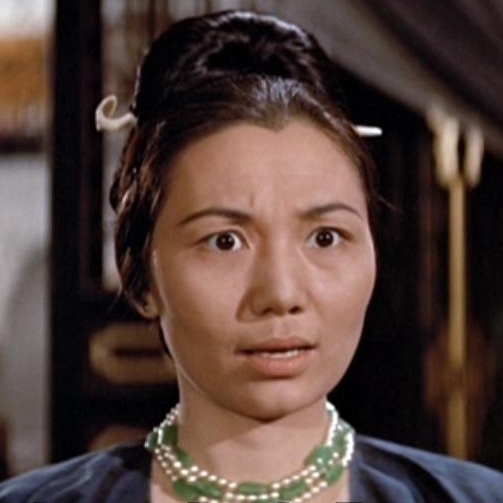
At a gathering of filmmakers in Taipei in January 1978, Kao Pao-Shu joked that she always celebrates her twentieth birthday, but when the talk turned to seniority, she insisted on being counted among the fifth generation of film actors. By then she had appeared in nearly eighty Shaw Brothers films, headed the studio's dubbing department, and founded her own production company. Kao was known for her roles as mothers and aunts, and now her name was appearing in the credits of action films she directed in Taiwan and Thailand. In the 1970s she was one of the few women regularly making Hong ...
At a gathering of filmmakers in Taipei in January 1978, Kao Pao-Shu joked that she always celebrates her twentieth birthday, but when the talk turned to seniority, she insisted on being counted among the fifth generation of film actors. By then she had appeared in nearly eighty Shaw Brothers films, headed the studio's dubbing department, and founded her own production company. Kao was known for her roles as mothers and aunts, and now her name was appearing in the credits of action films she directed in Taiwan and Thailand. In the 1970s she was one of the few women regularly making Hong ...
At a gathering of filmmakers in Taipei in January 1978, Kao Pao-Shu joked that she always celebrates her twentieth birthday, but when the talk turned to seniority, she insisted on being counted among the fifth generation of film actors. By then she had appeared in nearly eighty Shaw Brothers films, headed the studio's dubbing department, and founded her own production company. Kao was known for her roles as mothers and aunts, and now her name was appearing in the credits of action films she directed in Taiwan and Thailand. In the 1970s she was one of the few women regularly making Hong ...

Kay Tse's best-known song, "Wedding Invitation Street," arrived in the wake of the public debate over the fate of the Royal Pier. Its title refers to Li Tung Street in Wan Chai, known for the workshops where wedding invitations were printed. The song became one of the biggest Cantopop hits of the late 2000s. Her first film roles came at the same time as her first solo concerts at the Hong Kong Coliseum. In Lover's Discourse she played a shy laundrette worker in love with a customer. And she earned her first Hong Kong Film Award nomination for Best Actress for Band Four, in which her ...
Kay Tse's best-known song, "Wedding Invitation Street," arrived in the wake of the public debate over the fate of the Royal Pier. Its title refers to Li Tung Street in Wan Chai, known for the workshops where wedding invitations were printed. The song became one of the biggest Cantopop hits of the late 2000s. Her first film roles came at the same time as her first solo concerts at the Hong Kong Coliseum. In Lover's Discourse she played a shy laundrette worker in love with a customer. And she earned her first Hong Kong Film Award nomination for Best Actress for Band Four, in which her ...
Kay Tse's best-known song, "Wedding Invitation Street," arrived in the wake of the public debate over the fate of the Royal Pier. Its title refers to Li Tung Street in Wan Chai, known for the workshops where wedding invitations were printed. The song became one of the biggest Cantopop hits of the late 2000s. Her first film roles came at the same time as her first solo concerts at the Hong Kong Coliseum. In Lover's Discourse she played a shy laundrette worker in love with a customer. And she earned her first Hong Kong Film Award nomination for Best Actress for Band Four, in which her ...

Cutie Mui could make audiences laugh with her booming live on-air laugh and with a spot-on impersonation of someone the whole public knows by sight. In Show Time Blues she copied Sammi Cheng's mannerisms so diligently that the singer eventually coached her on how to nail the resemblance. In the family sitcom Virtues of Harmony, viewers fell for her character Shek Mei, one of the protagonist's two wives. After leaving TVB, Mui moved into advertising, and years later she put together her own team to make entertainment shows for the same audience she had once performed for every evening.
Cutie Mui could make audiences laugh with her booming live on-air laugh and with a spot-on impersonation of someone the whole public knows by sight. In Show Time Blues she copied Sammi Cheng's mannerisms so diligently that the singer eventually coached her on how to nail the resemblance. In the family sitcom Virtues of Harmony, viewers fell for her character Shek Mei, one of the protagonist's two wives. After leaving TVB, Mui moved into advertising, and years later she put together her own team to make entertainment shows for the same audience she had once performed for every evening.
Cutie Mui could make audiences laugh with her booming live on-air laugh and with a spot-on impersonation of someone the whole public knows by sight. In Show Time Blues she copied Sammi Cheng's mannerisms so diligently that the singer eventually coached her on how to nail the resemblance. In the family sitcom Virtues of Harmony, viewers fell for her character Shek Mei, one of the protagonist's two wives. After leaving TVB, Mui moved into advertising, and years later she put together her own team to make entertainment shows for the same audience she had once performed for every evening.

Taiwanese audiences first met Kenny Ho as the general Yue Fei in Ba Qian Li Lu Yun He Yue, but what they remember best is him standing sword in hand at the judge's bench. In Justice Pao he played Zhan Zhao, the officer who stepped in where knowledge of the law alone was no longer enough. The series ran for nearly a year, and when the tales of Bao returned to the screen many years later, the role of Zhan Zhao went to Ho once again. Fans of Hong Kong action knew him from other work. With Jackie Chan and Sammo Hung he was given small parts, while Yuen Wo-Ping entrusted him with the lead in ...
Taiwanese audiences first met Kenny Ho as the general Yue Fei in Ba Qian Li Lu Yun He Yue, but what they remember best is him standing sword in hand at the judge's bench. In Justice Pao he played Zhan Zhao, the officer who stepped in where knowledge of the law alone was no longer enough. The series ran for nearly a year, and when the tales of Bao returned to the screen many years later, the role of Zhan Zhao went to Ho once again. Fans of Hong Kong action knew him from other work. With Jackie Chan and Sammo Hung he was given small parts, while Yuen Wo-Ping entrusted him with the lead in ...
Taiwanese audiences first met Kenny Ho as the general Yue Fei in Ba Qian Li Lu Yun He Yue, but what they remember best is him standing sword in hand at the judge's bench. In Justice Pao he played Zhan Zhao, the officer who stepped in where knowledge of the law alone was no longer enough. The series ran for nearly a year, and when the tales of Bao returned to the screen many years later, the role of Zhan Zhao went to Ho once again. Fans of Hong Kong action knew him from other work. With Jackie Chan and Sammo Hung he was given small parts, while Yuen Wo-Ping entrusted him with the lead in ...

Coulee Nazha came from Xinjiang to study at the Beijing Film Academy and, even before classes began, appeared in Xuan Yuan Sword - Rift of the Sky. For City of Rock she learned to play the bass guitar, and in The Legend she worked with Jackie Chan and Stanley Tong Gwai-Lai in her native Xinjiang. In 2026, her role in the spy series Awakening (醒来) earned Nazha a young actress award at the Wenzhong Awards ceremony.
Coulee Nazha came from Xinjiang to study at the Beijing Film Academy and, even before classes began, appeared in Xuan Yuan Sword - Rift of the Sky. For City of Rock she learned to play the bass guitar, and in The Legend she worked with Jackie Chan and Stanley Tong Gwai-Lai in her native Xinjiang. In 2026, her role in the spy series Awakening (醒来) earned Nazha a young actress award at the Wenzhong Awards ceremony.
Coulee Nazha came from Xinjiang to study at the Beijing Film Academy and, even before classes began, appeared in Xuan Yuan Sword - Rift of the Sky. For City of Rock she learned to play the bass guitar, and in The Legend she worked with Jackie Chan and Stanley Tong Gwai-Lai in her native Xinjiang. In 2026, her role in the spy series Awakening (醒来) earned Nazha a young actress award at the Wenzhong Awards ceremony.

Kent Tong was one of TVB's "Five Tigers" and played Duan Yu in The Demi-Gods and Semi-Devils. At the same time, he appeared for Patrick Tam in Nomad, where his character drives a taxi and is nothing like a television princeling. In the 1990s the five reunited on the big screen, and The Tigers earned Tong a Hong Kong Film Award nomination.
Kent Tong was one of TVB's "Five Tigers" and played Duan Yu in The Demi-Gods and Semi-Devils. At the same time, he appeared for Patrick Tam in Nomad, where his character drives a taxi and is nothing like a television princeling. In the 1990s the five reunited on the big screen, and The Tigers earned Tong a Hong Kong Film Award nomination.
Kent Tong was one of TVB's "Five Tigers" and played Duan Yu in The Demi-Gods and Semi-Devils. At the same time, he appeared for Patrick Tam in Nomad, where his character drives a taxi and is nothing like a television princeling. In the 1990s the five reunited on the big screen, and The Tigers earned Tong a Hong Kong Film Award nomination.
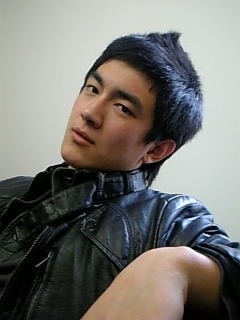
Kenny Lin first came to prominence in Scarlet Heart, and in Tsui Hark's films he played the physician Shatuo, a squad commander in The Taking of Tiger Mountain, and Sun Wukong. Under Derek Yee he was cast as a swordsman weary of being the best. After several hit costume dramas, Lin took on the series The Tale of Rose (玫瑰的故事). His character starts out as a caring student and over time becomes the husband against whom the heroine has to fight for the right to live her own way.
Kenny Lin first came to prominence in Scarlet Heart, and in Tsui Hark's films he played the physician Shatuo, a squad commander in The Taking of Tiger Mountain, and Sun Wukong. Under Derek Yee he was cast as a swordsman weary of being the best. After several hit costume dramas, Lin took on the series The Tale of Rose (玫瑰的故事). His character starts out as a caring student and over time becomes the husband against whom the heroine has to fight for the right to live her own way.
Kenny Lin first came to prominence in Scarlet Heart, and in Tsui Hark's films he played the physician Shatuo, a squad commander in The Taking of Tiger Mountain, and Sun Wukong. Under Derek Yee he was cast as a swordsman weary of being the best. After several hit costume dramas, Lin took on the series The Tale of Rose (玫瑰的故事). His character starts out as a caring student and over time becomes the husband against whom the heroine has to fight for the right to live her own way.

Clarence Fok studied design, started out in television and directed one of the first Hong Kong films shot in Moscow. Outside Hong Kong he is best known for Naked Killer, which he made with Wong Jing. After moving to Beijing, Fok worked extensively on TV series, and he returned to Hong Kong cinema with, among other things, Special ID starring Donnie Yen.
Clarence Fok studied design, started out in television and directed one of the first Hong Kong films shot in Moscow. Outside Hong Kong he is best known for Naked Killer, which he made with Wong Jing. After moving to Beijing, Fok worked extensively on TV series, and he returned to Hong Kong cinema with, among other things, Special ID starring Donnie Yen.
Clarence Fok studied design, started out in television and directed one of the first Hong Kong films shot in Moscow. Outside Hong Kong he is best known for Naked Killer, which he made with Wong Jing. After moving to Beijing, Fok worked extensively on TV series, and he returned to Hong Kong cinema with, among other things, Special ID starring Donnie Yen.

Clifton Ko directed The Happy Ghost, Chicken and Duck Talk and the Lunar New Year comedy All's Well End's Well, which broke the Hong Kong box-office record. In the 1990s he founded the theatre company Spring-Time. On stage he drew on his experience as a film director, and one of the films that grew out of his work with plays earned him a Golden Horse for editing.
Clifton Ko directed The Happy Ghost, Chicken and Duck Talk and the Lunar New Year comedy All's Well End's Well, which broke the Hong Kong box-office record. In the 1990s he founded the theatre company Spring-Time. On stage he drew on his experience as a film director, and one of the films that grew out of his work with plays earned him a Golden Horse for editing.
Clifton Ko directed The Happy Ghost, Chicken and Duck Talk and the Lunar New Year comedy All's Well End's Well, which broke the Hong Kong box-office record. In the 1990s he founded the theatre company Spring-Time. On stage he drew on his experience as a film director, and one of the films that grew out of his work with plays earned him a Golden Horse for editing.

Years before she became the darling of Hong Kong's young audiences, Connie Chan mostly played male roles. She learned to portray warriors and scholars from the opera star Yam Kim-Fai. In the 1960s her films played simultaneously across several cinema chains, and in 1972 she left the movies. Connie agreed to return to the stage many years later, when she was offered the chance to play Yam herself.
Years before she became the darling of Hong Kong's young audiences, Connie Chan mostly played male roles. She learned to portray warriors and scholars from the opera star Yam Kim-Fai. In the 1960s her films played simultaneously across several cinema chains, and in 1972 she left the movies. Connie agreed to return to the stage many years later, when she was offered the chance to play Yam herself.
Years before she became the darling of Hong Kong's young audiences, Connie Chan mostly played male roles. She learned to portray warriors and scholars from the opera star Yam Kim-Fai. In the 1960s her films played simultaneously across several cinema chains, and in 1972 she left the movies. Connie agreed to return to the stage many years later, when she was offered the chance to play Yam herself.

For several generations of Chinese viewers, Kathy Chow is first and foremost Zhou Zhiruo, the gentle yet imperious disciple of Abbess Miejue from the Taiwanese The Heaven Sword and Dragon Saber. That role outgrew the actress herself: on her gravestone in Beijing, it is this image that is carved in place of a photograph. Yet she began as one of TVB's biggest stars of the late 1980s, the face of the series Looking Back in Anger, known to every Hong Kong television viewer. Kathy Chow's life was a long career on screen — without a husband, without children, with an illness she chose to keep ...
For several generations of Chinese viewers, Kathy Chow is first and foremost Zhou Zhiruo, the gentle yet imperious disciple of Abbess Miejue from the Taiwanese The Heaven Sword and Dragon Saber. That role outgrew the actress herself: on her gravestone in Beijing, it is this image that is carved in place of a photograph. Yet she began as one of TVB's biggest stars of the late 1980s, the face of the series Looking Back in Anger, known to every Hong Kong television viewer. Kathy Chow's life was a long career on screen — without a husband, without children, with an illness she chose to keep ...
For several generations of Chinese viewers, Kathy Chow is first and foremost Zhou Zhiruo, the gentle yet imperious disciple of Abbess Miejue from the Taiwanese The Heaven Sword and Dragon Saber. That role outgrew the actress herself: on her gravestone in Beijing, it is this image that is carved in place of a photograph. Yet she began as one of TVB's biggest stars of the late 1980s, the face of the series Looking Back in Anger, known to every Hong Kong television viewer. Kathy Chow's life was a long career on screen — without a husband, without children, with an illness she chose to keep ...

Kwai Lun-Mei stumbled into film as a schoolgirl, almost by chance, and with her very first role — a short-haired girl in love with her classmate in Blue Gate Crossing — she became the face of a new Taiwanese cinema. From there her path looks unusual for an actress known across Asia since her teens: she has worked with Tsui Hark and Jay Chou, but far more willingly with auteurs from whom no box-office records are expected. Hence the Golden Horse for Girlfriend, Boyfriend, the Berlinale Golden Bear for Black Coal, Thin Ice, and a reputation as an actress who takes a role only if she feels ...
Kwai Lun-Mei stumbled into film as a schoolgirl, almost by chance, and with her very first role — a short-haired girl in love with her classmate in Blue Gate Crossing — she became the face of a new Taiwanese cinema. From there her path looks unusual for an actress known across Asia since her teens: she has worked with Tsui Hark and Jay Chou, but far more willingly with auteurs from whom no box-office records are expected. Hence the Golden Horse for Girlfriend, Boyfriend, the Berlinale Golden Bear for Black Coal, Thin Ice, and a reputation as an actress who takes a role only if she feels ...
Kwai Lun-Mei stumbled into film as a schoolgirl, almost by chance, and with her very first role — a short-haired girl in love with her classmate in Blue Gate Crossing — she became the face of a new Taiwanese cinema. From there her path looks unusual for an actress known across Asia since her teens: she has worked with Tsui Hark and Jay Chou, but far more willingly with auteurs from whom no box-office records are expected. Hence the Golden Horse for Girlfriend, Boyfriend, the Berlinale Golden Bear for Black Coal, Thin Ice, and a reputation as an actress who takes a role only if she feels ...

Crystal Huang Yi became famous in her early twenties, playing the restless Xiao Yanzi in the third season of My Fair Princess 3, and then spent many years trying to prove she could do more — appearing in films by Stanley Kwan, Johnnie To and Herman Yau and winning an award at the Macau International Film Festival. Her personal life — two short marriages and a loud divorce — long overshadowed her work in the public eye, and after several years without roles she returned to the screen and in 2025 received a supporting actress award for A Gilded Game.
Crystal Huang Yi became famous in her early twenties, playing the restless Xiao Yanzi in the third season of My Fair Princess 3, and then spent many years trying to prove she could do more — appearing in films by Stanley Kwan, Johnnie To and Herman Yau and winning an award at the Macau International Film Festival. Her personal life — two short marriages and a loud divorce — long overshadowed her work in the public eye, and after several years without roles she returned to the screen and in 2025 received a supporting actress award for A Gilded Game.
Crystal Huang Yi became famous in her early twenties, playing the restless Xiao Yanzi in the third season of My Fair Princess 3, and then spent many years trying to prove she could do more — appearing in films by Stanley Kwan, Johnnie To and Herman Yau and winning an award at the Macau International Film Festival. Her personal life — two short marriages and a loud divorce — long overshadowed her work in the public eye, and after several years without roles she returned to the screen and in 2025 received a supporting actress award for A Gilded Game.

Candy Wen was a Hong Kong television star of the late 1970s and early 1980s, one of the leading heroines of the TV wuxia series of those years. The daughter of a Peking opera actor and the younger sister of Yuen Qiu, at 16 she played the lead role in the series Sword Stained with Royal Blood, and together with Leslie Cheung Kwok-Wing formed one of the most popular on-screen couples of the era in Spirit of the Sword. After a long hiatus, during which she raised two daughters and built her own business, Candy Wen Xue-Er returned to TVB and to film.
Candy Wen was a Hong Kong television star of the late 1970s and early 1980s, one of the leading heroines of the TV wuxia series of those years. The daughter of a Peking opera actor and the younger sister of Yuen Qiu, at 16 she played the lead role in the series Sword Stained with Royal Blood, and together with Leslie Cheung Kwok-Wing formed one of the most popular on-screen couples of the era in Spirit of the Sword. After a long hiatus, during which she raised two daughters and built her own business, Candy Wen Xue-Er returned to TVB and to film.
Candy Wen was a Hong Kong television star of the late 1970s and early 1980s, one of the leading heroines of the TV wuxia series of those years. The daughter of a Peking opera actor and the younger sister of Yuen Qiu, at 16 she played the lead role in the series Sword Stained with Royal Blood, and together with Leslie Cheung Kwok-Wing formed one of the most popular on-screen couples of the era in Spirit of the Sword. After a long hiatus, during which she raised two daughters and built her own business, Candy Wen Xue-Er returned to TVB and to film.

A star of Taiwanese cinema in the second half of the 20th century, Ko Chun-Hsiung appeared in more than two hundred films and became the first Taiwanese actor to win the Best Actor prize at the Asia-Pacific Film Festival, for the melodrama Lonely Seventeen. Audiences remember him for his roles as generals and heroes in the patriotic epics Everlasting Glory and Eight Hundred Heroes, while for his performances in A Teacher of Great Soldiers and Generation Pendragon he twice received the Golden Horse as Best Actor. He also directed and produced films himself, and even served a term as a ...
A star of Taiwanese cinema in the second half of the 20th century, Ko Chun-Hsiung appeared in more than two hundred films and became the first Taiwanese actor to win the Best Actor prize at the Asia-Pacific Film Festival, for the melodrama Lonely Seventeen. Audiences remember him for his roles as generals and heroes in the patriotic epics Everlasting Glory and Eight Hundred Heroes, while for his performances in A Teacher of Great Soldiers and Generation Pendragon he twice received the Golden Horse as Best Actor. He also directed and produced films himself, and even served a term as a ...
A star of Taiwanese cinema in the second half of the 20th century, Ko Chun-Hsiung appeared in more than two hundred films and became the first Taiwanese actor to win the Best Actor prize at the Asia-Pacific Film Festival, for the melodrama Lonely Seventeen. Audiences remember him for his roles as generals and heroes in the patriotic epics Everlasting Glory and Eight Hundred Heroes, while for his performances in A Teacher of Great Soldiers and Generation Pendragon he twice received the Golden Horse as Best Actor. He also directed and produced films himself, and even served a term as a ...

Former Cathay Pacific flight attendant Carman Lee rose to fame as Xiaolongnü in the 1995 TVB series Return of the Condor Heroes, and the press still calls her "the most beautiful Xiaolongnü." In the 1990s she appeared in films by Stephen Chow Sing-Chi, Johnnie To Kei-Fung and Tsui Hark, but in 2004 she left the profession for the sake of her beloved. After a painful breakup and years of depression, the actress returned to the screen and became a prominent figure in mainland historical dramas.
Former Cathay Pacific flight attendant Carman Lee rose to fame as Xiaolongnü in the 1995 TVB series Return of the Condor Heroes, and the press still calls her "the most beautiful Xiaolongnü." In the 1990s she appeared in films by Stephen Chow Sing-Chi, Johnnie To Kei-Fung and Tsui Hark, but in 2004 she left the profession for the sake of her beloved. After a painful breakup and years of depression, the actress returned to the screen and became a prominent figure in mainland historical dramas.
Former Cathay Pacific flight attendant Carman Lee rose to fame as Xiaolongnü in the 1995 TVB series Return of the Condor Heroes, and the press still calls her "the most beautiful Xiaolongnü." In the 1990s she appeared in films by Stephen Chow Sing-Chi, Johnnie To Kei-Fung and Tsui Hark, but in 2004 she left the profession for the sake of her beloved. After a painful breakup and years of depression, the actress returned to the screen and became a prominent figure in mainland historical dramas.

Actress and television host Christine Ng entered the screen through the 1989 Miss Asia pageant, and over three and a half decades she has appeared in series on both Hong Kong television channels – ATV and TVB – and in dozens of films, from the comedy Feel 100% to the supernatural Troublesome Night series. Her life story long remained tabloid fodder: at 21 she was widowed 13 days after her wedding, and the press called her the "Black Widow" for years. Today she hosts her own talk show, where she speaks about the things she once kept silent.
Actress and television host Christine Ng entered the screen through the 1989 Miss Asia pageant, and over three and a half decades she has appeared in series on both Hong Kong television channels – ATV and TVB – and in dozens of films, from the comedy Feel 100% to the supernatural Troublesome Night series. Her life story long remained tabloid fodder: at 21 she was widowed 13 days after her wedding, and the press called her the "Black Widow" for years. Today she hosts her own talk show, where she speaks about the things she once kept silent.
Actress and television host Christine Ng entered the screen through the 1989 Miss Asia pageant, and over three and a half decades she has appeared in series on both Hong Kong television channels – ATV and TVB – and in dozens of films, from the comedy Feel 100% to the supernatural Troublesome Night series. Her life story long remained tabloid fodder: at 21 she was widowed 13 days after her wedding, and the press called her the "Black Widow" for years. Today she hosts her own talk show, where she speaks about the things she once kept silent.

With hundreds of roles to his name, Ku Feng was arguably the Shaw Brothers studio's premier villain and a face familiar to every fan of Hong Kong cinema. Over six decades he played more than four hundred parts — cunning clan leaders, brutal generals, corrupt officials, sorcerers and wise mentors — and was equally convincing in the bloody wuxia of Chang Cheh, the exquisite fantasies of Chor Yuen, and the comedies of Stephen Chow Sing-Chi. A two-time Golden Horse winner, he spent almost his entire life in supporting roles, yet the golden age of Hong Kong martial arts cinema is hard to ...
With hundreds of roles to his name, Ku Feng was arguably the Shaw Brothers studio's premier villain and a face familiar to every fan of Hong Kong cinema. Over six decades he played more than four hundred parts — cunning clan leaders, brutal generals, corrupt officials, sorcerers and wise mentors — and was equally convincing in the bloody wuxia of Chang Cheh, the exquisite fantasies of Chor Yuen, and the comedies of Stephen Chow Sing-Chi. A two-time Golden Horse winner, he spent almost his entire life in supporting roles, yet the golden age of Hong Kong martial arts cinema is hard to ...
With hundreds of roles to his name, Ku Feng was arguably the Shaw Brothers studio's premier villain and a face familiar to every fan of Hong Kong cinema. Over six decades he played more than four hundred parts — cunning clan leaders, brutal generals, corrupt officials, sorcerers and wise mentors — and was equally convincing in the bloody wuxia of Chang Cheh, the exquisite fantasies of Chor Yuen, and the comedies of Stephen Chow Sing-Chi. A two-time Golden Horse winner, he spent almost his entire life in supporting roles, yet the golden age of Hong Kong martial arts cinema is hard to ...

Kenny Bee is a singer, actor, and composer whose career spans more than half a century and several industries at once. In the 1970s he was one of the vocalists of The Wynners, a band that became something like Hong Kong's own Beatles; in the late 1970s he turned into Taiwanese cinema's leading romantic hero, and in the 1980s into one of the most popular cantopop performers. His life has more than once become tabloid fodder: a lavish wedding to socialite Teresa Cheung, a high-profile divorce, and bankruptcy with debts of 250 million Hong Kong dollars. But Kenny Bee rose again every time — ...
Kenny Bee is a singer, actor, and composer whose career spans more than half a century and several industries at once. In the 1970s he was one of the vocalists of The Wynners, a band that became something like Hong Kong's own Beatles; in the late 1970s he turned into Taiwanese cinema's leading romantic hero, and in the 1980s into one of the most popular cantopop performers. His life has more than once become tabloid fodder: a lavish wedding to socialite Teresa Cheung, a high-profile divorce, and bankruptcy with debts of 250 million Hong Kong dollars. But Kenny Bee rose again every time — ...
Kenny Bee is a singer, actor, and composer whose career spans more than half a century and several industries at once. In the 1970s he was one of the vocalists of The Wynners, a band that became something like Hong Kong's own Beatles; in the late 1970s he turned into Taiwanese cinema's leading romantic hero, and in the 1980s into one of the most popular cantopop performers. His life has more than once become tabloid fodder: a lavish wedding to socialite Teresa Cheung, a high-profile divorce, and bankruptcy with debts of 250 million Hong Kong dollars. But Kenny Bee rose again every time — ...

A martial arts master and actress, the younger sister of Donnie Yen, Chris Yen grew up in the US in the family of a renowned tai chi master and performed at international tournaments from childhood. As a girl she made her debut in Yuen Wo-Ping's The Close Encounter of the Vampire, in the 2000s appeared in the Hong Kong comedy Protege de la Rose Noire, then acted in American film and television, and later left the acting profession.
A martial arts master and actress, the younger sister of Donnie Yen, Chris Yen grew up in the US in the family of a renowned tai chi master and performed at international tournaments from childhood. As a girl she made her debut in Yuen Wo-Ping's The Close Encounter of the Vampire, in the 2000s appeared in the Hong Kong comedy Protege de la Rose Noire, then acted in American film and television, and later left the acting profession.
A martial arts master and actress, the younger sister of Donnie Yen, Chris Yen grew up in the US in the family of a renowned tai chi master and performed at international tournaments from childhood. As a girl she made her debut in Yuen Wo-Ping's The Close Encounter of the Vampire, in the 2000s appeared in the Hong Kong comedy Protege de la Rose Noire, then acted in American film and television, and later left the acting profession.
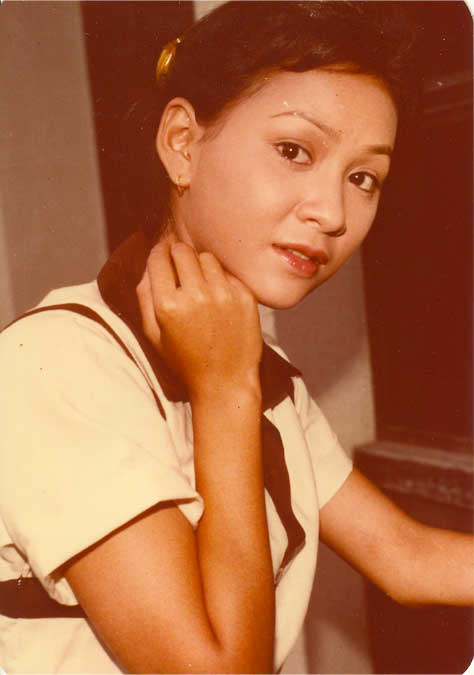
A Hong Kong television star of the late 1970s, Candice Yu rose to fame as Princess Xiang-Xiang in the TVB series The Legend of the Book and Sword and played heroines in six Chor Yuen wuxia films at Shaw Brothers. Her marriage to Chow Yun-Fat lasted only nine months, and after her second marriage she stepped away from the screen for a long time. Returning to the profession in the 2000s, she was twice nominated for the Hong Kong Film Awards and has since worked steadily in film and television.
A Hong Kong television star of the late 1970s, Candice Yu rose to fame as Princess Xiang-Xiang in the TVB series The Legend of the Book and Sword and played heroines in six Chor Yuen wuxia films at Shaw Brothers. Her marriage to Chow Yun-Fat lasted only nine months, and after her second marriage she stepped away from the screen for a long time. Returning to the profession in the 2000s, she was twice nominated for the Hong Kong Film Awards and has since worked steadily in film and television.
A Hong Kong television star of the late 1970s, Candice Yu rose to fame as Princess Xiang-Xiang in the TVB series The Legend of the Book and Sword and played heroines in six Chor Yuen wuxia films at Shaw Brothers. Her marriage to Chow Yun-Fat lasted only nine months, and after her second marriage she stepped away from the screen for a long time. Returning to the profession in the 2000s, she was twice nominated for the Hong Kong Film Awards and has since worked steadily in film and television.

Hong Kong actor Ku Kuan-Chung started out at Shaw Brothers and played dozens of roles in Chor Yuen's wuxia films based on Gu Long's novels. His real breakthrough came with the role of Yun Fei-Yang in the TV series Reincarnation of the Heavenly Silkworm, where he replaced a classmate who had suddenly vanished from the set. He then spent many years acting in Taiwan and mainland China, and in the 2010s returned to Hong Kong, appearing in TVB series.
Hong Kong actor Ku Kuan-Chung started out at Shaw Brothers and played dozens of roles in Chor Yuen's wuxia films based on Gu Long's novels. His real breakthrough came with the role of Yun Fei-Yang in the TV series Reincarnation of the Heavenly Silkworm, where he replaced a classmate who had suddenly vanished from the set. He then spent many years acting in Taiwan and mainland China, and in the 2010s returned to Hong Kong, appearing in TVB series.
Hong Kong actor Ku Kuan-Chung started out at Shaw Brothers and played dozens of roles in Chor Yuen's wuxia films based on Gu Long's novels. His real breakthrough came with the role of Yun Fei-Yang in the TV series Reincarnation of the Heavenly Silkworm, where he replaced a classmate who had suddenly vanished from the set. He then spent many years acting in Taiwan and mainland China, and in the 2010s returned to Hong Kong, appearing in TVB series.

A 1970s kung fu movie actor, Kam Kong made his name playing villains – most often cunning monks and old masters. His best-known role is the blind assassin disguised as a Buddhist monk in Jimmy Wang Yu's One-armed Boxer vs. the Flying Guillotine, which became a cult favourite beyond Asia as well. Over two decades he appeared in more than sixty Hong Kong and Taiwanese films.
A 1970s kung fu movie actor, Kam Kong made his name playing villains – most often cunning monks and old masters. His best-known role is the blind assassin disguised as a Buddhist monk in Jimmy Wang Yu's One-armed Boxer vs. the Flying Guillotine, which became a cult favourite beyond Asia as well. Over two decades he appeared in more than sixty Hong Kong and Taiwanese films.
A 1970s kung fu movie actor, Kam Kong made his name playing villains – most often cunning monks and old masters. His best-known role is the blind assassin disguised as a Buddhist monk in Jimmy Wang Yu's One-armed Boxer vs. the Flying Guillotine, which became a cult favourite beyond Asia as well. Over two decades he appeared in more than sixty Hong Kong and Taiwanese films.

A martial arts master and a star of 1970s kung fu action films, Carter Wong came to cinema from a police gymnasium: he made his debut at Golden Harvest in Hap Ki Do alongside Angela Mao Ying, and went on to become one of the leading faces of Taiwanese Shaolin actioners, above all The 18 Bronzemen and Born Invincible. To Western audiences he is known for the role of Thunder in John Carpenter's Hollywood comedy Big Trouble in Little China.
A martial arts master and a star of 1970s kung fu action films, Carter Wong came to cinema from a police gymnasium: he made his debut at Golden Harvest in Hap Ki Do alongside Angela Mao Ying, and went on to become one of the leading faces of Taiwanese Shaolin actioners, above all The 18 Bronzemen and Born Invincible. To Western audiences he is known for the role of Thunder in John Carpenter's Hollywood comedy Big Trouble in Little China.
A martial arts master and a star of 1970s kung fu action films, Carter Wong came to cinema from a police gymnasium: he made his debut at Golden Harvest in Hap Ki Do alongside Angela Mao Ying, and went on to become one of the leading faces of Taiwanese Shaolin actioners, above all The 18 Bronzemen and Born Invincible. To Western audiences he is known for the role of Thunder in John Carpenter's Hollywood comedy Big Trouble in Little China.

An actress from Shandong province, Kitty Zhang became famous as "Stephen Chow's girl" after CJ7, and then stepped out of his shadow: her role in the drama White Deer Plain brought her her first awards, for her role in Legend of the Demon Cat she received an Asian Film Award, and the villainess in The Mermaid became one of her most memorable performances. In the 2020s a new wave of popularity came her way – thanks to TV shows and the Candle in the Tomb series, and in 2026 her career was seriously shaken by a scandal.
An actress from Shandong province, Kitty Zhang became famous as "Stephen Chow's girl" after CJ7, and then stepped out of his shadow: her role in the drama White Deer Plain brought her her first awards, for her role in Legend of the Demon Cat she received an Asian Film Award, and the villainess in The Mermaid became one of her most memorable performances. In the 2020s a new wave of popularity came her way – thanks to TV shows and the Candle in the Tomb series, and in 2026 her career was seriously shaken by a scandal.
An actress from Shandong province, Kitty Zhang became famous as "Stephen Chow's girl" after CJ7, and then stepped out of his shadow: her role in the drama White Deer Plain brought her her first awards, for her role in Legend of the Demon Cat she received an Asian Film Award, and the villainess in The Mermaid became one of her most memorable performances. In the 2020s a new wave of popularity came her way – thanks to TV shows and the Candle in the Tomb series, and in 2026 her career was seriously shaken by a scandal.

Korean taekwondo master nicknamed "The Tornado" for his spinning kicks, Casanova Wong became one of the most striking "leg men" of Hong Kong kung fu cinema in the late 1970s. His best-known role was the simple-minded cashier who becomes a student of a wing chun master in Sammo Hung's Warriors Two. Over a decade and a half he appeared in nearly forty films and directed two himself.
Korean taekwondo master nicknamed "The Tornado" for his spinning kicks, Casanova Wong became one of the most striking "leg men" of Hong Kong kung fu cinema in the late 1970s. His best-known role was the simple-minded cashier who becomes a student of a wing chun master in Sammo Hung's Warriors Two. Over a decade and a half he appeared in nearly forty films and directed two himself.
Korean taekwondo master nicknamed "The Tornado" for his spinning kicks, Casanova Wong became one of the most striking "leg men" of Hong Kong kung fu cinema in the late 1970s. His best-known role was the simple-minded cashier who becomes a student of a wing chun master in Sammo Hung's Warriors Two. Over a decade and a half he appeared in nearly forty films and directed two himself.

Taiwanese actress Kelly Lin Hsi-Lei started out in Hong Kong commercial cinema at the turn of the millennium, and later, thanks to films by Johnnie To, Patrick Tam and Olivier Assayas, earned the nickname "queen of film festivals." Her best-known works are Fulltime Killer, After This Our Exile, Mad Detective and Sparrow. After a long hiatus devoted to family, she returned to the screen in The Movie Emperor with Andy Lau and the Netflix series The Fixers!.
Taiwanese actress Kelly Lin Hsi-Lei started out in Hong Kong commercial cinema at the turn of the millennium, and later, thanks to films by Johnnie To, Patrick Tam and Olivier Assayas, earned the nickname "queen of film festivals." Her best-known works are Fulltime Killer, After This Our Exile, Mad Detective and Sparrow. After a long hiatus devoted to family, she returned to the screen in The Movie Emperor with Andy Lau and the Netflix series The Fixers!.
Taiwanese actress Kelly Lin Hsi-Lei started out in Hong Kong commercial cinema at the turn of the millennium, and later, thanks to films by Johnnie To, Patrick Tam and Olivier Assayas, earned the nickname "queen of film festivals." Her best-known works are Fulltime Killer, After This Our Exile, Mad Detective and Sparrow. After a long hiatus devoted to family, she returned to the screen in The Movie Emperor with Andy Lau and the Netflix series The Fixers!.

A fighter with the looks of a Hollywood actor, the son of a boxing champion and a man of Chinese, English, Japanese and Korean blood, Conan Lee Yuen-Ba burst into Hong Kong cinema in the early 1980s with Corey Yuen Kwai's directorial debut Ninja in the Dragon's Den, where he fought on equal terms with Japanese star Sanada Hiroyuki. He later became Chow Yun-Fat's partner in Lau Kar-Leung's police comedy Tiger on the Beat and appeared in Hollywood, but at the peak of his career he left film to care for his seriously ill mother.
A fighter with the looks of a Hollywood actor, the son of a boxing champion and a man of Chinese, English, Japanese and Korean blood, Conan Lee Yuen-Ba burst into Hong Kong cinema in the early 1980s with Corey Yuen Kwai's directorial debut Ninja in the Dragon's Den, where he fought on equal terms with Japanese star Sanada Hiroyuki. He later became Chow Yun-Fat's partner in Lau Kar-Leung's police comedy Tiger on the Beat and appeared in Hollywood, but at the peak of his career he left film to care for his seriously ill mother.
A fighter with the looks of a Hollywood actor, the son of a boxing champion and a man of Chinese, English, Japanese and Korean blood, Conan Lee Yuen-Ba burst into Hong Kong cinema in the early 1980s with Corey Yuen Kwai's directorial debut Ninja in the Dragon's Den, where he fought on equal terms with Japanese star Sanada Hiroyuki. He later became Chow Yun-Fat's partner in Lau Kar-Leung's police comedy Tiger on the Beat and appeared in Hollywood, but at the peak of his career he left film to care for his seriously ill mother.

In the late 2000s, Chrissie Chau was Hong Kong's most famous "pseudo-model" – a girl from photo shoots and comic conventions whose revealing photo albums sold out instantly, and whom the newspapers dubbed the "progenitor" of an entire phenomenon. Few believed back then that she would become a serious actress, but over a decade and a half she appeared in nearly eighty films, worked with Stephen Chow, Benny Chan and Yuen Wo-Ping, and was twice nominated for the Hong Kong Film Award for Best Actress – for the dramas 29+1 and Madalena.
In the late 2000s, Chrissie Chau was Hong Kong's most famous "pseudo-model" – a girl from photo shoots and comic conventions whose revealing photo albums sold out instantly, and whom the newspapers dubbed the "progenitor" of an entire phenomenon. Few believed back then that she would become a serious actress, but over a decade and a half she appeared in nearly eighty films, worked with Stephen Chow, Benny Chan and Yuen Wo-Ping, and was twice nominated for the Hong Kong Film Award for Best Actress – for the dramas 29+1 and Madalena.
In the late 2000s, Chrissie Chau was Hong Kong's most famous "pseudo-model" – a girl from photo shoots and comic conventions whose revealing photo albums sold out instantly, and whom the newspapers dubbed the "progenitor" of an entire phenomenon. Few believed back then that she would become a serious actress, but over a decade and a half she appeared in nearly eighty films, worked with Stephen Chow, Benny Chan and Yuen Wo-Ping, and was twice nominated for the Hong Kong Film Award for Best Actress – for the dramas 29+1 and Madalena.

An architect by training, Kenneth Tsang spent nearly seven decades working in film and television and played more than three hundred roles. Hong Kong audiences remember him for Cantonese films of the 1950s and 1960s and for his role as Huang Yaoshi in the series The Legend of the Condor Heroes, action fans for John Woo's A Better Tomorrow and The Killer, and global audiences for the Hollywood films Die Another Day and Memoirs of a Geisha. At the age of eighty, he received a Hong Kong Film Award for his role as the clan patriarch in the thriller Overheard 3.
An architect by training, Kenneth Tsang spent nearly seven decades working in film and television and played more than three hundred roles. Hong Kong audiences remember him for Cantonese films of the 1950s and 1960s and for his role as Huang Yaoshi in the series The Legend of the Condor Heroes, action fans for John Woo's A Better Tomorrow and The Killer, and global audiences for the Hollywood films Die Another Day and Memoirs of a Geisha. At the age of eighty, he received a Hong Kong Film Award for his role as the clan patriarch in the thriller Overheard 3.
An architect by training, Kenneth Tsang spent nearly seven decades working in film and television and played more than three hundred roles. Hong Kong audiences remember him for Cantonese films of the 1950s and 1960s and for his role as Huang Yaoshi in the series The Legend of the Condor Heroes, action fans for John Woo's A Better Tomorrow and The Killer, and global audiences for the Hollywood films Die Another Day and Memoirs of a Geisha. At the age of eighty, he received a Hong Kong Film Award for his role as the clan patriarch in the thriller Overheard 3.

A Cantonese opera actor and martial artist, Kwan Tak-Hing went down in film history as the performer of the legendary physician and kung fu master Wong Fei-Hung, a role he played in no fewer than 77 films over nearly half a century. The Wong Fei-Hung series, launched in 1949, became the longest-running film series about a hero in the history of world cinema, and the image of the wise, restrained and noble master created by Kwan Tak-Hing became, for several generations of Chinese viewers, the embodiment of Confucian virtues. During the Second Sino-Japanese War he raised funds for the ...
A Cantonese opera actor and martial artist, Kwan Tak-Hing went down in film history as the performer of the legendary physician and kung fu master Wong Fei-Hung, a role he played in no fewer than 77 films over nearly half a century. The Wong Fei-Hung series, launched in 1949, became the longest-running film series about a hero in the history of world cinema, and the image of the wise, restrained and noble master created by Kwan Tak-Hing became, for several generations of Chinese viewers, the embodiment of Confucian virtues. During the Second Sino-Japanese War he raised funds for the ...
A Cantonese opera actor and martial artist, Kwan Tak-Hing went down in film history as the performer of the legendary physician and kung fu master Wong Fei-Hung, a role he played in no fewer than 77 films over nearly half a century. The Wong Fei-Hung series, launched in 1949, became the longest-running film series about a hero in the history of world cinema, and the image of the wise, restrained and noble master created by Kwan Tak-Hing became, for several generations of Chinese viewers, the embodiment of Confucian virtues. During the Second Sino-Japanese War he raised funds for the ...

Of the entire famous "Seven Little Fortunes" that grew out of Master Yu Jim-Yuen's Peking Opera School, Corey Yuen Kwai is perhaps the least known to the general public. He never became a star like Jackie Chan, Sammo Hung Kam-Bo and Yuen Biao, and hardly ever played leading roles, preferring to stay on the other side of the camera. Yet as a director and action choreographer, Corey Yuen Kwai did no less for Hong Kong action cinema than his celebrated "brothers." He introduced audiences to Michelle Yeoh and Cynthia Rothrock, gave Jean-Claude Van Damme his first notable role, made Jet Li ...
Of the entire famous "Seven Little Fortunes" that grew out of Master Yu Jim-Yuen's Peking Opera School, Corey Yuen Kwai is perhaps the least known to the general public. He never became a star like Jackie Chan, Sammo Hung Kam-Bo and Yuen Biao, and hardly ever played leading roles, preferring to stay on the other side of the camera. Yet as a director and action choreographer, Corey Yuen Kwai did no less for Hong Kong action cinema than his celebrated "brothers." He introduced audiences to Michelle Yeoh and Cynthia Rothrock, gave Jean-Claude Van Damme his first notable role, made Jet Li ...
Of the entire famous "Seven Little Fortunes" that grew out of Master Yu Jim-Yuen's Peking Opera School, Corey Yuen Kwai is perhaps the least known to the general public. He never became a star like Jackie Chan, Sammo Hung Kam-Bo and Yuen Biao, and hardly ever played leading roles, preferring to stay on the other side of the camera. Yet as a director and action choreographer, Corey Yuen Kwai did no less for Hong Kong action cinema than his celebrated "brothers." He introduced audiences to Michelle Yeoh and Cynthia Rothrock, gave Jean-Claude Van Damme his first notable role, made Jet Li ...

For 1980s audiences, Karl Maka is first and foremost the bald, clumsy but good-natured cop from the action comedy Aces Go Places and its four sequels, the eternal partner of "King Kong" Samuel Hui. But the bug-eyed comedian was not just an actor. Maka is one of the most successful producers in Hong Kong history: in 1980, together with Raymond Wong and Dean Shek, he founded Cinema City, a company that churned out hits for a decade and set the trends in local comedy, and among its "graduates" are Tsui Hark, Eric Tsang, Ringo Lam and Nansun Shi. As a director, Maka himself started out with ...
For 1980s audiences, Karl Maka is first and foremost the bald, clumsy but good-natured cop from the action comedy Aces Go Places and its four sequels, the eternal partner of "King Kong" Samuel Hui. But the bug-eyed comedian was not just an actor. Maka is one of the most successful producers in Hong Kong history: in 1980, together with Raymond Wong and Dean Shek, he founded Cinema City, a company that churned out hits for a decade and set the trends in local comedy, and among its "graduates" are Tsui Hark, Eric Tsang, Ringo Lam and Nansun Shi. As a director, Maka himself started out with ...
For 1980s audiences, Karl Maka is first and foremost the bald, clumsy but good-natured cop from the action comedy Aces Go Places and its four sequels, the eternal partner of "King Kong" Samuel Hui. But the bug-eyed comedian was not just an actor. Maka is one of the most successful producers in Hong Kong history: in 1980, together with Raymond Wong and Dean Shek, he founded Cinema City, a company that churned out hits for a decade and set the trends in local comedy, and among its "graduates" are Tsui Hark, Eric Tsang, Ringo Lam and Nansun Shi. As a director, Maka himself started out with ...

Australian karateka Kim Maree Penn appeared in Hong Kong action films throughout the 1990s, from Middle Man to Police Story III Super Cop with Jackie Chan and Tsui Hark's Knock Off. After leaving the movie business, she became one of the few high-end female bodyguards and a co-owner of a Hong Kong security agency.
Australian karateka Kim Maree Penn appeared in Hong Kong action films throughout the 1990s, from Middle Man to Police Story III Super Cop with Jackie Chan and Tsui Hark's Knock Off. After leaving the movie business, she became one of the few high-end female bodyguards and a co-owner of a Hong Kong security agency.
Australian karateka Kim Maree Penn appeared in Hong Kong action films throughout the 1990s, from Middle Man to Police Story III Super Cop with Jackie Chan and Tsui Hark's Knock Off. After leaving the movie business, she became one of the few high-end female bodyguards and a co-owner of a Hong Kong security agency.