


Biographies

Peter Yang (Yang Qun, born Yang Pengjiu) was an actor, director and producer in Hong Kong and Taiwanese cinema. Starting out in the 1950s with radio plays and supporting roles at the MP&GI studio, he went on to become a leading star for Li Han-Hsiang, won the Golden Horse Award twice for his leading roles in Storm Over the Yang-Tse River (1969) and his own studio's The Escape (1972), produced groundbreaking Hong Kong pictures, became famous for his portrayal of Chek Yat-Fu in the series The Shell Game (1980), and spent his final years living in the United States.
Peter Yang (Yang Qun, born Yang Pengjiu) was an actor, director and producer in Hong Kong and Taiwanese cinema. Starting out in the 1950s with radio plays and supporting roles at the MP&GI studio, he went on to become a leading star for Li Han-Hsiang, won the Golden Horse Award twice for his leading roles in Storm Over the Yang-Tse River (1969) and his own studio's The Escape (1972), produced groundbreaking Hong Kong pictures, became famous for his portrayal of Chek Yat-Fu in the series The Shell Game (1980), and spent his final years living in the United States.
Peter Yang (Yang Qun, born Yang Pengjiu) was an actor, director and producer in Hong Kong and Taiwanese cinema. Starting out in the 1950s with radio plays and supporting roles at the MP&GI studio, he went on to become a leading star for Li Han-Hsiang, won the Golden Horse Award twice for his leading roles in Storm Over the Yang-Tse River (1969) and his own studio's The Escape (1972), produced groundbreaking Hong Kong pictures, became famous for his portrayal of Chek Yat-Fu in the series The Shell Game (1980), and spent his final years living in the United States.

The name Pan Chun-Chun began appearing in the Chinese entertainment press in 2013. She posed for magazines, appeared on TV shows, recorded songs and acted in short films released online. Later, when Chinese video platforms moved into feature films, Pan found steady work. In Eight Warriors she wields two massive hammers, in The Dragon Nine she plays a scheming court villainess, and in Ace Bodyguard she comes to her partner's rescue after an attack leaves the money he was tasked with transporting missing.
The name Pan Chun-Chun began appearing in the Chinese entertainment press in 2013. She posed for magazines, appeared on TV shows, recorded songs and acted in short films released online. Later, when Chinese video platforms moved into feature films, Pan found steady work. In Eight Warriors she wields two massive hammers, in The Dragon Nine she plays a scheming court villainess, and in Ace Bodyguard she comes to her partner's rescue after an attack leaves the money he was tasked with transporting missing.
The name Pan Chun-Chun began appearing in the Chinese entertainment press in 2013. She posed for magazines, appeared on TV shows, recorded songs and acted in short films released online. Later, when Chinese video platforms moved into feature films, Pan found steady work. In Eight Warriors she wields two massive hammers, in The Dragon Nine she plays a scheming court villainess, and in Ace Bodyguard she comes to her partner's rescue after an attack leaves the money he was tasked with transporting missing.

Peng Yu-Chang is especially good at playing people who would rather crack a joke than say what is in their heart. In the comedy Go Brother! (2018), he played the older brother whose antics are mostly endured by his younger sister. That same year, he was nominated for a Golden Horse Award for his role as a schoolboy in the drama An Elephant Sitting Still. And in the melodrama Viva La Vida, Peng played Lü Tu, an eccentric with a brain tumor who is obsessed with stories about aliens, and won the Golden Deer Award at the Changchun Film Festival for this role.
Peng Yu-Chang is especially good at playing people who would rather crack a joke than say what is in their heart. In the comedy Go Brother! (2018), he played the older brother whose antics are mostly endured by his younger sister. That same year, he was nominated for a Golden Horse Award for his role as a schoolboy in the drama An Elephant Sitting Still. And in the melodrama Viva La Vida, Peng played Lü Tu, an eccentric with a brain tumor who is obsessed with stories about aliens, and won the Golden Deer Award at the Changchun Film Festival for this role.
Peng Yu-Chang is especially good at playing people who would rather crack a joke than say what is in their heart. In the comedy Go Brother! (2018), he played the older brother whose antics are mostly endured by his younger sister. That same year, he was nominated for a Golden Horse Award for his role as a schoolboy in the drama An Elephant Sitting Still. And in the melodrama Viva La Vida, Peng played Lü Tu, an eccentric with a brain tumor who is obsessed with stories about aliens, and won the Golden Deer Award at the Changchun Film Festival for this role.

Pan Bin-Long spent years making his living from comedy. He performed on army stages and in New Year's TV shows, while in film he was long stuck with parts that lasted only a few minutes. A Cool Fish gave him the chance to play a funny and touching robber who goes through with the job out of loyalty to a friend. Later, Zhang Yi-Mou invited Pan to join Article 20. There he played a peasant whose self-defense case the prosecutors have to sort out. Between these roles, Pan won a television competition in which he played a father five times.
Pan Bin-Long spent years making his living from comedy. He performed on army stages and in New Year's TV shows, while in film he was long stuck with parts that lasted only a few minutes. A Cool Fish gave him the chance to play a funny and touching robber who goes through with the job out of loyalty to a friend. Later, Zhang Yi-Mou invited Pan to join Article 20. There he played a peasant whose self-defense case the prosecutors have to sort out. Between these roles, Pan won a television competition in which he played a father five times.
Pan Bin-Long spent years making his living from comedy. He performed on army stages and in New Year's TV shows, while in film he was long stuck with parts that lasted only a few minutes. A Cool Fish gave him the chance to play a funny and touching robber who goes through with the job out of loyalty to a friend. Later, Zhang Yi-Mou invited Pan to join Article 20. There he played a peasant whose self-defense case the prosecutors have to sort out. Between these roles, Pan won a television competition in which he played a father five times.

In the 1980s cantopop, Prudence Liew had her own gallery of heroines. They met in nightclubs, took lovers and spoke openly about what they wanted from men. Some of Liew's songs were refused airplay by radio stations, while her debut album sold by the hundreds of thousands. In cinema Liew appeared far less often, and she played her most famous role only after a long hiatus. In Herman Yau's drama True Women for Sale she played a street prostitute dreaming of saving up for new teeth. For this role Liew won a Golden Horse.
In the 1980s cantopop, Prudence Liew had her own gallery of heroines. They met in nightclubs, took lovers and spoke openly about what they wanted from men. Some of Liew's songs were refused airplay by radio stations, while her debut album sold by the hundreds of thousands. In cinema Liew appeared far less often, and she played her most famous role only after a long hiatus. In Herman Yau's drama True Women for Sale she played a street prostitute dreaming of saving up for new teeth. For this role Liew won a Golden Horse.
In the 1980s cantopop, Prudence Liew had her own gallery of heroines. They met in nightclubs, took lovers and spoke openly about what they wanted from men. Some of Liew's songs were refused airplay by radio stations, while her debut album sold by the hundreds of thousands. In cinema Liew appeared far less often, and she played her most famous role only after a long hiatus. In Herman Yau's drama True Women for Sale she played a street prostitute dreaming of saving up for new teeth. For this role Liew won a Golden Horse.

Patrick Tam began his career in the music industry under the wing of Anita Mui, and made his name in cinema as a young gangster eyeing his boss's position in Beast Cops. Later, Tam often played men accustomed to deciding other people's lives — from emperors to prison kingpins. Over the years, Tam found it increasingly interesting to play those who have to start over. In Finch & Midland, he played a Hong Kong singer who moved to Canada and took a job at a restaurant. For the film, Tam suggested a song he had recorded back in the 1990s.
Patrick Tam began his career in the music industry under the wing of Anita Mui, and made his name in cinema as a young gangster eyeing his boss's position in Beast Cops. Later, Tam often played men accustomed to deciding other people's lives — from emperors to prison kingpins. Over the years, Tam found it increasingly interesting to play those who have to start over. In Finch & Midland, he played a Hong Kong singer who moved to Canada and took a job at a restaurant. For the film, Tam suggested a song he had recorded back in the 1990s.
Patrick Tam began his career in the music industry under the wing of Anita Mui, and made his name in cinema as a young gangster eyeing his boss's position in Beast Cops. Later, Tam often played men accustomed to deciding other people's lives — from emperors to prison kingpins. Over the years, Tam found it increasingly interesting to play those who have to start over. In Finch & Midland, he played a Hong Kong singer who moved to Canada and took a job at a restaurant. For the film, Tam suggested a song he had recorded back in the 1990s.

At the turn of the century, Pinky Cheung appeared frequently in Hong Kong films, but her favourite role was on television. In My Date with a Vampire 2 she played the white-haired Kam Mei-Loi, who, having become a vampire, tries to save her child. ATV series made Cheung a familiar face on the mainland too, where she later spent several years acting and performing. When Cheung returned to Hong Kong television and began working for TVB, she was more often given supporting roles. Among them are a court official, a school staff member in charge of discipline, and the flighty elder sister of a ...
At the turn of the century, Pinky Cheung appeared frequently in Hong Kong films, but her favourite role was on television. In My Date with a Vampire 2 she played the white-haired Kam Mei-Loi, who, having become a vampire, tries to save her child. ATV series made Cheung a familiar face on the mainland too, where she later spent several years acting and performing. When Cheung returned to Hong Kong television and began working for TVB, she was more often given supporting roles. Among them are a court official, a school staff member in charge of discipline, and the flighty elder sister of a ...
At the turn of the century, Pinky Cheung appeared frequently in Hong Kong films, but her favourite role was on television. In My Date with a Vampire 2 she played the white-haired Kam Mei-Loi, who, having become a vampire, tries to save her child. ATV series made Cheung a familiar face on the mainland too, where she later spent several years acting and performing. When Cheung returned to Hong Kong television and began working for TVB, she was more often given supporting roles. Among them are a court official, a school staff member in charge of discipline, and the flighty elder sister of a ...

Paula Tsui came of age during Hong Kong's craze for Mandarin-language songs, started out performing Bai Guang's repertoire, and honed her own style once she moved into Cantopop. Her low voice became familiar through The Feud of Two Brothers and other TVB series. On screen she could play a singer whose neighbour hears her every day, and at the Hong Kong Coliseum she once performed a run of 43 concerts.
Paula Tsui came of age during Hong Kong's craze for Mandarin-language songs, started out performing Bai Guang's repertoire, and honed her own style once she moved into Cantopop. Her low voice became familiar through The Feud of Two Brothers and other TVB series. On screen she could play a singer whose neighbour hears her every day, and at the Hong Kong Coliseum she once performed a run of 43 concerts.
Paula Tsui came of age during Hong Kong's craze for Mandarin-language songs, started out performing Bai Guang's repertoire, and honed her own style once she moved into Cantopop. Her low voice became familiar through The Feud of Two Brothers and other TVB series. On screen she could play a singer whose neighbour hears her every day, and at the Hong Kong Coliseum she once performed a run of 43 concerts.

Peter Chen Ho came into Hong Kong cinema from the trading business. At the MP&GI studio he became known for Mambo Girl with Grace Chang, and at Shaw Brothers he became one of the regular leads in urban musicals. His co-stars were Linda Lin Dai and Betty Loh Tih, whom he married in 1962. Chen's film career lasted about a decade and a half and was cut short when he fell gravely ill.
Peter Chen Ho came into Hong Kong cinema from the trading business. At the MP&GI studio he became known for Mambo Girl with Grace Chang, and at Shaw Brothers he became one of the regular leads in urban musicals. His co-stars were Linda Lin Dai and Betty Loh Tih, whom he married in 1962. Chen's film career lasted about a decade and a half and was cut short when he fell gravely ill.
Peter Chen Ho came into Hong Kong cinema from the trading business. At the MP&GI studio he became known for Mambo Girl with Grace Chang, and at Shaw Brothers he became one of the regular leads in urban musicals. His co-stars were Linda Lin Dai and Betty Loh Tih, whom he married in 1962. Chen's film career lasted about a decade and a half and was cut short when he fell gravely ill.

The first woman to win a Golden Horse for a role in an action film was Polly Shang-Kuan Ling-Feng – a Taiwanese schoolgirl whom King Hu, with no martial arts training whatsoever, placed on a par with the masters in Dragon Gate Inn. Over fifteen years she played more than seventy warriors, avengers, and heroines disguised as young men, and then she left cinema as decisively as she had entered it and began a new life in California.
The first woman to win a Golden Horse for a role in an action film was Polly Shang-Kuan Ling-Feng – a Taiwanese schoolgirl whom King Hu, with no martial arts training whatsoever, placed on a par with the masters in Dragon Gate Inn. Over fifteen years she played more than seventy warriors, avengers, and heroines disguised as young men, and then she left cinema as decisively as she had entered it and began a new life in California.
The first woman to win a Golden Horse for a role in an action film was Polly Shang-Kuan Ling-Feng – a Taiwanese schoolgirl whom King Hu, with no martial arts training whatsoever, placed on a par with the masters in Dragon Gate Inn. Over fifteen years she played more than seventy warriors, avengers, and heroines disguised as young men, and then she left cinema as decisively as she had entered it and began a new life in California.

Paul Chun's acting career spans more than seventy years: he first appeared on screen in 1949, when he was not yet four years old, and he continues to act to this day. Over three-quarters of a century he has amassed more than three hundred roles in film and television — from the childhood melodramas of the 1950s and Shaw Brothers wuxia films to the Hollywood production The Sand Pebbles, TVB series, and one of the biggest hits of recent years, The Last Dance. The eldest son of a star acting couple and the brother of David Chiang Da-Wei and Derek Yee Tung-Sing, he has twice won the HKFA ...
Paul Chun's acting career spans more than seventy years: he first appeared on screen in 1949, when he was not yet four years old, and he continues to act to this day. Over three-quarters of a century he has amassed more than three hundred roles in film and television — from the childhood melodramas of the 1950s and Shaw Brothers wuxia films to the Hollywood production The Sand Pebbles, TVB series, and one of the biggest hits of recent years, The Last Dance. The eldest son of a star acting couple and the brother of David Chiang Da-Wei and Derek Yee Tung-Sing, he has twice won the HKFA ...
Paul Chun's acting career spans more than seventy years: he first appeared on screen in 1949, when he was not yet four years old, and he continues to act to this day. Over three-quarters of a century he has amassed more than three hundred roles in film and television — from the childhood melodramas of the 1950s and Shaw Brothers wuxia films to the Hollywood production The Sand Pebbles, TVB series, and one of the biggest hits of recent years, The Last Dance. The eldest son of a star acting couple and the brother of David Chiang Da-Wei and Derek Yee Tung-Sing, he has twice won the HKFA ...

Singer and actor Peter Ho Yun-Tung started out in the late 1990s as a Taiwanese pop idol, then went on to become a star of historical television dramas in mainland China: he played Lü Bu in Three Kingdoms and Xiang Yu in Legend of Chu and Han. On the big screen he is remembered for his roles in The Monkey King and Sword Master, while as director of the TV series Age of Rebellion he won Taiwan's Golden Bell Award.
Singer and actor Peter Ho Yun-Tung started out in the late 1990s as a Taiwanese pop idol, then went on to become a star of historical television dramas in mainland China: he played Lü Bu in Three Kingdoms and Xiang Yu in Legend of Chu and Han. On the big screen he is remembered for his roles in The Monkey King and Sword Master, while as director of the TV series Age of Rebellion he won Taiwan's Golden Bell Award.
Singer and actor Peter Ho Yun-Tung started out in the late 1990s as a Taiwanese pop idol, then went on to become a star of historical television dramas in mainland China: he played Lü Bu in Three Kingdoms and Xiang Yu in Legend of Chu and Han. On the big screen he is remembered for his roles in The Monkey King and Sword Master, while as director of the TV series Age of Rebellion he won Taiwan's Golden Bell Award.
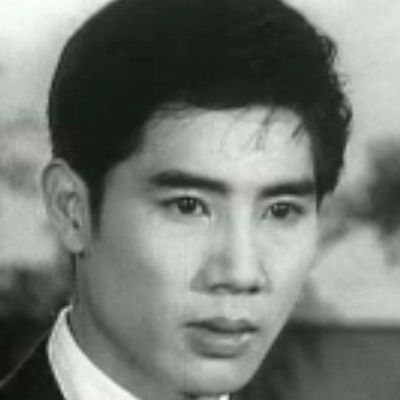
Hong Kong actor Paul Chu Kong was a popular romantic lead in Cantonese cinema in the 1960s, then became a TVB star in the 1970s, playing the noble swordsman Li Xunhuan in the series Siu Lei Fei Dou. Audiences outside Hong Kong know him above all for his role as Fung Sei, the old friend and go-between of the hitman, in John Woo's The Killer, a performance that earned him a Hong Kong Film Award nomination. In the mid-1990s he left the profession and, according to press reports, has lived in Canada out of the public eye for nearly three decades.
Hong Kong actor Paul Chu Kong was a popular romantic lead in Cantonese cinema in the 1960s, then became a TVB star in the 1970s, playing the noble swordsman Li Xunhuan in the series Siu Lei Fei Dou. Audiences outside Hong Kong know him above all for his role as Fung Sei, the old friend and go-between of the hitman, in John Woo's The Killer, a performance that earned him a Hong Kong Film Award nomination. In the mid-1990s he left the profession and, according to press reports, has lived in Canada out of the public eye for nearly three decades.
Hong Kong actor Paul Chu Kong was a popular romantic lead in Cantonese cinema in the 1960s, then became a TVB star in the 1970s, playing the noble swordsman Li Xunhuan in the series Siu Lei Fei Dou. Audiences outside Hong Kong know him above all for his role as Fung Sei, the old friend and go-between of the hitman, in John Woo's The Killer, a performance that earned him a Hong Kong Film Award nomination. In the mid-1990s he left the profession and, according to press reports, has lived in Canada out of the public eye for nearly three decades.

An actor with a striking, hard-edged face, Pai Ying earned his place in cinema history as the villainous eunuch Cao Shaoqin in King Hu's Dragon Gate Inn, one of the cornerstones of the wuxia genre. With the same director he played a general posing as a blind fortune-teller in A Touch of Zen, and later won a Golden Horse for his supporting role in Dynasty. Over half a century in film he appeared in more than a hundred Taiwanese and Hong Kong productions, most often as a dangerous adversary to the hero.
An actor with a striking, hard-edged face, Pai Ying earned his place in cinema history as the villainous eunuch Cao Shaoqin in King Hu's Dragon Gate Inn, one of the cornerstones of the wuxia genre. With the same director he played a general posing as a blind fortune-teller in A Touch of Zen, and later won a Golden Horse for his supporting role in Dynasty. Over half a century in film he appeared in more than a hundred Taiwanese and Hong Kong productions, most often as a dangerous adversary to the hero.
An actor with a striking, hard-edged face, Pai Ying earned his place in cinema history as the villainous eunuch Cao Shaoqin in King Hu's Dragon Gate Inn, one of the cornerstones of the wuxia genre. With the same director he played a general posing as a blind fortune-teller in A Touch of Zen, and later won a Golden Horse for his supporting role in Dynasty. Over half a century in film he appeared in more than a hundred Taiwanese and Hong Kong productions, most often as a dangerous adversary to the hero.

An actress of Korean and Chinese descent, Pauline Wong Yuk-Wan played so many vampires, witches and other supernatural creatures in the 1980s that the Hong Kong press nicknamed her the "Queen of jiangshi films" and the "Queen of Ghosts." Her best-known role is the female vampire in Mr. Vampire Part 2, and she also appeared in films by Sammo Hung Kam-Bo and Jackie Chan. After leaving cinema in the early 1990s, she built a second, no less remarkable career — in insurance, where she rose to one of the highest positions in her company.
An actress of Korean and Chinese descent, Pauline Wong Yuk-Wan played so many vampires, witches and other supernatural creatures in the 1980s that the Hong Kong press nicknamed her the "Queen of jiangshi films" and the "Queen of Ghosts." Her best-known role is the female vampire in Mr. Vampire Part 2, and she also appeared in films by Sammo Hung Kam-Bo and Jackie Chan. After leaving cinema in the early 1990s, she built a second, no less remarkable career — in insurance, where she rose to one of the highest positions in her company.
An actress of Korean and Chinese descent, Pauline Wong Yuk-Wan played so many vampires, witches and other supernatural creatures in the 1980s that the Hong Kong press nicknamed her the "Queen of jiangshi films" and the "Queen of Ghosts." Her best-known role is the female vampire in Mr. Vampire Part 2, and she also appeared in films by Sammo Hung Kam-Bo and Jackie Chan. After leaving cinema in the early 1990s, she built a second, no less remarkable career — in insurance, where she rose to one of the highest positions in her company.
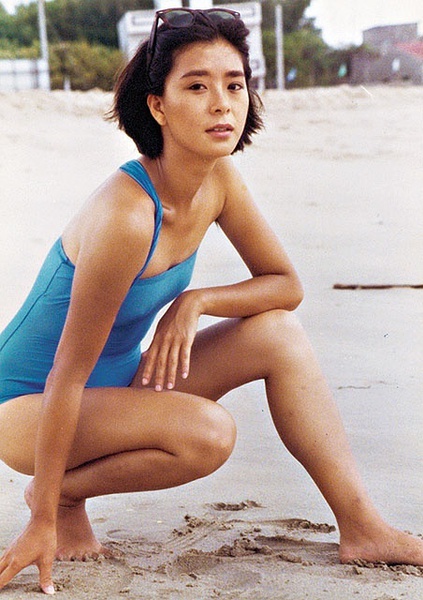
A star of the Hong Kong New Wave, Pat Ha made her debut in Patrick Tam Kar-Ming's Nomad (1982) and soon rose to fame as a sex symbol of early 1980s Hong Kong cinema. Her finest work is considered to be the poetess Yu Xuanji in An Amorous Woman of Tang Dynasty (1984) and her role in My Name Ain't Suzie (1985), which earned her a Hong Kong Film Award nomination for Best Actress. At the turn of the 1990s she left cinema and moved to the United States, and in recent years she has returned to the screen.
A star of the Hong Kong New Wave, Pat Ha made her debut in Patrick Tam Kar-Ming's Nomad (1982) and soon rose to fame as a sex symbol of early 1980s Hong Kong cinema. Her finest work is considered to be the poetess Yu Xuanji in An Amorous Woman of Tang Dynasty (1984) and her role in My Name Ain't Suzie (1985), which earned her a Hong Kong Film Award nomination for Best Actress. At the turn of the 1990s she left cinema and moved to the United States, and in recent years she has returned to the screen.
A star of the Hong Kong New Wave, Pat Ha made her debut in Patrick Tam Kar-Ming's Nomad (1982) and soon rose to fame as a sex symbol of early 1980s Hong Kong cinema. Her finest work is considered to be the poetess Yu Xuanji in An Amorous Woman of Tang Dynasty (1984) and her role in My Name Ain't Suzie (1985), which earned her a Hong Kong Film Award nomination for Best Actress. At the turn of the 1990s she left cinema and moved to the United States, and in recent years she has returned to the screen.

A second-generation Wing Chun master from Ip Man, Philip Ng spent years in Hong Kong cinema as a stuntman, fight choreographer and villain actor before playing Bruce Lee in the 2016 American film Birth of the Dragon. He found true fame with the role of the invincible killer Wong Jiu in Soi Cheang's action film Twilight of the Warriors: Walled In, for which he was nominated for a Hong Kong Film Award and an Asian Film Award.
A second-generation Wing Chun master from Ip Man, Philip Ng spent years in Hong Kong cinema as a stuntman, fight choreographer and villain actor before playing Bruce Lee in the 2016 American film Birth of the Dragon. He found true fame with the role of the invincible killer Wong Jiu in Soi Cheang's action film Twilight of the Warriors: Walled In, for which he was nominated for a Hong Kong Film Award and an Asian Film Award.
A second-generation Wing Chun master from Ip Man, Philip Ng spent years in Hong Kong cinema as a stuntman, fight choreographer and villain actor before playing Bruce Lee in the 2016 American film Birth of the Dragon. He found true fame with the role of the invincible killer Wong Jiu in Soi Cheang's action film Twilight of the Warriors: Walled In, for which he was nominated for a Hong Kong Film Award and an Asian Film Award.
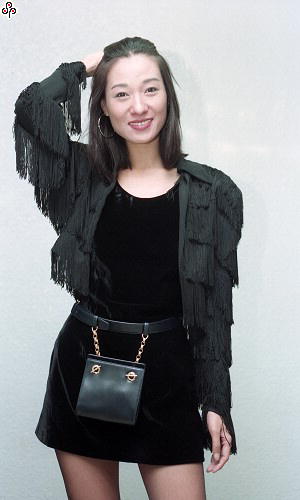
A former model, Pauline Wong managed to become one of the most memorable actresses of 1980s Hong Kong cinema in just ten years on screen. Audiences remember her above all as Jade, the beautiful ghost from the cult horror comedy Mr. Vampire (1985), and only two years after entering films she won a Hong Kong Film Award for Best Actress for her role in the melodrama Love with the Perfect Stranger (1985). The Taiwanese press still ranks her alongside Joey Wong as one of the "most beautiful ghosts" of the Hong Kong screen. She should not be confused with her namesake, the actress Pauline Wong ...
A former model, Pauline Wong managed to become one of the most memorable actresses of 1980s Hong Kong cinema in just ten years on screen. Audiences remember her above all as Jade, the beautiful ghost from the cult horror comedy Mr. Vampire (1985), and only two years after entering films she won a Hong Kong Film Award for Best Actress for her role in the melodrama Love with the Perfect Stranger (1985). The Taiwanese press still ranks her alongside Joey Wong as one of the "most beautiful ghosts" of the Hong Kong screen. She should not be confused with her namesake, the actress Pauline Wong ...
A former model, Pauline Wong managed to become one of the most memorable actresses of 1980s Hong Kong cinema in just ten years on screen. Audiences remember her above all as Jade, the beautiful ghost from the cult horror comedy Mr. Vampire (1985), and only two years after entering films she won a Hong Kong Film Award for Best Actress for her role in the melodrama Love with the Perfect Stranger (1985). The Taiwanese press still ranks her alongside Joey Wong as one of the "most beautiful ghosts" of the Hong Kong screen. She should not be confused with her namesake, the actress Pauline Wong ...

A former police inspector who entered the film industry at thirty, Phillip Chan became one of the most recognizable faces of Hong Kong cinema in the 1980s and 1990s. Across a hundred films he played just about every possible police chief — from Inspector Chan in the Pom Pom comedy series to Superintendent Pang in John Woo's actioner Hard Boiled (1992) and Captain Chen in the Hollywood action film Bloodsport (1988) with Jean-Claude Van Damme. Along the way he wrote screenplays, directed films, ran record and film companies, and hosted Hong Kong's biggest television ceremonies.
A former police inspector who entered the film industry at thirty, Phillip Chan became one of the most recognizable faces of Hong Kong cinema in the 1980s and 1990s. Across a hundred films he played just about every possible police chief — from Inspector Chan in the Pom Pom comedy series to Superintendent Pang in John Woo's actioner Hard Boiled (1992) and Captain Chen in the Hollywood action film Bloodsport (1988) with Jean-Claude Van Damme. Along the way he wrote screenplays, directed films, ran record and film companies, and hosted Hong Kong's biggest television ceremonies.
A former police inspector who entered the film industry at thirty, Phillip Chan became one of the most recognizable faces of Hong Kong cinema in the 1980s and 1990s. Across a hundred films he played just about every possible police chief — from Inspector Chan in the Pom Pom comedy series to Superintendent Pang in John Woo's actioner Hard Boiled (1992) and Captain Chen in the Hollywood action film Bloodsport (1988) with Jean-Claude Van Damme. Along the way he wrote screenplays, directed films, ran record and film companies, and hosted Hong Kong's biggest television ceremonies.

A Taiwanese opera troupe acrobat who became one of Chang Cheh's famous "venoms," Phillip Kwok, better known by his screen name Kuo Chui, is one of the legends of Shaw Brothers kung fu cinema. Audiences remember him as the wall-scaling Lizard in The Five Venoms and as Mad Dog — a villain with his own code of honor — in John Woo's Hard Boiled. No less important is his second profession: as an action choreographer he won a Hong Kong Film Award for Nepal Affair, worked on A Chinese Ghost Story and The Bride with White Hair, and later worked in the West too — on a James Bond film and a French ...
A Taiwanese opera troupe acrobat who became one of Chang Cheh's famous "venoms," Phillip Kwok, better known by his screen name Kuo Chui, is one of the legends of Shaw Brothers kung fu cinema. Audiences remember him as the wall-scaling Lizard in The Five Venoms and as Mad Dog — a villain with his own code of honor — in John Woo's Hard Boiled. No less important is his second profession: as an action choreographer he won a Hong Kong Film Award for Nepal Affair, worked on A Chinese Ghost Story and The Bride with White Hair, and later worked in the West too — on a James Bond film and a French ...
A Taiwanese opera troupe acrobat who became one of Chang Cheh's famous "venoms," Phillip Kwok, better known by his screen name Kuo Chui, is one of the legends of Shaw Brothers kung fu cinema. Audiences remember him as the wall-scaling Lizard in The Five Venoms and as Mad Dog — a villain with his own code of honor — in John Woo's Hard Boiled. No less important is his second profession: as an action choreographer he won a Hong Kong Film Award for Nepal Affair, worked on A Chinese Ghost Story and The Bride with White Hair, and later worked in the West too — on a James Bond film and a French ...

A striking character actor of contemporary Hong Kong cinema, Philip Keung is a living example of how late recognition can arrive in Hong Kong. An orphan raised in a dormitory for poor teenagers, he started out as an extra playing prisoners in police stations, spent twenty years working at the ATV television channel and in cheap Category III films, and was truly discovered as an actor by Dante Lam and Johnnie To when he was already over forty. Since then he has had an HKFA Best Supporting Actor award, a Best Actor nomination for the transgender drama Tracey, and dozens of roles as ...
A striking character actor of contemporary Hong Kong cinema, Philip Keung is a living example of how late recognition can arrive in Hong Kong. An orphan raised in a dormitory for poor teenagers, he started out as an extra playing prisoners in police stations, spent twenty years working at the ATV television channel and in cheap Category III films, and was truly discovered as an actor by Dante Lam and Johnnie To when he was already over forty. Since then he has had an HKFA Best Supporting Actor award, a Best Actor nomination for the transgender drama Tracey, and dozens of roles as ...
A striking character actor of contemporary Hong Kong cinema, Philip Keung is a living example of how late recognition can arrive in Hong Kong. An orphan raised in a dormitory for poor teenagers, he started out as an extra playing prisoners in police stations, spent twenty years working at the ATV television channel and in cheap Category III films, and was truly discovered as an actor by Dante Lam and Johnnie To when he was already over forty. Since then he has had an HKFA Best Supporting Actor award, a Best Actor nomination for the transgender drama Tracey, and dozens of roles as ...

Critics called Pan Hong "the last aristocrat of Chinese cinema" — after the title of Xie Jin's film in which she starred, but above all for her restrained, intellectual manner. Three times she won the Golden Rooster for Best Actress — for At Middle Age, The Well and Shanghai Fever — played the last empress Wanrong and Puyi's last wife, and in her mature years became one of Chinese television's foremost "mothers and mothers-in-law." After a seventeen-year hiatus she returned to the stage, and in 2025 she appeared in the Shanghainese-dialect film Shanghai Wonton.
Critics called Pan Hong "the last aristocrat of Chinese cinema" — after the title of Xie Jin's film in which she starred, but above all for her restrained, intellectual manner. Three times she won the Golden Rooster for Best Actress — for At Middle Age, The Well and Shanghai Fever — played the last empress Wanrong and Puyi's last wife, and in her mature years became one of Chinese television's foremost "mothers and mothers-in-law." After a seventeen-year hiatus she returned to the stage, and in 2025 she appeared in the Shanghainese-dialect film Shanghai Wonton.
Critics called Pan Hong "the last aristocrat of Chinese cinema" — after the title of Xie Jin's film in which she starred, but above all for her restrained, intellectual manner. Three times she won the Golden Rooster for Best Actress — for At Middle Age, The Well and Shanghai Fever — played the last empress Wanrong and Puyi's last wife, and in her mature years became one of Chinese television's foremost "mothers and mothers-in-law." After a seventeen-year hiatus she returned to the stage, and in 2025 she appeared in the Shanghainese-dialect film Shanghai Wonton.

A star of Cantonese cinema in the 1950s and 1960s, nicknamed "the Prince of Cinema," Patrick Tse appeared in more than two hundred films and TV series over seven decades, directed his own melodramas, and became a favourite of TVB viewers. New generations remember him for his villainous role in Shaolin Soccer, and at the age of 85 he won the Hong Kong Film Award for Best Actor for Time, becoming the oldest winner in that category.
A star of Cantonese cinema in the 1950s and 1960s, nicknamed "the Prince of Cinema," Patrick Tse appeared in more than two hundred films and TV series over seven decades, directed his own melodramas, and became a favourite of TVB viewers. New generations remember him for his villainous role in Shaolin Soccer, and at the age of 85 he won the Hong Kong Film Award for Best Actor for Time, becoming the oldest winner in that category.
A star of Cantonese cinema in the 1950s and 1960s, nicknamed "the Prince of Cinema," Patrick Tse appeared in more than two hundred films and TV series over seven decades, directed his own melodramas, and became a favourite of TVB viewers. New generations remember him for his villainous role in Shaolin Soccer, and at the age of 85 he won the Hong Kong Film Award for Best Actor for Time, becoming the oldest winner in that category.


