


Biographies

Jelly Lin became known before anyone had even seen her on screen. Stephen Chow announced an open casting call for the lead role in The Mermaid, and out of 120,000 hopefuls he chose an eighteen-year-old girl from Huzhou. Her Shan, who ventures onto land to kill a property developer and falls in love with him instead, earned the newcomer her first awards. For several years Lin appeared mainly in fairy tales and romantic comedies, but after the series Imperfect Victim aired, audiences began talking about her performance for a very different reason. Her character tries to speak out about ...
Jelly Lin became known before anyone had even seen her on screen. Stephen Chow announced an open casting call for the lead role in The Mermaid, and out of 120,000 hopefuls he chose an eighteen-year-old girl from Huzhou. Her Shan, who ventures onto land to kill a property developer and falls in love with him instead, earned the newcomer her first awards. For several years Lin appeared mainly in fairy tales and romantic comedies, but after the series Imperfect Victim aired, audiences began talking about her performance for a very different reason. Her character tries to speak out about ...
Jelly Lin became known before anyone had even seen her on screen. Stephen Chow announced an open casting call for the lead role in The Mermaid, and out of 120,000 hopefuls he chose an eighteen-year-old girl from Huzhou. Her Shan, who ventures onto land to kill a property developer and falls in love with him instead, earned the newcomer her first awards. For several years Lin appeared mainly in fairy tales and romantic comedies, but after the series Imperfect Victim aired, audiences began talking about her performance for a very different reason. Her character tries to speak out about ...

Janice Man started working as a model while still in school, and her first notable roles came in Hong Kong cinema. Her performances as a silent assassin in Helios and as a young lawyer in Cold War 2 earned her Hong Kong Film Award nominations two years running. When Man began working on the mainland, she had to relearn how to speak in front of the camera. The hardest lesson came with the spy series The Message, where her character could stay silent for an entire scene and then talk nonstop for five minutes. A few years later, Man played a woman who passes herself off as the missing wife ...
Janice Man started working as a model while still in school, and her first notable roles came in Hong Kong cinema. Her performances as a silent assassin in Helios and as a young lawyer in Cold War 2 earned her Hong Kong Film Award nominations two years running. When Man began working on the mainland, she had to relearn how to speak in front of the camera. The hardest lesson came with the spy series The Message, where her character could stay silent for an entire scene and then talk nonstop for five minutes. A few years later, Man played a woman who passes herself off as the missing wife ...
Janice Man started working as a model while still in school, and her first notable roles came in Hong Kong cinema. Her performances as a silent assassin in Helios and as a young lawyer in Cold War 2 earned her Hong Kong Film Award nominations two years running. When Man began working on the mainland, she had to relearn how to speak in front of the camera. The hardest lesson came with the spy series The Message, where her character could stay silent for an entire scene and then talk nonstop for five minutes. A few years later, Man played a woman who passes herself off as the missing wife ...

Johnny Huang has played so many soldiers and cops that the Chinese press jokingly calls him an actor who serves his tour of duty on set. It all began with Gu Shun, the cocky sniper in Operation Red Sea. Huang played him at twenty-four and won the Asian Film Awards prize for best newcomer for the role. And in Han Han's Pegasus, he landed the part of a young racer whom Shen Teng's character tries to beat on the track. When Huang came to watch the Chinese Grand Prix in Shanghai, the grandstand called out to him by his character's name.
Johnny Huang has played so many soldiers and cops that the Chinese press jokingly calls him an actor who serves his tour of duty on set. It all began with Gu Shun, the cocky sniper in Operation Red Sea. Huang played him at twenty-four and won the Asian Film Awards prize for best newcomer for the role. And in Han Han's Pegasus, he landed the part of a young racer whom Shen Teng's character tries to beat on the track. When Huang came to watch the Chinese Grand Prix in Shanghai, the grandstand called out to him by his character's name.
Johnny Huang has played so many soldiers and cops that the Chinese press jokingly calls him an actor who serves his tour of duty on set. It all began with Gu Shun, the cocky sniper in Operation Red Sea. Huang played him at twenty-four and won the Asian Film Awards prize for best newcomer for the role. And in Han Han's Pegasus, he landed the part of a young racer whom Shen Teng's character tries to beat on the track. When Huang came to watch the Chinese Grand Prix in Shanghai, the grandstand called out to him by his character's name.

Jia Bing came to cinema already a well-known stage comedian. He served in the army for eight years, performing in an ensemble. After his service he ran a troupe in Zhejiang and won two television competitions. In Lost in Russia he was cast as a talkative conductor on the train to Moscow, and in Punch Out as a hot-tempered nightclub owner backed by a local criminal gang. His role as Xu Jiang became one of the most talked-about in the series. Two years later Jia directed his own feature-length comedy, Fake Dad, which he shot in his native Shenyang.
Jia Bing came to cinema already a well-known stage comedian. He served in the army for eight years, performing in an ensemble. After his service he ran a troupe in Zhejiang and won two television competitions. In Lost in Russia he was cast as a talkative conductor on the train to Moscow, and in Punch Out as a hot-tempered nightclub owner backed by a local criminal gang. His role as Xu Jiang became one of the most talked-about in the series. Two years later Jia directed his own feature-length comedy, Fake Dad, which he shot in his native Shenyang.
Jia Bing came to cinema already a well-known stage comedian. He served in the army for eight years, performing in an ensemble. After his service he ran a troupe in Zhejiang and won two television competitions. In Lost in Russia he was cast as a talkative conductor on the train to Moscow, and in Punch Out as a hot-tempered nightclub owner backed by a local criminal gang. His role as Xu Jiang became one of the most talked-about in the series. Two years later Jia directed his own feature-length comedy, Fake Dad, which he shot in his native Shenyang.

Julie Yeh Feng had a low, slightly husky voice that sounded equally good in speech and in song. The "Mysterious Stranger" she sings on the nightclub stage in The Iron Fist was later reissued on compilations of Hong Kong pop. At MP & GI, Yeh was readily given roles of women accustomed to attention and used to choosing for themselves whom to be with. In the wartime diptych Sun, Moon and Star (Part 1) and Sun, Moon and Star (Part 2), she played a student who draws the hero into the resistance movement and goes off to the front. At Shaw Brothers she was given the parts of a headstrong ...
Julie Yeh Feng had a low, slightly husky voice that sounded equally good in speech and in song. The "Mysterious Stranger" she sings on the nightclub stage in The Iron Fist was later reissued on compilations of Hong Kong pop. At MP & GI, Yeh was readily given roles of women accustomed to attention and used to choosing for themselves whom to be with. In the wartime diptych Sun, Moon and Star (Part 1) and Sun, Moon and Star (Part 2), she played a student who draws the hero into the resistance movement and goes off to the front. At Shaw Brothers she was given the parts of a headstrong ...
Julie Yeh Feng had a low, slightly husky voice that sounded equally good in speech and in song. The "Mysterious Stranger" she sings on the nightclub stage in The Iron Fist was later reissued on compilations of Hong Kong pop. At MP & GI, Yeh was readily given roles of women accustomed to attention and used to choosing for themselves whom to be with. In the wartime diptych Sun, Moon and Star (Part 1) and Sun, Moon and Star (Part 2), she played a student who draws the hero into the resistance movement and goes off to the front. At Shaw Brothers she was given the parts of a headstrong ...

Joseph Kuo started out painting posters for movie theaters in Kaohsiung, and his first big success came with a musical picture in Taiwanese. Beyond the island, he became known for very different films. In The 18 Bronzemen he turned the Shaolin novices' graduation test into the film's main spectacle, while in The Mystery of Chess Boxing he had an impatient student master kung fu over a chessboard. Kuo wrote his own scripts, directed the films and handled the distribution deals. He shot mostly in Taiwan, ran his business from Hong Kong, and sold his films far beyond Asia.
Joseph Kuo started out painting posters for movie theaters in Kaohsiung, and his first big success came with a musical picture in Taiwanese. Beyond the island, he became known for very different films. In The 18 Bronzemen he turned the Shaolin novices' graduation test into the film's main spectacle, while in The Mystery of Chess Boxing he had an impatient student master kung fu over a chessboard. Kuo wrote his own scripts, directed the films and handled the distribution deals. He shot mostly in Taiwan, ran his business from Hong Kong, and sold his films far beyond Asia.
Joseph Kuo started out painting posters for movie theaters in Kaohsiung, and his first big success came with a musical picture in Taiwanese. Beyond the island, he became known for very different films. In The 18 Bronzemen he turned the Shaolin novices' graduation test into the film's main spectacle, while in The Mystery of Chess Boxing he had an impatient student master kung fu over a chessboard. Kuo wrote his own scripts, directed the films and handled the distribution deals. He shot mostly in Taiwan, ran his business from Hong Kong, and sold his films far beyond Asia.

Before her first roles in Hong Kong cinema, Jolie Fan worked as a model and reported for Tencent from the FIFA World Cup in Brazil. Wong Jing cast her as a croupier in the comedy From Vegas to Macau 2 and invited her to join The Gigolo, where she played the protagonist's first love. In the same years, Fan recorded a theme song for a mobile game and appeared in the mainland film Network Anchor. This picture, about a girl trying to build a career through internet live streams, brought in several hosts already familiar to viewers from their broadcasts.
Before her first roles in Hong Kong cinema, Jolie Fan worked as a model and reported for Tencent from the FIFA World Cup in Brazil. Wong Jing cast her as a croupier in the comedy From Vegas to Macau 2 and invited her to join The Gigolo, where she played the protagonist's first love. In the same years, Fan recorded a theme song for a mobile game and appeared in the mainland film Network Anchor. This picture, about a girl trying to build a career through internet live streams, brought in several hosts already familiar to viewers from their broadcasts.
Before her first roles in Hong Kong cinema, Jolie Fan worked as a model and reported for Tencent from the FIFA World Cup in Brazil. Wong Jing cast her as a croupier in the comedy From Vegas to Macau 2 and invited her to join The Gigolo, where she played the protagonist's first love. In the same years, Fan recorded a theme song for a mobile game and appeared in the mainland film Network Anchor. This picture, about a girl trying to build a career through internet live streams, brought in several hosts already familiar to viewers from their broadcasts.

Jackson Lau is well known to fans of 1990s Hong Kong action films. In Fist of Legend he plays the Japanese master Akutagawa, whom Jet Li's character seeks out to learn how his teacher died, while in First Strike he is pursued across several countries by Jackie Chan's character. By that time Lau had already worked as a model in Europe and Asia and appeared in a Taiwanese TV series. After a long hiatus he returned to acting, met Chan again in Vanguard and once more played a man named Akutagawa.
Jackson Lau is well known to fans of 1990s Hong Kong action films. In Fist of Legend he plays the Japanese master Akutagawa, whom Jet Li's character seeks out to learn how his teacher died, while in First Strike he is pursued across several countries by Jackie Chan's character. By that time Lau had already worked as a model in Europe and Asia and appeared in a Taiwanese TV series. After a long hiatus he returned to acting, met Chan again in Vanguard and once more played a man named Akutagawa.
Jackson Lau is well known to fans of 1990s Hong Kong action films. In Fist of Legend he plays the Japanese master Akutagawa, whom Jet Li's character seeks out to learn how his teacher died, while in First Strike he is pursued across several countries by Jackie Chan's character. By that time Lau had already worked as a model in Europe and Asia and appeared in a Taiwanese TV series. After a long hiatus he returned to acting, met Chan again in Vanguard and once more played a man named Akutagawa.

Audiences still call John Ching "Da Juen," after the one-eyed gambler he played in God of Gamblers II. In comedies opposite Stephen Chow, he would deadpan his way through card games and the most absurd prank contraptions alike. In gangster films, Ching was most often cast as bosses and their henchmen, but in Dragon in Jail he played a man you can't help rooting for. When it became hard to make a living on acting fees in Hong Kong, Ching moved to Guangdong and eventually began directing films himself, gathering his old colleagues on set.
Audiences still call John Ching "Da Juen," after the one-eyed gambler he played in God of Gamblers II. In comedies opposite Stephen Chow, he would deadpan his way through card games and the most absurd prank contraptions alike. In gangster films, Ching was most often cast as bosses and their henchmen, but in Dragon in Jail he played a man you can't help rooting for. When it became hard to make a living on acting fees in Hong Kong, Ching moved to Guangdong and eventually began directing films himself, gathering his old colleagues on set.
Audiences still call John Ching "Da Juen," after the one-eyed gambler he played in God of Gamblers II. In comedies opposite Stephen Chow, he would deadpan his way through card games and the most absurd prank contraptions alike. In gangster films, Ching was most often cast as bosses and their henchmen, but in Dragon in Jail he played a man you can't help rooting for. When it became hard to make a living on acting fees in Hong Kong, Ching moved to Guangdong and eventually began directing films himself, gathering his old colleagues on set.

In Hong Kong, Jessica C first became known for her Canon commercials. She moved from modelling into film, playing an athlete in Beach Spike, and then landed action roles in which she tried to do as many of her own stunts as possible. In Zombie Fight Club, her co-star was Andy On. They later married, and after the birth of two children Jessica began appearing on screen far less often.
In Hong Kong, Jessica C first became known for her Canon commercials. She moved from modelling into film, playing an athlete in Beach Spike, and then landed action roles in which she tried to do as many of her own stunts as possible. In Zombie Fight Club, her co-star was Andy On. They later married, and after the birth of two children Jessica began appearing on screen far less often.
In Hong Kong, Jessica C first became known for her Canon commercials. She moved from modelling into film, playing an athlete in Beach Spike, and then landed action roles in which she tried to do as many of her own stunts as possible. In Zombie Fight Club, her co-star was Andy On. They later married, and after the birth of two children Jessica began appearing on screen far less often.
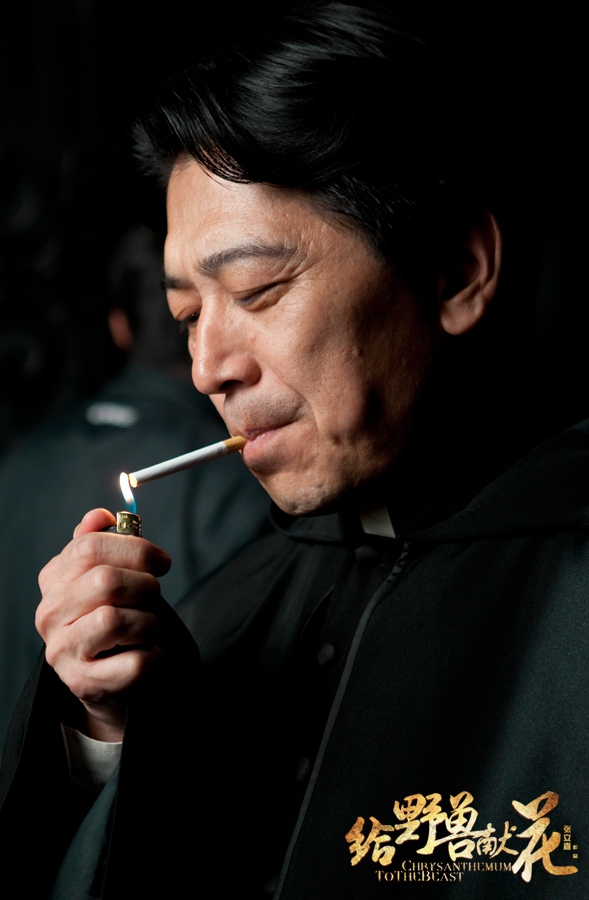
Jack Kao worked as a chef before Hou Hsiao-Hsien cast him in Daughter of the Nile and A City of Sadness. After Dust of Angels, audiences sometimes mistook him for a real gang boss, and for his work on Taiwanese television he won two Golden Bell Awards. While shooting Flowers of Shanghai, Kao also managed to cook for the crew, changing clothes before his scenes.
Jack Kao worked as a chef before Hou Hsiao-Hsien cast him in Daughter of the Nile and A City of Sadness. After Dust of Angels, audiences sometimes mistook him for a real gang boss, and for his work on Taiwanese television he won two Golden Bell Awards. While shooting Flowers of Shanghai, Kao also managed to cook for the crew, changing clothes before his scenes.
Jack Kao worked as a chef before Hou Hsiao-Hsien cast him in Daughter of the Nile and A City of Sadness. After Dust of Angels, audiences sometimes mistook him for a real gang boss, and for his work on Taiwanese television he won two Golden Bell Awards. While shooting Flowers of Shanghai, Kao also managed to cook for the crew, changing clothes before his scenes.
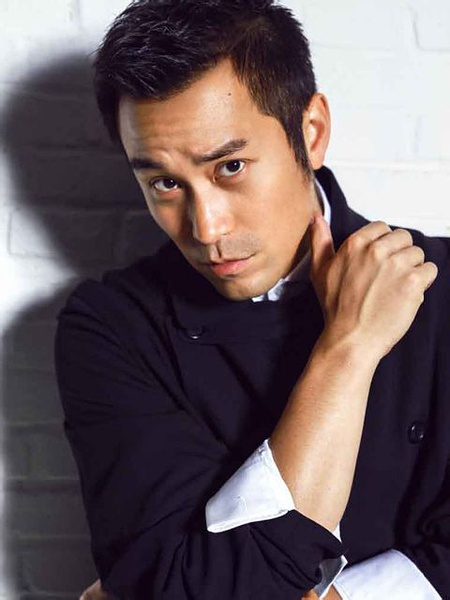
Joseph Chang began appearing in commercials as a teenager and, after completing his military service, planned to leave the profession. He returned for Eternal Summer, won a Taipei Film Festival award for Girlfriend, Boyfriend, and went on to work in both film and television. Discussing his later roles, Chang recalls what pushed him to change his approach on set: a director's remark, an unexpected pause, or lines he had to learn to deliver all over again.
Joseph Chang began appearing in commercials as a teenager and, after completing his military service, planned to leave the profession. He returned for Eternal Summer, won a Taipei Film Festival award for Girlfriend, Boyfriend, and went on to work in both film and television. Discussing his later roles, Chang recalls what pushed him to change his approach on set: a director's remark, an unexpected pause, or lines he had to learn to deliver all over again.
Joseph Chang began appearing in commercials as a teenager and, after completing his military service, planned to leave the profession. He returned for Eternal Summer, won a Taipei Film Festival award for Girlfriend, Boyfriend, and went on to work in both film and television. Discussing his later roles, Chang recalls what pushed him to change his approach on set: a director's remark, an unexpected pause, or lines he had to learn to deliver all over again.

Joey Yung's first contract ended when the record company closed. She returned to music and began recording in 1999, and her song "My Pride" won TVB's top song award. On screen she played a princess, and later a singer whose life is defined by success on stage. A song from Diva earned Yung and Mag Lam a Hong Kong Film Award nomination.
Joey Yung's first contract ended when the record company closed. She returned to music and began recording in 1999, and her song "My Pride" won TVB's top song award. On screen she played a princess, and later a singer whose life is defined by success on stage. A song from Diva earned Yung and Mag Lam a Hong Kong Film Award nomination.
Joey Yung's first contract ended when the record company closed. She returned to music and began recording in 1999, and her song "My Pride" won TVB's top song award. On screen she played a princess, and later a singer whose life is defined by success on stage. A song from Diva earned Yung and Mag Lam a Hong Kong Film Award nomination.

Janine Chang spent seven years juggling filming with a master's degree in law. In Taiwan she became known for The Hospital, while on the mainland she played Hailan in Ruyi's Royal Love in the Palace. With The Abandoned, Chang returned to Taiwanese cinema, playing a police officer grieving her husband's death and taking on producing work for the first time.
Janine Chang spent seven years juggling filming with a master's degree in law. In Taiwan she became known for The Hospital, while on the mainland she played Hailan in Ruyi's Royal Love in the Palace. With The Abandoned, Chang returned to Taiwanese cinema, playing a police officer grieving her husband's death and taking on producing work for the first time.
Janine Chang spent seven years juggling filming with a master's degree in law. In Taiwan she became known for The Hospital, while on the mainland she played Hailan in Ruyi's Royal Love in the Palace. With The Abandoned, Chang returned to Taiwanese cinema, playing a police officer grieving her husband's death and taking on producing work for the first time.

In Korea, James Nam Gung-Fan was called their own Elvis. In Hong Kong he appeared in Shaw Brothers action films of the early 1970s, and he returned to Korea already as a director. He met the singer Hyunmi, whom he had known back from performing for American troops, again on television several decades later.
In Korea, James Nam Gung-Fan was called their own Elvis. In Hong Kong he appeared in Shaw Brothers action films of the early 1970s, and he returned to Korea already as a director. He met the singer Hyunmi, whom he had known back from performing for American troops, again on television several decades later.
In Korea, James Nam Gung-Fan was called their own Elvis. In Hong Kong he appeared in Shaw Brothers action films of the early 1970s, and he returned to Korea already as a director. He met the singer Hyunmi, whom he had known back from performing for American troops, again on television several decades later.

Janel Tsai could walk a runway even in shoes that were hard to walk in, yet on her first shoots she spent a long time afraid of letting her colleagues down. She won her first Golden Bell on her fourth attempt, and the second for playing a rural surgeon in a series she herself helped get off the ground. By then, Tsai already knew what it was like to develop a project for years and wait for the money to come through.
Janel Tsai could walk a runway even in shoes that were hard to walk in, yet on her first shoots she spent a long time afraid of letting her colleagues down. She won her first Golden Bell on her fourth attempt, and the second for playing a rural surgeon in a series she herself helped get off the ground. By then, Tsai already knew what it was like to develop a project for years and wait for the money to come through.
Janel Tsai could walk a runway even in shoes that were hard to walk in, yet on her first shoots she spent a long time afraid of letting her colleagues down. She won her first Golden Bell on her fourth attempt, and the second for playing a rural surgeon in a series she herself helped get off the ground. By then, Tsai already knew what it was like to develop a project for years and wait for the money to come through.

Jane Wu's story is that of a Chinese action actress who set out to make it in Hollywood and even changed her name to do so. A tall, athletic girl from Liaoning, she started out in low-budget mainland action films, then moved to Los Angeles, appeared in bit parts in big American movies, and produced a short film about Jewish refugees in Shanghai that collected around twenty festival awards. Today she is back home on screen again — in online action films, where she lands roles as fighters, snipers and agents.
Jane Wu's story is that of a Chinese action actress who set out to make it in Hollywood and even changed her name to do so. A tall, athletic girl from Liaoning, she started out in low-budget mainland action films, then moved to Los Angeles, appeared in bit parts in big American movies, and produced a short film about Jewish refugees in Shanghai that collected around twenty festival awards. Today she is back home on screen again — in online action films, where she lands roles as fighters, snipers and agents.
Jane Wu's story is that of a Chinese action actress who set out to make it in Hollywood and even changed her name to do so. A tall, athletic girl from Liaoning, she started out in low-budget mainland action films, then moved to Los Angeles, appeared in bit parts in big American movies, and produced a short film about Jewish refugees in Shanghai that collected around twenty festival awards. Today she is back home on screen again — in online action films, where she lands roles as fighters, snipers and agents.

Jay Chou is the most successful singer and songwriter in Chinese pop music of the early 2000s and a record-holder at Taiwan's Golden Melody Awards, but cinema is far more than a mere appendage to his songs. His very first major role, as the street racer Takumi in Initial D (2005), earned him Best Newcomer awards from both the Golden Horse Awards and the Hong Kong Film Awards; he has appeared in films by Zhang Yi-Mou and in Hollywood, and as a director he made the romantic drama Secret (2007), which became one of the most popular Taiwanese films of that year.
Jay Chou is the most successful singer and songwriter in Chinese pop music of the early 2000s and a record-holder at Taiwan's Golden Melody Awards, but cinema is far more than a mere appendage to his songs. His very first major role, as the street racer Takumi in Initial D (2005), earned him Best Newcomer awards from both the Golden Horse Awards and the Hong Kong Film Awards; he has appeared in films by Zhang Yi-Mou and in Hollywood, and as a director he made the romantic drama Secret (2007), which became one of the most popular Taiwanese films of that year.
Jay Chou is the most successful singer and songwriter in Chinese pop music of the early 2000s and a record-holder at Taiwan's Golden Melody Awards, but cinema is far more than a mere appendage to his songs. His very first major role, as the street racer Takumi in Initial D (2005), earned him Best Newcomer awards from both the Golden Horse Awards and the Hong Kong Film Awards; he has appeared in films by Zhang Yi-Mou and in Hollywood, and as a director he made the romantic drama Secret (2007), which became one of the most popular Taiwanese films of that year.

Lyricist, composer, advertising man, TV host, writer and actor, James Wong wrote the lyrics to more than two thousand songs. His words set to Joseph Koo's music for TVB series – The Bund, Below the Lion Rock – became classics of Cantonese song, while his songs for A Chinese Ghost Story, Swordsman and Once Upon a Time in China earned him several Hong Kong Film Awards and Golden Horse prizes. Along with Jin Yong, Ni Kuang and Chua Lam, he was hailed as one of the "Four Talents of Hong Kong."
Lyricist, composer, advertising man, TV host, writer and actor, James Wong wrote the lyrics to more than two thousand songs. His words set to Joseph Koo's music for TVB series – The Bund, Below the Lion Rock – became classics of Cantonese song, while his songs for A Chinese Ghost Story, Swordsman and Once Upon a Time in China earned him several Hong Kong Film Awards and Golden Horse prizes. Along with Jin Yong, Ni Kuang and Chua Lam, he was hailed as one of the "Four Talents of Hong Kong."
Lyricist, composer, advertising man, TV host, writer and actor, James Wong wrote the lyrics to more than two thousand songs. His words set to Joseph Koo's music for TVB series – The Bund, Below the Lion Rock – became classics of Cantonese song, while his songs for A Chinese Ghost Story, Swordsman and Once Upon a Time in China earned him several Hong Kong Film Awards and Golden Horse prizes. Along with Jin Yong, Ni Kuang and Chua Lam, he was hailed as one of the "Four Talents of Hong Kong."

The name James Tin Chuen is familiar to every fan of Bruce Lee Siu-Lung: he played the hero's cousin in The Big Boss and one of the students of the Jingwu school in Fist of Fury. Yet his career is far from limited to that. Tin started out as a star of early Golden Harvest films, and then for two decades became one of the most recognizable villains and character actors of Hong Kong cinema. He appeared in films by John Woo and Lo Wei, in the first directorial efforts of Jackie Chan and Sammo Hung Kam-Bo, and in the 1980s became a regular fixture of the Lucky Stars comedies.
The name James Tin Chuen is familiar to every fan of Bruce Lee Siu-Lung: he played the hero's cousin in The Big Boss and one of the students of the Jingwu school in Fist of Fury. Yet his career is far from limited to that. Tin started out as a star of early Golden Harvest films, and then for two decades became one of the most recognizable villains and character actors of Hong Kong cinema. He appeared in films by John Woo and Lo Wei, in the first directorial efforts of Jackie Chan and Sammo Hung Kam-Bo, and in the 1980s became a regular fixture of the Lucky Stars comedies.
The name James Tin Chuen is familiar to every fan of Bruce Lee Siu-Lung: he played the hero's cousin in The Big Boss and one of the students of the Jingwu school in Fist of Fury. Yet his career is far from limited to that. Tin started out as a star of early Golden Harvest films, and then for two decades became one of the most recognizable villains and character actors of Hong Kong cinema. He appeared in films by John Woo and Lo Wei, in the first directorial efforts of Jackie Chan and Sammo Hung Kam-Bo, and in the 1980s became a regular fixture of the Lucky Stars comedies.

A Category III Hong Kong actress of the early 1990s, Julie Lee appeared in the true-crime thrillers Dr. Lamb and The Untold Story, as well as the historical drama A Chinese Torture Chamber Story. In 1995 she directed and starred in the erotic thriller Trilogy of Lust, after which she retired from film.
A Category III Hong Kong actress of the early 1990s, Julie Lee appeared in the true-crime thrillers Dr. Lamb and The Untold Story, as well as the historical drama A Chinese Torture Chamber Story. In 1995 she directed and starred in the erotic thriller Trilogy of Lust, after which she retired from film.
A Category III Hong Kong actress of the early 1990s, Julie Lee appeared in the true-crime thrillers Dr. Lamb and The Untold Story, as well as the historical drama A Chinese Torture Chamber Story. In 1995 she directed and starred in the erotic thriller Trilogy of Lust, after which she retired from film.

The only son of Jackie Chan and Taiwanese actress Joan Lin, Jaycee Chan began in the mid-2000s as a pop singer and young actor in Hong Kong cinema, then became a sought-after leading man in mainland China — in films such as Mulan, Break Up Club and Lee's Adventure. His career was cut short by his arrest in a 2014 drug case; after his release he acted only rarely, and in 2021 he made his directorial debut.
The only son of Jackie Chan and Taiwanese actress Joan Lin, Jaycee Chan began in the mid-2000s as a pop singer and young actor in Hong Kong cinema, then became a sought-after leading man in mainland China — in films such as Mulan, Break Up Club and Lee's Adventure. His career was cut short by his arrest in a 2014 drug case; after his release he acted only rarely, and in 2021 he made his directorial debut.
The only son of Jackie Chan and Taiwanese actress Joan Lin, Jaycee Chan began in the mid-2000s as a pop singer and young actor in Hong Kong cinema, then became a sought-after leading man in mainland China — in films such as Mulan, Break Up Club and Lee's Adventure. His career was cut short by his arrest in a 2014 drug case; after his release he acted only rarely, and in 2021 he made his directorial debut.

A 1990s ATV television star, Joey Man rose to fame as the vampire hunter Ma Siu-Ling in the series My Date with a Vampire, and before that played Yumi in the television version of Fist of Fury with Donnie Yen. On the big screen she appeared in The Bride with White Hair 2, Century of the Dragon and Dial D for Demons, and in the 2010s she moved to TVB.
A 1990s ATV television star, Joey Man rose to fame as the vampire hunter Ma Siu-Ling in the series My Date with a Vampire, and before that played Yumi in the television version of Fist of Fury with Donnie Yen. On the big screen she appeared in The Bride with White Hair 2, Century of the Dragon and Dial D for Demons, and in the 2010s she moved to TVB.
A 1990s ATV television star, Joey Man rose to fame as the vampire hunter Ma Siu-Ling in the series My Date with a Vampire, and before that played Yumi in the television version of Fist of Fury with Donnie Yen. On the big screen she appeared in The Bride with White Hair 2, Century of the Dragon and Dial D for Demons, and in the 2010s she moved to TVB.

Nicknamed "the great lungs of the stage," Jenny Tseng was one of the biggest stars of Chinese pop music in the 1970s and 1980s — her songs for TVB series, above all for The Legend of the Condor Heroes, are known both in Hong Kong and mainland China. On screen she appeared in Taiwan, at the Shaw Brothers studio, where she met her future husband Alexander Fu Sheng, and in Hong Kong films of the 1980s, and later served as producer on the Taiwanese drama The Dull-Ice Flower.
Nicknamed "the great lungs of the stage," Jenny Tseng was one of the biggest stars of Chinese pop music in the 1970s and 1980s — her songs for TVB series, above all for The Legend of the Condor Heroes, are known both in Hong Kong and mainland China. On screen she appeared in Taiwan, at the Shaw Brothers studio, where she met her future husband Alexander Fu Sheng, and in Hong Kong films of the 1980s, and later served as producer on the Taiwanese drama The Dull-Ice Flower.
Nicknamed "the great lungs of the stage," Jenny Tseng was one of the biggest stars of Chinese pop music in the 1970s and 1980s — her songs for TVB series, above all for The Legend of the Condor Heroes, are known both in Hong Kong and mainland China. On screen she appeared in Taiwan, at the Shaw Brothers studio, where she met her future husband Alexander Fu Sheng, and in Hong Kong films of the 1980s, and later served as producer on the Taiwanese drama The Dull-Ice Flower.
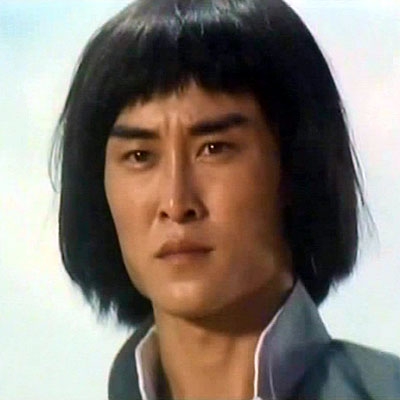
Actor and fight choreographer in Taiwanese and Hong Kong kung fu films of the 1970s and 1980s, Jack Lung is remembered by audiences for his roles as white-haired masters in Joseph Kuo's films. His key works are The 7 Grandmasters, in which he played an aging master who challenges the seven great schools, and the cult classic The Mystery of Chess Boxing.
Actor and fight choreographer in Taiwanese and Hong Kong kung fu films of the 1970s and 1980s, Jack Lung is remembered by audiences for his roles as white-haired masters in Joseph Kuo's films. His key works are The 7 Grandmasters, in which he played an aging master who challenges the seven great schools, and the cult classic The Mystery of Chess Boxing.
Actor and fight choreographer in Taiwanese and Hong Kong kung fu films of the 1970s and 1980s, Jack Lung is remembered by audiences for his roles as white-haired masters in Joseph Kuo's films. His key works are The 7 Grandmasters, in which he played an aging master who challenges the seven great schools, and the cult classic The Mystery of Chess Boxing.

A Shandong native, JJ Jia came to Hong Kong cinema from the modelling business and a TVB cooking show, and over ten years played around fifty supporting roles – in TVB series, comedies and Johnnie To's Don't Go Breaking My Heart and Life Without Principle. After marrying action star Fan Siu-Wong, she all but left the profession for the sake of her family, and in 2026 she returned to the public eye and spoke frankly about the price of that choice.
A Shandong native, JJ Jia came to Hong Kong cinema from the modelling business and a TVB cooking show, and over ten years played around fifty supporting roles – in TVB series, comedies and Johnnie To's Don't Go Breaking My Heart and Life Without Principle. After marrying action star Fan Siu-Wong, she all but left the profession for the sake of her family, and in 2026 she returned to the public eye and spoke frankly about the price of that choice.
A Shandong native, JJ Jia came to Hong Kong cinema from the modelling business and a TVB cooking show, and over ten years played around fifty supporting roles – in TVB series, comedies and Johnnie To's Don't Go Breaking My Heart and Life Without Principle. After marrying action star Fan Siu-Wong, she all but left the profession for the sake of her family, and in 2026 she returned to the public eye and spoke frankly about the price of that choice.

One of the queens of Taiwan's 1970s "literary melodrama," Joan Lin Feng-Chiao was a member of the star quartet known as the "Two Chins and Two Lins" and played more than seventy roles over a decade. The Golden Horse for Best Actress came to her for Lee Hang's The Story of a Small Town (1980). In 1982 she secretly married Jackie Chan and left cinema for good.
One of the queens of Taiwan's 1970s "literary melodrama," Joan Lin Feng-Chiao was a member of the star quartet known as the "Two Chins and Two Lins" and played more than seventy roles over a decade. The Golden Horse for Best Actress came to her for Lee Hang's The Story of a Small Town (1980). In 1982 she secretly married Jackie Chan and left cinema for good.
One of the queens of Taiwan's 1970s "literary melodrama," Joan Lin Feng-Chiao was a member of the star quartet known as the "Two Chins and Two Lins" and played more than seventy roles over a decade. The Golden Horse for Best Actress came to her for Lee Hang's The Story of a Small Town (1980). In 1982 she secretly married Jackie Chan and left cinema for good.

A former sewing machine operator who became a Shaw Brothers stuntman, Jason Pai has worked in Hong Kong film and television for more than half a century. For several generations of viewers he is above all Guo Jing – the first television performer of the role in Legend of the Condor Heroes and, according to the Hong Kong press, the only actor to have played Jin Yong's hero three times. At 74, he received a TVB award for his supporting role in Hong Kong Love Stories.
A former sewing machine operator who became a Shaw Brothers stuntman, Jason Pai has worked in Hong Kong film and television for more than half a century. For several generations of viewers he is above all Guo Jing – the first television performer of the role in Legend of the Condor Heroes and, according to the Hong Kong press, the only actor to have played Jin Yong's hero three times. At 74, he received a TVB award for his supporting role in Hong Kong Love Stories.
A former sewing machine operator who became a Shaw Brothers stuntman, Jason Pai has worked in Hong Kong film and television for more than half a century. For several generations of viewers he is above all Guo Jing – the first television performer of the role in Legend of the Condor Heroes and, according to the Hong Kong press, the only actor to have played Jin Yong's hero three times. At 74, he received a TVB award for his supporting role in Hong Kong Love Stories.

Taiwanese actress Jacklyn Ng shot to fame in 1990 with the role of Jojo in the Hong Kong melodrama A Moment of Romance, opposite Andy Lau, and within less than a decade became one of the most sought-after leading ladies of Hong Kong cinema. Among her finest work are Ang Lee's Eat Drink Man Woman, The Phantom Lover with Leslie Cheung, and Ann Hui's Eighteen Springs. After marrying in 2007, she all but retired from the profession.
Taiwanese actress Jacklyn Ng shot to fame in 1990 with the role of Jojo in the Hong Kong melodrama A Moment of Romance, opposite Andy Lau, and within less than a decade became one of the most sought-after leading ladies of Hong Kong cinema. Among her finest work are Ang Lee's Eat Drink Man Woman, The Phantom Lover with Leslie Cheung, and Ann Hui's Eighteen Springs. After marrying in 2007, she all but retired from the profession.
Taiwanese actress Jacklyn Ng shot to fame in 1990 with the role of Jojo in the Hong Kong melodrama A Moment of Romance, opposite Andy Lau, and within less than a decade became one of the most sought-after leading ladies of Hong Kong cinema. Among her finest work are Ang Lee's Eat Drink Man Woman, The Phantom Lover with Leslie Cheung, and Ann Hui's Eighteen Springs. After marrying in 2007, she all but retired from the profession.

A Chinese wushu champion and a graduate of a school attached to the Shaolin Monastery, Jiang Lu-Xia came to cinema as a stunt performer and stunt double, which earned her the nickname "the female Jackie Chan." For nearly ten years she played small roles in action films until Dante Lam cast her in the military action movie Operation Red Sea: the role of machine gunner Tong Li, the only woman in a naval special forces squad, brought her a Hundred Flowers Award and nominations for the Golden Rooster and the Hong Kong Film Award. In 2025, she returned to this heroine in Operation Leviathan.
A Chinese wushu champion and a graduate of a school attached to the Shaolin Monastery, Jiang Lu-Xia came to cinema as a stunt performer and stunt double, which earned her the nickname "the female Jackie Chan." For nearly ten years she played small roles in action films until Dante Lam cast her in the military action movie Operation Red Sea: the role of machine gunner Tong Li, the only woman in a naval special forces squad, brought her a Hundred Flowers Award and nominations for the Golden Rooster and the Hong Kong Film Award. In 2025, she returned to this heroine in Operation Leviathan.
A Chinese wushu champion and a graduate of a school attached to the Shaolin Monastery, Jiang Lu-Xia came to cinema as a stunt performer and stunt double, which earned her the nickname "the female Jackie Chan." For nearly ten years she played small roles in action films until Dante Lam cast her in the military action movie Operation Red Sea: the role of machine gunner Tong Li, the only woman in a naval special forces squad, brought her a Hundred Flowers Award and nominations for the Golden Rooster and the Hong Kong Film Award. In 2025, she returned to this heroine in Operation Leviathan.

Chinese actor and martial arts master Ji Chun-Hua spent nearly forty years playing villains: starting with the role of the Bald Eagle — the chief adversary of Jet Li's hero in Shaolin Temple — he became the most recognizable "bad guy" of Chinese kung fu cinema and wuxia series. His shaved head and heavy gaze were remembered by audiences from Red Sorghum, Fong Sai Yuk II and Three Kingdoms: Resurrection of the Dragon, while the press called him a "villain on a national scale."
Chinese actor and martial arts master Ji Chun-Hua spent nearly forty years playing villains: starting with the role of the Bald Eagle — the chief adversary of Jet Li's hero in Shaolin Temple — he became the most recognizable "bad guy" of Chinese kung fu cinema and wuxia series. His shaved head and heavy gaze were remembered by audiences from Red Sorghum, Fong Sai Yuk II and Three Kingdoms: Resurrection of the Dragon, while the press called him a "villain on a national scale."
Chinese actor and martial arts master Ji Chun-Hua spent nearly forty years playing villains: starting with the role of the Bald Eagle — the chief adversary of Jet Li's hero in Shaolin Temple — he became the most recognizable "bad guy" of Chinese kung fu cinema and wuxia series. His shaved head and heavy gaze were remembered by audiences from Red Sorghum, Fong Sai Yuk II and Three Kingdoms: Resurrection of the Dragon, while the press called him a "villain on a national scale."

Stuntman, actor and action choreographer John Cheung came up through the Shaw Brothers studio and apprenticed under Lau Kar-Leung, played fighters and villains in 1970s kung fu films, appeared for Sammo Hung and Jackie Chan in Winners and Sinners and Project A, and then became one of the first Hong Kong stuntmen to break into Hollywood. He worked with Jean-Claude Van Damme on Bloodsport, choreographed fights in American action films of the late 1980s and early 1990s, and in 2000 directed Treasure Hunter himself.
Stuntman, actor and action choreographer John Cheung came up through the Shaw Brothers studio and apprenticed under Lau Kar-Leung, played fighters and villains in 1970s kung fu films, appeared for Sammo Hung and Jackie Chan in Winners and Sinners and Project A, and then became one of the first Hong Kong stuntmen to break into Hollywood. He worked with Jean-Claude Van Damme on Bloodsport, choreographed fights in American action films of the late 1980s and early 1990s, and in 2000 directed Treasure Hunter himself.
Stuntman, actor and action choreographer John Cheung came up through the Shaw Brothers studio and apprenticed under Lau Kar-Leung, played fighters and villains in 1970s kung fu films, appeared for Sammo Hung and Jackie Chan in Winners and Sinners and Project A, and then became one of the first Hong Kong stuntmen to break into Hollywood. He worked with Jean-Claude Van Damme on Bloodsport, choreographed fights in American action films of the late 1980s and early 1990s, and in 2000 directed Treasure Hunter himself.

Director, screenwriter and producer Jeff Lau went from distributing "new wave" films to creating some of the wildest Hong Kong comedies of the 1990s. It was he who, together with Corey Yuen, made the comedy All for the Winner, which turned Stephen Chow into Hong Kong's top comedian, while his two-part A Chinese Odyssey, a box-office flop, became a cult favorite for an entire generation of mainland Chinese viewers a few years later. A longtime partner of Wong Kar-Wai, he produced Chungking Express and Ashes of Time, and to save the latter he made a parody of it — the comedy The Eagle ...
Director, screenwriter and producer Jeff Lau went from distributing "new wave" films to creating some of the wildest Hong Kong comedies of the 1990s. It was he who, together with Corey Yuen, made the comedy All for the Winner, which turned Stephen Chow into Hong Kong's top comedian, while his two-part A Chinese Odyssey, a box-office flop, became a cult favorite for an entire generation of mainland Chinese viewers a few years later. A longtime partner of Wong Kar-Wai, he produced Chungking Express and Ashes of Time, and to save the latter he made a parody of it — the comedy The Eagle ...
Director, screenwriter and producer Jeff Lau went from distributing "new wave" films to creating some of the wildest Hong Kong comedies of the 1990s. It was he who, together with Corey Yuen, made the comedy All for the Winner, which turned Stephen Chow into Hong Kong's top comedian, while his two-part A Chinese Odyssey, a box-office flop, became a cult favorite for an entire generation of mainland Chinese viewers a few years later. A longtime partner of Wong Kar-Wai, he produced Chungking Express and Ashes of Time, and to save the latter he made a parody of it — the comedy The Eagle ...

A former wushu champion who started out as a stuntman on Crouching Tiger, Hidden Dragon, John Zhang Jin spent years in TV series before becoming one of the most electrifying fighters in Hong Kong and Chinese cinema of the 2010s. His role as the traitor Ma San in Wong Kar-Wai's The Grandmaster earned him a Hong Kong Film Award, while his turn as Cheung Tin-Chi, Ip Man's rival in Ip Man 3, made him so popular that Yuen Wo-Ping gave the character a spin-off film of his own, Master Z: Ip Man Legacy. He has also worked in Hollywood, and in 2026 he appeared in Yuen Wo-Ping's wuxia actioner ...
A former wushu champion who started out as a stuntman on Crouching Tiger, Hidden Dragon, John Zhang Jin spent years in TV series before becoming one of the most electrifying fighters in Hong Kong and Chinese cinema of the 2010s. His role as the traitor Ma San in Wong Kar-Wai's The Grandmaster earned him a Hong Kong Film Award, while his turn as Cheung Tin-Chi, Ip Man's rival in Ip Man 3, made him so popular that Yuen Wo-Ping gave the character a spin-off film of his own, Master Z: Ip Man Legacy. He has also worked in Hollywood, and in 2026 he appeared in Yuen Wo-Ping's wuxia actioner ...
A former wushu champion who started out as a stuntman on Crouching Tiger, Hidden Dragon, John Zhang Jin spent years in TV series before becoming one of the most electrifying fighters in Hong Kong and Chinese cinema of the 2010s. His role as the traitor Ma San in Wong Kar-Wai's The Grandmaster earned him a Hong Kong Film Award, while his turn as Cheung Tin-Chi, Ip Man's rival in Ip Man 3, made him so popular that Yuen Wo-Ping gave the character a spin-off film of his own, Master Z: Ip Man Legacy. He has also worked in Hollywood, and in 2026 he appeared in Yuen Wo-Ping's wuxia actioner ...

A former student activist, magazine editor, radio host, and comedic actor, John Shum became one of the leading producers of Hong Kong cinema's "golden age." In 1984, together with Sammo Hung and businessman Dickson Poon, he founded D&B Films, which over the next few years released the action films Yes, Madam! and Royal Warriors, the melodrama The Autumn's Tale, the war drama Hong Kong 1941, and the social drama The Lunatics. Audiences also remember him personally — the bespectacled, intellectual loser from the comedies Winners and Sinners, Twinkle Twinkle Lucky Stars, and the Pom Pom ...
A former student activist, magazine editor, radio host, and comedic actor, John Shum became one of the leading producers of Hong Kong cinema's "golden age." In 1984, together with Sammo Hung and businessman Dickson Poon, he founded D&B Films, which over the next few years released the action films Yes, Madam! and Royal Warriors, the melodrama The Autumn's Tale, the war drama Hong Kong 1941, and the social drama The Lunatics. Audiences also remember him personally — the bespectacled, intellectual loser from the comedies Winners and Sinners, Twinkle Twinkle Lucky Stars, and the Pom Pom ...
A former student activist, magazine editor, radio host, and comedic actor, John Shum became one of the leading producers of Hong Kong cinema's "golden age." In 1984, together with Sammo Hung and businessman Dickson Poon, he founded D&B Films, which over the next few years released the action films Yes, Madam! and Royal Warriors, the melodrama The Autumn's Tale, the war drama Hong Kong 1941, and the social drama The Lunatics. Audiences also remember him personally — the bespectacled, intellectual loser from the comedies Winners and Sinners, Twinkle Twinkle Lucky Stars, and the Pom Pom ...

A stern face, a heavy gaze, and impeccable technique made Johnny Wang one of the foremost villains of classic Shaw Brothers kung fu cinema. For more than a decade he battled on screen against the heroes of Alexander Fu Sheng, Gordon Liu, and the stars of the famous "Venoms" troupe in the films of Chang Cheh and Lau Kar-Leung, and his duel with Gordon Liu in a narrow alley in Martial Club is considered one of the finest fights in the history of the genre. In the mid-1980s he moved behind the camera, becoming a director, screenwriter, and action choreographer of Hong Kong crime thrillers.
A stern face, a heavy gaze, and impeccable technique made Johnny Wang one of the foremost villains of classic Shaw Brothers kung fu cinema. For more than a decade he battled on screen against the heroes of Alexander Fu Sheng, Gordon Liu, and the stars of the famous "Venoms" troupe in the films of Chang Cheh and Lau Kar-Leung, and his duel with Gordon Liu in a narrow alley in Martial Club is considered one of the finest fights in the history of the genre. In the mid-1980s he moved behind the camera, becoming a director, screenwriter, and action choreographer of Hong Kong crime thrillers.
A stern face, a heavy gaze, and impeccable technique made Johnny Wang one of the foremost villains of classic Shaw Brothers kung fu cinema. For more than a decade he battled on screen against the heroes of Alexander Fu Sheng, Gordon Liu, and the stars of the famous "Venoms" troupe in the films of Chang Cheh and Lau Kar-Leung, and his duel with Gordon Liu in a narrow alley in Martial Club is considered one of the finest fights in the history of the genre. In the mid-1980s he moved behind the camera, becoming a director, screenwriter, and action choreographer of Hong Kong crime thrillers.

A performer of xiangsheng — the traditional Chinese comic dialogue genre in which women were almost unheard of — Jia Ling spent years making audiences laugh on the CCTV New Year's Gala and on TV shows, and in 2021 she directed her first film: the touching comedy Hi, Mom, dedicated to her late mother. The picture grossed more than 5.4 billion yuan, making Jia Ling the highest-grossing female director in the world. Her second film, Yolo, for which she shed more than 50 kilograms, topped the Chinese box office in 2024.
A performer of xiangsheng — the traditional Chinese comic dialogue genre in which women were almost unheard of — Jia Ling spent years making audiences laugh on the CCTV New Year's Gala and on TV shows, and in 2021 she directed her first film: the touching comedy Hi, Mom, dedicated to her late mother. The picture grossed more than 5.4 billion yuan, making Jia Ling the highest-grossing female director in the world. Her second film, Yolo, for which she shed more than 50 kilograms, topped the Chinese box office in 2024.
A performer of xiangsheng — the traditional Chinese comic dialogue genre in which women were almost unheard of — Jia Ling spent years making audiences laugh on the CCTV New Year's Gala and on TV shows, and in 2021 she directed her first film: the touching comedy Hi, Mom, dedicated to her late mother. The picture grossed more than 5.4 billion yuan, making Jia Ling the highest-grossing female director in the world. Her second film, Yolo, for which she shed more than 50 kilograms, topped the Chinese box office in 2024.

A Beijing native who made his debut in a leading role in a youth TV series at nineteen, Jerry Li (Li Chen) became a star of military TV sagas Soldiers Sortie and Soldiers And Their Commanders, appeared in Feng Xiao-Gang's Aftershock and I Am Not Madame Bovary, while the reality show Running Man, where viewers nicknamed him "the big black bull," made him one of the most recognizable people in the country. In 2017 he made his directorial debut with the military actioner Sky Hunter, and in the 2020s he became a regular fixture in major military-patriotic blockbusters – from The Eight Hundred ...
A Beijing native who made his debut in a leading role in a youth TV series at nineteen, Jerry Li (Li Chen) became a star of military TV sagas Soldiers Sortie and Soldiers And Their Commanders, appeared in Feng Xiao-Gang's Aftershock and I Am Not Madame Bovary, while the reality show Running Man, where viewers nicknamed him "the big black bull," made him one of the most recognizable people in the country. In 2017 he made his directorial debut with the military actioner Sky Hunter, and in the 2020s he became a regular fixture in major military-patriotic blockbusters – from The Eight Hundred ...
A Beijing native who made his debut in a leading role in a youth TV series at nineteen, Jerry Li (Li Chen) became a star of military TV sagas Soldiers Sortie and Soldiers And Their Commanders, appeared in Feng Xiao-Gang's Aftershock and I Am Not Madame Bovary, while the reality show Running Man, where viewers nicknamed him "the big black bull," made him one of the most recognizable people in the country. In 2017 he made his directorial debut with the military actioner Sky Hunter, and in the 2020s he became a regular fixture in major military-patriotic blockbusters – from The Eight Hundred ...

A former member of the boy band TFBoys, Jackson Yi (Yi Yang-Qian-Xi) went from teen idol to China's most decorated young actor in just a few years. At 24, he became the youngest winner of the Golden Rooster for Best Actor, and in 2026 he added the Hundred Flowers Award to it, completing a "double crown." His films — Better Days, The Battle at Lake Changjin, Full River Red — rank among the highest-grossing in the country's history, and the combined box office of the pictures he has appeared in was the first among actors born after 2000 to surpass 20 billion yuan. He works with Zhang ...
A former member of the boy band TFBoys, Jackson Yi (Yi Yang-Qian-Xi) went from teen idol to China's most decorated young actor in just a few years. At 24, he became the youngest winner of the Golden Rooster for Best Actor, and in 2026 he added the Hundred Flowers Award to it, completing a "double crown." His films — Better Days, The Battle at Lake Changjin, Full River Red — rank among the highest-grossing in the country's history, and the combined box office of the pictures he has appeared in was the first among actors born after 2000 to surpass 20 billion yuan. He works with Zhang ...
A former member of the boy band TFBoys, Jackson Yi (Yi Yang-Qian-Xi) went from teen idol to China's most decorated young actor in just a few years. At 24, he became the youngest winner of the Golden Rooster for Best Actor, and in 2026 he added the Hundred Flowers Award to it, completing a "double crown." His films — Better Days, The Battle at Lake Changjin, Full River Red — rank among the highest-grossing in the country's history, and the combined box office of the pictures he has appeared in was the first among actors born after 2000 to surpass 20 billion yuan. He works with Zhang ...

At nineteen, Joan Chen Chung, born Chen Chong, became the youngest winner of the Hundred Flowers Award for Best Actress, and a year later, at the peak of her fame, left to study in the United States. There she started with bit parts in TV series, then went on to play Empress Wanrong in Bernardo Bertolucci's Oscar-winning The Last Emperor and Josie Packard in David Lynch's cult Twin Peaks. Later Joan Chen Chung won two Golden Horse Awards for Best Actress and two more as director of her debut film Xiu Xiu: The Sent-Down Girl, and today, past sixty, she is enjoying a new flowering – both in ...
At nineteen, Joan Chen Chung, born Chen Chong, became the youngest winner of the Hundred Flowers Award for Best Actress, and a year later, at the peak of her fame, left to study in the United States. There she started with bit parts in TV series, then went on to play Empress Wanrong in Bernardo Bertolucci's Oscar-winning The Last Emperor and Josie Packard in David Lynch's cult Twin Peaks. Later Joan Chen Chung won two Golden Horse Awards for Best Actress and two more as director of her debut film Xiu Xiu: The Sent-Down Girl, and today, past sixty, she is enjoying a new flowering – both in ...
At nineteen, Joan Chen Chung, born Chen Chong, became the youngest winner of the Hundred Flowers Award for Best Actress, and a year later, at the peak of her fame, left to study in the United States. There she started with bit parts in TV series, then went on to play Empress Wanrong in Bernardo Bertolucci's Oscar-winning The Last Emperor and Josie Packard in David Lynch's cult Twin Peaks. Later Joan Chen Chung won two Golden Horse Awards for Best Actress and two more as director of her debut film Xiu Xiu: The Sent-Down Girl, and today, past sixty, she is enjoying a new flowering – both in ...
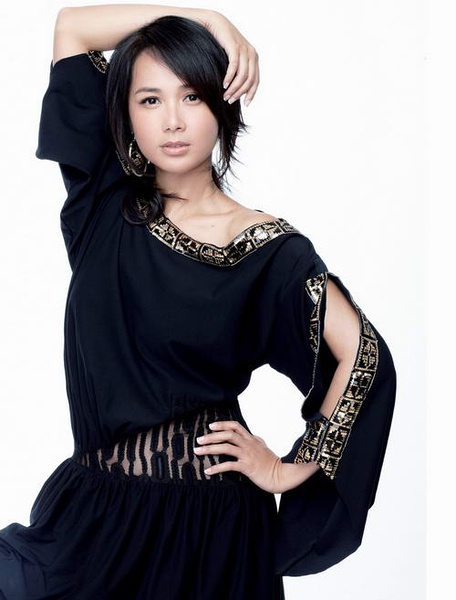
In the tiny role of a mother who sends her son to an opera school and chops off his extra finger, Jiang Wen-Li appeared in the drama Farewell to My Concubine for just a few minutes – and was remembered for a lifetime. Later she became the first Chinese actress to sweep all three of the country's top television awards for Best Actress, won the Golden Rooster for the drama And the Spring Comes, and in 2009 directed Lan herself – a touching story about a girl and her grandfather, based on her own memories.
In the tiny role of a mother who sends her son to an opera school and chops off his extra finger, Jiang Wen-Li appeared in the drama Farewell to My Concubine for just a few minutes – and was remembered for a lifetime. Later she became the first Chinese actress to sweep all three of the country's top television awards for Best Actress, won the Golden Rooster for the drama And the Spring Comes, and in 2009 directed Lan herself – a touching story about a girl and her grandfather, based on her own memories.
In the tiny role of a mother who sends her son to an opera school and chops off his extra finger, Jiang Wen-Li appeared in the drama Farewell to My Concubine for just a few minutes – and was remembered for a lifetime. Later she became the first Chinese actress to sweep all three of the country's top television awards for Best Actress, won the Golden Rooster for the drama And the Spring Comes, and in 2009 directed Lan herself – a touching story about a girl and her grandfather, based on her own memories.

The younger brother of the famous Jiang Wen, Jiang Wu long ago stopped being merely "the director's brother." Big, good-natured, with a broad, open face, he made his name as the simple-minded Ermin in the drama Shower, whom the Chinese press dubbed "the Chinese Forrest Gump," and then spent another three decades on screen playing plain-spoken fathers, silent brothers, and taciturn uncles — while more than once surprising audiences with roles as villains and complex, dark characters. He has appeared in films by Zhang Yi-Mou, Peter Chan, Jia Zhang-Ke, Guan Hu and, of course, his own ...
The younger brother of the famous Jiang Wen, Jiang Wu long ago stopped being merely "the director's brother." Big, good-natured, with a broad, open face, he made his name as the simple-minded Ermin in the drama Shower, whom the Chinese press dubbed "the Chinese Forrest Gump," and then spent another three decades on screen playing plain-spoken fathers, silent brothers, and taciturn uncles — while more than once surprising audiences with roles as villains and complex, dark characters. He has appeared in films by Zhang Yi-Mou, Peter Chan, Jia Zhang-Ke, Guan Hu and, of course, his own ...
The younger brother of the famous Jiang Wen, Jiang Wu long ago stopped being merely "the director's brother." Big, good-natured, with a broad, open face, he made his name as the simple-minded Ermin in the drama Shower, whom the Chinese press dubbed "the Chinese Forrest Gump," and then spent another three decades on screen playing plain-spoken fathers, silent brothers, and taciturn uncles — while more than once surprising audiences with roles as villains and complex, dark characters. He has appeared in films by Zhang Yi-Mou, Peter Chan, Jia Zhang-Ke, Guan Hu and, of course, his own ...

Bold and headstrong, Jiang Wen occupies a truly unique place in Chinese cinema: a star of "fifth generation" films who appeared in Red Sorghum for Zhang Yi-Mou, and a director whose pictures are marked by frenetic energy, absurdist humor and a style recognizable down to the smallest detail. His Devils on the Doorstep won the Grand Prix at the Cannes Film Festival but was never released in China, while Let the Bullets Fly became one of the highest-grossing films in the history of Chinese box office. He is called one of the most outstanding actors of his generation, and colleagues describe ...
Bold and headstrong, Jiang Wen occupies a truly unique place in Chinese cinema: a star of "fifth generation" films who appeared in Red Sorghum for Zhang Yi-Mou, and a director whose pictures are marked by frenetic energy, absurdist humor and a style recognizable down to the smallest detail. His Devils on the Doorstep won the Grand Prix at the Cannes Film Festival but was never released in China, while Let the Bullets Fly became one of the highest-grossing films in the history of Chinese box office. He is called one of the most outstanding actors of his generation, and colleagues describe ...
Bold and headstrong, Jiang Wen occupies a truly unique place in Chinese cinema: a star of "fifth generation" films who appeared in Red Sorghum for Zhang Yi-Mou, and a director whose pictures are marked by frenetic energy, absurdist humor and a style recognizable down to the smallest detail. His Devils on the Doorstep won the Grand Prix at the Cannes Film Festival but was never released in China, while Let the Bullets Fly became one of the highest-grossing films in the history of Chinese box office. He is called one of the most outstanding actors of his generation, and colleagues describe ...

Almost every kung fu movie star came to the genre to become famous — Jet Li arrived in cinema already famous. By the time of his first shoots, he had been the undisputed national wushu champion of China for several years running, had performed before the President of the United States, and was considered the great hope of the national team. Cinema turned the athlete into the idol of a billion-strong country, and then into one of the few Asian stars to conquer Hollywood. He never became a great dramatic actor and, it seems, never aspired to be one: in his best roles, Jet Li embodies a ...
Almost every kung fu movie star came to the genre to become famous — Jet Li arrived in cinema already famous. By the time of his first shoots, he had been the undisputed national wushu champion of China for several years running, had performed before the President of the United States, and was considered the great hope of the national team. Cinema turned the athlete into the idol of a billion-strong country, and then into one of the few Asian stars to conquer Hollywood. He never became a great dramatic actor and, it seems, never aspired to be one: in his best roles, Jet Li embodies a ...
Almost every kung fu movie star came to the genre to become famous — Jet Li arrived in cinema already famous. By the time of his first shoots, he had been the undisputed national wushu champion of China for several years running, had performed before the President of the United States, and was considered the great hope of the national team. Cinema turned the athlete into the idol of a billion-strong country, and then into one of the few Asian stars to conquer Hollywood. He never became a great dramatic actor and, it seems, never aspired to be one: in his best roles, Jet Li embodies a ...
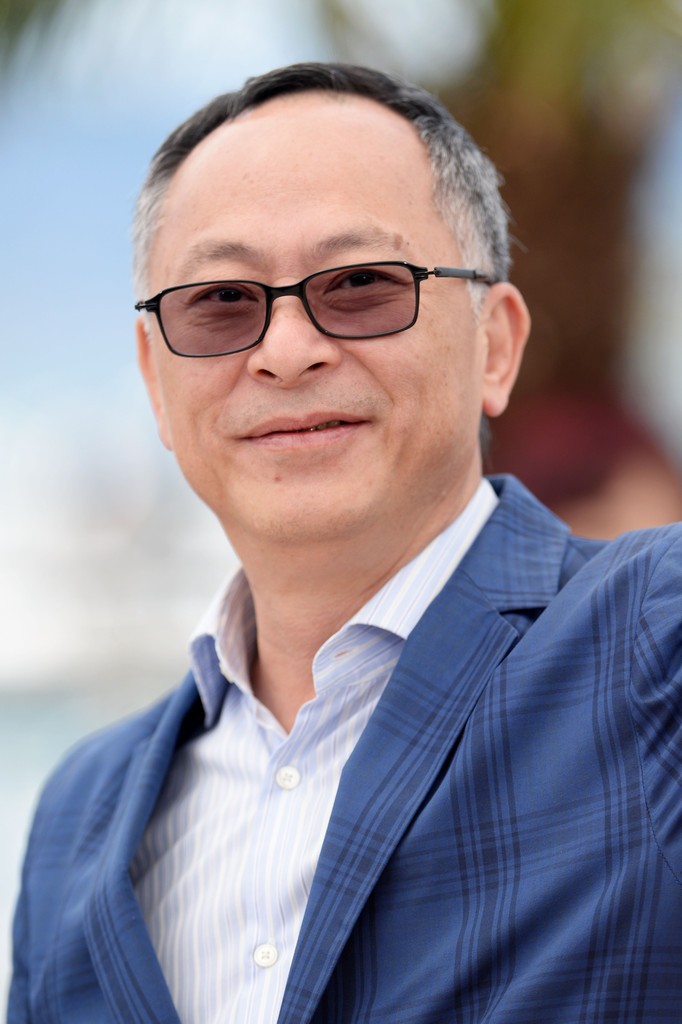
Johnnie To is arguably the preeminent Hong Kong director of the twenty-first century. While many of his colleagues left for Hollywood or moved to the mainland to shoot big-budget blockbusters, he stayed home and, together with his studio Milkyway Image, created a world of his own that is instantly recognizable — with cold-blooded gangsters, weary cops, intricate plots in which chance decides everything, and shootouts staged with almost balletic precision. His films are regularly shown in competition at Cannes, Venice and Berlin, French critics write books about him, and at home he has won ...
Johnnie To is arguably the preeminent Hong Kong director of the twenty-first century. While many of his colleagues left for Hollywood or moved to the mainland to shoot big-budget blockbusters, he stayed home and, together with his studio Milkyway Image, created a world of his own that is instantly recognizable — with cold-blooded gangsters, weary cops, intricate plots in which chance decides everything, and shootouts staged with almost balletic precision. His films are regularly shown in competition at Cannes, Venice and Berlin, French critics write books about him, and at home he has won ...
Johnnie To is arguably the preeminent Hong Kong director of the twenty-first century. While many of his colleagues left for Hollywood or moved to the mainland to shoot big-budget blockbusters, he stayed home and, together with his studio Milkyway Image, created a world of his own that is instantly recognizable — with cold-blooded gangsters, weary cops, intricate plots in which chance decides everything, and shootouts staged with almost balletic precision. His films are regularly shown in competition at Cannes, Venice and Berlin, French critics write books about him, and at home he has won ...

For millions of fans across Asia, Jacky Cheung is first and foremost the "God of Song," the most successful of the Cantopop "Four Heavenly Kings," a singer whose albums have sold more than 60 million copies and whose concert tours have earned a place in the Guinness Book of Records. Cinema has always remained a secondary pursuit for him—and perhaps that is precisely why he so often agreed to unusual, risky, and frankly eccentric roles. Of all Hong Kong's singing stars, Jacky is arguably the most gifted actor: alongside dozens of forgettable comedies, his filmography includes work with ...
For millions of fans across Asia, Jacky Cheung is first and foremost the "God of Song," the most successful of the Cantopop "Four Heavenly Kings," a singer whose albums have sold more than 60 million copies and whose concert tours have earned a place in the Guinness Book of Records. Cinema has always remained a secondary pursuit for him—and perhaps that is precisely why he so often agreed to unusual, risky, and frankly eccentric roles. Of all Hong Kong's singing stars, Jacky is arguably the most gifted actor: alongside dozens of forgettable comedies, his filmography includes work with ...
For millions of fans across Asia, Jacky Cheung is first and foremost the "God of Song," the most successful of the Cantopop "Four Heavenly Kings," a singer whose albums have sold more than 60 million copies and whose concert tours have earned a place in the Guinness Book of Records. Cinema has always remained a secondary pursuit for him—and perhaps that is precisely why he so often agreed to unusual, risky, and frankly eccentric roles. Of all Hong Kong's singing stars, Jacky is arguably the most gifted actor: alongside dozens of forgettable comedies, his filmography includes work with ...
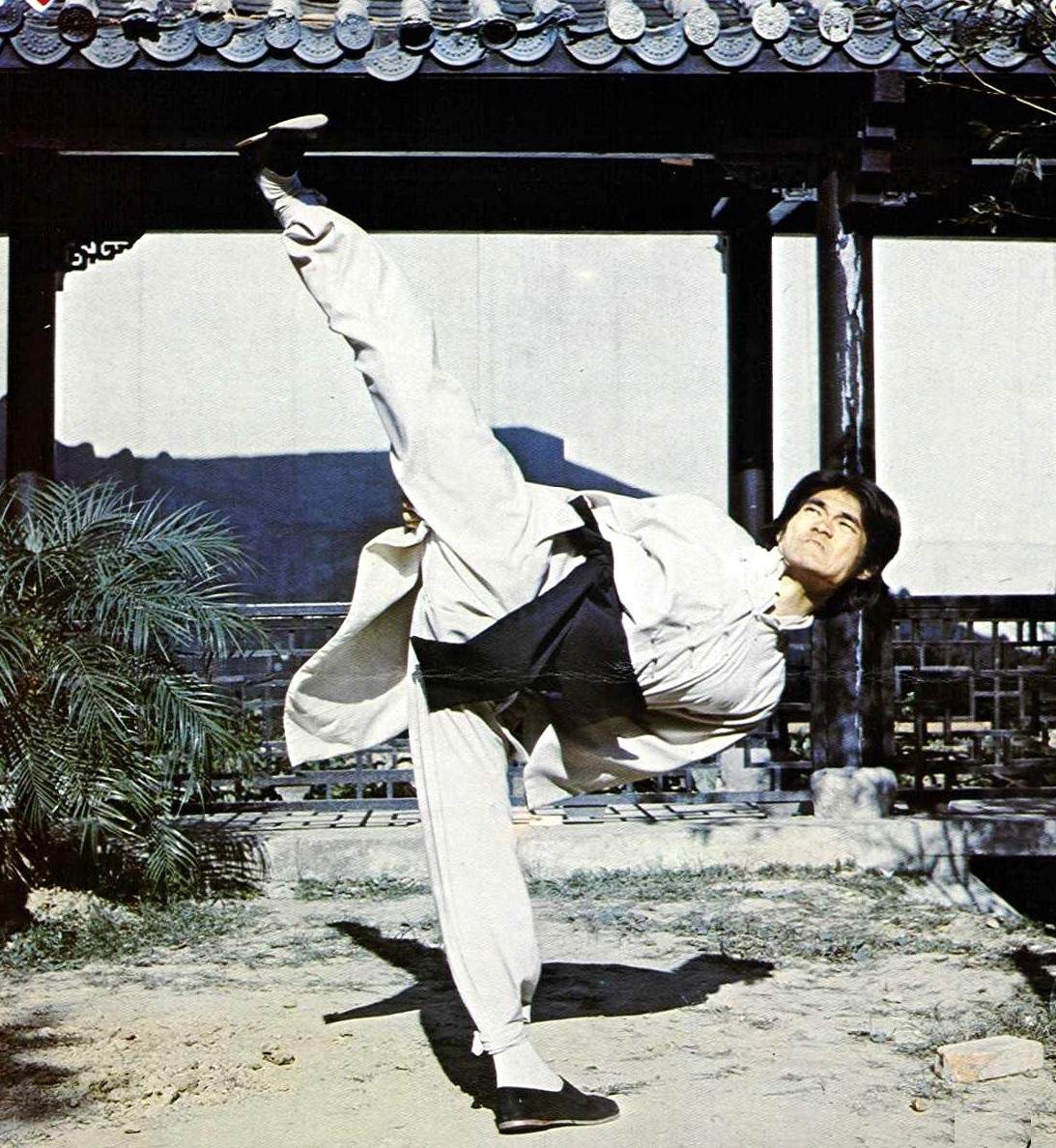


Every country's film industry has its own stars, veterans, and revered figures, but only China has an actor who represents the nation to the whole world and is, in essence, its face. Who is Hollywood's biggest star? Even if you have managed to come up with an answer to that question, it clearly took you some time. With China, though, the answer comes to mind instantly – sorry, Jet Li, Chow Yun-Fat, Donnie Yen, and John Woo, but the first is, of course, Jackie Chan.
Every country's film industry has its own stars, veterans, and revered figures, but only China has an actor who represents the nation to the whole world and is, in essence, its face. Who is Hollywood's biggest star? Even if you have managed to come up with an answer to that question, it clearly took you some time. With China, though, the answer comes to mind instantly – sorry, Jet Li, Chow Yun-Fat, Donnie Yen, and John Woo, but the first is, of course, Jackie Chan.
Every country's film industry has its own stars, veterans, and revered figures, but only China has an actor who represents the nation to the whole world and is, in essence, its face. Who is Hollywood's biggest star? Even if you have managed to come up with an answer to that question, it clearly took you some time. With China, though, the answer comes to mind instantly – sorry, Jet Li, Chow Yun-Fat, Donnie Yen, and John Woo, but the first is, of course, Jackie Chan.


