


Biographies

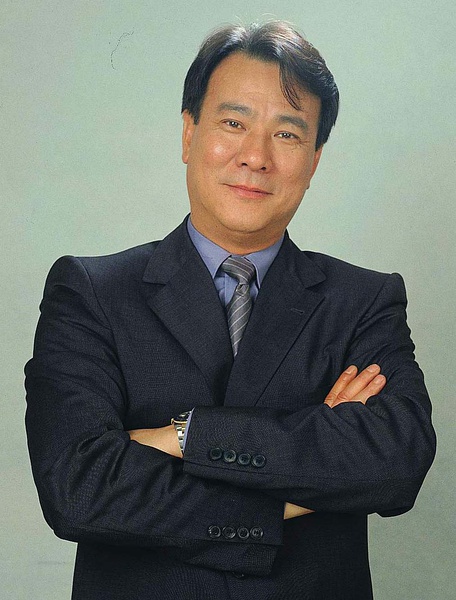
Du Jiang was already well known for family TV shows when he played a sapper in Operation Red Sea. Yet his own son, who appeared with Du on television, failed to recognize his father on the big screen. For his role as deputy commander of a naval special forces unit, Du won the Hundred Flowers Award, and soon afterward The Bravest and The Chinese Pilot hit the screens. For the first film he trained with firefighters, and before the second he questioned the pilot whose crew managed to land the plane after the cockpit lost pressure.
Du Jiang was already well known for family TV shows when he played a sapper in Operation Red Sea. Yet his own son, who appeared with Du on television, failed to recognize his father on the big screen. For his role as deputy commander of a naval special forces unit, Du won the Hundred Flowers Award, and soon afterward The Bravest and The Chinese Pilot hit the screens. For the first film he trained with firefighters, and before the second he questioned the pilot whose crew managed to land the plane after the cockpit lost pressure.
Du Jiang was already well known for family TV shows when he played a sapper in Operation Red Sea. Yet his own son, who appeared with Du on television, failed to recognize his father on the big screen. For his role as deputy commander of a naval special forces unit, Du won the Hundred Flowers Award, and soon afterward The Bravest and The Chinese Pilot hit the screens. For the first film he trained with firefighters, and before the second he questioned the pilot whose crew managed to land the plane after the cockpit lost pressure.

Denise Ho became one of the biggest cantopop stars of the 2000s. She started out as a backing vocalist for Anita Mui Yim-Fong, and in her own concerts she sang about things rarely spoken aloud in Hong Kong pop songs. On screen she was especially memorable as Teresa in Johnnie To Kei-Fung's Life Without Principle. Ho plays a bank employee who has to hit her sales targets, and she does it so matter-of-factly that you can easily picture her at the next window over. After taking part in the Hong Kong protests, Ho lost the ability to perform on the mainland. At home she kept singing, and once ...
Denise Ho became one of the biggest cantopop stars of the 2000s. She started out as a backing vocalist for Anita Mui Yim-Fong, and in her own concerts she sang about things rarely spoken aloud in Hong Kong pop songs. On screen she was especially memorable as Teresa in Johnnie To Kei-Fung's Life Without Principle. Ho plays a bank employee who has to hit her sales targets, and she does it so matter-of-factly that you can easily picture her at the next window over. After taking part in the Hong Kong protests, Ho lost the ability to perform on the mainland. At home she kept singing, and once ...
Denise Ho became one of the biggest cantopop stars of the 2000s. She started out as a backing vocalist for Anita Mui Yim-Fong, and in her own concerts she sang about things rarely spoken aloud in Hong Kong pop songs. On screen she was especially memorable as Teresa in Johnnie To Kei-Fung's Life Without Principle. Ho plays a bank employee who has to hit her sales targets, and she does it so matter-of-factly that you can easily picture her at the next window over. After taking part in the Hong Kong protests, Ho lost the ability to perform on the mainland. At home she kept singing, and once ...

Diana Chang began her screen career in Taiwan, and Hong Kong audiences came to know her through Sisters Three and a song about baked pork buns. At Shaw Brothers, Chang played Lotus Pan, and later the mother of the heroine in Susanna. She performed in North America, where she once danced with Bruce Lee Siu-Lung, and in the second half of the 1960s she left the movies.
Diana Chang began her screen career in Taiwan, and Hong Kong audiences came to know her through Sisters Three and a song about baked pork buns. At Shaw Brothers, Chang played Lotus Pan, and later the mother of the heroine in Susanna. She performed in North America, where she once danced with Bruce Lee Siu-Lung, and in the second half of the 1960s she left the movies.
Diana Chang began her screen career in Taiwan, and Hong Kong audiences came to know her through Sisters Three and a song about baked pork buns. At Shaw Brothers, Chang played Lotus Pan, and later the mother of the heroine in Susanna. She performed in North America, where she once danced with Bruce Lee Siu-Lung, and in the second half of the 1960s she left the movies.

Dilraba Dilmurat performed in a dance ensemble in Xinjiang, and got into the Shanghai Theatre Academy after almost accidentally showing up for the entrance exam. She became known for playing the actress Gao Wen in Diamond Lover, then played the fox Fengjiu twice. Preparing for the role of prosecutor An Ni, Dilraba read about criminal cases and consulted with experts.
Dilraba Dilmurat performed in a dance ensemble in Xinjiang, and got into the Shanghai Theatre Academy after almost accidentally showing up for the entrance exam. She became known for playing the actress Gao Wen in Diamond Lover, then played the fox Fengjiu twice. Preparing for the role of prosecutor An Ni, Dilraba read about criminal cases and consulted with experts.
Dilraba Dilmurat performed in a dance ensemble in Xinjiang, and got into the Shanghai Theatre Academy after almost accidentally showing up for the entrance exam. She became known for playing the actress Gao Wen in Diamond Lover, then played the fox Fengjiu twice. Preparing for the role of prosecutor An Ni, Dilraba read about criminal cases and consulted with experts.

The Hong Kong comedy Due West: Our Sex Journey made Daniella Wang famous at a time when she still regarded film as a temporary pursuit and planned to return to medicine. The profession turned out to be far more varied than her first high-profile role might have suggested. A few years later, Wang was appearing in mainland horror films, trying her hand at stage acting, and working on a series about the people who shape public opinion.
The Hong Kong comedy Due West: Our Sex Journey made Daniella Wang famous at a time when she still regarded film as a temporary pursuit and planned to return to medicine. The profession turned out to be far more varied than her first high-profile role might have suggested. A few years later, Wang was appearing in mainland horror films, trying her hand at stage acting, and working on a series about the people who shape public opinion.
The Hong Kong comedy Due West: Our Sex Journey made Daniella Wang famous at a time when she still regarded film as a temporary pursuit and planned to return to medicine. The profession turned out to be far more varied than her first high-profile role might have suggested. A few years later, Wang was appearing in mainland horror films, trying her hand at stage acting, and working on a series about the people who shape public opinion.

Hong Kong model Dada Chan became an overnight sensation: her role as Popping Candy in Edmond Pang's scandalous comedy Vulgaria won her a Hong Kong Film Awards prize for Best Supporting Actress and a Golden Horse nomination. A year later, at the peak of her success, she announced she was quitting the profession, and only months afterward admitted she was battling depression. On her return, she appeared in the police Storm series and played the lead in The Secret Diary of a Mom to Be, which was selected for the Tokyo Film Festival.
Hong Kong model Dada Chan became an overnight sensation: her role as Popping Candy in Edmond Pang's scandalous comedy Vulgaria won her a Hong Kong Film Awards prize for Best Supporting Actress and a Golden Horse nomination. A year later, at the peak of her success, she announced she was quitting the profession, and only months afterward admitted she was battling depression. On her return, she appeared in the police Storm series and played the lead in The Secret Diary of a Mom to Be, which was selected for the Tokyo Film Festival.
Hong Kong model Dada Chan became an overnight sensation: her role as Popping Candy in Edmond Pang's scandalous comedy Vulgaria won her a Hong Kong Film Awards prize for Best Supporting Actress and a Golden Horse nomination. A year later, at the peak of her success, she announced she was quitting the profession, and only months afterward admitted she was battling depression. On her return, she appeared in the police Storm series and played the lead in The Secret Diary of a Mom to Be, which was selected for the Tokyo Film Festival.

Action choreographer and stuntman Dion Lam is one of the few Hong Kong craftsmen who have managed to build careers not only at home but also in Hollywood. A former props assistant with no secondary education and no English, he came up through the school of Tony Ching Siu-Tung, choreographed the fights in The Storm Riders and Infernal Affairs, worked on the team of Yuen Wo-Ping on The Matrix, and then went on to choreograph the fights himself on Spider-Man 2. Over the course of his career Lam has been nominated four times each for the HKFA and the Golden Horse Awards, and along the way he ...
Action choreographer and stuntman Dion Lam is one of the few Hong Kong craftsmen who have managed to build careers not only at home but also in Hollywood. A former props assistant with no secondary education and no English, he came up through the school of Tony Ching Siu-Tung, choreographed the fights in The Storm Riders and Infernal Affairs, worked on the team of Yuen Wo-Ping on The Matrix, and then went on to choreograph the fights himself on Spider-Man 2. Over the course of his career Lam has been nominated four times each for the HKFA and the Golden Horse Awards, and along the way he ...
Action choreographer and stuntman Dion Lam is one of the few Hong Kong craftsmen who have managed to build careers not only at home but also in Hollywood. A former props assistant with no secondary education and no English, he came up through the school of Tony Ching Siu-Tung, choreographed the fights in The Storm Riders and Infernal Affairs, worked on the team of Yuen Wo-Ping on The Matrix, and then went on to choreograph the fights himself on Spider-Man 2. Over the course of his career Lam has been nominated four times each for the HKFA and the Golden Horse Awards, and along the way he ...

Dennis Chan is an actor, producer, screenwriter and director whose name appears in the credits of 1980s and 1990s Hong Kong films more often than his face appears on screen. A former musician and television producer, he spent many years as Sammo Hung's right-hand man and one of the production organizers at D&B Films, and later directed and produced films himself. As an actor he mostly played small roles, but two of them are known to audiences on both sides of the ocean: the Thai muay thai master Xian Chow, who trains Jean-Claude Van Damme's character in Kickboxer, and the stuttering ...
Dennis Chan is an actor, producer, screenwriter and director whose name appears in the credits of 1980s and 1990s Hong Kong films more often than his face appears on screen. A former musician and television producer, he spent many years as Sammo Hung's right-hand man and one of the production organizers at D&B Films, and later directed and produced films himself. As an actor he mostly played small roles, but two of them are known to audiences on both sides of the ocean: the Thai muay thai master Xian Chow, who trains Jean-Claude Van Damme's character in Kickboxer, and the stuttering ...
Dennis Chan is an actor, producer, screenwriter and director whose name appears in the credits of 1980s and 1990s Hong Kong films more often than his face appears on screen. A former musician and television producer, he spent many years as Sammo Hung's right-hand man and one of the production organizers at D&B Films, and later directed and produced films himself. As an actor he mostly played small roles, but two of them are known to audiences on both sides of the ocean: the Thai muay thai master Xian Chow, who trains Jean-Claude Van Damme's character in Kickboxer, and the stuttering ...

Dubbed the "prodigal son of pop," singer Dave Wong became one of the best-selling artists in Taiwan and Hong Kong in the late 1980s: his debut album A Game, a Dream stayed in the charts for six months. The son of Shaw Brothers actors, he appeared in films as a child and took on adult roles in A War Named Desire and New Police Story.
Dubbed the "prodigal son of pop," singer Dave Wong became one of the best-selling artists in Taiwan and Hong Kong in the late 1980s: his debut album A Game, a Dream stayed in the charts for six months. The son of Shaw Brothers actors, he appeared in films as a child and took on adult roles in A War Named Desire and New Police Story.
Dubbed the "prodigal son of pop," singer Dave Wong became one of the best-selling artists in Taiwan and Hong Kong in the late 1980s: his debut album A Game, a Dream stayed in the charts for six months. The son of Shaw Brothers actors, he appeared in films as a child and took on adult roles in A War Named Desire and New Police Story.
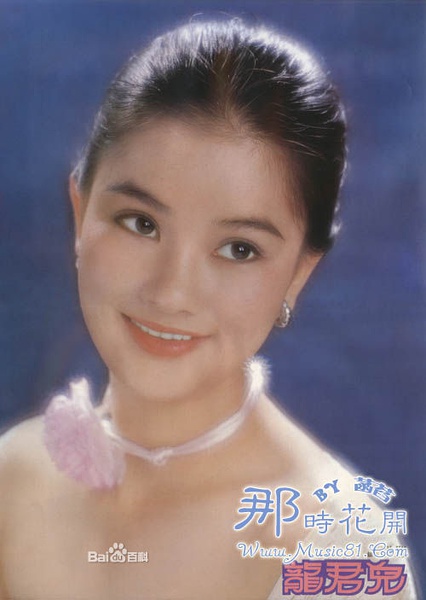
Taiwanese actress Doris Lung, hailed in the 1970s as "Taiwan's number one heroine," played dozens of swordswomen and kung fu mistresses in Taiwanese and Hong Kong martial arts films — from Jimmy Wang Yu's One-armed Boxer vs. the Flying Guillotine to comedies with a young Jackie Chan, Shaolin Wooden Men and Half a Loaf of Kung Fu. After leaving the movies, she became a photographer, restaurateur, ceramicist and sculptor, and has lived for many years in the mountains of Taiwan.
Taiwanese actress Doris Lung, hailed in the 1970s as "Taiwan's number one heroine," played dozens of swordswomen and kung fu mistresses in Taiwanese and Hong Kong martial arts films — from Jimmy Wang Yu's One-armed Boxer vs. the Flying Guillotine to comedies with a young Jackie Chan, Shaolin Wooden Men and Half a Loaf of Kung Fu. After leaving the movies, she became a photographer, restaurateur, ceramicist and sculptor, and has lived for many years in the mountains of Taiwan.
Taiwanese actress Doris Lung, hailed in the 1970s as "Taiwan's number one heroine," played dozens of swordswomen and kung fu mistresses in Taiwanese and Hong Kong martial arts films — from Jimmy Wang Yu's One-armed Boxer vs. the Flying Guillotine to comedies with a young Jackie Chan, Shaolin Wooden Men and Half a Loaf of Kung Fu. After leaving the movies, she became a photographer, restaurateur, ceramicist and sculptor, and has lived for many years in the mountains of Taiwan.

Hong Kong actor Damian Lau rose to fame in the 1970s with the title role in the TVB series Luk Siu-fung, based on a novel by Gu Long, and over the following half-century he played noble heroes, wise mentors and emperors – in the wuxia films Last Hurrah for Chivalry and Duel to the Death, in Royal Tramp and The Heroic Trio, and in dozens of TVB and ATV series. For his role as Judge Mei Ru'ao in The Tokyo Trial he was nominated for the Golden Rooster and Hundred Flowers awards. In recent years he has stepped away from film and is working on a musical about Matteo Ricci, which he wrote and ...
Hong Kong actor Damian Lau rose to fame in the 1970s with the title role in the TVB series Luk Siu-fung, based on a novel by Gu Long, and over the following half-century he played noble heroes, wise mentors and emperors – in the wuxia films Last Hurrah for Chivalry and Duel to the Death, in Royal Tramp and The Heroic Trio, and in dozens of TVB and ATV series. For his role as Judge Mei Ru'ao in The Tokyo Trial he was nominated for the Golden Rooster and Hundred Flowers awards. In recent years he has stepped away from film and is working on a musical about Matteo Ricci, which he wrote and ...
Hong Kong actor Damian Lau rose to fame in the 1970s with the title role in the TVB series Luk Siu-fung, based on a novel by Gu Long, and over the following half-century he played noble heroes, wise mentors and emperors – in the wuxia films Last Hurrah for Chivalry and Duel to the Death, in Royal Tramp and The Heroic Trio, and in dozens of TVB and ATV series. For his role as Judge Mei Ru'ao in The Tokyo Trial he was nominated for the Golden Rooster and Hundred Flowers awards. In recent years he has stepped away from film and is working on a musical about Matteo Ricci, which he wrote and ...

An American of Chinese descent, David Wu started out in 1980s Hong Kong cinema, and it was his role as Bruce Lee in the ATV television series Spirit of the Dragon that brought him fame. He appeared in Chen Kaige's Farewell to My Concubine and Temptress Moon, and in Jiang Wen's Devils on the Doorstep; he was a popular VJ on Asian music channels, and later worked for many years in Taiwan and mainland China.
An American of Chinese descent, David Wu started out in 1980s Hong Kong cinema, and it was his role as Bruce Lee in the ATV television series Spirit of the Dragon that brought him fame. He appeared in Chen Kaige's Farewell to My Concubine and Temptress Moon, and in Jiang Wen's Devils on the Doorstep; he was a popular VJ on Asian music channels, and later worked for many years in Taiwan and mainland China.
An American of Chinese descent, David Wu started out in 1980s Hong Kong cinema, and it was his role as Bruce Lee in the ATV television series Spirit of the Dragon that brought him fame. He appeared in Chen Kaige's Farewell to My Concubine and Temptress Moon, and in Jiang Wen's Devils on the Doorstep; he was a popular VJ on Asian music channels, and later worked for many years in Taiwan and mainland China.

Taiwanese actor Don Wong Tao started out in the 1970s as a kung fu movie star whom producers promoted as the "heir to Bruce Lee"; his biggest success came with The Secret Rivals. In the 1980s he moved on to dramatic roles and was twice nominated for a Golden Horse Award for Best Actor – for The Pioneers and The Battle for the Republic of China. For the past three decades he has worked mainly in Taiwanese television and, by his own account, has no intention of retiring.
Taiwanese actor Don Wong Tao started out in the 1970s as a kung fu movie star whom producers promoted as the "heir to Bruce Lee"; his biggest success came with The Secret Rivals. In the 1980s he moved on to dramatic roles and was twice nominated for a Golden Horse Award for Best Actor – for The Pioneers and The Battle for the Republic of China. For the past three decades he has worked mainly in Taiwanese television and, by his own account, has no intention of retiring.
Taiwanese actor Don Wong Tao started out in the 1970s as a kung fu movie star whom producers promoted as the "heir to Bruce Lee"; his biggest success came with The Secret Rivals. In the 1980s he moved on to dramatic roles and was twice nominated for a Golden Horse Award for Best Actor – for The Pioneers and The Battle for the Republic of China. For the past three decades he has worked mainly in Taiwanese television and, by his own account, has no intention of retiring.

Dante Lam is a master of the Hong Kong police action thriller, whose films Beast Stalker and Stool Pigeon earned their lead actors Hong Kong's top acting awards, while Beast Cops, co-directed with Gordon Chan, won the Hong Kong Film Award for Best Film. In the 2010s he became one of the foremost directors of Chinese military blockbusters: Operation Red Sea grossed around 3.6 billion yuan at the box office and brought him directing prizes from all of mainland China's major film awards.
Dante Lam is a master of the Hong Kong police action thriller, whose films Beast Stalker and Stool Pigeon earned their lead actors Hong Kong's top acting awards, while Beast Cops, co-directed with Gordon Chan, won the Hong Kong Film Award for Best Film. In the 2010s he became one of the foremost directors of Chinese military blockbusters: Operation Red Sea grossed around 3.6 billion yuan at the box office and brought him directing prizes from all of mainland China's major film awards.
Dante Lam is a master of the Hong Kong police action thriller, whose films Beast Stalker and Stool Pigeon earned their lead actors Hong Kong's top acting awards, while Beast Cops, co-directed with Gordon Chan, won the Hong Kong Film Award for Best Film. In the 2010s he became one of the foremost directors of Chinese military blockbusters: Operation Red Sea grossed around 3.6 billion yuan at the box office and brought him directing prizes from all of mainland China's major film awards.

A world wushu champion turned actor, Dennis To rose to fame as the young Ip Man in Herman Yau's biographical actioner The Legend Is Born - Ip Man, and has since returned to the image of the legendary Wing Chun master more than once — in Jeff Lau Chun-Wai's comedy Kung Fu League and in the online films launched with Ip Man Kung Fu Master. Starting out with bit parts in Wilson Yip Wai-Shun's films starring Donnie Yen Ji-Dan, he earned two Hong Kong Film Award nominations for Best New Performer within his first two years in cinema.
A world wushu champion turned actor, Dennis To rose to fame as the young Ip Man in Herman Yau's biographical actioner The Legend Is Born - Ip Man, and has since returned to the image of the legendary Wing Chun master more than once — in Jeff Lau Chun-Wai's comedy Kung Fu League and in the online films launched with Ip Man Kung Fu Master. Starting out with bit parts in Wilson Yip Wai-Shun's films starring Donnie Yen Ji-Dan, he earned two Hong Kong Film Award nominations for Best New Performer within his first two years in cinema.
A world wushu champion turned actor, Dennis To rose to fame as the young Ip Man in Herman Yau's biographical actioner The Legend Is Born - Ip Man, and has since returned to the image of the legendary Wing Chun master more than once — in Jeff Lau Chun-Wai's comedy Kung Fu League and in the online films launched with Ip Man Kung Fu Master. Starting out with bit parts in Wilson Yip Wai-Shun's films starring Donnie Yen Ji-Dan, he earned two Hong Kong Film Award nominations for Best New Performer within his first two years in cinema.

An actor who has been nicknamed "Little Dragon" since childhood for his striking resemblance to Bruce Lee, Danny Chan first came to prominence through Stephen Chow Sing-Chi's comedies: in Shaolin Soccer (2001) he played a goalkeeper who imitates Bruce Lee, and in Kung Fu Hustle (2004) he played Brother Sum, the leader of the Axe Gang, a role that earned him a Hong Kong Film Award nomination. He then went on to play Bruce Lee himself, in the Chinese TV series The Legend of Bruce Lee (2008), and later in Ip Man 3 (2015) and Ip Man 4 (2019). In 2017 he produced and starred in the crime ...
An actor who has been nicknamed "Little Dragon" since childhood for his striking resemblance to Bruce Lee, Danny Chan first came to prominence through Stephen Chow Sing-Chi's comedies: in Shaolin Soccer (2001) he played a goalkeeper who imitates Bruce Lee, and in Kung Fu Hustle (2004) he played Brother Sum, the leader of the Axe Gang, a role that earned him a Hong Kong Film Award nomination. He then went on to play Bruce Lee himself, in the Chinese TV series The Legend of Bruce Lee (2008), and later in Ip Man 3 (2015) and Ip Man 4 (2019). In 2017 he produced and starred in the crime ...
An actor who has been nicknamed "Little Dragon" since childhood for his striking resemblance to Bruce Lee, Danny Chan first came to prominence through Stephen Chow Sing-Chi's comedies: in Shaolin Soccer (2001) he played a goalkeeper who imitates Bruce Lee, and in Kung Fu Hustle (2004) he played Brother Sum, the leader of the Axe Gang, a role that earned him a Hong Kong Film Award nomination. He then went on to play Bruce Lee himself, in the Chinese TV series The Legend of Bruce Lee (2008), and later in Ip Man 3 (2015) and Ip Man 4 (2019). In 2017 he produced and starred in the crime ...

A taekwondo champion nicknamed "Lightning Legs" by the movies, Dorian Tan (Tan Tao-Liang) became one of the top stars of 1970s kung fu action. His high kicks and signature one-legged hops toward his opponent won him fame through John Woo's The Hand of Death, which marked the first on-screen appearance together of Jackie Chan, Sammo Hung and Yuen Biao. Over a decade he appeared in dozens of Taiwanese and Hong Kong films, then left the movies to devote himself to teaching taekwondo.
A taekwondo champion nicknamed "Lightning Legs" by the movies, Dorian Tan (Tan Tao-Liang) became one of the top stars of 1970s kung fu action. His high kicks and signature one-legged hops toward his opponent won him fame through John Woo's The Hand of Death, which marked the first on-screen appearance together of Jackie Chan, Sammo Hung and Yuen Biao. Over a decade he appeared in dozens of Taiwanese and Hong Kong films, then left the movies to devote himself to teaching taekwondo.
A taekwondo champion nicknamed "Lightning Legs" by the movies, Dorian Tan (Tan Tao-Liang) became one of the top stars of 1970s kung fu action. His high kicks and signature one-legged hops toward his opponent won him fame through John Woo's The Hand of Death, which marked the first on-screen appearance together of Jackie Chan, Sammo Hung and Yuen Biao. Over a decade he appeared in dozens of Taiwanese and Hong Kong films, then left the movies to devote himself to teaching taekwondo.

A former architecture student who dreamed of the rock stage, Da Peng (real name Dong Cheng-Peng) first made his name as an internet show host and the creator of the parody web series Diors Man, then became one of China's highest-grossing comedy directors: his debut Jian Bing Man took in more than a billion yuan. As an actor he has moved from comic bit parts to dramatic roles for Feng Xiao-Gang, Cheng Er and Shen Ao, and in 2026 he won the Hundred Flowers Award for Best Director for the historical comedy The Lychee Road.
A former architecture student who dreamed of the rock stage, Da Peng (real name Dong Cheng-Peng) first made his name as an internet show host and the creator of the parody web series Diors Man, then became one of China's highest-grossing comedy directors: his debut Jian Bing Man took in more than a billion yuan. As an actor he has moved from comic bit parts to dramatic roles for Feng Xiao-Gang, Cheng Er and Shen Ao, and in 2026 he won the Hundred Flowers Award for Best Director for the historical comedy The Lychee Road.
A former architecture student who dreamed of the rock stage, Da Peng (real name Dong Cheng-Peng) first made his name as an internet show host and the creator of the parody web series Diors Man, then became one of China's highest-grossing comedy directors: his debut Jian Bing Man took in more than a billion yuan. As an actor he has moved from comic bit parts to dramatic roles for Feng Xiao-Gang, Cheng Er and Shen Ao, and in 2026 he won the Hundred Flowers Award for Best Director for the historical comedy The Lychee Road.
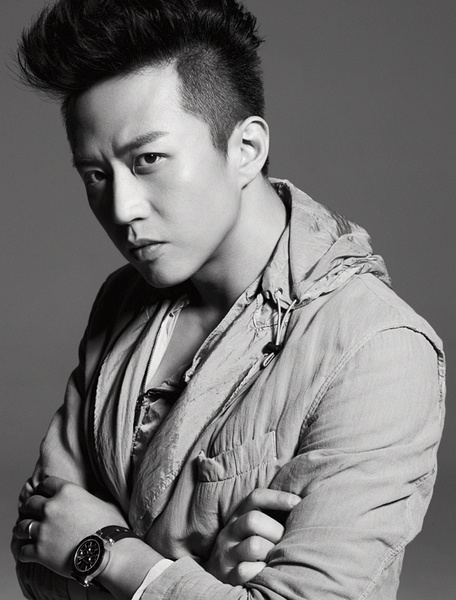
Starting out with roles as young emperors in historical series, Deng Chao became one of the most versatile actors in Chinese cinema: he won a Golden Rooster for Cao Bao-Ping's crime drama The Dead End, appeared in Stephen Chow Sing-Chi's The Mermaid, Zhang Yi-Mou's Shadow and Peter Chan Hoh-San's American Dreams in China, and as a director made several box-office comedies and the sports drama Ping-pong of China. Millions of viewers also know him as the tireless captain of the reality show Keep Running, and his marriage to actress Betty Sun Li has long been considered one of the most ...
Starting out with roles as young emperors in historical series, Deng Chao became one of the most versatile actors in Chinese cinema: he won a Golden Rooster for Cao Bao-Ping's crime drama The Dead End, appeared in Stephen Chow Sing-Chi's The Mermaid, Zhang Yi-Mou's Shadow and Peter Chan Hoh-San's American Dreams in China, and as a director made several box-office comedies and the sports drama Ping-pong of China. Millions of viewers also know him as the tireless captain of the reality show Keep Running, and his marriage to actress Betty Sun Li has long been considered one of the most ...
Starting out with roles as young emperors in historical series, Deng Chao became one of the most versatile actors in Chinese cinema: he won a Golden Rooster for Cao Bao-Ping's crime drama The Dead End, appeared in Stephen Chow Sing-Chi's The Mermaid, Zhang Yi-Mou's Shadow and Peter Chan Hoh-San's American Dreams in China, and as a director made several box-office comedies and the sports drama Ping-pong of China. Millions of viewers also know him as the tireless captain of the reality show Keep Running, and his marriage to actress Betty Sun Li has long been considered one of the most ...
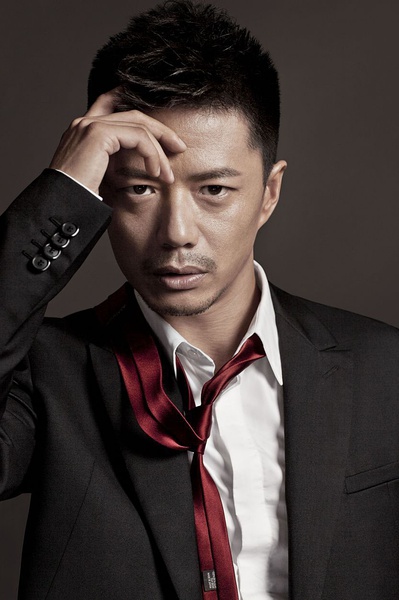
He was rejected by the Central Academy of Drama three times, and while there his classmates considered him ugly and he was given almost no roles in student productions. Today Duan Yi-Hong is an acknowledged master of psychologically complex roles and, in the view of many critics, one of the finest actors of his generation in China: Captain Yuan Lang in the cult series Soldiers Sortie, the policeman obsessed with hunting a serial killer in The Looming Storm, the fugitive with a heavy past in The Dead End. He does not consider himself a star, dislikes reality shows, and since the summer of ...
He was rejected by the Central Academy of Drama three times, and while there his classmates considered him ugly and he was given almost no roles in student productions. Today Duan Yi-Hong is an acknowledged master of psychologically complex roles and, in the view of many critics, one of the finest actors of his generation in China: Captain Yuan Lang in the cult series Soldiers Sortie, the policeman obsessed with hunting a serial killer in The Looming Storm, the fugitive with a heavy past in The Dead End. He does not consider himself a star, dislikes reality shows, and since the summer of ...
He was rejected by the Central Academy of Drama three times, and while there his classmates considered him ugly and he was given almost no roles in student productions. Today Duan Yi-Hong is an acknowledged master of psychologically complex roles and, in the view of many critics, one of the finest actors of his generation in China: Captain Yuan Lang in the cult series Soldiers Sortie, the policeman obsessed with hunting a serial killer in The Looming Storm, the fugitive with a heavy past in The Dead End. He does not consider himself a star, dislikes reality shows, and since the summer of ...

David Chiang Da-Wei is one of the biggest stars of the golden age of Shaw Brothers. Alongside Ti Lung, he was director Chang Cheh's favorite actor, and their "iron triangle" gave audiences Vengeance! (1970), The Blood Brothers (1973), The Water Margin (1972) and dozens of other classic wuxia and kung fu films. Unlike many of his genre colleagues, Chiang was never an outstanding martial artist – his strength lay elsewhere: in charisma, irony and the ability to play a living, ambiguous hero, whether a charming rogue or a furious avenger. He played his first role at the age of four, at ...
David Chiang Da-Wei is one of the biggest stars of the golden age of Shaw Brothers. Alongside Ti Lung, he was director Chang Cheh's favorite actor, and their "iron triangle" gave audiences Vengeance! (1970), The Blood Brothers (1973), The Water Margin (1972) and dozens of other classic wuxia and kung fu films. Unlike many of his genre colleagues, Chiang was never an outstanding martial artist – his strength lay elsewhere: in charisma, irony and the ability to play a living, ambiguous hero, whether a charming rogue or a furious avenger. He played his first role at the age of four, at ...
David Chiang Da-Wei is one of the biggest stars of the golden age of Shaw Brothers. Alongside Ti Lung, he was director Chang Cheh's favorite actor, and their "iron triangle" gave audiences Vengeance! (1970), The Blood Brothers (1973), The Water Margin (1972) and dozens of other classic wuxia and kung fu films. Unlike many of his genre colleagues, Chiang was never an outstanding martial artist – his strength lay elsewhere: in charisma, irony and the ability to play a living, ambiguous hero, whether a charming rogue or a furious avenger. He played his first role at the age of four, at ...

In Hong Kong, Dean Shek was called "the Charlie Chaplin of the East," though his style had little to do with the great comedian's subtle pantomime. Shek was a master of the most "physical," exaggerated burlesque: his arsenal included an endless array of grimaces, incredible agility, sleight of hand, and a readiness for any stunt, up to and including swallowing raw eggs. Audiences either adored him or couldn't stand the sight of him, but few were left indifferent. Shek first made his name playing vicious teachers and scoundrels in kung fu comedies with a young Jackie Chan, and then, ...
In Hong Kong, Dean Shek was called "the Charlie Chaplin of the East," though his style had little to do with the great comedian's subtle pantomime. Shek was a master of the most "physical," exaggerated burlesque: his arsenal included an endless array of grimaces, incredible agility, sleight of hand, and a readiness for any stunt, up to and including swallowing raw eggs. Audiences either adored him or couldn't stand the sight of him, but few were left indifferent. Shek first made his name playing vicious teachers and scoundrels in kung fu comedies with a young Jackie Chan, and then, ...
In Hong Kong, Dean Shek was called "the Charlie Chaplin of the East," though his style had little to do with the great comedian's subtle pantomime. Shek was a master of the most "physical," exaggerated burlesque: his arsenal included an endless array of grimaces, incredible agility, sleight of hand, and a readiness for any stunt, up to and including swallowing raw eggs. Audiences either adored him or couldn't stand the sight of him, but few were left indifferent. Shek first made his name playing vicious teachers and scoundrels in kung fu comedies with a young Jackie Chan, and then, ...

Korean actor Dragon Lee made his name as a Bruce Lee imitator and became one of the stars of "Bruceploitation" – a wave of films that, after the legendary actor's death, exploited his image. From the late 1970s to the mid-1980s he appeared in two dozen Hong Kong and Korean-Hong Kong action films, among them The Clones of Bruce Lee, Enter the Invincible Hero and Dragon Claws. He later returned to Korean cinema, and in the 2010s headed the Korean Film Actors Association.
Korean actor Dragon Lee made his name as a Bruce Lee imitator and became one of the stars of "Bruceploitation" – a wave of films that, after the legendary actor's death, exploited his image. From the late 1970s to the mid-1980s he appeared in two dozen Hong Kong and Korean-Hong Kong action films, among them The Clones of Bruce Lee, Enter the Invincible Hero and Dragon Claws. He later returned to Korean cinema, and in the 2010s headed the Korean Film Actors Association.
Korean actor Dragon Lee made his name as a Bruce Lee imitator and became one of the stars of "Bruceploitation" – a wave of films that, after the legendary actor's death, exploited his image. From the late 1970s to the mid-1980s he appeared in two dozen Hong Kong and Korean-Hong Kong action films, among them The Clones of Bruce Lee, Enter the Invincible Hero and Dragon Claws. He later returned to Korean cinema, and in the 2010s headed the Korean Film Actors Association.
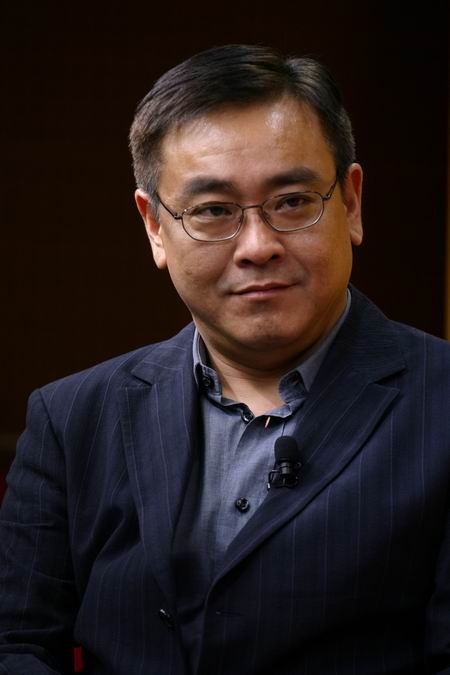




Donnie was born in the Chinese city of Canton and lived there until he was two years old, after which he moved to Hong Kong, where he lived until he was 11. Then his whole family relocated to Boston, where Donnie spent the years that would prove most significant for the rest of his life, beginning to study wushu and tai chi at the school run by his mother, Bow Sim-Mark, who owned what was then the most famous martial arts school, the Chinese Wushu Research Institute.
Donnie was born in the Chinese city of Canton and lived there until he was two years old, after which he moved to Hong Kong, where he lived until he was 11. Then his whole family relocated to Boston, where Donnie spent the years that would prove most significant for the rest of his life, beginning to study wushu and tai chi at the school run by his mother, Bow Sim-Mark, who owned what was then the most famous martial arts school, the Chinese Wushu Research Institute.
Donnie was born in the Chinese city of Canton and lived there until he was two years old, after which he moved to Hong Kong, where he lived until he was 11. Then his whole family relocated to Boston, where Donnie spent the years that would prove most significant for the rest of his life, beginning to study wushu and tai chi at the school run by his mother, Bow Sim-Mark, who owned what was then the most famous martial arts school, the Chinese Wushu Research Institute.


