

The Legend of the Condor Heroes: The Great Hero 射雕英雄传:侠之大者
 6.0
 7.0
 8.0
7.0
 5.0
 6.0
7.0
8.0
7.0
5.0
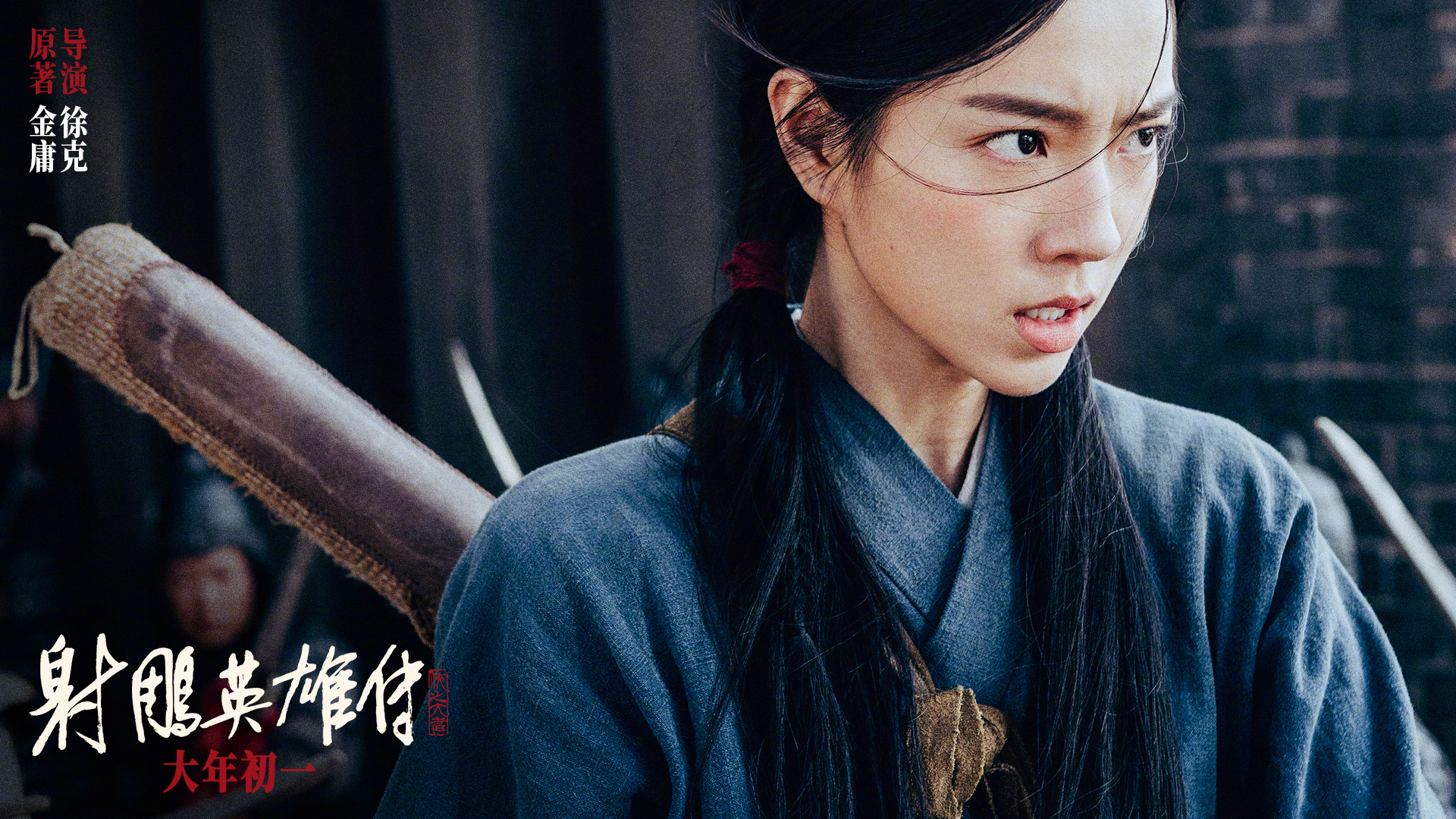
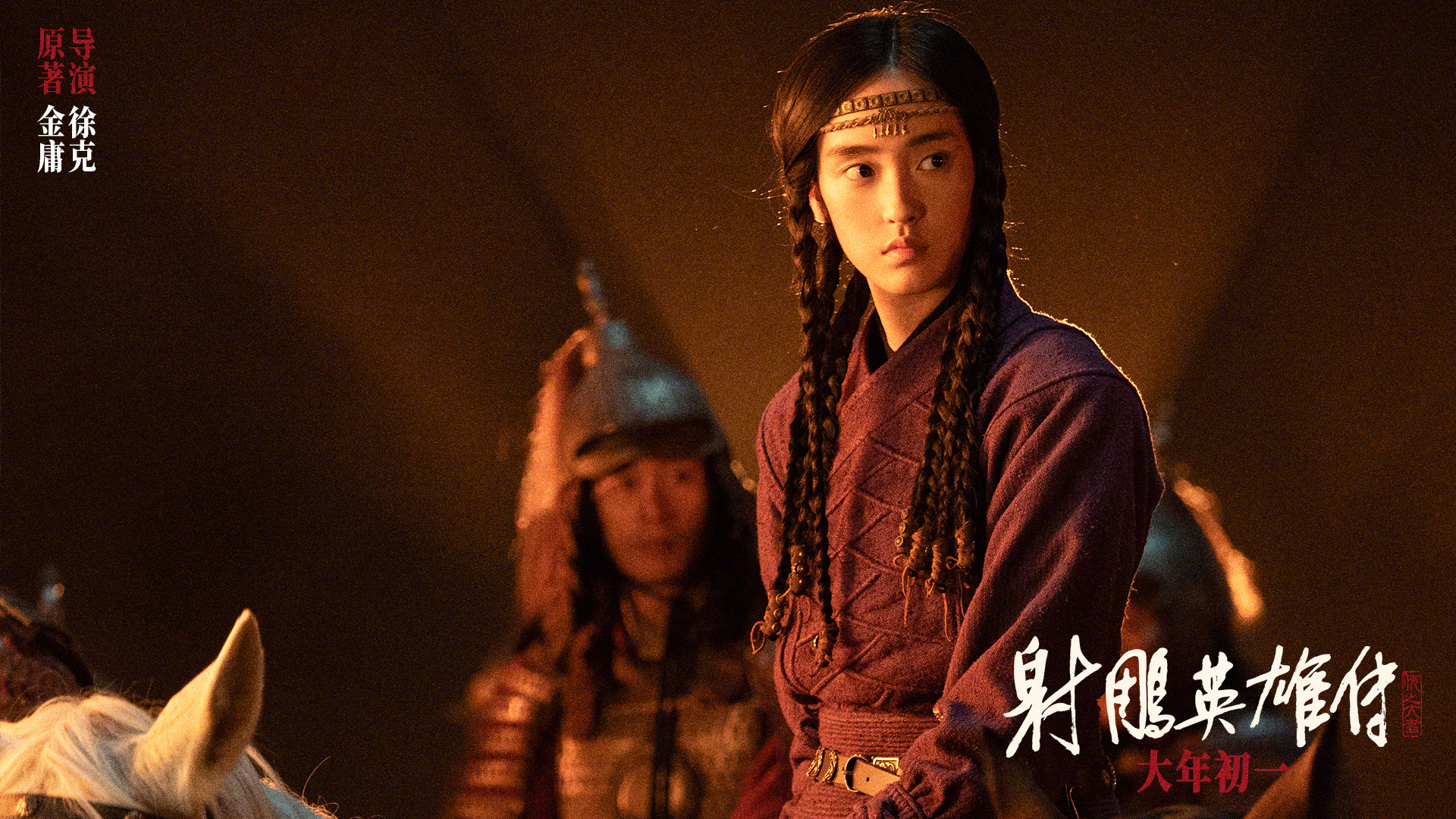
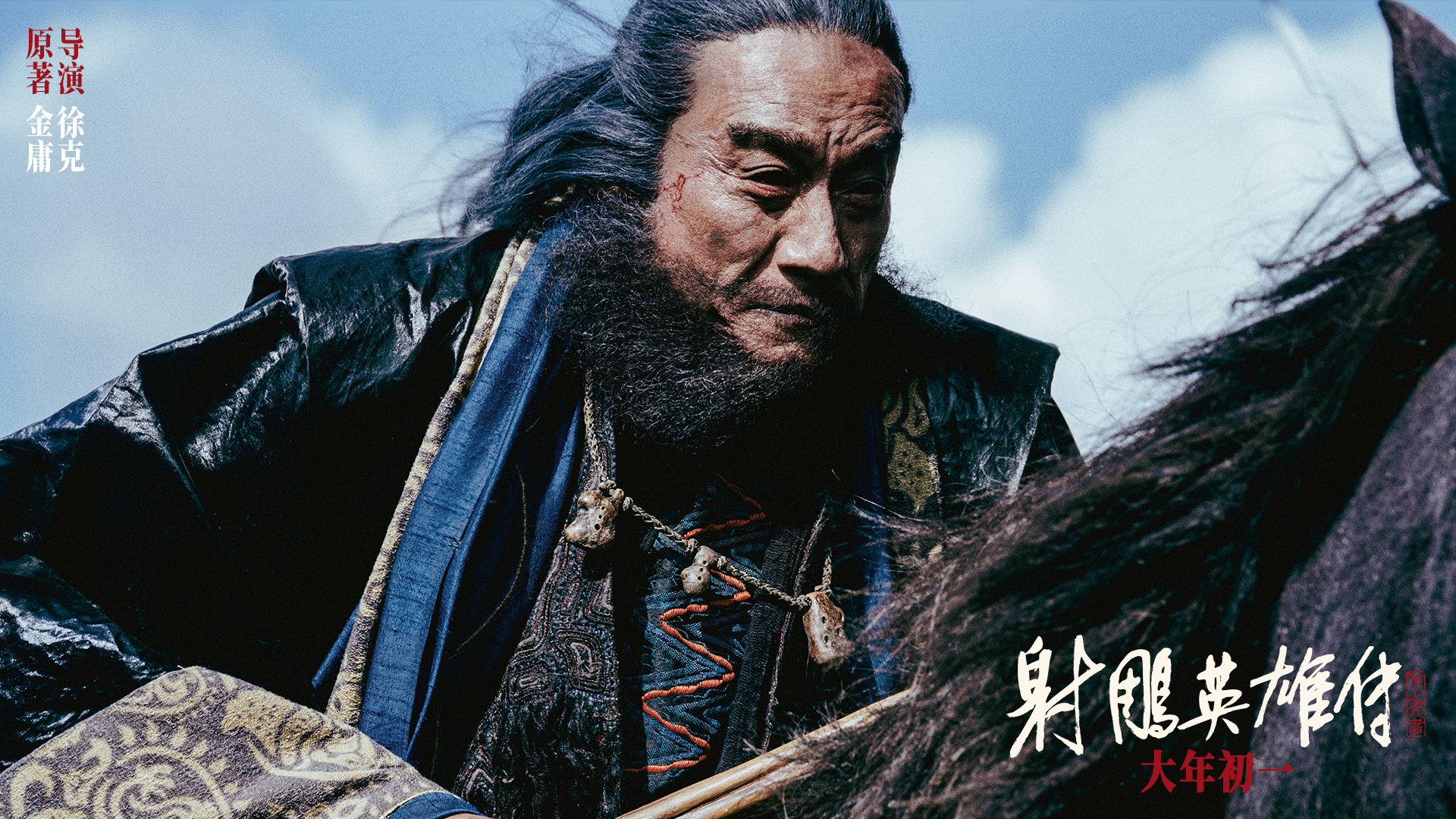
The 13th century: the nomadic Jin dynasty is destroying the Northern Song, but its further consolidation is opposed by the rising Mongols. Guo Jing is a Chinese man whom Genghis Khan raised as his own son and loved so much that he was even ready to give him his daughter Hua Zheng in marriage. Nevertheless, Guo Jing's heart has room for only one girl — Huang Rong, with whom he can never seem to reunite. And this is becoming ever more difficult, for the Mongols are assembling a military campaign straight through Guo Jing's native lands, which he cannot allow, while he himself is pursued by the martial arts master Ouyang Feng, who wants to take from the young man the book of knowledge about the powerful Nine Yin martial technique.
Jin Yong's Condor Heroes trilogy, written under the pen name Louis Cha, is one of the pillars of twentieth-century Chinese literature and an inexhaustible source of inspiration for filmmakers for several decades. Its first screen adaptations began to appear right after the books were published, in the late 1950s, but the cycle was truly tackled in earnest at the turn of the 1970s and 1980s – in Hong Kong there came a series of feature films, The Brave Archer from the Shaw Brothers studio, as well as full-fledged TV series, first from ATV and later from TVB.
Over time, the series format became canonical for The Legend of the Condor Heroes and its sequels; new television versions of the books from Hong Kong, Taiwanese and Chinese filmmakers appeared a couple of times a decade, and that is entirely understandable – each of the novels in the trilogy consists of 40 chapters and tells a multilayered, intricately structured epic story with several dozen characters, each of whom plays their own game. Cramming all of that into the format of a feature film is utterly impossible, and so the latest adaptation, The Great Hero, limits itself to the events of the last seven chapters of the first book, stuffing important information into flashbacks, cutting several important secondary storylines, and still barely fits into the roomy two-and-a-half-hour format.
Tsui Hark, who wrote, directed and produced this film, is a true veteran of Hong Kong and Chinese cinema, who has repeatedly taken on adaptations of classic wuxia and fantasy. He directed Zu: The Warriors from the Magic Mountain, Green Snake and Flying Swords of Dragon Gate, produced A Chinese Ghost Story, and also turned Detective Dee into a popular movie hero of recent decades. And it is all the more strange, sad and galling that The Legend of the Condor Heroes, unfortunately, did not come together for him.
In examining what is wrong with The Great Hero, one can point to many things – the glut of pompous speeches, the comparatively static imagery, the unremarkable action, the one-dimensional screenplay that diligently simplifies conflicts, turning secondary heroes into extras. But none of that really matters, because the film's main problem is that the very Tsui Hark to whom Hong Kong cinema owes nearly everything seems to have run out. The energy has gone somewhere, the creative quest has folded up, and even the slight madness that is this director's trademark has been replaced by a kind of mothballed academicism bordering on lethargic indifference. One gets the impression that Tsui Hark is no longer interested in cinema as such – he still knows how to make it, but no longer seems to particularly want to, and what comes out are films like The Great Hero. Technically accomplished and ideologically sound, yet almost never gripping – because they lack that very spark from which a flame ignites in the heart.
6.0
7.0
8.0
7.0
5.0
6.0
7.0
8.0
7.0
5.0

