


Drawing Sword: Fighting Ghost Cry 亮剑:决战鬼哭谷

 6.0
 7.0
 8.0
7.0
6.0

 6.0
7.0
8.0
7.0
6.0
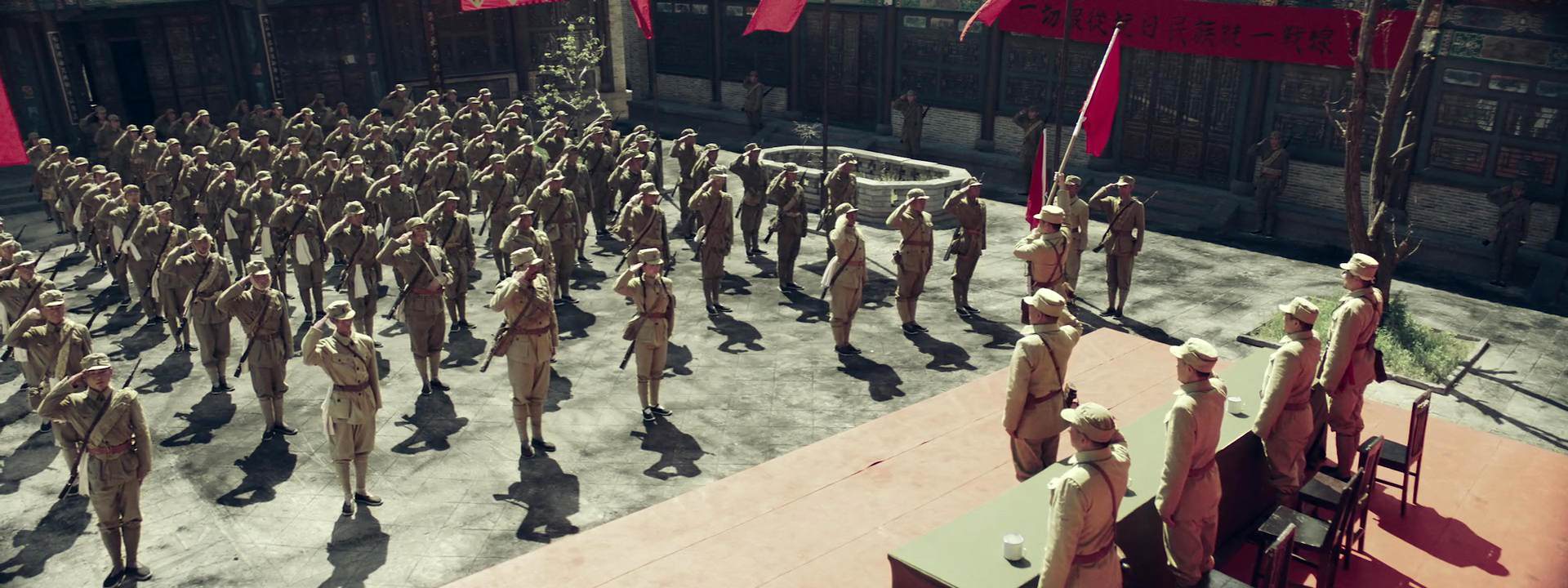
1942. The Japanese have occupied the northwest of Shanxi Province. The captured city of Ping'an is under siege by the Chinese army, but the Japanese are trying to bring up reinforcements through the "Valley of the Screaming Ghosts," the way to which is known only to the locals. The troops of the invaders must be stopped by a detachment led by Red Army soldier Li Zhen-Hu (Luo Li-Qun), meeting them in the valley.
Drawing Sword: Fighting Ghost Cry is a kind of sequel to China's hugely popular 2005 TV series Drawing Sword. That series also got a remake, New Drawing Swordz (2011), but the makers of Fighting Ghost Cry chose to continue the original show instead, bringing four of its key actors into the feature — they play the same characters as in the TV project, but their roles are strictly supporting, while new heroes take center stage.
If you haven't seen the original series (and among those reading this, that's probably 99 percent of you), the first few minutes may make you think you've mixed something up and started watching from the middle — the action kicks off at full tilt, there are lots of characters, nobody bothers to introduce them, and nobody really explains who they are or what they want, either. Well, what else can you expect when the whole film, credits included, runs under 80 minutes! After a while the picture more or less comes together, but the film never gains any depth.
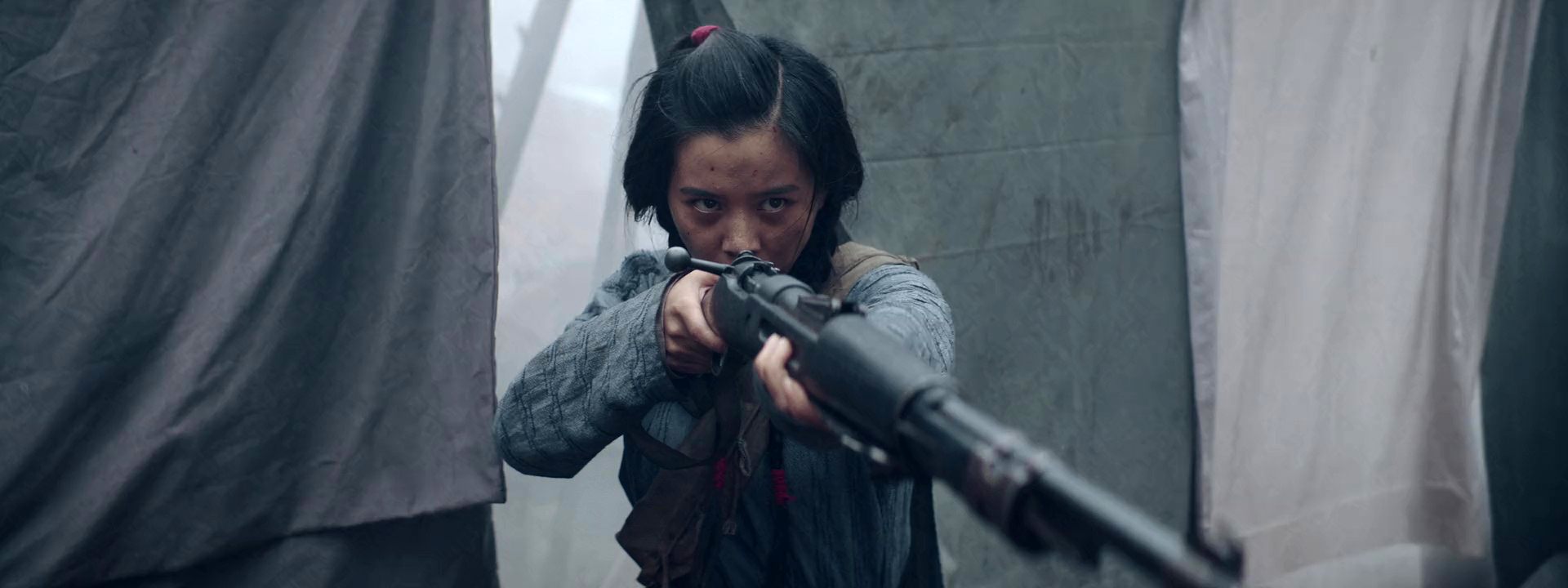
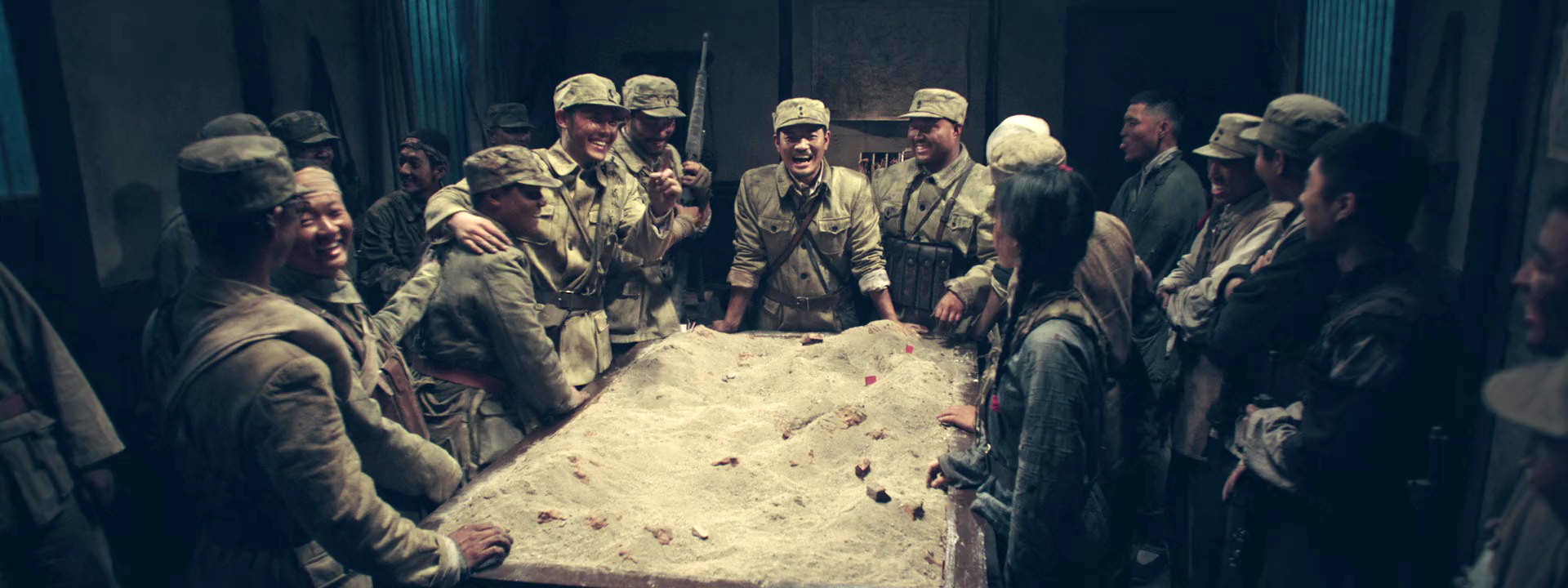
The thing is, there's practically no plot as such in Fighting Ghost Cry — it's just a string of shootouts and military skirmishes between "our side" and "not our side." The heroes set traps and lay ambushes, key characters die in the ensuing battles on one side and then the other, and a viewer "out of context" can only count them off on his fingers — right, they killed the guy with glasses, the one with the bandage, the sniper with a woman's name… All these characters supposedly have some personality and backstory, but the filmmakers dole them out so sparingly that it becomes obvious — for them it's just one more touch to a character's outward portrait, not an attempt to tell any kind of story within the film.
At the same time, for an online film, Fighting Ghost Cry looks very, very good. Yes, it doesn't have the sweep and scale of something like The Battle at Lake Changjin, but then again, it has almost no CGI cheapening the picture — just pyrotechnics, makeup, and "live" stunts, and considering that the characters are fighting for most of the film's eighty minutes, the filmmakers deserve and should get respect. Does that make the film a success? If shootouts and explosions mean more to you than a complex, dramatic plot, then definitely yes, but there's a feeling that in the coming years, with the start of Russia's "special military operation in Ukraine," we'll have plenty of this stuff anyway — thank God if it's not outside our window.
6.0
7.0
8.0
7.0
6.0
6.0
7.0
8.0
7.0
6.0

