


Li Hongzhang 李鸿章
Li Hongzhang's name is most often invoked in connection with the Treaty of Shimonoseki. By that time he had spent many years building up the army and navy that were supposed to shield Qing China from such a defeat. In historical series Li is portrayed both as a military commander and as a negotiator, while in Tsui Hark's film he turns out to be a high official whom Wong Fei-Hung has to save from an assassination attempt.
Li Hongzhang (李鴻章) was born in 1823 in Anhui Province. He received a classical education and entered government service. During the Taiping Rebellion, Li raised the Huai Army and became one of the military commanders on whom the Qing court relied. He later headed the metropolitan province of Zhili. His activities were tied to the purchase of modern weapons, the development of industry and the creation of the Beiyang Fleet.
In the war of 1894–1895, Japan defeated the Qing forces. Li Hongzhang went to Shimonoseki for negotiations, where he survived an assassination attempt. In April 1895 he signed a treaty under which China renounced its claims to Korea, ceded territories to Japan, including Taiwan, and undertook to pay an indemnity. The very next year he visited several countries as a representative of the Qing Empire. In his final years he also had to take part in the negotiations after the Boxer Rebellion. Li died in 1901.
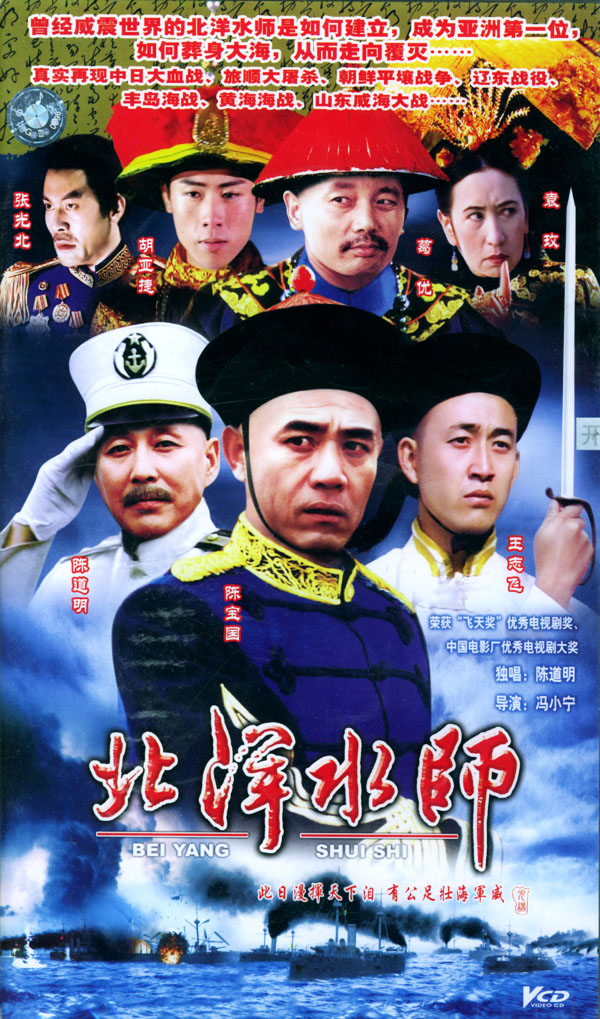
In Bei Yang Shui Shi (1992), Li was played by Gu Lan. In the series For the Sake of the Republic of China (2003), with Wang Bing in the role, his work is presented amid the events that led to the fall of the Qing. In Once Upon a Time in China III (1993), a fictional conspiracy unfolds around him. Thirteenth Aunt notices the preparation of an assassination attempt in the footage she shot, and Wong Fei-Hung tries to warn the official.

