


The Killing Angels 魅影狂花

 5.0

 5.0
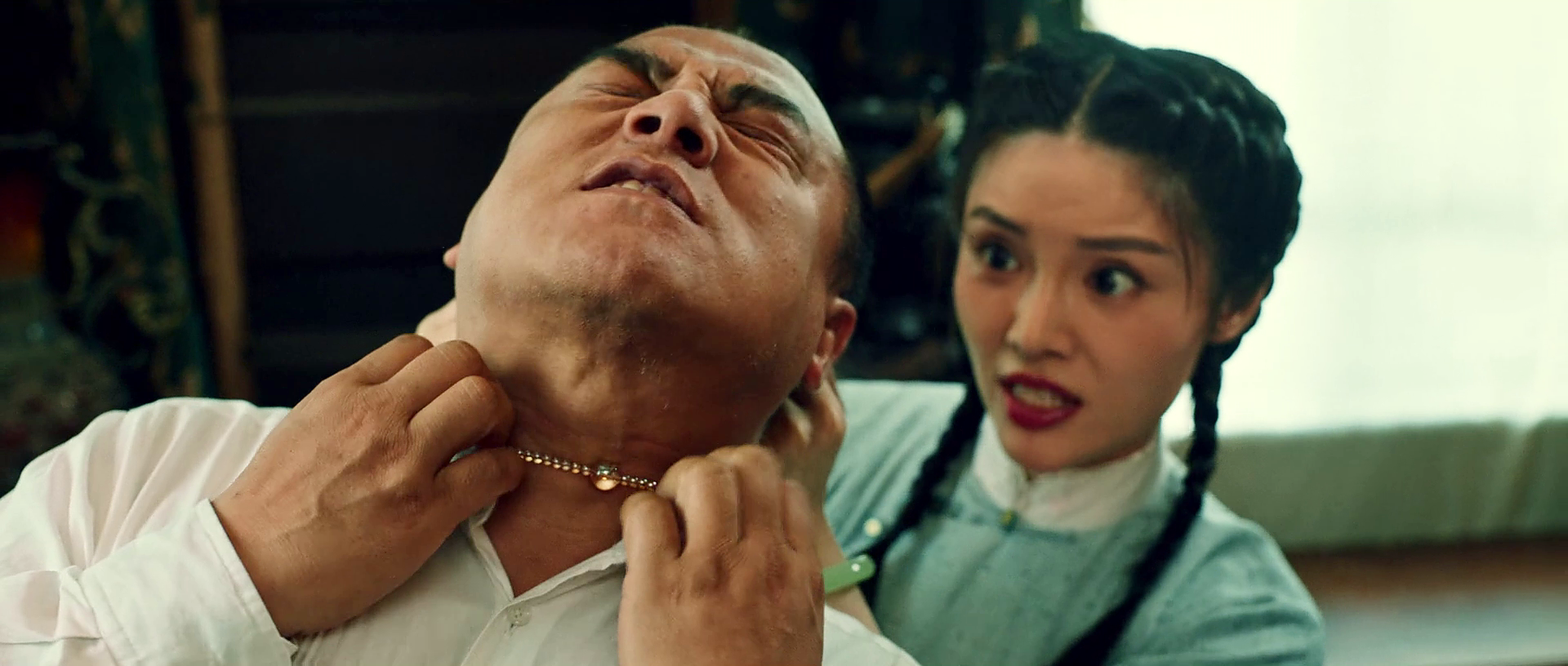
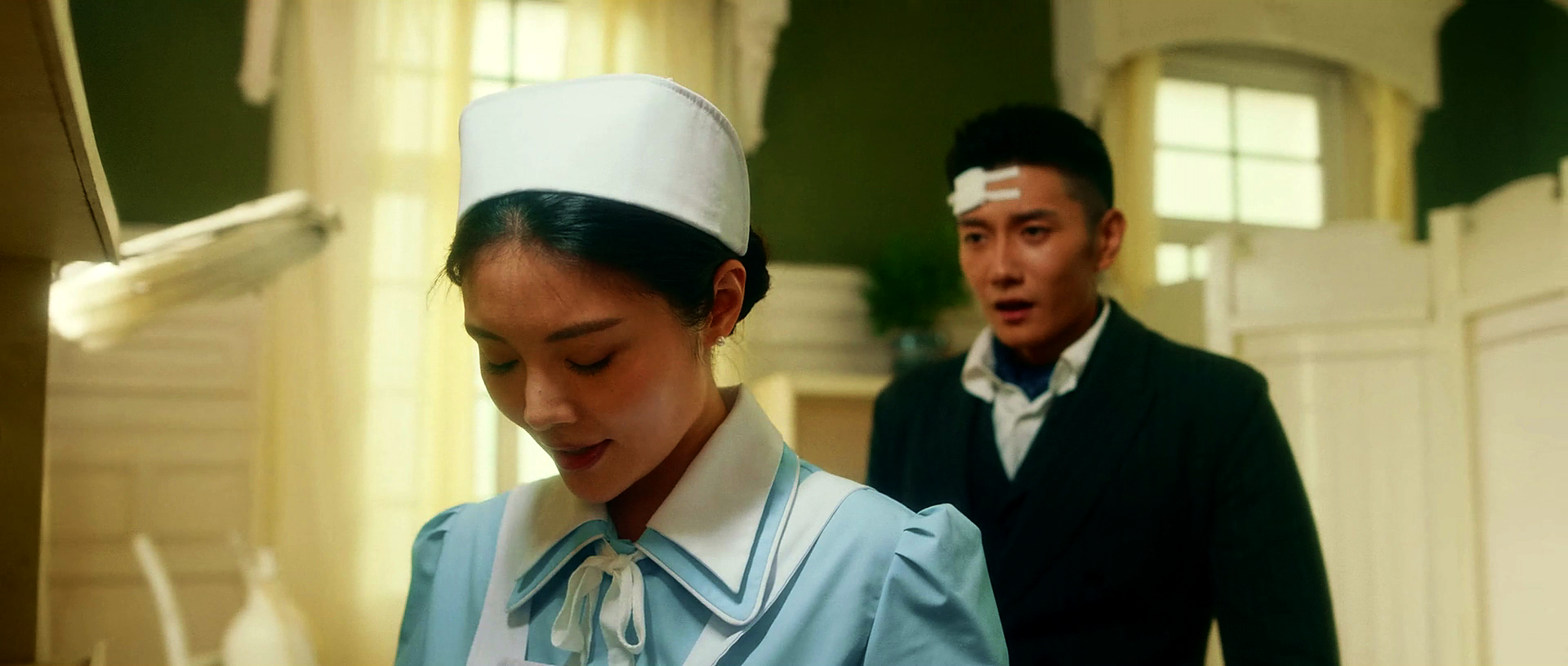
The film's protagonist is an ordinary young woman named Lin Jiaying, who, after her older sister's death, learns that she was a member of an underground organization of female assassins and was hunting General Ma Shiji. Determined to carry on her sister's work, Jiaying embarks on brutal, grueling training meant to temper not only her body but also her spirit. Having passed every trial and exam, Lin sets out on her first assignment, only to find her former lover standing in her way – a journalist likewise digging into General Ma, who knows nothing about Jiaying's new life.
Modern Chinese internet action films made for release on online streaming services are the direct heirs of 1980s–90s Hong Kong action cinema, which is paradoxical in many ways, because in terms of creative freedom they sit at opposite poles. The mainland's ferocious censorship twists filmmakers' arms and imposes its own rules, yet its filmmakers pursue their workarounds with enviable persistence. The Killing Angels is another attempt to make a modern version of the cult Hong Kong action films Naked Killer and Naked Weapon, movies overflowing with violence, sex and twisted morality. An attempt, of course, doomed from the outset.
On paper, The Killing Angels has all the same ingredients as the Hong Kong Naked Killer and Naked Weapon – once again a secret organization of female assassins, once again a stern boss who cares only about results, once again a man whose love throws all the heroines' plans into disarray. The differences lie in the details, which, for all their apparent insignificance, substantially change the film's atmosphere, mood and even meaning. After all, if in the Hong Kong action films the heroines travelled the road from slavish self-denial to the realization that they have the right to control their own lives, then in The Killing Angels the situation is fundamentally different – Jiaying thinks nothing of herself either at the start of the film or at the end; in essence she moves in the opposite direction, from personal revenge to selfless service to the motherland, which modern Chinese cinema simply cannot do without.
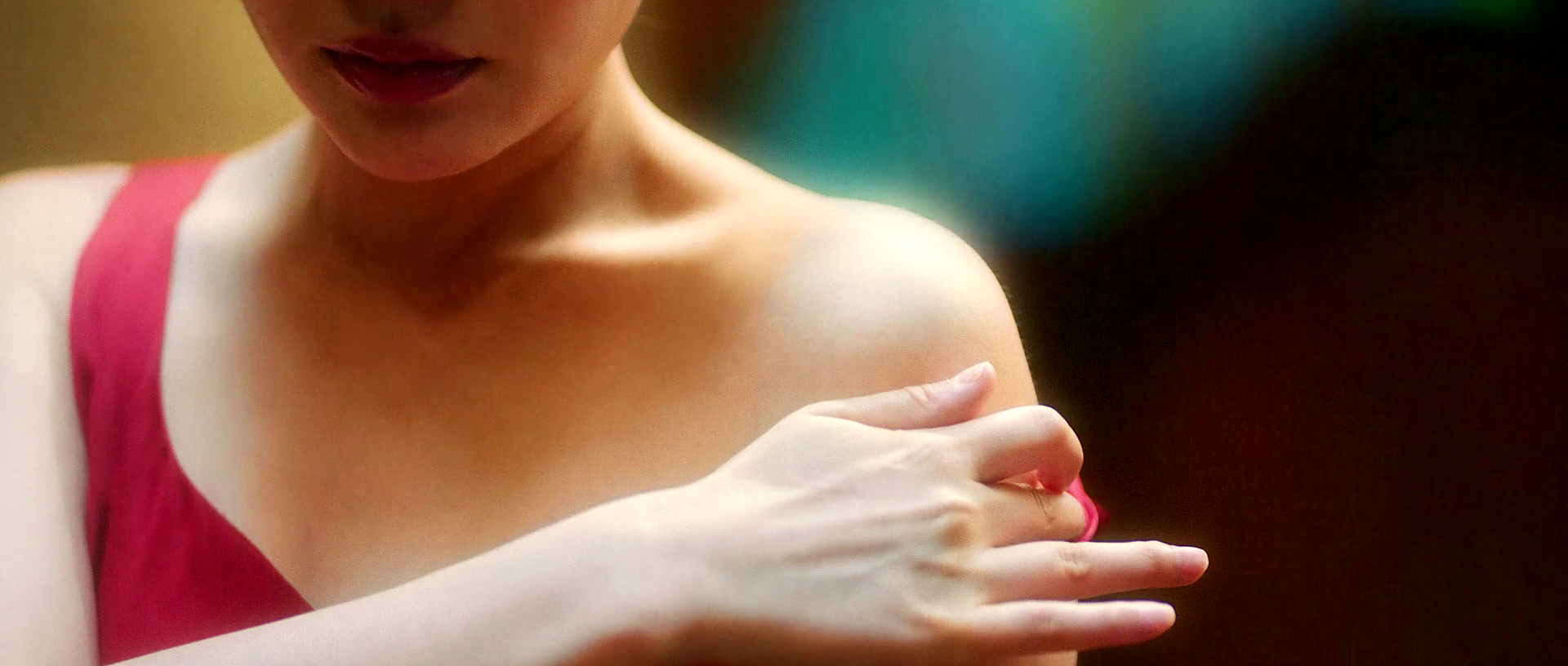
The film can be picked apart over other details too – take just the painstaking, almost frame-by-frame construction of flashy sexuality out of literally nothing, when nothing explicit can be shown but the makers really want to shoot genuine sexploitation. Raquel Xu, who plays the lead, is considered a sex bomb in China thanks to her emphatically sexy looks, yet she shows so little flesh on screen that next to her practically any Western actress would look like a fallen woman.
But all that is tinsel; far more important is another question – how interesting, engaging and, ultimately, watchable all of this is. And here the answer is ambiguous – unfortunately, so-so. As often happens with mainland online cinema, the creators throw their main forces into the opening, when they have to hook their audience at any cost, and the first twenty minutes of The Killing Angels honestly try to entertain, intrigue and generally set the screen on fire, but after that the film noticeably sags – the action grows simpler, the cinematographer relaxes, the director switches to autopilot. Come on, even your own film teaches that you have to fight to the end.
5.0
5.0

