


Horror Legend of Miao Ling 苗岭诡事

 6.0
 7.0
7.0
7.0
6.0

 6.0
7.0
7.0
7.0
6.0
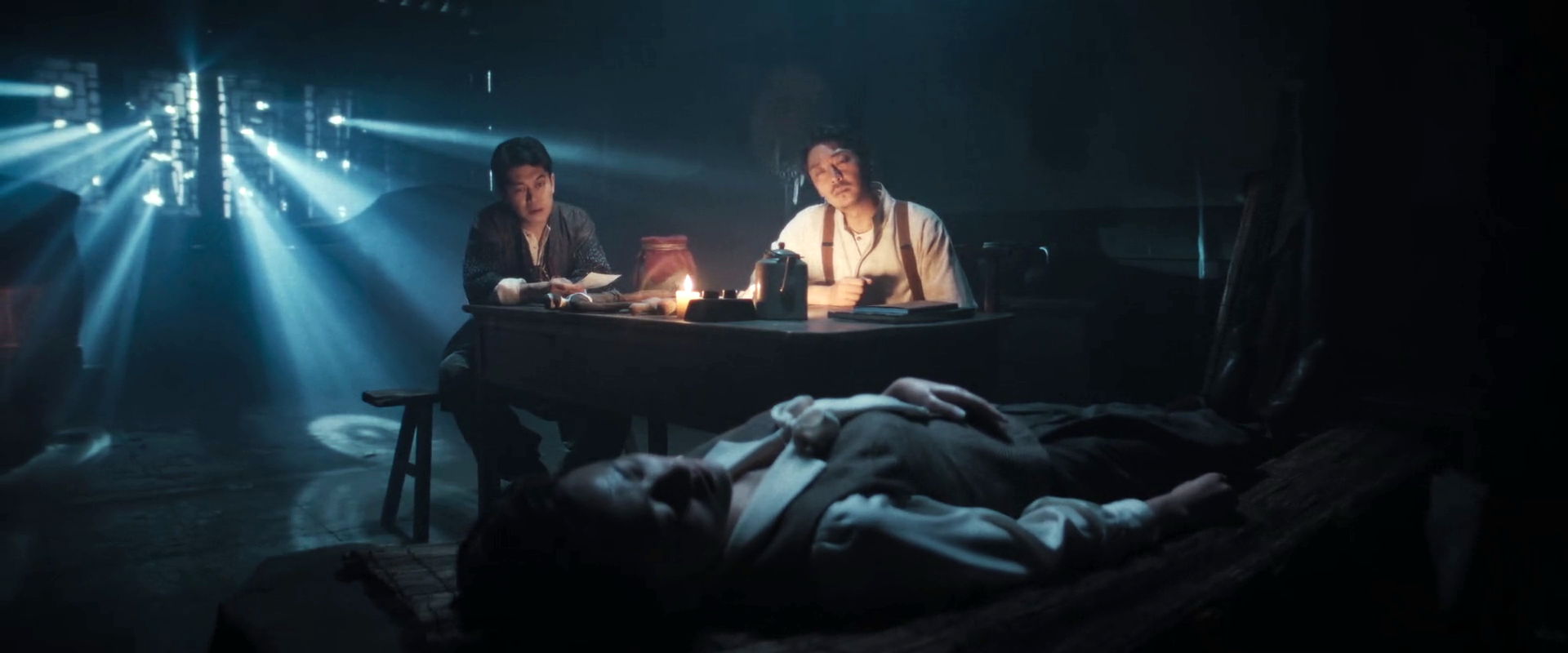
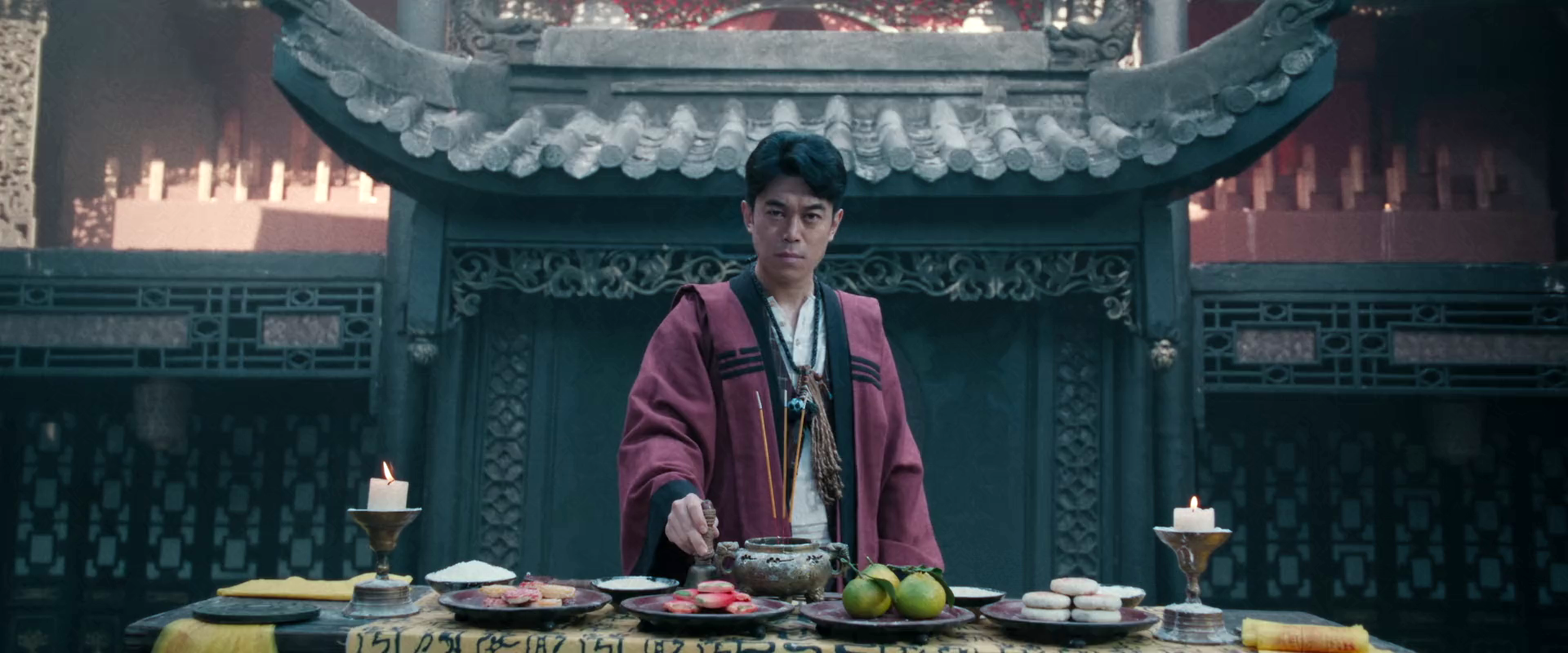
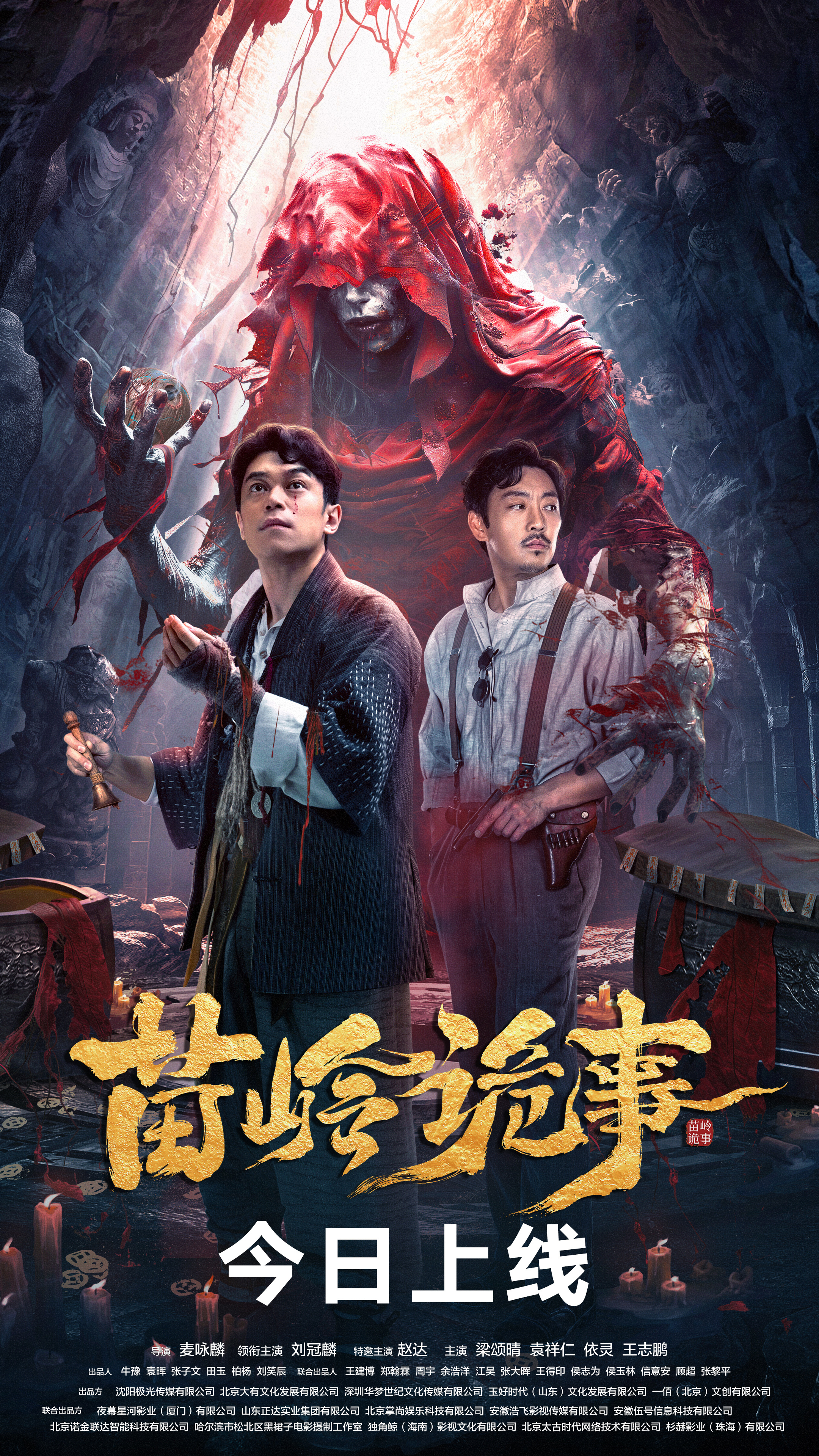
In a small village lost in the mountains, a series of mysterious deaths occurs. Police detective Zhang Chiyi arrives in the village with his assistant to investigate, and a ritual master, Lu Wenliang, offers to help them on the spot, realizing that there really is something unclean about these deaths. The trio quickly understands that they must begin their investigation with the curse of a grandmother healer who was burned in this village twenty years ago.
No one would argue that during film production the most important document is the screenplay – once it has been accepted by all parties involved, that is, it satisfies the authors themselves, the producers, and the director, who knows how he will build the narrative on its basis, everyone tries not to deviate from it and to shoot each scene exactly as it is written in the screenplay. Nevertheless, at the post-production stage, when the film is actually assembled from the footage, everything can change.
Suddenly it turns out that some scenes were shot not as well as everyone had hoped, some work far worse than what is written in the screenplay, and some may turn out to be entirely inessential and slow the story down. And here the final word belongs to the producers, who not infrequently assemble something completely different on the basis of the originally shot material, choosing between entertainment value and clarity, and far from always opting for the latter.
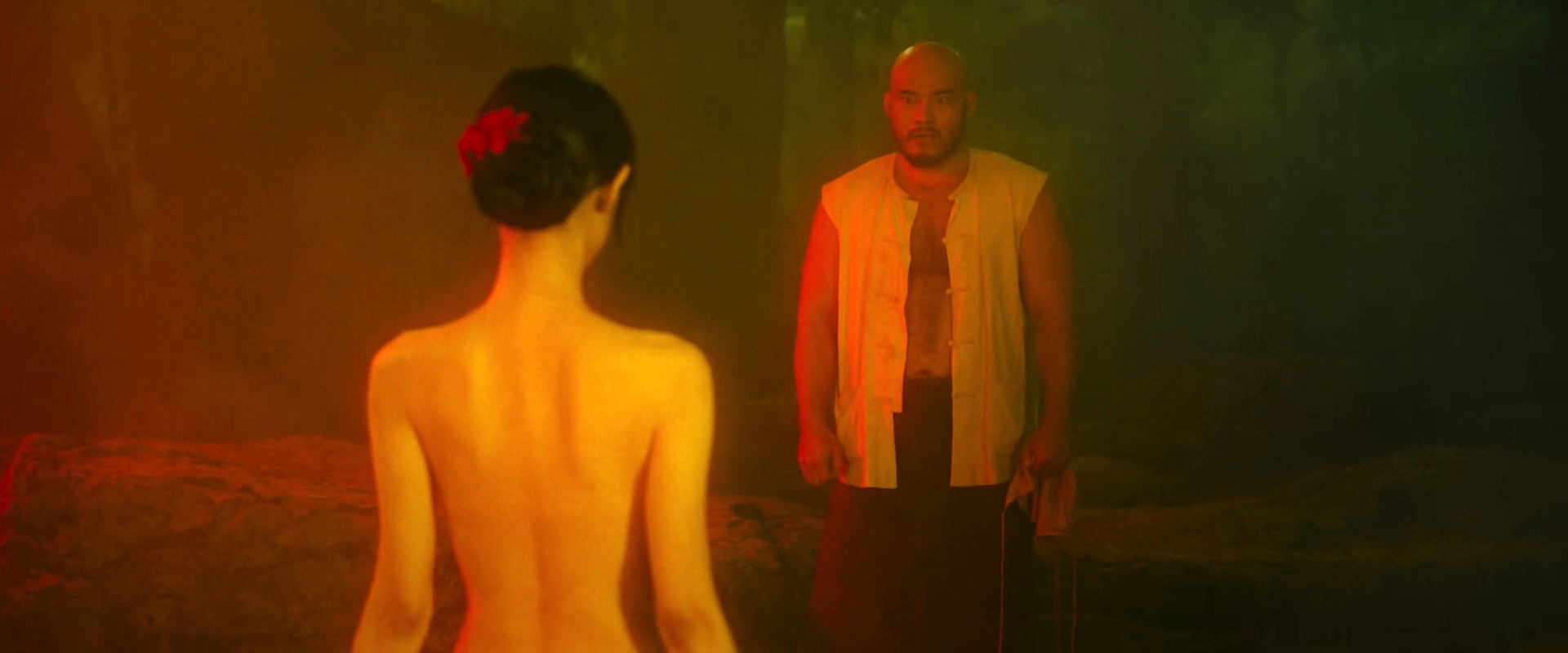
It seems something similar happened with Horror Legend of Miao Ling, which looks great but leaves a mass of questions by the end, from relatively simple ones – for instance, why is the whole subplot with the village butcher even here – to more egregious ones. For example, in one scene Zhang Chi's assistant dies, drowning in a tub of water. In the next scene we see her lying lifeless, so from then on the heroes act as a duo, but closer to the finale she reappears, as if nothing had happened, alive and unharmed.
Such things appear when producers try to maintain high narrative momentum at any cost, quite rightly assuming that the main thing is to make the viewer watch the film to the end, and what he thinks about everything he has seen is a secondary question. From this point of view, Horror Legend of Miao Ling is executed conscientiously – the seventy-minute film really does watch in one breath, and although during the viewing you will constantly be pricked by questions about logic, and you will surely reach the answer to the main mystery before the film's heroes solve this story, that is not so important. The main thing is that you are unlikely to regret the seventy minutes of your life given to this picture, and moreover, Liu Guan-Lin and Zhao Da have formed a very likeable duo – evidently with an eye to a franchise.
6.0
7.0
7.0
7.0
6.0
6.0
7.0
7.0
7.0
6.0

